Table of Contents >> Show >> Hide
- What Is Chicken Cacciatore?
- Why Stanley Tucci’s Mom’s Version Feels Special
- The Key Ingredients Behind the Comfort
- How to Make Chicken Cacciatore the Tucci-Inspired Way
- Why This Dish Works So Well as Comfort Food
- What to Serve With Chicken Cacciatore
- Common Mistakes to Avoid
- Why Stanley Tucci’s Food Style Connects With Home Cooks
- The Family Lesson Inside the Recipe
- Experience Notes: Cooking This Kind of Comfort Food at Home
- Conclusion
Some recipes arrive with fireworks. Others arrive quietly, wearing an apron, holding a wooden spoon, and asking if you remembered to buy bread. Stanley Tucci’s chicken cacciatore belongs firmly in the second group. It is not flashy food. It does not require tweezers, foam, edible flowers, or a culinary degree from a school with dramatic lighting. It asks for chicken, vegetables, tomatoes, olive oil, patience, and the kind of kitchen confidence usually passed down from someone who never measured garlic in her life.
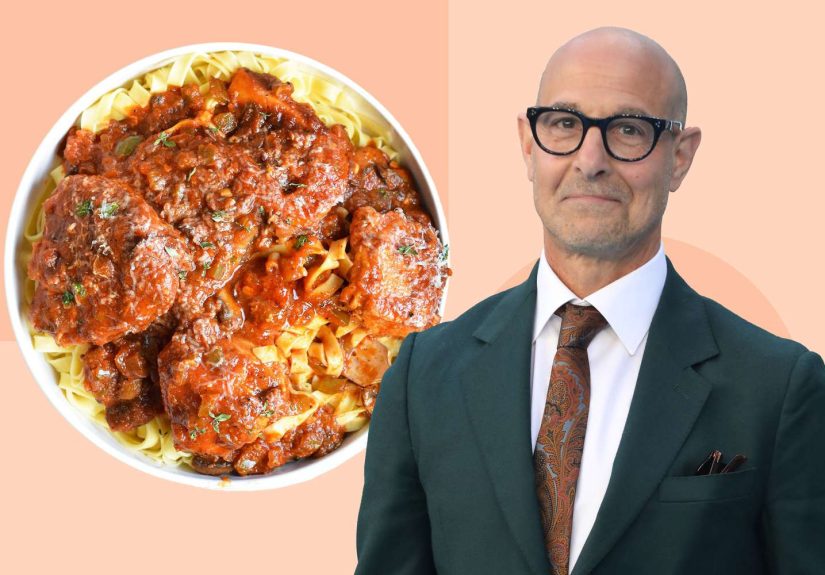
The comfort food classic Stanley Tucci learned from his mom is chicken cacciatore, a rustic Italian dish often described as “hunter-style” chicken. Tucci’s version comes from his mother’s side of the family and includes tomatoes, peppers, mushrooms, onions, garlic, and white wine or broth to build a deeply savory sauce. It is the type of one-pan dinner that looks humble at the beginning and then, forty-five minutes later, behaves like it has been planning an emotional entrance all along.
For fans of Tucci’s food life, this dish makes perfect sense. The actor, cookbook author, and host known for exploring Italian regional cooking has built a second public identity around meals that are elegant without being fussy. His appeal is not just that he cooks well. It is that he talks about food as memory, family, geography, and common sense. Chicken cacciatore is exactly that kind of recipe: a dish with roots, variations, and enough sauce to make crusty bread feel like a necessary household utility.
What Is Chicken Cacciatore?
Chicken cacciatore, or pollo alla cacciatora, translates loosely to hunter-style chicken. Traditionally, it refers to chicken or other meat braised with aromatics, herbs, wine, and vegetables. In the United States, many versions include tomatoes, onions, peppers, and mushrooms, creating a hearty red sauce that lands somewhere between stew, braise, and Sunday supper.
The magic of chicken cacciatore is that it is both flexible and deeply recognizable. One Italian family may use mushrooms. Another may prefer peppers. Some cooks add tomatoes; others leave them out. Some use white wine, some red wine, and some skip wine altogether and use stock. The dish is less about obeying one rigid formula and more about understanding the method: brown the chicken, build flavor in the pan, simmer everything until tender, and let the sauce become the boss.
Why Stanley Tucci’s Mom’s Version Feels Special
Tucci’s family version stands out because it carries a tiny but meaningful family debate: tomatoes. His mother’s side used tomatoes in chicken cacciatore, while his father’s side typically did not. That one difference says a lot about Italian and Italian-American cooking. The “right” way is often the way your family made it, and every kitchen has its own constitution.
In Tucci’s version, tomatoes give the dish body, sweetness, acidity, and a sauce that clings beautifully to chicken. The peppers bring softness and color. Mushrooms add earthiness. Onions and garlic provide the background music. The result is a dinner that feels generous, practical, and emotionally intelligent. It is not trying to impress you with complexity. It is trying to feed you properly.
The Key Ingredients Behind the Comfort
Bone-In Chicken
A whole chicken cut into pieces, or a mix of bone-in thighs and drumsticks, works especially well. Bone-in pieces stay juicy during simmering and add richness to the sauce. Boneless chicken can work in a hurry, but it will not give the same depth. In comfort food terms, bone-in chicken is the friend who actually helps you move.
Bell Peppers
Red or green bell peppers soften into the sauce and bring a gentle sweetness. Green peppers add a sharper, old-school Italian-American flavor, while red peppers taste sweeter and rounder. Either way, they help make the dish feel like it came from a family table rather than a spreadsheet.
Mushrooms
Mushrooms are important because they create an earthy backbone. When cooked first and removed from the pan, they develop flavor without turning watery. This step matters. If mushrooms are rushed, they sulk. If they are given time, they become savory little flavor sponges.
Tomatoes
Tomatoes are the defining feature of Tucci’s mother-side version. Canned tomatoes are ideal because they bring consistent flavor and break down easily into sauce. Crush them by hand or with a spoon as they go into the pan, and do not worry about perfection. This is rustic cooking, not tomato surgery.
Onions, Garlic, and Olive Oil
These three ingredients form the base of countless Italian and Italian-American dishes. Olive oil carries flavor, onions add sweetness, and garlic brings aroma. Together, they create the smell that makes people wander into the kitchen pretending they “just came to check something.”
How to Make Chicken Cacciatore the Tucci-Inspired Way
Start by heating olive oil in a large, wide sauté pan or Dutch oven. A roomy pan matters because chicken needs space to brown. If the pieces are crowded, they steam instead, and steamed chicken has the charisma of wet cardboard.
Cook the sliced bell peppers until slightly softened, then remove them. Do the same with the mushrooms. This separate cooking step helps each vegetable develop its own flavor before everything reunites later in the sauce like a very delicious family reunion.
Season the chicken generously with salt and pepper, then brown it on both sides. This step builds the foundation of the dish. Browning creates flavor on the chicken and leaves caramelized bits in the pan. Those browned bits are not a mess; they are future sauce.
Next, deglaze the pan with a splash of dry white wine or chicken broth. If you prefer not to cook with wine, broth works well. Scrape the bottom of the pan to loosen the browned bits, then add onions and garlic. Once softened, stir in the tomatoes. Return the chicken to the pan, cover, and simmer until the meat is tender and cooked through.
Near the end, return the peppers and mushrooms to the pan so they warm through without losing all texture. The finished dish should be saucy, savory, and fragrant, with tender chicken and vegetables that taste like they have been getting along for generations.
Why This Dish Works So Well as Comfort Food
Comfort food is not only about richness. It is about reassurance. Chicken cacciatore reassures you in several ways. First, it is a one-pan meal, which means fewer dishes and fewer opportunities to question your life choices. Second, it uses familiar ingredients. Third, it improves as it sits, making leftovers arguably better than the first serving.
The texture also matters. The chicken becomes tender, the sauce thickens, and the vegetables soften into the braise. Every bite tastes layered but not complicated. It is the culinary equivalent of a good sweater: warm, reliable, and not interested in trends.
What to Serve With Chicken Cacciatore
Crusty bread is the obvious choice because the sauce deserves to be chased around the plate. Pasta also works, especially wide noodles or short shapes that catch sauce. Creamy polenta is another excellent option, turning the dish into a cozy bowl of old-world comfort. Rice, mashed potatoes, or roasted vegetables can also make it a complete meal.
For balance, add something fresh on the side. A green salad with lemony dressing, sautéed greens, or roasted broccoli can keep the plate from feeling too heavy. The goal is not to distract from the cacciatore. The goal is to support it, like a tasteful background singer.
Common Mistakes to Avoid
Skipping the Browning Step
Browning the chicken is not just for appearance. It creates flavor that carries through the entire dish. Pale chicken dropped straight into sauce may cook, but it will not bring the same savory depth.
Using a Pan That Is Too Small
A crowded pan traps moisture and prevents proper browning. Use a wide skillet, sauté pan, or Dutch oven. If needed, brown the chicken in batches. Your patience will be rewarded, and your chicken will stop looking disappointed.
Overcooking the Vegetables
Cooking peppers and mushrooms separately helps preserve their flavor and texture. If they simmer for too long from the beginning, they can become mushy. Add them back near the end for the best result.
Underseasoning the Sauce
Taste as you go. Tomatoes need salt. Chicken needs salt. Mushrooms need salt. The sauce should taste rounded, not flat. A final drizzle of good olive oil or a sprinkle of parsley can brighten the dish before serving.
Why Stanley Tucci’s Food Style Connects With Home Cooks
Stanley Tucci’s food popularity is not accidental. He makes cooking feel cultured but accessible. He can discuss regional Italian cuisine with real curiosity, yet still understand that most people simply want dinner to taste good and not destroy the kitchen. His recipes often celebrate quality ingredients, family memory, and technique without making home cooks feel like they are auditioning for a reality show elimination round.
Chicken cacciatore is a perfect example. It has history, but it is not trapped in a museum. It can be made on a weeknight if you are organized, or on a Sunday when you want the house to smell like someone loves you. It is special enough for guests and practical enough for leftovers. That is rare kitchen magic.
The Family Lesson Inside the Recipe
The most interesting part of Tucci’s chicken cacciatore is not just the ingredient list. It is the way the recipe shows how family cooking survives. A mother teaches a son. A son cooks the dish publicly years later. Viewers try it in their own kitchens. Someone changes the mushrooms. Someone adds extra garlic. Someone uses broth instead of wine. The dish keeps moving.
That is how comfort food stays alive. It is not preserved by remaining untouched. It is preserved by being cooked, adapted, spilled on the counter, packed into containers, reheated the next day, and argued about by people who all claim their version is “the real one.”
Experience Notes: Cooking This Kind of Comfort Food at Home
The best way to understand a dish like Stanley Tucci’s chicken cacciatore is to cook it on a day when you are not in a hurry. Not because it is difficult, but because it rewards attention. The first experience worth noticing is the smell. Once the peppers hit warm olive oil, the kitchen changes. It becomes less like a room with appliances and more like a place where dinner has a personality.
Then come the mushrooms. At first, they look like too many. Then they shrink, deepen, and start to smell earthy and savory. This is the point where the recipe begins to feel less like instructions and more like common sense. You are not just adding ingredients. You are building layers.
Browning the chicken is the moment many home cooks are tempted to rush. Don’t. Let the pieces sit long enough to develop color. The pan may hiss dramatically, but that is normal. Cooking sometimes sounds like applause with a warning label. When the chicken turns golden, the final dish already has a better future.
The deglazing step is especially satisfying. A splash of broth or wine loosens everything stuck to the pan, and suddenly what looked like cleanup becomes flavor. This is one of those small kitchen lessons that applies beyond cacciatore: the good stuff is often hiding in the browned bits.
As the chicken simmers with tomatoes, onions, and garlic, the dish becomes calmer. The sharp tomato smell softens. The onions melt into the sauce. The chicken relaxes. You can set the table, slice bread, make a salad, or simply stand there pretending you are supervising when really you are just enjoying the aroma.
Serving it is where the comfort fully lands. Spoon the chicken into shallow bowls, add plenty of sauce, and make sure every plate gets peppers and mushrooms. Bread is not optional in spirit, even if technically no one can force you. The sauce is too good to leave behind, and scraping the bowl with bread is one of life’s more respectable tiny joys.
The next-day experience may be even better. The sauce thickens, the flavors settle, and the chicken absorbs more of the tomato and aromatics. Leftover chicken cacciatore can be served over pasta, tucked beside polenta, or shredded into the sauce for a rustic sandwich. This is the kind of leftover that does not feel like repetition. It feels like the recipe had an encore planned.
Most importantly, cooking this dish teaches the value of recipes that are not precious. You can adjust them. You can use what you have. You can make them for family, friends, or just yourself on a quiet night. Stanley Tucci’s mom’s chicken cacciatore reminds us that comfort food does not need to be complicated to be memorable. Sometimes it only needs a pan, a story, and enough sauce to make everyone at the table slow down.
Conclusion
Stanley Tucci learned chicken cacciatore from his mom, but the reason the dish resonates goes far beyond celebrity. It is a classic because it understands what home cooks need: flavor, flexibility, warmth, and a little drama from the sauce. With tender chicken, tomatoes, peppers, mushrooms, garlic, and onions, this comfort food classic proves that family recipes do not have to be fancy to be unforgettable.
Whether served with bread, pasta, polenta, or simple greens, chicken cacciatore delivers the kind of meal that feels generous without being complicated. It is rustic, practical, and deeply comfortingthe sort of dish that makes the kitchen smell better, the table feel fuller, and leftovers feel like a reward.
Note: This article is written for web publication in standard American English and is based on publicly available information about Stanley Tucci’s chicken cacciatore, his family-style Italian cooking, and widely documented chicken cacciatore techniques. No source links are inserted in the article body.