Table of Contents >> Show >> Hide
- What Are Sweet Potatoes?
- Sweet Potato Nutrition Facts
- Top Health Benefits of Sweet Potatoes
- Sweet Potatoes vs. Regular Potatoes
- Best Ways to Cook Sweet Potatoes
- Healthy Sweet Potato Meal Ideas
- Are Sweet Potatoes Good for Weight Management?
- Potential Downsides and Who Should Be Careful
- How to Choose and Store Sweet Potatoes
- Conclusion: Sweet Potatoes Deserve a Regular Spot on Your Plate
- Personal Experience Notes: Living With Sweet Potatoes in a Real Kitchen
Sweet potatoes have a talent most vegetables can only dream of: they taste like comfort food, look like sunshine, and still manage to bring real nutrition to the table. Bake one until the edges caramelize, mash it with cinnamon, cube it into a grain bowl, or slice it into fries that make regular fries nervously adjust their little potato jackets. However you serve them, sweet potatoes are more than a cozy side dish. They are nutrient-dense root vegetables packed with fiber, complex carbohydrates, potassium, vitamin C, manganese, and beta-carotene, the colorful plant pigment your body can convert into vitamin A.
This guide breaks down sweet potato nutrition, the top health benefits, the best ways to cook them, and how to enjoy them without turning a wholesome root vegetable into dessert wearing a marshmallow hat. Sweet potatoes can absolutely be part of a balanced diet, including for people watching blood sugar, supporting heart health, or simply trying to eat more whole foods.
What Are Sweet Potatoes?
Sweet potatoes are edible roots from the morning glory family. They are not the same as regular white potatoes, and they are not the same as true yams. In many U.S. grocery stores, orange-fleshed sweet potatoes are sometimes labeled “yams,” but true yams are starchier tubers with rough, bark-like skin and are more common in African, Caribbean, and Asian cuisines. So yes, your holiday “candied yams” are probably sweet potatoes in a festive disguise.
Sweet potatoes come in several colors, including orange, white, yellow, and purple. Orange varieties are especially rich in beta-carotene. Purple sweet potatoes contain anthocyanins, a group of antioxidant plant compounds that give blueberries and purple cabbage their deep color. Each variety has a slightly different flavor and texture, but all can fit into a healthy eating pattern.
Sweet Potato Nutrition Facts
A medium cooked sweet potato is naturally low in fat, contains no cholesterol, and provides a satisfying mix of complex carbohydrates and fiber. Exact nutrition varies by size and cooking method, but a typical medium sweet potato contains roughly:
- About 110 to 130 calories
- About 24 to 30 grams of carbohydrates
- About 2 grams of protein
- About 4 grams of fiber when eaten with the skin
- A generous amount of vitamin A from beta-carotene
- Potassium, vitamin C, vitamin B6, manganese, and small amounts of magnesium and calcium
The star nutrient is vitamin A. Orange sweet potatoes are famous for beta-carotene, a provitamin A carotenoid that the body can convert into vitamin A. Vitamin A supports vision, immune function, normal growth, and healthy skin. Sweet potatoes also bring potassium, an important mineral involved in fluid balance, muscle function, and blood pressure regulation.
Top Health Benefits of Sweet Potatoes
1. Sweet Potatoes Support Eye Health
That bright orange color is not just there to make dinner more photogenic. It comes largely from beta-carotene, a plant compound that your body converts into vitamin A as needed. Vitamin A plays a major role in vision, especially normal function of the retina. A diet that includes vitamin A-rich foods can help support healthy eyes over time.
For best absorption, pair sweet potatoes with a little healthy fat. Think roasted sweet potato wedges with olive oil, mashed sweet potatoes with a spoonful of Greek yogurt, or a sweet potato bowl topped with avocado. Fat helps your body absorb carotenoids more efficiently, which is one reason a dry, lonely sweet potato is nutritious but not living its best life.
2. They Provide Fiber for Digestion and Fullness
Sweet potatoes are a good source of dietary fiber, especially when you eat the skin. Fiber helps keep digestion moving, supports bowel regularity, and contributes to a feeling of fullness after meals. That matters because a meal that satisfies you is less likely to send you wandering into the pantry 37 minutes later looking for “just one little snack,” also known as the beginning of a cookie situation.
Fiber also slows digestion, which can help make the carbohydrates in sweet potatoes feel more steady compared with refined carbohydrates like candy, soda, or white bread. The skin contains extra fiber and nutrients, so scrub it well and leave it on when baking or roasting.
3. Sweet Potatoes Can Fit Into Blood Sugar-Friendly Meals
Sweet potatoes contain carbohydrates, so they can raise blood sugar. That is normal. The goal is not to fear carbs; it is to choose nutrient-dense carbohydrate foods and eat them in balanced portions. Sweet potatoes offer fiber, vitamins, minerals, and antioxidants, making them a stronger choice than many refined starches.
If you are managing blood sugar, portion size and meal pairing matter. Try half of a medium sweet potato or about half a cup mashed as the starchy part of your plate. Add lean protein such as chicken, fish, eggs, tofu, beans, or turkey. Include nonstarchy vegetables like broccoli, spinach, peppers, or green beans. Add a small amount of healthy fat such as olive oil, nuts, seeds, or avocado. That combination helps slow digestion and makes the meal more satisfying.
Cooking method matters too. Boiled or steamed sweet potatoes may have a gentler effect on blood sugar than heavily roasted, candied, or fried versions. Cooling cooked sweet potatoes before eating may also increase resistant starch, a type of starch that behaves more like fiber.
4. They Support Heart Health
Sweet potatoes bring several nutrients linked with heart-friendly eating patterns. Potassium helps balance sodium in the body and supports normal blood pressure. Fiber can also help support healthy cholesterol levels when included as part of an overall high-fiber diet. Meanwhile, antioxidants such as beta-carotene and anthocyanins help protect cells from oxidative stress.
The heart-health catch is preparation. A baked sweet potato is not the same nutritional experience as sweet potato casserole loaded with butter, brown sugar, and marshmallows. Delicious? Yes. Everyday heart-smart food? Not exactly. For regular meals, season sweet potatoes with cinnamon, smoked paprika, garlic, chili powder, rosemary, thyme, black pepper, or a squeeze of lime instead of relying on lots of salt and sugar.
5. They Offer Antioxidants
Sweet potatoes contain antioxidants, which are compounds that help defend cells from damage caused by free radicals. Orange sweet potatoes are rich in beta-carotene. Purple sweet potatoes contain anthocyanins. These colorful compounds are one reason dietitians often encourage people to “eat the rainbow.” Sweet potatoes are basically the orange and purple departments reporting for duty.
Antioxidant-rich foods are not magic shields, and no single food prevents disease on its own. But regularly eating colorful vegetables, fruits, legumes, nuts, seeds, and whole grains supports a nutrient-rich diet associated with better long-term health.
6. Sweet Potatoes Are Naturally Gluten-Free
Sweet potatoes are naturally gluten-free, which makes them useful for people with celiac disease, gluten sensitivity, or anyone trying to reduce reliance on processed breads and crackers. They can replace toast at breakfast, pasta in bowls, or refined snacks at lunch. Try a baked sweet potato topped with scrambled eggs and salsa, black beans and avocado, or cottage cheese and cinnamon.
7. They Are Budget-Friendly and Meal Prep Friendly
Nutrition is great, but if a food is expensive, fussy, and spoils when you look at it wrong, it may not survive real life. Sweet potatoes are generally affordable, easy to store, and versatile. You can bake several at once, keep them in the refrigerator, and use them throughout the week in bowls, soups, tacos, salads, breakfast hashes, and quick snacks.
Sweet Potatoes vs. Regular Potatoes
Sweet potatoes and regular potatoes can both be healthy. Regular potatoes offer potassium, vitamin C, vitamin B6, and fiber when eaten with the skin. Sweet potatoes have an edge in beta-carotene and vitamin A, especially the orange varieties. The better choice depends on your meal, taste, and nutrition goals.
Instead of treating the potato aisle like a sports rivalry, think variety. Enjoy sweet potatoes one night, regular potatoes another, and balance both with protein, vegetables, and healthy fats. The real nutritional trouble usually comes from frying, oversized portions, and toppings that turn a vegetable into a butter-and-cheese delivery vehicle.
Best Ways to Cook Sweet Potatoes
Baked Sweet Potatoes
Baking brings out the natural sweetness. Pierce the skin with a fork, bake at 400°F until tender, and top with Greek yogurt, cinnamon, chili flakes, black beans, or roasted vegetables.
Roasted Sweet Potatoes
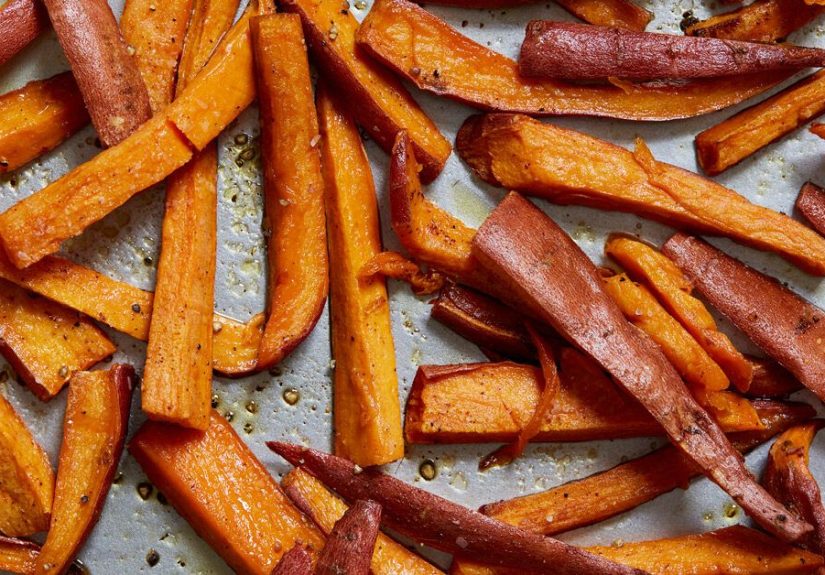
Cube them, toss with olive oil and spices, and roast until caramelized. This method makes sweet potatoes crisp at the edges and soft inside, which is exactly the kind of personality we like in a vegetable.
Boiled or Steamed Sweet Potatoes
Boiling and steaming are great for mashed sweet potatoes, soups, baby food, and blood sugar-conscious meals. These methods require little added fat and keep the flavor clean and simple.
Air-Fried Sweet Potatoes
Air-fried sweet potato wedges can offer a crisp texture with less oil than deep-frying. Slice evenly, season well, and avoid crowding the basket.
Mashed Sweet Potatoes
Mash with a little olive oil, plain yogurt, garlic, cinnamon, nutmeg, or herbs. You do not need a mountain of butter or brown sugar. Sweet potatoes already have the sweet part handled.
Healthy Sweet Potato Meal Ideas
- Breakfast: Sweet potato hash with eggs, spinach, onions, and peppers.
- Lunch: Roasted sweet potato bowl with quinoa, chickpeas, cucumbers, greens, and tahini dressing.
- Dinner: Baked sweet potato stuffed with turkey chili or black beans and avocado.
- Snack: Sweet potato slices topped with nut butter and cinnamon.
- Side dish: Mashed sweet potatoes with garlic, rosemary, and olive oil.
Are Sweet Potatoes Good for Weight Management?
Sweet potatoes can support weight management because they are filling, fiber-rich, and naturally flavorful. They can help make a meal satisfying without needing lots of added sugar, fat, or ultra-processed ingredients. However, portions still count. A sweet potato is nutritious, but a giant plate of fries is still a giant plate of fries, even if the fries are wearing an orange health halo.
For a balanced plate, make sweet potatoes one part of the meal rather than the entire meal. A simple formula is: one quarter of the plate sweet potato or another starchy food, one quarter protein, and half nonstarchy vegetables. Add flavor with herbs, spices, citrus, vinegar, salsa, or a modest amount of healthy fat.
Potential Downsides and Who Should Be Careful
Sweet potatoes are healthy for most people, but a few situations deserve attention. People with diabetes or insulin resistance should watch portions and pair sweet potatoes with protein, fiber, and fat. People with chronic kidney disease or those on potassium-restricted diets may need to limit high-potassium foods, including sweet potatoes, depending on medical advice. People prone to oxalate kidney stones may also want personalized guidance, especially if eating large amounts frequently.
Also, if your skin starts looking slightly orange after a passionate sweet potato era, that may be carotenemia, a harmless condition caused by very high beta-carotene intake. It is your body’s way of saying, “Wonderful enthusiasm, but perhaps meet a broccoli.”
How to Choose and Store Sweet Potatoes
Choose firm sweet potatoes with smooth skin and no soft spots, mold, cracks, or shriveled ends. Small and medium sweet potatoes often cook more evenly than giant ones. Store them in a cool, dark, well-ventilated place, but not in the refrigerator before cooking. Cold storage can change their texture and flavor.
Once cooked, refrigerate sweet potatoes in an airtight container and use them within a few days. Cooked sweet potatoes also freeze well, especially when mashed or cubed.
Conclusion: Sweet Potatoes Deserve a Regular Spot on Your Plate
Sweet potatoes are nutritious, affordable, naturally gluten-free, and easy to use in both sweet and savory dishes. They provide fiber, complex carbohydrates, potassium, vitamin C, manganese, and a standout amount of beta-carotene in orange varieties. Their health benefits include support for eye health, digestion, heart-friendly eating, balanced meals, and long-lasting fullness.
The healthiest way to enjoy sweet potatoes is simple: keep the skin when you can, cook them with minimal added sugar, pair them with protein and vegetables, and use herbs and spices boldly. Sweet potatoes do not need to be buried under marshmallows to be exciting. They are already doing plenty. Honestly, for a root that grew underground, they have impressive main-character energy.
Personal Experience Notes: Living With Sweet Potatoes in a Real Kitchen
One of the best things about sweet potatoes is how well they behave in an ordinary kitchen. They do not demand chef-level attention. They do not collapse emotionally if you forget them for a few extra minutes in the oven. In fact, they often become better when roasted a little longer, because the natural sugars caramelize and the edges turn deep brown and almost candy-like. That makes sweet potatoes a reliable food for busy weeks, tight budgets, and those evenings when dinner needs to be nutritious but your motivation has quietly left the building.
A practical routine is to bake three or four sweet potatoes at the beginning of the week. After they cool, store them in the refrigerator and use them in different meals. On Monday, one becomes a quick lunch with black beans, salsa, avocado, and shredded lettuce. On Tuesday, cubes go into a salad with chicken, pumpkin seeds, and a tangy vinaigrette. On Wednesday, mashed sweet potato becomes a side dish with salmon or tofu. By Thursday, you may be deeply impressed that one humble vegetable has done more weekly planning than most calendar apps.
Sweet potatoes are also helpful for people who want something naturally sweet without reaching for dessert every time a craving appears. A warm sweet potato with cinnamon, a spoonful of plain Greek yogurt, and a few chopped pecans can feel cozy and indulgent while still delivering fiber and nutrients. It is not the same as pie, and pretending it is pie would be rude to pie. But it can satisfy that desire for warmth, sweetness, and comfort in a more everyday-friendly way.
For families, sweet potatoes are especially useful because they can be customized. Kids may like them mashed with a little cinnamon. Adults may prefer them roasted with chili powder, cumin, garlic, and lime. Athletes may appreciate them as a source of complex carbohydrates before or after training. People trying to eat more vegetables may find sweet potatoes easier to enjoy than bitter greens at first. They are a gateway vegetable, but in the best possible sense.
The biggest lesson from cooking with sweet potatoes regularly is that healthy food becomes easier when it tastes good. Nobody wants to build a lifestyle around punishment meals. Sweet potatoes bring color, comfort, nutrition, and flexibility. They work in breakfast, lunch, dinner, and snacks. They can be humble or fancy. They can be meal prep or holiday food. They can sit beside grilled chicken or star in a vegetarian bowl. They are proof that eating well does not have to mean eating bland food from a container while staring sadly into the middle distance.
If you are new to sweet potatoes, start with the simplest method: scrub, pierce, bake, split open, season, and eat. Once that feels easy, branch into roasted cubes, soups, tacos, curries, breakfast hashes, and loaded sweet potatoes. The more you use them, the more they become one of those dependable foods you are genuinely glad to have around. Sweet potatoes are not a miracle cure or a nutrition loophole. They are something better: a real, whole, delicious food that earns its spot on the plate again and again.