Table of Contents >> Show >> Hide
- What “Low Carb Cereal” Really Means (and Why It’s Confusing)
- How to Choose the Best Low Carb Cereal for You
- The Best Low Carb Cereals (Top Picks by Goal)
- Best Overall “Feels Like Real Cereal”: Magic Spoon
- Best High-Fiber, High-Protein Pick: Catalina Crunch
- Best for “Not Keto, But Still Low Sugar”: Three Wishes (Unsweetened/Lower-Sugar Options)
- Best “Keto Crunch” for Snackers: HighKey Cereal
- Best Mainstream Grocery-Store Option: Post Wonderworks (varies by availability)
- Best “Breakfast That’s Basically a Protein Supplement”: Protein Puffs / Protein-Forward Cereals
- Best Low Carb Granola-Style Option: Keto Granolas (read labels carefully)
- Smart Ways to Make Any Low Carb Cereal Taste Better
- Common Pitfalls (So You Don’t Buy a Box of Regret)
- FAQ: Low Carb Cereals
- How to Build a Low Carb Cereal Routine That Actually Sticks
- Experiences: What Low Carb Cereal Is Like in Real Life (The Good, the Weird, and the Crunchy)
- SEO Tags
Cereal is the ultimate breakfast contradiction: it’s marketed like a healthy halo-food, yet many boxes are basically crunchy dessert that somehow got permission to hang out with milk at 7 a.m. If you’re eating low carbwhether you’re keto-curious, managing blood sugar, or just trying to avoid the “why am I hungry again?” crashcereal can feel like the first thing you have to break up with.
The good news: low carb cereals have gotten dramatically better. The bad news: some of them are still “better” in the same way a cardboard salad is “better” than a donut. This guide cuts through the hype so you can find a bowl that fits your goals, tastes like an actual breakfast, and doesn’t leave your stomach arguing with sugar alcohols by mid-morning.
What “Low Carb Cereal” Really Means (and Why It’s Confusing)
Here’s the tricky part: “low carb” isn’t a single, official number. Some people mean “lower carb than classic cereal.” Others mean “keto,” which usually implies very low net carbs per serving. Brands also love talking about net carbs, but “net carbs” isn’t a regulated label term, so you’re often doing a bit of detective work.
Total Carbs vs. Net Carbs (the quick, practical version)
Many low-carb eaters calculate net carbs by subtracting fiber (and sometimes certain sugar alcohols) from total carbs. That can be usefulfiber generally doesn’t raise blood sugar the same way digestible carbs dobut sugar alcohol math can get complicated, and people tolerate them differently. Bottom line: if you rely on net carbs, learn how your body responds, and don’t ignore total carbs entirely.
Why cereal labels can mislead (even when the front looks “healthy”)
- Serving sizes can be tiny. Some “great macros” disappear when you pour a real bowl.
- Added fiber can inflate the “healthy” vibe. Inulin/chicory root fiber helps net-carb math but can bother sensitive guts.
- Sweeteners vary. Allulose, monk fruit, stevia, erythritol, and blends each taste and digest differently.
- Protein can be realor a marketing garnish. A “protein cereal” might still be carb-heavy, depending on the formula.
How to Choose the Best Low Carb Cereal for You
“Best” depends on what you need from breakfast. Use this checklist to narrow it down before you even compare brands.
1) Decide your carb target (keto vs. moderate low carb)
If you’re aiming for keto-level carbs, you’ll likely prioritize cereals made from protein isolates and fibers, with minimal starches. If you’re doing a more moderate low-carb approach, you might be comfortable with grain-free options that aren’t strictly keto but still keep sugar low and protein/fiber reasonable.
2) Check fiber, protein, and added sugars as a trio
For a cereal to keep you full, it helps to have meaningful protein and fiber. Added sugar is the other big levermany traditional cereals rack it up fast. Look at the Nutrition Facts panel rather than trusting front-of-box vibes.
3) Scan the ingredient list for your “non-negotiables”
- Sweetener tolerance: If sugar alcohols upset your stomach, choose cereals sweetened with alternatives that work better for you.
- Allergens: Many low-carb cereals use dairy proteins, nuts, or seeds.
- Texture preference: Some are airy “puffs,” others are dense crunchy pieces, and some are more granola-like.
4) Be honest about how you’ll eat it
If you eat cereal as a snack by the handful, you’ll want something that’s filling and not too sweet. If you eat it with milk, the milk mattersdairy, unsweetened almond milk, or higher-protein options can change the overall carb/protein balance.
The Best Low Carb Cereals (Top Picks by Goal)
Instead of pretending one cereal is perfect for everyone, here are the standouts by use case. Always verify the specific flavor and serving size you buymacros can vary by variety.
Best Overall “Feels Like Real Cereal”: Magic Spoon
If what you miss is the nostalgic, Saturday-morning-cartoons cereal experience, Magic Spoon is often the closest match. It’s typically built around milk protein, designed to be low sugar, and made to scratch that “sweet crunchy bowl” itch. The trade-off is price: it’s a premium product, and the cost-per-serving can be more like a protein bar than a classic cereal box.
Why it earns the spot: big flavor variety, dessert-like satisfaction, and a texture that works with milk.
Watch for: sweetness level (some people love it; some find it a lot) and individual tolerance to sweetener blends.
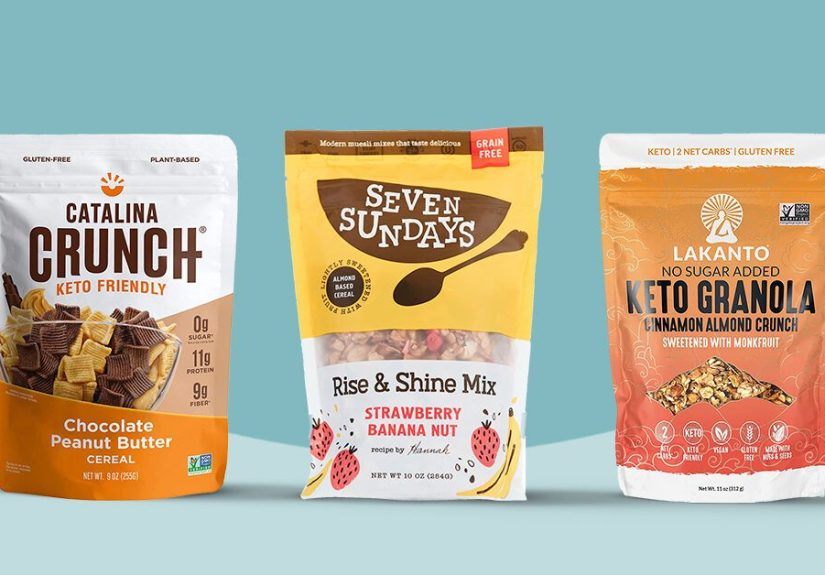
Best High-Fiber, High-Protein Pick: Catalina Crunch
Catalina Crunch is popular among people who want a cereal that doubles as “breakfast plus staying power.” Many versions lean heavily into fiber and protein, which can help with fullness. Some dietitian-driven coverage highlights strong fiber and protein numbers in certain flavors, which is exactly what low-carb cereal needs to avoid being “crunchy air.”
Why it earns the spot: satisfying crunch, strong fiber/protein profile, and options that fit vegan preferences.
Watch for: added fibers and sugar alcohols if you have a sensitive stomachstart with smaller portions.
Best for “Not Keto, But Still Low Sugar”: Three Wishes (Unsweetened/Lower-Sugar Options)
Three Wishes often lands in the “cleaner ingredient” lanegrain-free, lower sugar in certain varieties, and generally friendly for people who aren’t doing ultra-low net carbs but still want a better bowl than classic sugary cereal. It can be a smart choice if your goal is simply reducing sugar while keeping breakfast convenient.
Why it earns the spot: approachable ingredients and a less “supplementy” taste profile.
Watch for: carb count if you’re strictly ketosome options may be too high depending on your target.
Best “Keto Crunch” for Snackers: HighKey Cereal
HighKey is a common pick for people who want a low-carb crunch they can snack onalmost like cereal and crackers had a keto-friendly baby. It’s often less about a big bowl with milk and more about an easy crunchy option that doesn’t blow up your carb budget.
Why it earns the spot: crunchy, snackable, and typically aligned with very low-carb patterns.
Watch for: portion creep. “Just a handful” can turn into “where did the bag go?”
Best Mainstream Grocery-Store Option: Post Wonderworks (varies by availability)
If you want something that’s easier to find in regular stores, Wonderworks has been positioned as a more mainstream entry into lower-sugar, higher-protein cereal. Depending on the product and flavor, it may not be as low carb as some specialty “keto cereals,” but it can be a practical compromise when you want convenience and familiarity.
Why it earns the spot: accessibility, recognizable cereal format, and a bridge between classic cereal and low-carb specialty brands.
Watch for: compare sugars and total carbs across flavorssome can be meaningfully different.
Best “Breakfast That’s Basically a Protein Supplement”: Protein Puffs / Protein-Forward Cereals
Some low-carb “cereals” are really protein puffs in disguise (often based on whey or other isolates). These can be ultra low-carb and very high in protein, but the eating experience can feel more like a fitness snack than a cozy breakfast. If your top priority is macros, this category can be a win.
Why it earns the spot: macro efficiency (high protein, often very low sugar).
Watch for: texture. If you’re chasing “cereal joy,” you may want a more classic low-carb cereal instead.
Best Low Carb Granola-Style Option: Keto Granolas (read labels carefully)
Granola can be a low-carb trap because traditional versions are heavy on oats, honey, and dried fruit. Keto granolas flip the formula: more nuts and seeds, less sugar, and often added fiber. They’re great over Greek yogurt or as a toppingjust remember they can be calorie-dense even when carbs are low.
Why it earns the spot: incredible texture and “real food” satisfaction, especially for yogurt bowls.
Watch for: calories and portion sizegranola is naturally easy to overdo.
Smart Ways to Make Any Low Carb Cereal Taste Better
Low-carb cereal is like a movie remake: sometimes it’s amazing, sometimes it’s confusing, and sometimes you just need better supporting characters. Try these upgrades.
Choose a better “milk base”
- Unsweetened almond milk: usually very low carb and lets the cereal flavor shine.
- Fairlife-style higher-protein milk (if you use dairy): can boost protein while keeping carbs moderate.
- Greek yogurt bowl: turns cereal into a toppingmore protein, more satiety, often fewer “I need a second bowl” moments.
Add flavor without adding a sugar bomb
- Sprinkle cinnamon or pumpkin pie spice.
- Add a few berries (portion-controlled) for brightness.
- Mix half-and-half: combine a keto cereal with a higher-fiber, lower-sugar grain cereal to balance taste, texture, and cost.
Common Pitfalls (So You Don’t Buy a Box of Regret)
Pitfall #1: “Net carbs” doing gymnastics
Because net carbs aren’t regulated, brands may subtract fibers and sugar alcohols in ways that make a product look more keto-friendly. If you notice a cereal with surprisingly high total carbs but very low “net carbs,” check the fiber source and sweeteners and see how your body responds.
Pitfall #2: Sugar alcohol overload
Sugar alcohols can be helpful for keeping sugar low, but they can also cause GI discomfort for some peopleespecially in larger amounts. If you’re new to them, start with a smaller serving and see how you feel before declaring it your “every day” cereal.
Pitfall #3: Thinking “low carb” automatically means “healthy”
A cereal can be low carb and still be highly processed. If overall health is your goal, prioritize cereals with a reasonable ingredient list, meaningful protein/fiber, and minimal added sugarsthen round out breakfast with real foods (berries, nuts, eggs, yogurt, etc.).
FAQ: Low Carb Cereals
Are low carb cereals good for people with diabetes?
They can be helpful if they reduce added sugars and provide fiber and protein, which may support steadier blood glucose. But every person responds differently, and “low carb” labels can be misleading. If you have diabetes, your best move is to use the Nutrition Facts label, monitor your response, and follow your clinician’s guidance.
What’s a good rule of thumb for picking a better cereal?
Look for a cereal that’s low in added sugars and provides meaningful fiber and/or protein per serving. Also pay attention to whether you’ll realistically eat the listed serving size. A “great” label becomes less great if you pour triple.
Why do some low carb cereals have so much fiber?
Fiber helps lower the digestible carb impact and can improve fullness. Many low-carb cereals use added fibers (like chicory root) to reduce net carbs. If you’re sensitive to added fibers, introduce them gradually.
How to Build a Low Carb Cereal Routine That Actually Sticks
The easiest low-carb breakfast is the one you’ll keep eating. If cereal is your comfort food, you don’t need perfectionyou need a system:
- Pick two cereals: one “treat bowl” (tastes amazing) and one “daily driver” (cost-effective, higher fiber).
- Pre-portion servings: use small containers so you don’t free-pour your way into mystery macros.
- Add protein: pair cereal with yogurt, eggs, or a protein-rich milk so it keeps you full.
- Rotate flavors: boredom is the #1 cereal killervariety helps adherence.
Experiences: What Low Carb Cereal Is Like in Real Life (The Good, the Weird, and the Crunchy)
Since I can’t claim personal tastebuds, here’s a realistic, on-the-ground summary of what people commonly experience when they swap regular cereal for low-carb cerealbased on widely reported patterns from dietitian advice, consumer reviews, and the way these products are formulated.
First, the taste adjustment is real. If you grew up on classic cereal, your brain may expect a sugar hit that low-carb versions intentionally avoid. Many people say the first bowl tastes “different,” not necessarily “bad,” but like your tongue is waiting for a sweetness level that never arrives. The funny part is what happens next: after a week or two of eating less added sugar, a lot of people report that regular cereal starts to taste shockingly sweetlike someone spilled frosting into the box. That shift can make low-carb cereal feel more satisfying over time, because your palate recalibrates.
Second, there’s the texture debate. Some low-carb cereals are legitimately crunchy in a great way; others are crunchy in a “this could survive the apocalypse” way. Protein-forward cereals and puffs sometimes feel lighter and more airy, while fiber-heavy options can feel denser. People who love cereal as a snack often prefer the dense crunch because it feels more filling by the handful. People who eat it with milk sometimes prefer a cereal that softens slightly, so it feels more like the classic bowl experience.
Third, the fullness factor is usually the biggest win. Traditional cereal can spike hunger later because it’s often high in refined carbs and low in protein. With low-carb cerealespecially those high in protein and fibermany people notice they stay full longer, which reduces the urge to grab a mid-morning pastry “just to survive.” A common strategy is pairing cereal with Greek yogurt or a higher-protein milk so breakfast feels complete instead of like a crunchy appetizer.
Fourth, let’s talk about the sugar alcohol / added fiber learning curve. A lot of low-carb cereals rely on sugar alcohols or large amounts of added fiber to keep net carbs low. Many people do totally fineespecially with moderate portions. But others notice bloating, gas, or stomach discomfort if they jump into a huge bowl on day one. The most common “I wish someone told me” experience is: start small. Half a serving for a few days can be the difference between “new favorite breakfast” and “why is my stomach writing angry emails?”
Fifth, there’s the price reality check. People who love low-carb cereals often treat them like a specialty item, not an unlimited pantry staple. A frequent approach is using a premium cereal (like a more indulgent-tasting one) for a few days a week, then rotating in a more budget-friendly option or using it as a topping on yogurt. Mixing cerealshalf low-carb, half higher-fiber, lower-sugar “regular” cerealalso shows up a lot because it improves texture, variety, and cost without sending carbs into orbit.
Finally, the most consistent experience is this: the “best” low carb cereal is the one you’ll happily eat repeatedly. Some people want maximum macro efficiency (very low net carbs, very high protein). Others want a cereal that tastes like childhood, even if it costs more. Others want a gentler ingredient list with moderate carbs but low sugar. Once you pick your goal, shopping becomes easierand breakfast stops feeling like a daily negotiation with a cereal box.