Table of Contents >> Show >> Hide
- What Is a Last Frost Date?
- Why The Old Farmer’s Almanac’s 2025 Frost Dates Matter
- General 2025 Last Frost Date Patterns Across the U.S.
- How to Read a Frost Date Map Without Panicking
- Last Frost Dates vs. USDA Hardiness Zones
- Which Plants Can Go Out Before the Last Frost?
- How to Protect Plants From a Late Frost
- How Frost Dates Affect Seed Starting
- Regional Examples for 2025 Garden Planning
- Common Mistakes Gardeners Make With Last Frost Dates
- Practical Planting Strategy for 2025 Frost Dates
- Personal Gardening Experiences With Last Frost Dates
- Conclusion
Every spring, gardeners across the United States ask the same dramatic question: “Can I plant my tomatoes yet, or am I about to create an expensive salad for the frost?” That is where The Old Farmer’s Almanac’s last frost dates of 2025 become surprisingly useful. These dates help gardeners estimate when the final spring freeze is likely to pass, giving them a safer window for planting flowers, vegetables, herbs, and fruiting crops.
Of course, a last frost date is not a magical garden contract signed by Mother Nature. It is an informed estimate based on historical weather patterns, local climate data, and regional freeze trends. In 2025, The Old Farmer’s Almanac’s frost map showed a familiar pattern: warm southern and coastal regions moved into planting season early, while northern states, mountain areas, and high-elevation regions had to wait longersometimes well into June.
If you are planning a vegetable garden, building raised beds, starting seeds indoors, or simply trying not to murder a tray of basil, understanding your area’s average last frost date can make the difference between a thriving garden and a very sad pile of limp leaves.
What Is a Last Frost Date?
A last frost date is the estimated final date in spring when temperatures are likely to fall low enough to damage sensitive plants. Most gardeners use it as a guide for when to move seedlings outdoors, direct-sow warm-season crops, and remove winter protection from beds.
In general gardening language, frost risk becomes important around 32°F. A light frost may only nip tender leaves, while a hard freeze can kill many annual plants outright. Tomatoes, peppers, cucumbers, melons, squash, basil, impatiens, and many tender annual flowers are especially vulnerable. Kale, spinach, peas, cabbage, broccoli, parsley, and many root crops are much tougher. They are the garden equivalent of people who wear shorts in March and insist they are “fine.”
The key thing to remember is that frost dates are averages or forecasts, not guarantees. A city may have an average last frost date of April 20, but one year could bring a surprise freeze on May 2. Another year, spring may arrive early and stay warm. That is why smart gardeners combine frost dates with daily forecasts, soil temperature, and common sense.
Why The Old Farmer’s Almanac’s 2025 Frost Dates Matter
The Old Farmer’s Almanac has long been a go-to resource for gardeners who want seasonal guidance without needing a meteorology degree. Its frost date tools and maps help users estimate the last spring freeze and first fall frost by location. For 2025, its frost date map highlighted when different parts of the United States could expect their last spring freeze.
The map was especially useful because it turned complex climate information into a simple visual guide. Instead of asking gardeners to decode tables of weather station data, it grouped regions into date ranges. That made it easier to decide whether to start planting, wait a little longer, or keep the row covers handy like a responsible plant parent.
General 2025 Last Frost Date Patterns Across the U.S.
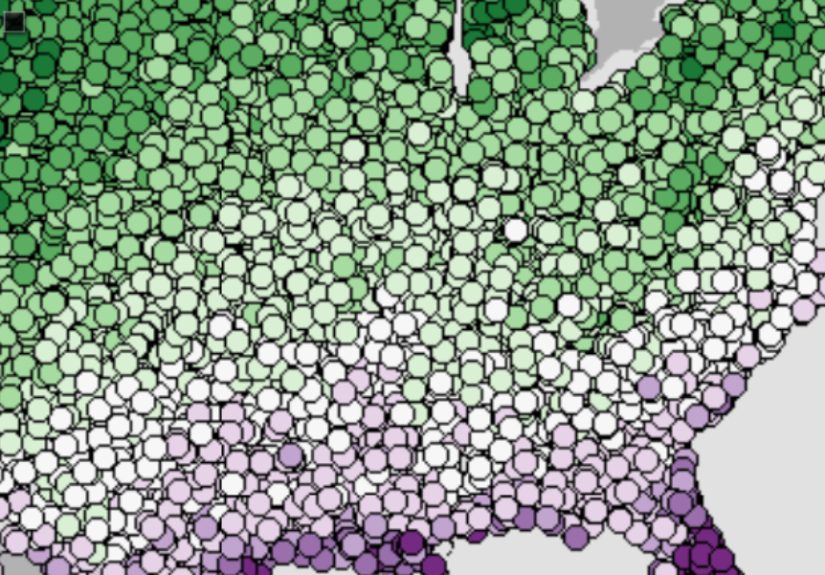
The 2025 frost map showed a wide range of expected last frost dates across the country. Warmer areas in the South, Gulf Coast, Southern California, and parts of the desert Southwest generally saw their frost risk pass much earlier. Some of these regions were effectively past their last freeze by January, February, or early March.
Mid-South areas, including parts of Texas, Arkansas, Tennessee, North Carolina, and nearby regions, generally moved beyond major frost risk in late March or early April. Much of the Midwest, including parts of Iowa, Indiana, Ohio, Missouri, and Illinois, landed in the April range. Northern states, New England, the northern Plains, and mountain regions had later windows, often in May.
The latest frost risks appeared in colder and higher-elevation areas, especially parts of the Rocky Mountains, northern regions, and elevated pockets of Idaho, Colorado, New Mexico, Montana, Oregon, and Nevada. Some of these locations had expected frost risks extending into early or even late June. For gardeners in those areas, spring planting requires patience, protection, and probably a strong relationship with the local weather app.
How to Read a Frost Date Map Without Panicking
A frost map is not telling you the exact date your garden will be safe forever. It is showing a likely range. That range is based on patterns, nearby weather stations, and historical freeze behavior. If your area is marked for April 16 to April 30, for example, it means the last freeze typically happens around that periodnot that your tomatoes should be shoved outside at sunrise on April 16 with no supervision.
Use Your ZIP Code First
The best way to use The Old Farmer’s Almanac frost date tool is to search by ZIP code. Regional maps are helpful, but they cannot capture every local condition. A ZIP-code lookup gives a more specific estimate based on the nearest relevant weather station and your local growing season.
Check Your Microclimate
Your garden may not behave exactly like the official weather station. Low spots collect cold air. Open yards freeze faster than sheltered patios. Raised beds warm earlier than heavy clay ground. A garden beside brick, stone, pavement, or a south-facing wall may stay warmer. A windy hilltop can dry and chill plants faster. Microclimates are why your neighbor’s basil may survive while yours looks like it saw a ghost.
Watch the 10-Day Forecast
Never rely on the frost date alone. Before planting tender crops, check the short-term weather forecast. If nighttime lows are hovering near freezing, wait. If temperatures are consistently above 50°F at night and the soil has warmed, warm-season crops will have a much better start.
Last Frost Dates vs. USDA Hardiness Zones
Many gardeners confuse last frost dates with USDA Plant Hardiness Zones, but they are not the same thing.
USDA zones are based on the average annual extreme minimum winter temperature. They help you choose perennials, shrubs, trees, and other plants that can survive winter in your region. Frost dates, on the other hand, help you decide when it is safe to plant in spring and how long your growing season may last.
For example, two towns may share the same USDA zone but have slightly different spring frost dates because of elevation, proximity to water, wind exposure, or local topography. Think of your hardiness zone as your plant survival profile, and your frost date as your spring planting traffic light.
Which Plants Can Go Out Before the Last Frost?
Not every plant needs to wait until frost danger has fully passed. Cool-season crops can often be planted before the last frost date, especially if the soil can be worked and the plants are hardened off properly.
Cool-Season Vegetables
Vegetables such as lettuce, spinach, peas, radishes, kale, cabbage, broccoli, cauliflower, onions, carrots, and Swiss chard can tolerate cooler conditions. Many of these crops actually perform better in mild spring weather than in summer heat. Some can be direct-seeded when soil temperatures are around 40°F to 50°F.
These plants are perfect for gardeners who are impatient in March and April. Instead of risking tender tomatoes too early, you can start with greens, peas, and root crops. It scratches the gardening itch without turning your backyard into a frost casualty report.
Warm-Season Vegetables
Warm-season crops should usually wait until after the final frost risk has passed and the soil has warmed. Tomatoes, peppers, eggplants, beans, cucumbers, squash, pumpkins, melons, corn, okra, and basil all prefer warmer air and soil. Planting them too early often slows growth, stresses seedlings, and increases the chance of frost damage.
A tomato planted too early may survive, but survival is not the same as success. Cold-stressed tomatoes often sit in the ground looking offended for weeks. A later planting in warmer soil can catch up quickly and produce healthier growth.
How to Protect Plants From a Late Frost
Even careful gardeners occasionally get surprised. A late frost can appear after a warm spell, especially in spring when weather systems change quickly. Luckily, there are several easy ways to protect plants.
Use Row Covers
Floating row covers are one of the most practical frost-protection tools. They trap a small amount of heat, reduce wind stress, and still allow light and moisture to reach plants. Depending on the fabric weight, row covers can provide several degrees of protection. They are especially useful for greens, brassicas, strawberries, herbs, and young transplants.
Cover Plants Overnight
Old sheets, frost blankets, lightweight towels, and garden fabric can protect plants during short cold snaps. The important trick is to cover plants before temperatures drop and remove covers the next morning once the air warms. Do not leave heavy wet blankets sitting on delicate seedlings all day unless your goal is plant origami.
Water Before a Frost
Moist soil holds heat better than dry soil. Watering earlier in the day before an expected frost can help the soil release warmth overnight. Avoid soaking leaves late in the evening, because wet foliage plus cold air can create problems for tender plants.
Use Cloches, Cold Frames, and Low Tunnels
For small gardens, plastic cloches, milk-jug covers, cold frames, and low tunnels can create warmer pockets around seedlings. These tools are especially useful in areas with late spring frosts or short growing seasons.
How Frost Dates Affect Seed Starting
Last frost dates are not only for outdoor planting. They are also the anchor point for indoor seed-starting schedules. Many seed packets say something like “start indoors 6 to 8 weeks before your last frost date.” That instruction only makes sense if you know your local frost date.
If your last frost date is April 15, tomato seeds might be started indoors in late February or early March. If your last frost date is May 25, starting tomatoes in January could leave you with giant, leggy plants taking over your windowsill like botanical roommates.
Use your frost date to count backward for indoor sowing and forward for transplanting. Then adjust for your setup. Seedlings grown under strong grow lights may be sturdier than seedlings stretched toward a dim window. Plants in small pots may need potting up before outdoor planting. And every transplant benefits from hardening offa gradual process of introducing seedlings to outdoor sun, wind, and temperature changes.
Regional Examples for 2025 Garden Planning
While every ZIP code is different, the 2025 frost pattern offered practical lessons for major regions.
Southern and Gulf Coast Gardeners
Gardeners in much of Florida, the Gulf Coast, southern Texas, and parts of Southern California often had early frost-free windows. In many places, spring planting could begin much earlier than in northern regions. However, early warmth comes with its own challenges: pests arrive sooner, cool-season crops bolt faster, and summer heat can punish tender plants by late spring.
Midwest and Mid-Atlantic Gardeners
Many Midwest and Mid-Atlantic gardens fall into the April frost-date zone. That means cool-season crops can begin early, but tomatoes, peppers, and cucumbers often need to wait until late April or May. Gardeners here should be especially careful during warm April spells, which can tempt people into planting too early.
Northern Plains, New England, and Great Lakes Gardeners
In colder northern regions, last frost dates commonly fall in May. Shorter growing seasons make planning more important. Starting seeds indoors, using row covers, warming soil with plastic mulch, and choosing faster-maturing varieties can all help gardeners make the most of the season.
Mountain and High-Elevation Gardeners
High-elevation areas are the wild cards of frost planning. A location in the Rockies may have warm daytime sunshine but cold nights well into June. Gardeners in these zones should pay close attention to elevation, slope, wind, and nighttime lows. Raised beds, low tunnels, and season-extension tools are not luxuries herethey are survival gear for seedlings.
Common Mistakes Gardeners Make With Last Frost Dates
The biggest mistake is treating a frost date like a finish line. Gardeners see “April 20” and assume April 21 is tropical paradise. Unfortunately, spring does not read calendars. A better approach is to wait until after the last frost window and confirm that the forecast looks stable.
Another common mistake is planting warm-season crops in cold soil. Even if frost has passed, cold soil can stunt growth. Tomatoes, peppers, beans, cucumbers, and melons prefer warmth below ground as well as above it. A cheap soil thermometer can be more useful than a dozen gardening guesses.
A third mistake is failing to harden off seedlings. Indoor-grown plants are pampered. They are used to steady temperatures, gentle light, and no wind. Moving them straight outdoors is like sending a house cat on a wilderness survival trip. Gradual exposure over 7 to 10 days helps seedlings adapt.
Practical Planting Strategy for 2025 Frost Dates
For a smart spring planting plan, divide your garden into three groups.
First, plant cool-season crops early. These include lettuce, spinach, peas, kale, radishes, onions, cabbage, and broccoli. They can handle chilly weather and help you start harvesting sooner.
Second, wait on tender crops. Tomatoes, peppers, eggplants, cucumbers, squash, melons, beans, and basil should go out after frost danger passes and the soil warms.
Third, keep protection nearby. Even after planting, store row covers, cloches, or old sheets somewhere accessible. The night you need them is never the night you feel like digging through the garage.
Personal Gardening Experiences With Last Frost Dates
Anyone who gardens for more than one season eventually learns that frost dates are both helpful and humbling. One spring, you follow the date perfectly and everything grows like a seed-catalog fantasy. The next spring, you trust one warm weekend in April and wake up to basil that looks like steamed spinach. The garden teaches patience, usually while laughing quietly behind the compost bin.
One of the most useful habits is keeping a simple garden journal. Write down your predicted last frost date, the actual last cold night, when you planted each crop, and what happened. After a few years, patterns appear. You may discover that your backyard is colder than the official estimate, or that one sunny raised bed warms two weeks earlier than the in-ground plot near the fence.
In many home gardens, the safest strategy is staggered planting. Instead of planting every tomato seedling at once, put out one or two after the frost window, then wait a week before planting the rest. If a late cold snap arrives, you have not risked the whole crop. This is especially helpful for gardeners who start too many seedlings indoors and then act surprised when 42 tomato plants need homes.
Another real-world lesson is that frost protection does not need to be fancy. Professional row covers are excellent, but old sheets, overturned buckets, cardboard boxes, and plastic jugs can save plants in a pinch. The important part is trapping warmth from the soil and blocking cold air from settling directly on leaves. Just remember to remove covers in the morning so plants do not overheat or lose sunlight.
Soil temperature is another lesson gardeners often learn the hard way. A pepper plant set out too early may not die, but it may refuse to grow for weeks. Meanwhile, a pepper planted later into warm soil can take off quickly. This is why experienced gardeners often say, “Do not rush the heat lovers.” The calendar may say spring, but tomatoes and peppers are waiting for summer’s handshake.
Last frost dates also help with emotional gardening management. They give excited gardeners something concrete to plan around. You can start seeds indoors, prepare beds, test irrigation, buy compost, clean tools, and plan crop rotations while waiting for the safe planting window. That way, when the frost risk finally drops, you are ready to plant instead of frantically looking for the trowel you definitely put “somewhere smart.”
The most satisfying experience comes when you use frost dates as a guide instead of a rule. You plant peas early because they like the cold. You wait on basil because it is dramatic. You cover lettuce during a surprise cold night. You transplant tomatoes when the soil is warm. Suddenly, the garden feels less like a gamble and more like a conversation with the season.
Conclusion
The Old Farmer’s Almanac’s last frost dates of 2025 gave gardeners a valuable starting point for spring planting. The map showed how dramatically frost timing varies across the United States, from early frost-free conditions in warm southern regions to June frost risks in mountain and northern areas. But the smartest gardeners know that a frost date is only one tool.
Use your ZIP-code frost date, check your microclimate, watch the forecast, test soil temperature, and choose crops based on their cold tolerance. Plant cool-season vegetables early, wait on tender warm-season crops, and keep frost protection nearby until spring settles in for real. In gardening, patience is not just a virtueit is often the difference between a healthy harvest and a tray of tragic tomatoes.
With a thoughtful plan, The Old Farmer’s Almanac’s frost dates can help you start the 2025 growing season with confidence, better timing, and fewer emergency bedsheet missions at 10 p.m.