Table of Contents >> Show >> Hide
- What Is Eyeball Tattooing?
- Who Is Body Art, the Man Behind the Viral Story?
- Why the Internet Called It “Total Stupidity”
- The Medical Risks Are Not Hypothetical
- Why Regular Tattoo Logic Does Not Apply to the Eye
- Social Media Makes Extreme Body Modification Look Easier Than It Is
- Body Autonomy Versus Public Health Warnings
- Safer Ways to Change Your Look Without Risking Your Vision
- What This Story Teaches About Viral Body Modification
- Experience-Based Reflections: What People Often Learn Too Late
- Conclusion: A Viral Look With a Very Real Warning
There are bold tattoos, there are “Mom, please don’t look at my neck” tattoos, and then there are eyeball tattoosthe kind of body modification that makes even seasoned tattoo lovers pause, blink twice, and quietly Google “Can eyes resign from a face?” The viral story of a heavily tattooed British man known as Body Art has pushed the topic back into the spotlight after he described having his eyeballs tattooed as part of a life spent chasing extreme ink.
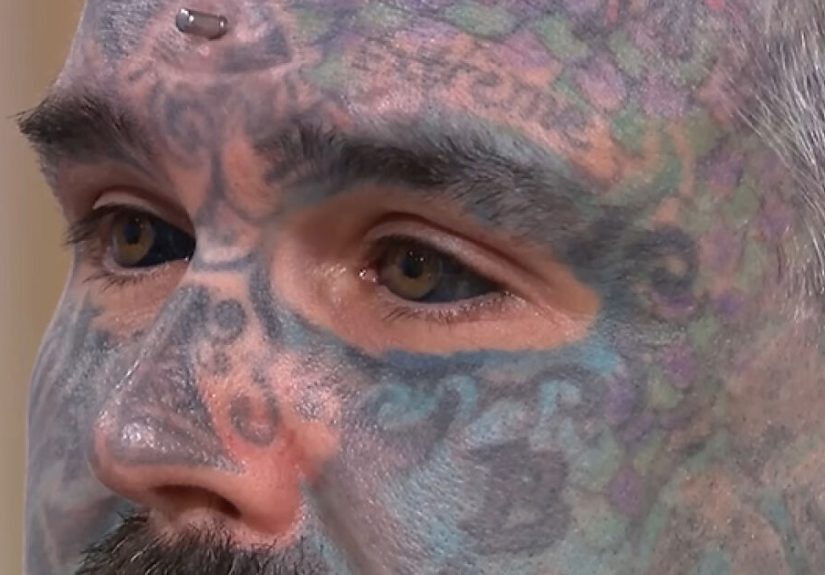
Originally named Mathew Whelan, Body Art reportedly spent more than $50,000 and around 1,600 hours covering nearly his entire body in tattoos. His transformation includes facial tattoos, body-covering ink, and, most controversially, blackened sclerathe white part of the eye. The headline practically writes itself: impressive commitment, terrifying medical risk, and enough internet debate to power a comment section for weeks.
But beneath the shock value is a serious question: what actually makes eyeball tattooing so dangerous? And why do eye doctors, health regulators, and even many body-modification professionals urge people not to do it?
What Is Eyeball Tattooing?
Eyeball tattooing, often called scleral tattooing, is an extreme cosmetic body-modification practice that changes the visible white part of the eye. Unlike a regular tattoo, it is not done on skin. That matters because skin and eyes are not exactly built from the same instruction manual. Skin is relatively thick, resilient, and designed to handle minor surface injuries. The eye is delicate, highly specialized, and deeply unforgiving when something goes wrong.
In broad terms, scleral tattooing involves placing pigment around the surface layers of the eye so the color spreads across the sclera. That description is intentionally general because this is not a procedure anyone should try to copy, research casually, or treat like a weekend DIY project. The eye is not a notebook, a sneaker, or the back of a school desk. It is a living optical system with tiny structures that can be permanently damaged by a small mistake.
Medical professionals warn that the risks include infection, inflammation, light sensitivity, vision loss, retinal injury, chronic irritation, and in the worst cases, loss of the eye. That is not internet drama. That is ophthalmology saying, “Please do not turn your eyeball into a mood board.”
Who Is Body Art, the Man Behind the Viral Story?
Body Art is known for pushing tattoo culture to an extreme level. His legal name, “King of Ink Land King Body Art The Extreme Ink-ite,” is already longer than some restaurant menus. In interviews, he has explained that tattoos became part of his identity early in life and eventually turned into a full-body commitment.
According to viral coverage of his story, he began wanting tattoos as a child and later got his first tattoo as a teenager. Over the years, he transformed himself into one of Britain’s most visibly tattooed people, covering almost every part of his body. His eyeball tattoos became one of the most attention-grabbing parts of that transformation because they cross a line many tattoo fans would never consider approaching.
Body Art has described the experience as not especially painful, but very dangerous. That distinction is important. Something does not have to hurt badly in the moment to create lasting harm. A person can walk away from a risky cosmetic choice feeling fine, only to face complications later. The internet often loves a fearless quote, but medicine tends to ask the less glamorous question: “What happens next?”
Why the Internet Called It “Total Stupidity”
Online reactions to Body Art’s eyeball tattoos ranged from fascination to disbelief. Some defended his right to self-expression. Others called the choice reckless, unnecessary, or, in the blunt language of comment sections, “total stupidity.” The phrase sounds harsh, but it captures a common reaction: people can understand tattoos as art while still struggling to understand risking eyesight for a look.
That tension is at the heart of the story. Tattoos are personal. They can honor family, mark survival, express identity, or simply look cool. But eyeball tattooing is not the same as choosing a sleeve, a chest piece, or a tiny moon behind the ear. It involves a body part that does not regenerate neatly when damaged. You can cover up a regrettable tattoo on your arm. You cannot cover up vision loss with a tasteful floral design and a good attitude.
The “total stupidity” response is less about judging tattoos in general and more about recognizing the enormous gap between aesthetic reward and medical risk. If regular tattoos are a calculated style choice, eyeball tattoos are closer to betting your eyesight on a permanent filter.
The Medical Risks Are Not Hypothetical
Eye doctors have been warning about scleral tattoos for years. The American Academy of Ophthalmology has cautioned that eyeball tattoos can cause decreased vision, blindness, infection, inflammation, retinal detachment, ongoing discomfort, light sensitivity, and even loss of the eye. That list is not a small-print warning like “may contain peanuts.” It is more like a flashing red sign that says, “Your eyeball is not the place for experimentation.”
Infection and Inflammation
Any time a foreign material enters the body, infection becomes a concern. With the eye, the stakes are higher because infections can move quickly and threaten vision. Tattoo inks can also cause allergic or inflammatory reactions. The FDA has reported infections and allergic reactions linked to tattoo inks, including cases where contaminated ink created serious problems even when hygiene seemed acceptable.
Now imagine those concerns near the eye. The body may react strongly to pigment, bacteria, or trauma. Inflammation inside or around the eye can affect vision, comfort, and long-term eye health. Unlike a skin tattoo that becomes itchy or raised, an inflamed eye can become a medical emergency.
Light Sensitivity and Chronic Irritation
Some reported complications include sensitivity to light and a persistent feeling that something is in the eye. Anyone who has had one eyelash stuck under an eyelid knows how distracting eye irritation can be. Now imagine that sensation lasting, returning, or becoming part of daily life because of a cosmetic choice.
That is one reason doctors are so firm in their warnings. Vision is not only about seeing letters on a chart. It is also about comfort, focus, depth perception, driving, reading, sports, screens, and the ability to move through life without feeling like your eye is sending angry emails to your brain.
Vision Loss and Retinal Damage
The most frightening risk is permanent vision loss. The eye contains delicate structures, and even a small injury can have serious consequences. Retinal detachment, pressure changes, infection, and deep tissue damage can all threaten sight. These are not simple “oops” problems. They may require urgent specialist care and can still leave lasting damage.
When ophthalmologists warn that scleral tattooing can lead to blindness, they are not being dramatic for clicks. They are describing the reality of what can happen when a cosmetic procedure interferes with one of the most sensitive organs in the body.
Why Regular Tattoo Logic Does Not Apply to the Eye
Many people compare eyeball tattoos to regular tattoos and think, “Well, tattoos have risks too.” That is true, but the comparison only goes so far. A regular tattoo is placed in skin. Skin is made to protect the body, heal from small injuries, and tolerate controlled tattooing when done by trained professionals under sanitary conditions.
The eye is different. It is transparent in places, pressure-sensitive, and filled with structures that must remain clear and properly aligned to function. A tiny disruption can affect vision. Also, the cosmetic result of an eyeball tattoo is not easily reversible. Laser tattoo removal exists for skin, though it can be expensive and imperfect. The eye does not offer the same convenient “undo” button.
That is why many health experts view scleral tattooing as a category apart from ordinary body art. It is not simply “a tattoo in a brave place.” It is a risky alteration of an organ that people depend on every waking minute.
Social Media Makes Extreme Body Modification Look Easier Than It Is
Part of the modern problem is that social media compresses risk into a few seconds of spectacle. A viral clip may show the final look, the shocked reactions, and the confident person saying they love the result. What it usually does not show is the medical consultation that should have happened, the long-term uncertainty, or the complications that may appear later.
Extreme body modification has always existed, but platforms have made it more visible and more tempting. A striking image can travel faster than a medical warning. A black-eyed selfie can get attention immediately. A paragraph from an ophthalmologist saying “this can permanently damage your sight” has to work much harder to compete.
The result is a strange internet math problem: one dramatic image plus one confident personality can outweigh ten careful medical warnings in the mind of someone chasing uniqueness. Unfortunately, biology does not care about likes, shares, or whether the comment section thinks you look like a video game boss.
Body Autonomy Versus Public Health Warnings
There is an important distinction between respecting personal choice and pretending every choice carries equal risk. Adults have the right to express themselves through tattoos, fashion, piercings, makeup, hair, and body art. A person with heavy tattoos should not automatically be mocked, dismissed, or treated as less professional. Appearance does not define character.
At the same time, informed consent requires honest information. If a procedure can cause blindness, people deserve to hear that clearly before they make a decision. Public health warnings are not anti-tattoo. They are pro-vision. They exist because the consequences of a mistake can be permanent.
In Body Art’s case, his story is complicated. He seems comfortable with his identity and proud of his transformation. But his comfort does not make the procedure safe for others. Someone surviving a risky choice does not turn that choice into good advice. A person can run across a busy road and arrive unharmed; that does not make it a pedestrian strategy.
Safer Ways to Change Your Look Without Risking Your Vision
For people drawn to dramatic eye aesthetics, there are safer alternatives. Professionally fitted colored contact lenses can temporarily change eye color when prescribed and used correctly. The key phrase is “professionally fitted.” Decorative contacts bought casually online or shared with friends can also harm the eyes, so even the safer option needs responsible use.
Makeup, face gems, special-effects cosmetics, photo styling, and digital filters can also create intense looks without permanently altering the eye. For performers, models, cosplayers, and artists, temporary styling often makes more sense than irreversible procedures. You can be bold without making your ophthalmologist whisper, “Why are we like this?”
People who love tattoos can still express themselves through highly creative body art while avoiding the eyeballs. A great tattoo artist has plenty of canvas available before anyone needs to involve the windows to the soul.
What This Story Teaches About Viral Body Modification
The viral story of Body Art is not just a strange celebrity-adjacent curiosity. It is a useful case study in how extreme choices become entertainment. We see the image first, then the personality, then the controversy. The medical facts arrive later, often after everyone has already picked a side.
Good web readers should reverse that order. Before reacting to a dramatic body modification, ask: What is the procedure? What are the risks? Who is warning against it? Is the result reversible? Are there safer alternatives? Is the person describing one successful experience while ignoring others who were harmed?
That approach does not kill the fun. It makes the conversation smarter. The internet can still gasp, joke, debate, and marvelbut it should also make room for the boring adult in the room who says, “Please keep your eyesight. It is useful for reading memes.”
Experience-Based Reflections: What People Often Learn Too Late
Stories like “Total Stupidity!”: Man Who Got His Eyeballs Tattooed Reveals Dangerous Process tend to divide people into two camps. One camp says, “His body, his choice.” The other says, “Absolutely not, my eyes are watering just thinking about it.” Both reactions are understandable, but real-life experience with body modification usually teaches a more practical lesson: the more permanent and medically risky a change is, the slower the decision should be.
People who collect tattoos often describe the process as meaningful, addictive in the casual sense, or deeply tied to identity. The first tattoo may be symbolic. The tenth may be part of a bigger aesthetic. By the fiftieth, the body can feel like a living gallery. That experience can be empowering. Many tattooed people report feeling more themselves after choosing designs that represent their stories, grief, humor, culture, or personal milestones.
But experienced tattoo collectors also know that not every idea deserves a permanent home. A design that feels hilarious at 19 may feel less brilliant at 29, especially if it involves a joke, a trend, or someone’s name written in a font that looked better on the studio wall. Most tattoo regrets can be managed with cover-ups, laser sessions, or simply better styling. Eyeball tattoo regret is in another universe. It is not a “wear long sleeves to Thanksgiving” problem. It may become a medical problem.
Another lesson from extreme body-modification communities is that confidence can be contagious. When someone speaks calmly about a risky procedure, it can make the risk feel smaller. Body Art reportedly described his eyeball tattooing experience in a way that sounded controlled and almost casual. That can be misleading for viewers. A person’s calm tone does not reduce the biological danger. Some people are calm during skydiving, surgery, or dental work. Calm is not the same as safe.
There is also the issue of delayed consequences. Many cosmetic risks do not show up immediately. A person may leave a procedure thrilled with the result and post photos while everything looks fine. Complications can develop later. Infection, inflammation, pressure problems, and vision changes may not follow the schedule of a viral news cycle. The internet moves on quickly; the body does not.
For anyone fascinated by extreme tattoos, the healthiest experience-based advice is to separate admiration from imitation. You can appreciate Body Art’s commitment without copying his most dangerous choices. You can respect his individuality while deciding that your own eyeballs will remain proudly un-tattooed, like tiny responsible employees who show up to work every day.
Parents, teachers, and health writers can also learn from this story. Scolding rarely works, especially when young people see extreme looks framed as rebellion, art, or authenticity. A better approach is honest risk literacy. Explain what the eye does, why damage can be permanent, what doctors have seen, and why safer forms of self-expression exist. People do not need fearmongering; they need clear information before a dramatic aesthetic becomes a lifelong consequence.
Finally, this story is a reminder that the most radical choice is not always the wisest one. In a world where everyone is trying to stand out, restraint can be underrated. Keeping your eyes healthy may not go viral, but it lets you see every sunrise, every movie, every message from someone you love, and every questionable haircut you once thought was a personality. That is a pretty good trade.
Conclusion: A Viral Look With a Very Real Warning
Body Art’s eyeball tattoos are undeniably attention-grabbing. They are also a reminder that not every form of self-expression carries the same risk. Scleral tattooing sits at the extreme end of body modification, where the price of a mistake can be permanent vision damage.
The phrase “total stupidity” may sound like classic internet bluntness, but the concern behind it is valid. Eyeball tattooing is not a normal tattoo in a bold location. It is a dangerous, irreversible cosmetic practice involving one of the body’s most delicate organs. For readers curious about dramatic aesthetics, the better path is simple: admire the story from a safe distance, choose reversible style options, and let your eyeballs continue their quiet, underappreciated job of helping you see the world.