Table of Contents >> Show >> Hide
- What Are Ketones, Exactly?
- What Does “Trace Ketones” Mean on a Urine Test?
- Common Causes of Trace Ketones in Urine
- When Trace Ketones Are Usually Not an Emergency
- When to Be Concerned About Ketones in Urine
- Symptoms That Could Point to DKA
- How Doctors Figure Out Whether a Trace Result Matters
- What to Do If You Have Trace Ketones in Your Urine
- Can You Prevent Trace Ketones?
- The Bottom Line
- Illustrative Experiences People Commonly Report
Seeing trace ketones in your urine on a lab report can feel a bit like finding a mysterious warning light on your dashboard. Is the engine on fire? Are you out of gas? Or did your body simply skip breakfast and start improvising? In many cases, trace ketones are not a crisis. They can show up when your body burns fat for energy instead of glucose, which can happen after fasting, illness, low-carb eating, dehydration, or even a rough morning with nausea.
But here’s the important plot twist: ketones can also be an early clue that something more serious is brewing, especially in people with diabetes. When ketone levels climb too high, they can be linked to diabetic ketoacidosis (DKA), a medical emergency that needs fast treatment. So while a trace result is not always a siren-blaring disaster, it is not something to shrug off without context either.
This guide breaks down what trace ketones mean, what causes them, when to relax, when to call a healthcare professional, and when to stop reading blogs and get medical care immediately.
What Are Ketones, Exactly?
Ketones are chemicals your liver makes when your body uses fat for fuel instead of its preferred energy source: glucose. Think of glucose as your body’s usual weekday meal plan and ketones as the emergency frozen pizza in the back of the freezer. The backup works, but it usually means your body had to switch strategies.
That switch can happen for plenty of reasons. Maybe you have not eaten enough carbohydrates. Maybe you are dehydrated. Maybe you are sick and not keeping food down. Maybe your cells cannot use glucose properly because there is not enough insulin available. In those situations, the body breaks down fat, ketones rise, and some of them spill into the urine.
What Does “Trace Ketones” Mean on a Urine Test?
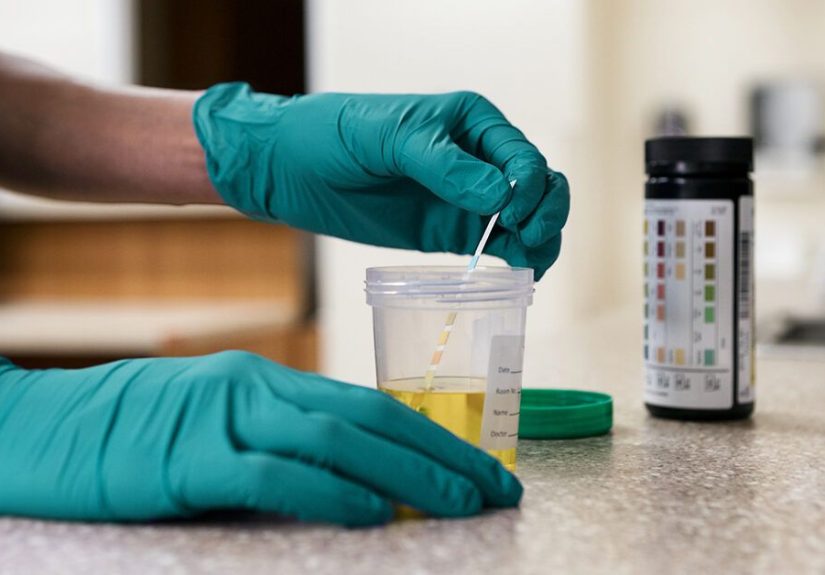
A urine ketone test looks for ketones that have passed from your blood into your urine. Results are usually reported in categories such as negative, trace, small, moderate, or large. Exact lab cutoffs can vary, which is why one tiny word on a lab report should always be read in context.
In plain English, trace ketones usually means there is a small amount present. That may happen temporarily and can be harmless, especially if you recently fasted, exercised hard, were mildly dehydrated, or followed a low-carb eating plan. Still, “trace” does not mean “ignore forever.” If the result is unexpected, keeps happening, or comes with symptoms, it deserves attention.
One helpful rule: negative is the usual goal. Trace can be a short-term blip. Moderate or large ketones are more concerning and should not be brushed aside, particularly if you have diabetes or you feel sick.
Common Causes of Trace Ketones in Urine
1. Fasting or not eating enough
If you skip meals, go a long time without eating, or are recovering from a stomach bug, your body may run low on easy glucose and start burning fat. That can lead to trace ketones. This is one of the most common non-emergency reasons for a mild positive urine ketone result.
2. Low-carb or ketogenic diets
People who cut carbohydrates sharply may produce ketones on purpose. In that setting, trace or small ketones are not unusual. The body is basically saying, “Fine, no toast? We’ll burn fat instead.” Even so, if you have diabetes, medication changes, or symptoms like nausea or vomiting, do not assume every ketone result is harmless just because you are eating low carb.
3. Dehydration
Not drinking enough fluids can make ketones more noticeable in urine. Dehydration often travels with vomiting, fever, diarrhea, intense exercise, or hot weather. Pregnancy can also make dehydration sneak up faster than expected.
4. Illness, fever, or vomiting
When you are sick, your body releases stress hormones and your appetite often disappears. That is the perfect recipe for ketones to show up. Even a common virus can push the body toward fat-burning if food intake drops or insulin needs rise.
5. Pregnancy
Trace ketones in urine during pregnancy may happen if you are not eating enough, are dehydrated, or have significant nausea and vomiting. In some cases, ketones during pregnancy can also be associated with gestational diabetes. A single trace result is not automatically alarming, but repeated ketones in pregnancy should be discussed with an OB-GYN or other healthcare professional.
6. Diabetes
This is the big one. If you have type 1 diabetes, and sometimes type 2 diabetes, ketones can appear when the body does not have enough insulin. Without enough insulin, glucose cannot move into cells effectively, so the body turns to fat for fuel and ketones build up. High ketones plus high blood sugar can be an early warning sign of DKA.
7. Certain medications and health conditions
Some diabetes medicines, especially SGLT2 inhibitors, are linked to ketoacidosis risk in certain situations. Other triggers can include alcohol-related ketoacidosis, severe illness, hyperthyroidism, or prolonged poor nutrition. This is one reason self-diagnosis using only a dipstick is not the world’s best hobby.
When Trace Ketones Are Usually Not an Emergency
Trace ketones are often less concerning when:
- You recently skipped a meal or were fasting for a test
- You are on a low-carb eating plan and otherwise feel fine
- You had a tough workout and have no concerning symptoms
- You had mild dehydration, then the ketones disappear after fluids and food
- You do not have diabetes and the result was isolated
In these situations, a trace result may simply reflect a temporary shift in metabolism. Eating balanced meals, drinking fluids, and repeating the test later may be enough. But if the result keeps returning, or if you have weight loss, excessive thirst, frequent urination, fatigue, or nausea, it is time to follow up.
When to Be Concerned About Ketones in Urine
You should take ketones more seriously if any of the following apply:
- You have diabetes, especially type 1 diabetes
- Your blood sugar is high, particularly above the threshold your diabetes team gave you
- You are sick, vomiting, or unable to keep fluids down
- Your ketones are moderate or large
- You have ketones plus symptoms such as nausea, belly pain, fruity-smelling breath, confusion, or deep rapid breathing
- You are pregnant and ketones are recurring or you are having trouble eating and drinking
Many diabetes sick-day plans recommend checking ketones when blood glucose is above about 240 to 250 mg/dL, or whenever you are ill. Some experts also advise urgent help if you have any ketones and vomiting. That combination can spiral quickly.
Symptoms That Could Point to DKA
Diabetic ketoacidosis is not the same as a casual trace ketone result after missing lunch. DKA is a dangerous condition that can develop quickly and requires medical treatment. Watch for these warning signs:
- Very high blood sugar
- Moderate or large ketones in urine or high blood ketones
- Excessive thirst and frequent urination
- Nausea or vomiting
- Stomach pain
- Dry mouth or signs of dehydration
- Fruity-smelling breath
- Fast, deep breathing
- Extreme fatigue, confusion, or trouble staying awake
If you have these symptoms, especially with diabetes, get urgent medical care. This is not a “let’s see how it looks tomorrow” situation.
How Doctors Figure Out Whether a Trace Result Matters
A healthcare professional will not judge the result based on one word alone. They usually consider:
- Your symptoms
- Whether you have diabetes or are at risk for it
- Your blood glucose level
- Whether you are sick, dehydrated, pregnant, or vomiting
- Whether the urine ketone result was a one-time finding or keeps happening
- Whether blood ketone testing or additional labs are needed
Urine testing is useful, but blood ketone testing can sometimes give a clearer picture of what is happening right now. That is especially true for people using insulin or following a diabetes sick-day plan.
What to Do If You Have Trace Ketones in Your Urine
If you do not have diabetes
If you feel fine and can connect the result to fasting, low-carb eating, or mild dehydration, start with the basics: eat a balanced meal, drink fluids, and monitor how you feel. If ketones continue showing up, or if you have symptoms such as unexplained weight loss, nausea, weakness, or increased thirst and urination, make an appointment for evaluation.
If you have diabetes
Follow your personal sick-day plan. In general, check your blood sugar, drink fluids, and monitor ketones more closely. Do not stop insulin unless your healthcare team specifically tells you to. Contact your diabetes team if ketones are rising, blood sugar is staying high, or you are vomiting or unable to keep fluids down.
If you are pregnant
Do not panic, but do not ignore repeat ketones either. Pregnancy changes metabolism, appetite, and hydration needs. Call your prenatal care team if ketones keep showing up, if you are vomiting, or if you are having trouble eating and drinking enough.
Can You Prevent Trace Ketones?
Often, yes. Helpful strategies include:
- Eat regular meals and avoid prolonged fasting unless your clinician advised it
- Stay well hydrated
- Have a clear sick-day plan if you have diabetes
- Check ketones when your blood sugar is high or when you are ill, if your care team recommends it
- Take diabetes medications exactly as directed
- Seek help early if vomiting, fever, or dehydration starts to build
The Bottom Line
Trace ketones in urine can be completely explainable and temporary. Sometimes they show up because you skipped breakfast, had a stomach bug, followed a low-carb eating plan, or got dehydrated. Other times, they are a clue that your body is under more stress than it can comfortably handle.
The biggest concern is the connection between ketones, diabetes, and DKA. If you have diabetes, high blood sugar, vomiting, or symptoms like belly pain, fruity breath, or rapid breathing, ketones deserve urgent attention. If you do not have diabetes and the result is mild and isolated, it may be nothing more than a metabolic detour. Still, if it keeps happening, or you feel unwell, get it checked. Your urine is trying to send a message. It may be subtle, but it is rarely random.
Illustrative Experiences People Commonly Report
The following are composite, real-life-style examples based on common situations clinicians see. They are meant to be relatable, not to replace medical advice.
Experience 1: The skipped-breakfast surprise. A college student has routine lab work done after rushing out the door with nothing but coffee. The urine test shows trace ketones. Panic begins immediately, followed by a dramatic internet search spiral. But after a normal evaluation and a repeat sample later in the day, the ketones are gone. What happened? Most likely, the body went a little too long without food and briefly switched to fat-burning mode. It felt scary on paper, but the explanation was simple.
Experience 2: The stomach bug ambush. Another person gets hit with vomiting and diarrhea for 24 hours. They cannot keep much down except a few sips of water. A urine dipstick shows ketones. In this case, the result makes sense: poor intake plus dehydration pushed the body toward fat metabolism. Once fluids, rest, and food return, the ketones improve. The key lesson is that illness can create ketones even without a major long-term disease behind the result.
Experience 3: The low-carb enthusiast. Someone starts a strict low-carb plan after seeing three motivational videos and one suspiciously cheerful grocery haul. A week later, trace ketones appear in the urine. They feel fine, have normal blood sugar, and no warning symptoms. Here, ketones may simply reflect the diet change. But the smart move is still context: if symptoms appear, if diabetes is part of the picture, or if the result climbs, it is time to check in with a healthcare professional rather than treating a dipstick like a life coach.
Experience 4: The diabetes sick-day wake-up call. A person with type 1 diabetes develops the flu. Blood sugar rises, appetite disappears, and ketones show up in urine. At first the result is small, but later it increases and nausea kicks in. This is exactly the kind of situation where ketones matter a lot. Sick days can change insulin needs quickly. Having a written plan, testing regularly, drinking fluids, and getting medical help early can make the difference between a manageable rough day and an emergency visit.
Experience 5: Pregnancy and morning nausea. A pregnant woman with significant morning sickness notices ketones on a urine test. She is not eating well, feels dry and wiped out, and is struggling to drink enough. In pregnancy, ketones can appear when the body is short on fuel or fluids, and they can also raise concern about gestational diabetes depending on the broader picture. Her care team focuses on hydration, nutrition, and follow-up. The takeaway is that pregnancy adds its own metabolic plot twists, so repeat ketones deserve a conversation, not a shrug.
These experiences all point to the same truth: ketones are not a diagnosis by themselves. They are a clue. Sometimes the clue says, “Please drink water and eat lunch.” Sometimes it says, “Your body is under stress.” And sometimes, especially with diabetes, it says, “Do not delayget help now.” Knowing the difference is what turns a confusing lab result into useful information.