Table of Contents >> Show >> Hide
- What counts as “cotton thread,” exactly?
- Quick cheat sheet: the “families” of cotton thread
- Type 1: Soft (unmercerized) cotton thread
- Type 2: Mercerized cotton thread
- Type 3: Gassed (singed) cotton thread
- Type 4: Glazed cotton thread (also called coated cotton)
- Type 5: Cotton thread by construction
- Type 6: Cotton thread by size
- Type 7: Cotton thread by craft and purpose
- How to choose the right cotton thread (without starting a thread hoard)
- Troubleshooting cotton thread: common issues and quick fixes
- FAQ: Types of cotton thread
- Experiences: what you’ll notice when you actually sew with different cotton threads (about )
- Conclusion
- SEO Tags
Cotton thread is the quiet overachiever of the sewing world. It doesn’t shimmer like rayon, it doesn’t flex like polyester, and it definitely doesn’t try to be the main character. Instead, it shows up, behaves itself, and holds your seams together like a dependable friend who also brings snacks.
But “cotton thread” isn’t one thing. There are different finishes (some shiny, some matte, some literally coated), different constructions (some are all cotton, some wear a cotton “jacket” over a stronger core), and different sizes (from whisper-thin to “yes, I meant for you to see this stitch from space”). This guide breaks down the major types of cotton threadand helps you pick the right one for quilting, garment sewing, embroidery, crochet, and everything in between.
What counts as “cotton thread,” exactly?
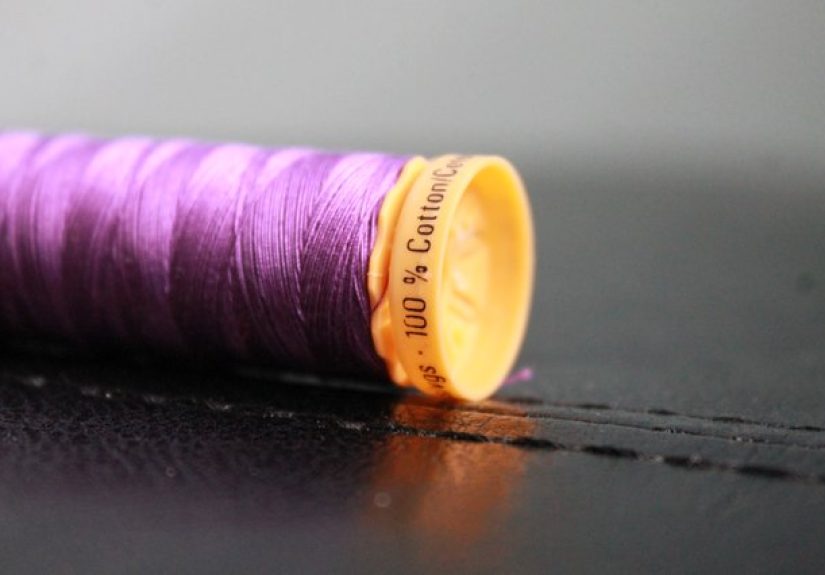
In the simplest sense, cotton thread is thread made from cotton fibers. Most sewing cotton threads are spun from staple (short) cotton fibers that are twisted into plies and then finished for strength, smoothness, and dye performance. Some threads are truly 100% cotton; others are cotton-wrapped (cotton on the outside, a different fiber in the center) to combine the look and feel of cotton with extra durability.
The “type” of cotton thread you’re buying usually shows up as a combination of:
- Finish (soft/unmercerized, mercerized, gassed/singed, glazed/coated)
- Construction (spun cotton, plied, cabled, cotton-wrapped core)
- Size (weight numbers like 30 wt, 40 wt, 50 wt; or “sizes” like pearl cotton size 5)
- Intended use (machine quilting, hand quilting, embroidery floss, crochet thread, sashiko)
Quick cheat sheet: the “families” of cotton thread
If you just want the elevator pitch (or the “I’m standing in the thread aisle and my brain is melting” version), here you go:
- Soft cotton: matte, less processed; great when you want stitches to disappear.
- Mercerized cotton: smoother, stronger, slightly shiny; a go-to for sewing and quilting.
- Gassed/singed cotton: fuzz is burned off; lower lint, smoother running (especially at speed).
- Glazed cotton: coated for slickness and strength; ideal for hand quilting (not a machine’s best friend).
- Embroidery floss: divisible strands (usually 6) for hand embroidery and cross stitch.
- Pearl/perle cotton: non-divisible, twisted, shiny; gorgeous texture for embroidery.
- Crochet cotton thread: sized for lace, doilies, fine crochet; often mercerized.
- Cotton-wrapped core: cotton outside, strong core inside; “cotton look, tougher attitude.”
Type 1: Soft (unmercerized) cotton thread
“Soft cotton” usually means the thread hasn’t been heavily finished. It tends to have a matte look and a slightly “cottony” handless slick, less shiny, more understated.
Best uses
- Hand appliqué where you want stitches to sink in and vanish
- Basting and temporary stitching (especially when you want easy removal)
- Heirloom or traditional projects where a soft, natural look matters
Trade-offs
Soft cotton can create more lint than slicker finishes, and it may not glide as effortlessly through high-speed machines. Think of it as the “farm-to-table” option: charming, natural, and occasionally a little… earthy.
Type 2: Mercerized cotton thread
Mercerized cotton is cotton thread that’s been treated to improve strength, smoothness, and luster. The result is a thread that typically runs cleaner, dyes brilliantly, and looks just a bit more polishedlike cotton that got dressed up for an event and actually ironed its outfit.
Why mercerized cotton is so popular
- Stronger and smoother: helpful for both piecing and quilting
- Better color performance: often richer, more even dye uptake
- Versatile: works for garments, quilting, home décor, and many craft seams
Where it shines most
Mercerized cotton is a favorite for quilting (piecing and many quilting styles), sewing woven cottons and linens, and projects where you want a thread that behaves well in both the needle and the bobbin. Many “all-purpose cotton” and “machine quilting cotton” threads fall into this mercerized family.
Where it’s not the best choice
If you’re sewing very stretchy knits, you’ll often want a thread with more give (commonly polyester). Cotton’s lower stretch can be a feature (crisp seams!) or a bug (popped stitches!) depending on the fabric and seam stress.
Type 3: Gassed (singed) cotton thread
“Gassed” or “singed” cotton thread has been passed through a controlled flame to burn off surface fuzz. That fuzz is a big reason cotton can shed lint, so removing it can mean smoother stitching and less lint.
Best uses
- High-speed sewing or longarm quilting where lint management matters
- Detailed quilting where smooth thread flow helps keep stitches consistent
- Clean-looking topstitching when you want definition without fuzz
What to look for on labels
Some brands call out “gassed,” “low lint,” or “extra smooth.” If you’re quilting and you’re tired of cleaning lint like it’s your second job, gassed cotton can feel like a small life upgrade.
Type 4: Glazed cotton thread (also called coated cotton)
Glazed cotton is cotton thread coated with a finish (often waxy or resin-like) that makes it smoother and stronger for certain handworkespecially hand quilting. It’s designed to glide through fabric without tangling, helping you get those crisp, even hand-quilting stitches that look like they had a personal trainer.
Best uses
- Hand quilting (running stitch, stab stitch, traditional quilting)
- Some specialty hand applications where slickness reduces friction
Important caution
Glazed/coated threads are generally not recommended for machine sewing because the coating can rub off and contribute to buildup in tension paths and contact points. If you love your sewing machine and want it to love you back, keep glazed thread primarily in the handwork lane.
Type 5: Cotton thread by construction
Two threads can both be “cotton” and still behave totally differently because of how they’re built. Here are the most common constructions you’ll see.
Spun, plied cotton (classic 100% cotton thread)
This is the standard: cotton fibers spun into yarn, then twisted into plies (often 2-ply or 3-ply), and finished. More plies can mean a rounder thread and better strength-to-thickness performance, but brands vary a lotso treat ply as a helpful clue, not a universal ranking system.
Cabled cotton
“Cabled” generally means multiple plied threads are twisted together again (a twist of twists). This can increase strength and produce a more defined, cord-like structure. You’ll see cabled effects in some specialty cotton threads meant to stand up to abrasion or to show off stitch definition.
Cotton-wrapped core thread (cotton outside, stronger core inside)
This hybrid construction is common in quilting and all-purpose sewing: the thread has a core (often polyester) wrapped in cotton. The outside looks and feels like cotton (matte-ish, blends nicely), while the core provides extra strength and a bit more resilience. It’s a popular compromise when you want a “cotton look” but need a tougher seam or higher-speed reliability.
Type 6: Cotton thread by size
Thread sizing is where perfectly reasonable adults start whispering things like, “Why is a bigger number thinner?” in the craft aisle. For many cotton sewing threads, the rule of thumb is:
Lower weight number = thicker thread.
Higher weight number = finer thread.
Common cotton thread weights (and what they’re good for)
| Size | Look & Feel | Typical Uses |
|---|---|---|
| 12 wt | Very bold, decorative | Big stitches, statement quilting, sashiko-style effects |
| 30 wt | Bold but more flexible | Machine quilting you want to see, heavier topstitching on stable fabric |
| 40 wt | Visible, nicely defined | General machine quilting, decorative seams, some piecing |
| 50 wt | Fine, blends well | Piecing, quilting that “melts in,” garment sewing on wovens |
| 60–80 wt | Very fine | Micro quilting, detail work, appliqué, bobbin thread when you want minimal bulk |
Pearl/perle cotton uses “sizes,” not “weights”
Pearl (perle) cotton is often labeled with sizes like 3, 5, 8, 12. In that system, lower numbers are thicker and higher numbers are thinner. It’s a different numbering tradition, but it has the same plot twist: bigger number, skinnier thread.
Type 7: Cotton thread by craft and purpose
Machine quilting cotton thread
Machine quilting cotton is usually mercerized and often optimized for smooth running and stitch consistency. You’ll commonly see 40 wt for visible quilting and 50 wt for piecing and subtle quilting. If your quilt has dense quilting, a finer thread can reduce stiffness and bulkhandy if you want “snuggly quilt,” not “decorative cardboard.”
Hand quilting cotton thread
Hand quilting thread is frequently glazed to reduce friction and tangling as it passes through multiple fabric layers. It’s made to behave during repeated pullsbecause hand quilting is basically “polite fabric wrestling” for hours at a time.
Embroidery floss (stranded cotton)
Stranded cotton embroidery floss is typically made of multiple separable strands (commonly six). You can use 1–2 strands for delicate work, 3–4 for medium coverage, and all strands for bold, textured stitches. This is the thread of cross stitch, friendship bracelets, and “I will stitch this tiny flower and it will take me 47 minutes and I will love it.”
Pearl/perle cotton
Pearl cotton is a non-divisible thread with a noticeable twist and sheen, designed to be used as-is. It’s a favorite for decorative hand embroidery, needlepoint accents, textured outlines, and any stitch where you want the thread to look intentionally “rope-y” in the best possible way.
Crochet cotton thread
Crochet thread is cotton thread sized and twisted for fine crochetdoilies, lace edging, delicate motifs, heirloom-style décor. It’s often mercerized for sheen and strength, and it’s typically labeled by size numbers (like size 10, size 20, size 30), where higher numbers are finer.
Specialty cotton threads: sashiko and buttonhole/glazed utility
Sashiko thread is a thick, strongly twisted cotton thread used for Japanese-style running-stitch embroidery. It’s designed to show bold, even stitches. Meanwhile, some glazed cotton threads show up in specialty utility contexts (like certain button or handwork applications), where abrasion resistance and slickness help.
How to choose the right cotton thread (without starting a thread hoard)
Here’s a practical way to pick a cotton thread type based on what you’re doing:
1) Start with the project goal: invisible or visible?
- Invisible seams/piecing: 50 wt mercerized cotton (or fine cotton) is a reliable starting point.
- Visible quilting/topstitching: 40 wt for balanced visibility; 30 wt or 12 wt for bold, graphic stitches.
2) Consider the fabric and stress level
- Stable wovens (cotton, linen): cotton thread is a natural match.
- High-stress seams (bags, tight garments, heavy wear): consider cotton-wrapped core for extra strength while keeping a cotton look.
- Stretchy knits: cotton may pop stitches; polyester is often a better match for stretch recovery.
3) Choose a finish based on behavior
- Want smooth running and good color? Mercerized cotton.
- Want less fuzz at speed? Gassed/singed cotton.
- Hand quilting and want less tangling? Glazed cotton.
- Want a matte thread that blends? Soft/unmercerized cotton.
4) Match needle and thread size
Thick thread in a tiny needle is a recipe for shredding, skipped stitches, and dramatic sighing. If you go heavier (like 30 wt or 12 wt), move up in needle size and consider a topstitch needle. For finer threads, a smaller needle can keep holes neat. When in doubt, test on scraps and let the fabric tell you what it likes.
Troubleshooting cotton thread: common issues and quick fixes
Problem: lint everywhere
Cotton can shed lintespecially lower-quality or fuzzier threads. Try a higher-quality mercerized or gassed cotton, clean your bobbin area more often, and avoid mixing a very linty top thread with a fussy machine setup.
Problem: thread breaks or shreds
- Check needle condition (a slightly burred needle can act like a tiny saw).
- Confirm thread path and tension (rethread with presser foot up).
- Match needle size to thread (heavier thread needs a bigger “doorway”).
Problem: stitches look uneven
Uneven stitches often come from tension mismatch, needle choice, or a thread that’s too thick/thin for the setting. Try the same weight thread in both top and bobbin as a baseline, then adjust from there.
Problem: waxy buildup or weird tension behavior
If you used a coated/glazed thread in a machine, you may see residue or lint buildup over time. Switch to a mercerized/gassed cotton for the machine and reserve glazed threads for handwork.
FAQ: Types of cotton thread
Is 100% cotton thread always best for cotton fabric?
It’s often an excellent match for cotton wovens, especially quilting and garments, but “best” depends on stress and stretch. For high-stress seams, a cotton-wrapped core can be a smart middle ground.
What’s the difference between quilting thread and all-purpose cotton thread?
Quilting cotton threads are commonly optimized for smooth, consistent stitching and may emphasize low lint and strength. All-purpose cotton can work too, but quilting threads are often more consistent for dense quilting and long runs.
Why does cotton thread look matte compared to polyester?
Cotton fibers scatter light differently and many cotton threads are finished to avoid a glossy look. That matte finish is why cotton can “blend” into quilting fabric so nicely.
Can I use embroidery floss in a sewing machine?
Usually not recommended. Floss is designed for handwork and doesn’t behave like a balanced machine thread. If you want bold decorative stitching by machine, use a heavier cotton thread meant for machine use.
Do I have to match bobbin thread to top thread?
Not always, but it’s a great starting point for balanced tension. Many quilters use finer thread in the bobbin to reduce bulk while keeping the desired look on top.
Experiences: what you’ll notice when you actually sew with different cotton threads (about )
Reading labels is helpful, but cotton thread becomes “real” the moment you start stitching. One of the first things you’ll notice is how finish changes the feel. A mercerized cotton thread tends to feed smoothly, almost like it’s politely cooperating with your machine. Switch to a softer, less-finished cotton and you may feel a little more dragespecially when you’re sewing long seams at speed. It’s not necessarily bad; it’s just different. Soft cotton can melt into fabric visually, which is wonderful for invisible appliqué and subtle piecing, but it may demand a touch more patience from your tension settings.
Quilting is where cotton thread personalities really show up. If you piece with 50 wt cotton, seams often feel flatter and crisper because the thread is fine enough to avoid adding bulk. Then you quilt with 40 wt cotton and suddenly the quilting lines look more intentionallike you upgraded from “background music” to “lead guitar.” If you go even heavier (30 wt or 12 wt), the stitches become a design element. The first time you quilt with a bold cotton thread, you may catch yourself tilting the quilt under the light like, “Yes. Look at that stitch. That stitch is thriving.”
Then there’s lint. Cotton can shed, and the amount varies by quality and finishing. In real life, this means your machine might look perfectly clean… until you quilt an entire throw and open the bobbin case to find what appears to be a tiny craft store dust bunny setting up a long-term lease. The practical experience here is simple: plan for cleaning. If you’re quilting a lot, a gassed/singed cotton can reduce the fuzz factor, and higher-quality cotton threads tend to be more consistent. Your machine will thank you by staying quieter and less dramatic.
Handwork is its own universe. When you try glazed hand quilting thread, you’ll notice how it slides through layers with less tangling, especially in repetitive stitches. It feels “slick” in a good waylike it’s designed for thousands of pulls. But if you accidentally use that same glazed thread in a machine, you may discover the not-fun version of slick: inconsistent tension, residue risk, and more cleanup than you planned for. In practice, it’s best to keep glazed thread in your hand-sewing kit and mercerized/gassed cotton in your machine thread rack.
Embroidery threads have a different kind of magic. With six-strand floss, you’ll feel how the project changes when you separate strands: one strand can look delicate and airy, while three strands can fill space quickly and add richness. With pearl/perle cotton, you’ll notice the twist immediatelystitches look more textured and dimensional, and the thread itself becomes part of the design. And if you dabble in crochet thread, the “size” system will start to make sense the moment you compare a size 10 to a size 20: one feels like sturdy lace cord, the other like a finer line for airy motifs.
The biggest real-world lesson? Don’t aim for the “best” cotton thread in generalaim for the best cotton thread for your exact stitch, fabric, and goal. Keep a few reliable types on hand (a 50 wt for piecing, a 40 wt for quilting, a glazed thread for hand quilting, floss or perle for embroidery), test on scraps, and treat thread like an ingredient. The right one doesn’t just hold things togetherit makes the whole project look intentional.
Conclusion
Cotton thread isn’t a single choiceit’s a toolkit. Once you understand the major types (soft, mercerized, gassed, glazed, and the craft-specific formats like floss, perle, and crochet thread), the thread aisle stops feeling like a pop quiz and starts feeling like options.
If you want a simple starter strategy: keep 50 wt mercerized cotton for piecing and general woven sewing, add a 40 wt cotton for quilting you want to show, use glazed cotton for hand quilting, and pick floss/perle based on the texture you want in embroidery. Then test, tweak, and let your stitches tell you the truth.