Table of Contents >> Show >> Hide
- Why This Vegetarian Greek Wrap Works So Well
- Vegetarian Greek Vegetable and Feta Wrap Recipe
- Flavor Tips That Make This Greek Wrap Better
- Easy Variations for Different Cravings
- What to Serve with a Greek Vegetable Wrap
- Meal Prep and Storage Tips
- Common Mistakes to Avoid
- Conclusion
- Experiences Related to the Topic: Vegetarian Greek Vegetable and Feta Wrap Recipe
If your lunch routine has become a tragic loop of sad crackers, random cheese, and “maybe this granola bar counts as a meal,” this wrap is here to stage an intervention. A Vegetarian Greek Vegetable and Feta Wrap is the kind of lunch that tastes bright, crisp, creamy, and satisfying without demanding a culinary meltdown in the kitchen. It borrows the best parts of a Greek-style salad and tucks them into a soft wrap, which is really just good planning wearing a tortilla.
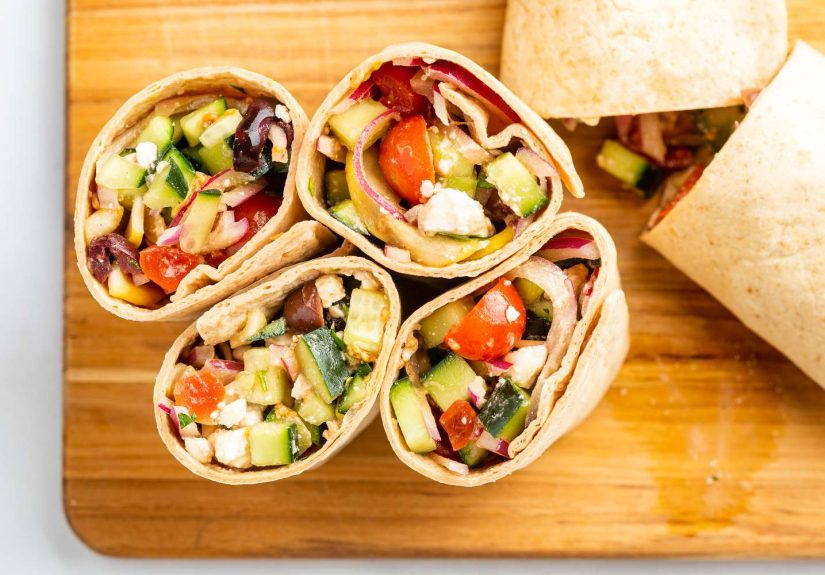
This recipe is built for real life: quick enough for weekdays, pretty enough for brunch, and flexible enough for the picky eater, the meal prepper, and the person who bought cucumber with noble intentions three days ago. The filling is a fresh combination of cucumber, tomatoes, red onion, greens, olives, feta, and a creamy spread that ties everything together. The result is a Greek vegetable wrap recipe that feels light but still has enough substance to keep you from raiding the snack drawer 37 minutes later.
Below, you will find the full recipe, smart ingredient tips, easy variations, meal-prep advice, and a longer section on the real-world experience of making and eating this wrap. In other words, this is not just a recipe. It is a lunch rescue mission.
Why This Vegetarian Greek Wrap Works So Well
The magic of this Mediterranean veggie wrap is balance. Greek-inspired flavors are naturally bold, so you do not need complicated sauces or a mile-long ingredient list to make the wrap interesting. The cucumber brings crunch, the tomato adds juiciness, the red onion adds bite, olives bring briny depth, and feta delivers creamy saltiness with enough personality to keep the whole thing from tasting flat.
A good wrap also needs texture management, because nobody dreams of biting into a tortilla that collapses into a soggy paper towel situation. This version keeps the wet ingredients controlled, uses a creamy layer as both flavor and moisture barrier, and gives you assembly tips that make the wrap easier to hold, eat, and pack.
It also fits beautifully into modern meal habits. You can serve it as a quick lunch, a no-fuss dinner, a picnic meal, or a meal-prep option for busy weekdays. And because it is vegetarian, it feels fresh and vegetable-forward without becoming a punishment disguised as wellness.
Vegetarian Greek Vegetable and Feta Wrap Recipe
Recipe Overview
Yield: 4 wraps
Prep time: 20 minutes
Cook time: 0 to 5 minutes, only if you want to warm the wraps
Style: Greek-inspired, vegetarian, lunch-friendly, meal-prep friendly
Ingredients
- 4 large whole-wheat wraps or flour tortillas
- 1 cup hummus or 3/4 cup thick Greek yogurt
- 1 teaspoon olive oil, plus more for drizzling
- 1 tablespoon fresh lemon juice
- 1 small garlic clove, finely grated or minced
- 1 teaspoon dried oregano
- 1/4 teaspoon black pepper
- 2 cups chopped romaine, spinach, or mixed greens
- 1 English cucumber, thinly sliced or chopped
- 1 1/2 cups cherry tomatoes, halved
- 1/4 small red onion, very thinly sliced
- 1/3 cup sliced Kalamata olives
- 3/4 cup crumbled feta cheese
- 1 small bell pepper, thinly sliced
- 1/2 cup canned chickpeas, rinsed and dried well, optional but recommended
- 1 to 2 tablespoons red wine vinegar, optional
- Salt to taste
- Fresh parsley or dill for serving, optional
How to Make It
- Make the creamy spread. In a small bowl, mix the hummus or Greek yogurt with the olive oil, lemon juice, garlic, half the oregano, and black pepper. If you are using Greek yogurt, stir in a spoonful of feta for extra tang and body.
- Prep the vegetables. Slice the cucumber, halve the tomatoes, thinly slice the red onion, and cut the bell pepper into thin strips. Chop the greens into bite-size pieces so the wrap is easier to eat and less likely to yank half the filling out with one dramatic bite.
- Dry the watery ingredients. Pat the cucumber and tomatoes lightly with a paper towel if they seem extra juicy. This step is not glamorous, but it is the difference between “fresh wrap” and “portable salad accident.”
- Season the filling. In a medium bowl, combine the cucumber, tomatoes, onion, olives, bell pepper, and chickpeas if using. Add the remaining oregano and a very small pinch of salt. Feta and olives are naturally salty, so go easy.
- Add brightness. Drizzle the vegetable mixture with a little olive oil and, if you like, a splash of red wine vinegar. Toss gently. You want the filling lightly coated, not swimming.
- Warm the wraps if needed. If your tortillas feel stiff, warm them for a few seconds in a dry skillet or microwave under a damp paper towel. A flexible wrap is less likely to crack and less likely to ruin your mood.
- Build a moisture barrier. Spread a generous layer of the hummus or yogurt mixture over the center of each wrap, leaving a border around the edges.
- Add the greens first. Layer the romaine, spinach, or mixed greens over the spread. This helps protect the tortilla from the juicier vegetables.
- Add the vegetable mixture. Spoon the cucumber, tomato, onion, olive, and pepper mixture over the greens. Keep the filling centered and avoid overstuffing.
- Finish with feta. Sprinkle the crumbled feta over the top. Add parsley or dill if you want a fresher herb note.
- Fold like a pro. Fold in the sides first, then roll from the bottom up, keeping the filling snug. Think secure burrito energy, not chaotic open-ended optimism.
- Slice and serve. Cut the wrap in half on the diagonal if serving immediately. That angle somehow makes lunch feel more accomplished.
Flavor Tips That Make This Greek Wrap Better
Use bold, fresh vegetables
The success of a Greek feta wrap depends heavily on produce quality. Crisp cucumber, ripe but firm tomatoes, and fresh greens make a huge difference. If your vegetables are tired, the whole wrap tastes tired. This is not a recipe that politely hides mediocre produce under six layers of melted cheese.
Choose feta with good flavor
Feta is not background music here. It is one of the lead singers. A creamy, tangy feta gives the wrap its signature Greek-style flavor. Crumbled feta is convenient, but feta packed in brine often has better texture and more pronounced flavor. Crumble it yourself if you want a slightly richer result.
Do not overdress the filling
A common wrap mistake is treating the filling like a full salad and adding too much dressing. For a wrap, restraint is your friend. Use just enough olive oil, lemon, or vinegar to wake everything up without turning the tortilla into a soggy apology.
Easy Variations for Different Cravings
Add extra protein
For a heartier vegetarian lunch, add chickpeas, white beans, or falafel. Chickpeas are especially useful because they add texture and staying power without changing the wrap’s Greek-inspired flavor profile too much.
Swap the creamy layer
Hummus creates a richer, nuttier base, while Greek yogurt gives you a lighter, tangier feel. A quick tzatziki-style spread made with yogurt, grated cucumber, lemon, and garlic is also excellent if you want a cooler, more classic Greek-style flavor.
Use roasted vegetables
If you want a more dinner-like version, roast zucchini, red pepper, and red onion until lightly caramelized, then let them cool before wrapping. Roasted vegetables add sweetness and a deeper, almost smoky flavor that pairs beautifully with feta.
Make it gluten-conscious
Use a gluten-free wrap if needed. Just warm it first and do not overfill it, since gluten-free wraps can be more delicate and less forgiving during rolling.
What to Serve with a Greek Vegetable Wrap
This vegetarian wrap recipe is satisfying on its own, but it also plays nicely with simple sides. Try it with baked pita chips, a cup of lentil soup, fresh fruit, or a lemony bean salad. For entertaining, slice the wraps into smaller pinwheels and serve them as a party platter with extra hummus, olives, and crunchy vegetables on the side.
If you are packing lunch, pair it with grapes, apple slices, or a small yogurt. The wrap already brings a lot of flavor, so your side dish can stay simple. This is not the moment to start a side quest involving seventeen elaborate containers.
Meal Prep and Storage Tips
A Greek vegetable and feta wrap can absolutely work for meal prep, but the smart move is to prep the components separately and assemble close to serving time. Store the chopped vegetables, greens, feta, and spread in separate airtight containers in the refrigerator. That way, the vegetables stay crisp, the greens stay fresh, and the wraps do not turn limp before lunchtime.
If you want fully assembled wraps, keep the dressing light, dry the vegetables well, and place greens between the spread and the juicier ingredients. Wrap each one tightly in parchment paper or foil and refrigerate promptly. For best texture, eat within a day or two, though properly refrigerated components can often be used across several days.
This recipe is also excellent for “clean out the fridge without feeling like you are cleaning out the fridge” cooking. Leftover cucumbers, half a bell pepper, a stray scoop of hummus, and the feta you swore you bought for another recipe can all find purpose here.
Common Mistakes to Avoid
Using wet vegetables straight from the cutting board
Tomatoes and cucumbers hold a lot of water. If you do not dry them even a little, the tortilla absorbs the moisture fast. A brief pat with a towel is a tiny effort with a very big payoff.
Adding too much filling
Overstuffing looks generous right up until the wrap explodes in your hands. Keep the filling centered and moderate. You can always serve extra salad on the side.
Skipping seasoning
Fresh vegetables need some help. Even a simple mix of oregano, black pepper, olive oil, and a little acid transforms the wrap from bland to lively. Vegetables without seasoning are just ingredients waiting for a personality.
Conclusion
The best thing about this Vegetarian Greek Vegetable and Feta Wrap Recipe is that it manages to feel both wholesome and genuinely craveable. It is crisp, creamy, salty, bright, and practical all at once. That is a rare combination in the lunch universe, where many meals are either healthy and boring or delicious and followed by an afternoon nap you did not schedule.
Whether you keep it simple with cucumber, tomato, feta, and hummus or bulk it up with chickpeas and roasted vegetables, this wrap gives you an easy template you can return to again and again. It tastes fresh, travels well, and makes a very convincing argument that vegetarian lunches do not have to be a compromise. In fact, they can be the best thing in your fridge.
Experiences Related to the Topic: Vegetarian Greek Vegetable and Feta Wrap Recipe
One of the most useful things about this wrap is how well it fits into real schedules. On a busy weekday, it feels like the kind of lunch a person with suspiciously good life balance would eat. But in practice, it is remarkably doable even for normal humans who answer emails while standing in the kitchen and occasionally forget why they opened the refrigerator in the first place.
The first time many people make a Greek-style vegetarian wrap, the surprise is usually the texture. A lot of vegetable wraps sound healthy on paper and then deliver the emotional satisfaction of chewing through office supplies. Not this one. The cucumber stays crisp, the feta adds creaminess without heaviness, and the hummus or yogurt creates that soft, savory element that makes the whole thing feel like an actual meal instead of a respectable snack pretending to be lunch.
It is also a very social recipe. If you set out wraps, bowls of vegetables, feta, olives, greens, and spreads, people build their own versions with suspicious enthusiasm. One person loads up on olives, another avoids onion, someone else adds chickpeas and suddenly becomes extremely proud of making “a protein-forward Mediterranean situation.” It works for casual lunches, road trips, light dinners, and those summer gatherings where nobody wants a hot oven blasting the kitchen into another climate zone.
There is also something satisfying about how colorful the finished wrap looks. The green from the cucumber and herbs, the red from the tomatoes, the white feta, the dark olives, and the leafy greens all make the wrap feel cheerful before you even take a bite. That matters more than people admit. Bright food tends to feel fresher, and fresher food is often easier to keep eating consistently when you are trying to improve your lunch habits without turning mealtime into a morality test.
Another real-world advantage is adaptability. Some days the wrap is a clean, crunchy lunch with yogurt spread and extra herbs. Other days it becomes a heartier dinner with roasted vegetables and chickpeas. Occasionally it turns into a “use what is left in the crisper drawer before it becomes a science project” wrap, which is honestly one of the noblest forms of home cooking. It is forgiving, flexible, and still flavorful enough to feel intentional.
People who meal prep often appreciate that this recipe teaches useful habits beyond the wrap itself. You start noticing which vegetables release too much water, how much dressing is enough, and how a simple layering order can improve texture. Those little lessons spill over into salads, sandwiches, grain bowls, and lunch boxes. So while it may seem like a simple veggie wrap lunch, it quietly builds confidence in the kitchen.
And finally, there is the mood factor. A good Greek vegetable wrap feels refreshing. It tastes like the sort of food that suggests you have your life together, even if your browser has 46 open tabs and one of them is definitely just a recipe you forgot to close three days ago. It is practical, bright, satisfying, and easy to repeat. That is probably why so many people keep versions of it in regular rotation. When a recipe is this flexible and this pleasant to eat, it earns its spot.