Table of Contents >> Show >> Hide
- What Is Winter Melon?
- Winter Melon Names: Why So Many?
- What Does Winter Melon Taste Like?
- What Does Winter Melon Look Like Inside?
- Winter Melon Nutrition
- How Is Winter Melon Used in Cooking?
- How to Buy Winter Melon
- How to Prepare Winter Melon
- How to Store Winter Melon
- Winter Melon vs. Watermelon, Honeydew, and Squash
- Easy Winter Melon Cooking Ideas
- Common Mistakes to Avoid
- Why Winter Melon Deserves a Place in American Kitchens
- Experience: Learning to Cook With Winter Melon
- Conclusion
If you have ever walked through an Asian grocery store and spotted a giant green gourd that looked like a watermelon wearing a dusty winter coat, congratulations: you have probably met the winter melon. It is big, calm, mildly mysterious, and not nearly as sweet as its name suggests. In fact, winter melon is one of those foods that politely refuses to fit into a neat category. It is called a melon, used like a vegetable, looks like a squash, stores like a pantry champion, and tastes like the quiet friend at dinner who somehow makes everyone else shine.
Winter melon, also known as wax gourd, ash gourd, white gourd, Chinese preserving melon, or Benincasa hispida, is a member of the gourd family. It is widely used in Chinese, Indian, Vietnamese, Filipino, and other Asian cuisines, especially in soups, stews, curries, sweets, and drinks. The mature fruit has pale white flesh, a firm texture, and a very mild flavor that absorbs broth, spices, herbs, and sauces beautifully. Think of it as the culinary sponge that went to finishing school.
This guide explains what winter melon is, what it tastes like, how to buy it, how to cook it, how to store it, and why it deserves more attention in American kitchens. No need to be intimidated by its size. Winter melon may look like it could double as gym equipment, but once you know how to handle it, it becomes surprisingly friendly.
What Is Winter Melon?
Winter melon is the edible fruit of a tropical and subtropical vine in the Cucurbitaceae family, the same broad plant family that includes cucumbers, pumpkins, squash, gourds, and melons. Botanically, it is a fruit because it develops from a flower and contains seeds. In the kitchen, however, it behaves more like a vegetable because it is usually peeled, seeded, cooked, and seasoned in savory dishes.
The most recognizable feature of a mature winter melon is its waxy coating. Young fruits may have fine fuzz on the skin, while mature fruits develop a pale, powdery, wax-like surface. That coating helps protect the fruit and is one reason winter melon can be stored for a long time after harvest. This storage ability is also one explanation for the name “winter melon.” It is typically grown in warm weather, but because it keeps well, people could store it and eat it during colder months. So no, it does not grow in snow while wearing a tiny scarf. The name is about storage, not climate drama.
Winter melons vary in shape and size. Some are long and oval like oversized watermelons, while others are rounder or blockier. A whole winter melon can be very large, sometimes weighing dozens of pounds. Because of that, many shoppers in the United States find it sold in cut wedges wrapped in plastic at Asian markets. That is good news if you do not want to walk home carrying what feels like a vegetable bowling ball.
Winter Melon Names: Why So Many?
Winter melon travels under many names, which can make grocery shopping feel like a produce-section riddle. Common names include wax gourd, ash gourd, white gourd, winter gourd, Chinese preserving melon, Chinese watermelon, white pumpkin, and ash pumpkin. In Chinese cuisine, it is often called dong gua. In Vietnamese, it is commonly known as bí đao. In Indian cooking, ash gourd may appear in curries, juices, and sweets such as petha.
These names usually describe the same plant or closely related culinary uses. “Wax gourd” points to the waxy rind. “Ash gourd” refers to the pale, ashy coating on the outside. “Chinese preserving melon” hints at its long shelf life. “White gourd” describes the pale flesh. Basically, winter melon has more aliases than a spy in a vegetable-themed movie.
What Does Winter Melon Taste Like?
Winter melon has a mild, clean, slightly grassy flavor. It is often compared to cucumber, zucchini, or the pale rind of watermelon. Mature winter melon is not sweet like cantaloupe or honeydew. Its flavor is subtle, which is exactly why cooks love it. It absorbs surrounding flavors in soups, broths, braises, and curries without taking over the dish.
Raw winter melon can be bland and firm, so it is most commonly cooked. When simmered, the flesh turns tender and slightly translucent. It becomes juicy, delicate, and soothing, especially in soups. If overcooked, however, it can become mushy. Winter melon is patient, but even patience has limits.
What Does Winter Melon Look Like Inside?
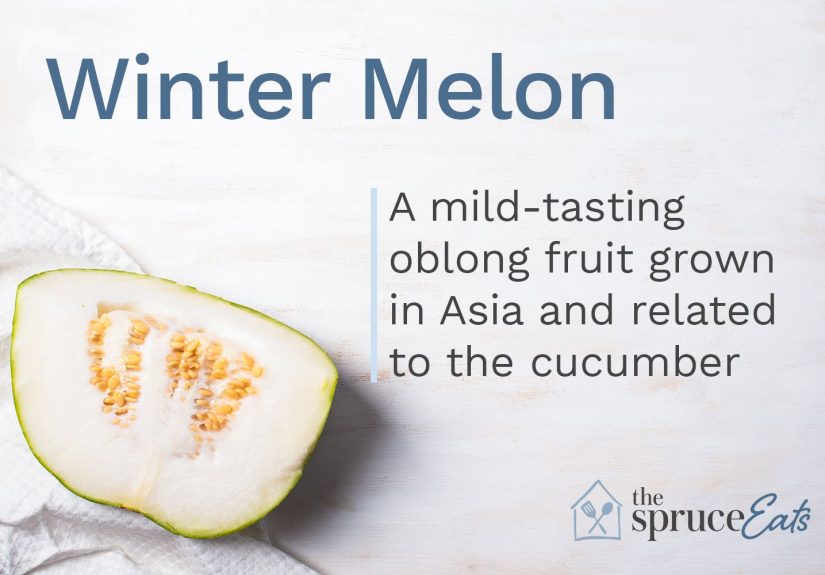
Once cut open, winter melon reveals white flesh and a soft center filled with seeds. The outer skin is tough and should be removed before cooking. The seeds and soft spongy center are usually scooped out, leaving the firmer white flesh for slicing or cubing. The edible flesh can be cut into chunks for soup, thin slices for stir-fry, larger wedges for braising, or small cubes for desserts and drinks.
The inside is not flashy. There is no bright orange squash glow or watermelon-red reveal. Winter melon is pale and humble, almost minimalist. But that plain appearance is part of its strength. It gives the cook a blank canvas for ginger, garlic, scallions, mushrooms, pork, chicken, shrimp, dried scallops, curry spices, coconut milk, rock sugar, or tea.
Winter Melon Nutrition
Winter melon is naturally high in water and low in calories. A typical serving of raw wax gourd contains mostly water, with small amounts of carbohydrates, fiber, vitamin C, and minerals. It is not a protein powerhouse, and it is not trying to be. Its main nutritional appeal is that it adds volume, hydration, and a pleasant texture to meals without adding many calories.
Because it is mild and light, winter melon can fit into many eating patterns. It works well in brothy soups, vegetable-heavy meals, and simple home cooking. However, it should not be promoted as a miracle food. Some traditional systems of medicine have used ash gourd or winter melon for various wellness purposes, but strong clinical evidence for many health claims remains limited. Translation: enjoy it as food first. Let the internet’s “miracle detox melon” claims take a nap.
Possible Benefits of Winter Melon in Everyday Cooking
Winter melon can be useful in a balanced diet because it is hydrating, gentle in flavor, and easy to pair with nutrient-rich ingredients. Add it to chicken soup with mushrooms and greens, and it becomes part of a comforting meal. Simmer it with lentils and spices, and it helps create a satisfying vegetarian dish. Cook it with shrimp, ginger, and scallions, and it becomes light but flavorful.
Its high water content also makes it refreshing in warm-weather dishes. In many Asian households, winter melon soup is not only a cold-weather comfort food but also a summer dish because it feels clean, light, and cooling. Food does not always follow the calendar. Sometimes soup in summer makes perfect sense, especially when the soup is this gentle.
How Is Winter Melon Used in Cooking?
Winter melon is wonderfully versatile. It can be steamed, simmered, braised, stir-fried, candied, juiced, or turned into tea. Its mildness means it works with both savory and sweet preparations.
Winter Melon Soup
The most famous use is winter melon soup. In Chinese cooking, winter melon is often simmered with broth, dried mushrooms, ham, pork ribs, chicken, dried scallops, shrimp, ginger, or scallions. The melon softens and absorbs the savory broth, becoming tender and lightly silky. Some banquet-style versions are steamed inside a hollowed-out winter melon, turning the fruit into both ingredient and serving bowl. That is dinner and tableware in one, which feels efficient and a little theatrical.
Winter Melon in Stir-Fries and Braises
Winter melon can be cut into chunks and braised with soy sauce, garlic, ginger, and aromatics. It can also be stir-fried, though it should not be cooked too aggressively for too long. Because it releases moisture, it is best paired with strong seasonings and ingredients that can handle a little extra juice. Mushrooms, shrimp, pork, tofu, and fermented sauces all work beautifully.
Winter Melon in Indian Dishes
In Indian cuisine, ash gourd appears in curries, stews, yogurt-based dishes, and sweets. One famous sweet is petha, a translucent candy often associated with Agra. The fruit’s mild flesh takes on sugar syrup and flavorings, becoming something completely different from its savory soup personality. Winter melon is basically the actor who can do both serious drama and musical comedy.
Winter Melon Tea and Drinks
Winter melon tea is popular in Taiwan and other parts of East and Southeast Asia. It is often made by cooking winter melon with sugar until it becomes a deep, caramel-like syrup, then diluting it with water or tea. In boba shops, winter melon drinks may taste sweet, mellow, slightly caramelized, and refreshing. Despite the name, winter melon tea does not always contain actual tea leaves, so caffeine content depends on how it is prepared.
How to Buy Winter Melon
In the United States, winter melon is most commonly found in Asian supermarkets, international grocery stores, specialty produce markets, and sometimes farmers markets in areas with warm climates or diverse produce growers. Whole winter melons may be available during the growing season, but cut wedges are usually more practical for home cooks.
When buying a whole winter melon, look for one that feels heavy for its size, has firm skin, and shows no major bruises, cracks, soft spots, or mold. A mature melon may have a waxy or powdery coating. If buying a cut piece, choose one with firm, moist-looking white flesh. Avoid pieces that look slimy, dried out, discolored, or sour-smelling. Your nose is a useful shopping assistant, even if it does not get a paycheck.
How to Prepare Winter Melon
Preparing winter melon is simple once you get past the size. Start by washing the outside before cutting, especially if the knife will pass through the rind into the flesh. Place the melon on a stable cutting board. If working with a large piece, cut it into manageable sections. Use a sturdy knife to remove the tough skin, then scoop out the seeds and soft center. Cut the firm white flesh into cubes, slices, or wedges depending on your recipe.
For soup, medium cubes work well because they hold together while becoming tender. For stir-fry, thinner slices cook faster. For braising, larger chunks can absorb sauce without falling apart too quickly. For drinks or sweets, smaller cubes are easier to cook evenly.
How to Store Winter Melon
Whole mature winter melon stores well because of its protective rind and waxy surface. Keep it in a cool, dry, well-ventilated place away from direct sunlight. Once cut, however, winter melon should be treated like other cut produce. Wrap it tightly or place it in an airtight container and refrigerate it. Use cut pieces within a few days for best quality.
Food safety matters. Wash the outside before cutting, keep knives and boards clean, refrigerate cut pieces, and discard melon that smells off or feels slimy. Winter melon may be tough on the outside, but once it is cut, it is no longer wearing its protective armor.
Winter Melon vs. Watermelon, Honeydew, and Squash
Winter melon is often confused with other melons and squashes. It looks a little like watermelon from the outside, but the inside is white and not sweet. It is not the same as honeydew, which is juicy and sweet enough to eat fresh. It is also not exactly the same as zucchini or pumpkin, though it can sometimes be used in similar savory dishes.
The easiest way to understand winter melon is this: it is a gourd-like fruit used as a vegetable. It has a mild flavor, high water content, and a texture that becomes tender when cooked. If watermelon is the loud summer cousin at the picnic, winter melon is the calm cousin quietly making soup in the kitchen.
Easy Winter Melon Cooking Ideas
If you are new to winter melon, start with simple recipes. Try a basic winter melon soup with chicken broth, ginger, scallions, mushrooms, and cubes of winter melon. Simmer until the melon turns translucent and tender. Season with salt, white pepper, and a small splash of sesame oil.
For a vegetarian version, use vegetable broth, dried shiitake mushrooms, tofu, ginger, and a little soy sauce. For a Vietnamese-inspired soup, pair winter melon with ground pork or shrimp, fish sauce, scallions, and black pepper. For an Indian-style dish, simmer ash gourd with coconut milk, curry leaves, mustard seeds, turmeric, and green chilies. For a sweet experiment, cook small cubes with rock sugar and serve chilled as a light dessert.
Common Mistakes to Avoid
The first mistake is expecting winter melon to taste like a sweet melon. It will not. If you bite into it expecting honeydew, your taste buds may file a complaint. The second mistake is under-seasoning it. Winter melon needs flavorful companions. Ginger, garlic, broth, mushrooms, seafood, meat, herbs, spices, and sauces help bring it to life.
The third mistake is overcooking it. Winter melon should become tender, not collapse into vegetable fog. Add it at the right time and check the texture as it cooks. The fourth mistake is buying too much. A whole winter melon can be enormous. Unless you are feeding a family reunion or opening a soup stand, a cut wedge is usually enough.
Why Winter Melon Deserves a Place in American Kitchens
Winter melon is not yet as mainstream in many American supermarkets as zucchini, but it has all the qualities that curious home cooks love. It is affordable in many Asian markets, adaptable, easy to season, and excellent in comfort food. It also supports a low-waste cooking mindset because a large piece can stretch across several meals: soup one day, braise the next, and maybe tea or dessert after that.
It is also a wonderful bridge ingredient. If you enjoy chicken soup, try adding winter melon. If you like zucchini, experiment with winter melon in a stir-fry. If you enjoy boba drinks, learn how winter melon syrup gets its mellow sweetness. If you cook with global flavors, winter melon opens the door to Chinese, Vietnamese, Indian, Filipino, and Taiwanese food traditions.
Experience: Learning to Cook With Winter Melon
The first time many people meet winter melon, the experience is not exactly graceful. It often begins in a grocery store aisle, standing in front of a pale green wedge wrapped in plastic, wondering whether it is food, furniture, or a farm object that escaped. The label may say “winter melon,” “wax gourd,” or “ash gourd,” and the shopper may think, “Great, three names and still no instructions.” That confusion is part of the charm.
My favorite way to experience winter melon is in a simple home-style soup. The process feels almost too easy: peel the melon, remove the seeds, cut the flesh into cubes, and simmer it in broth with ginger. At first, the cubes look plain and stubborn, as if they are not interested in participating. Then, after a little time, they soften, turn slightly translucent, and begin to taste like the broth around them. It is a quiet transformation, but a satisfying one.
Winter melon teaches a useful cooking lesson: not every ingredient needs to be loud. Some ingredients are valuable because they create space for other flavors. In a chicken broth, winter melon makes the soup feel lighter. With dried mushrooms, it becomes earthy. With shrimp, it turns delicate and sweet-savory. With ginger, it tastes clean and warming. It is not the lead singer; it is the excellent bass player who keeps the whole band together.
Another memorable experience is ordering winter melon tea from a boba shop and realizing it tastes nothing like vegetable soup. Winter melon tea is usually sweet, mellow, and caramel-like because the melon is cooked down with sugar. It can taste almost like brown sugar syrup with a soft fruity background. That surprise is delightful. One ingredient can be soothing in soup and dessert-like in a drink. Winter melon has range.
Cooking with winter melon also changes the way you shop. After using it once, you start noticing it everywhere in Asian markets. You compare the cut wedges. You look for firm flesh. You become the person casually saying, “This piece looks good,” as if you have been a winter melon expert since childhood. This is how produce confidence begins: one giant gourd at a time.
For beginners, the best experience comes from starting small. Do not buy the whole melon unless you have a plan, a large knife, and possibly emotional support. Buy a wedge, make soup, and pay attention to texture. Keep the seasoning simple the first time. After that, experiment. Add tofu, mushrooms, pork ribs, chicken, shrimp, lentils, coconut milk, or curry spices. Winter melon will not argue. It is one of the most agreeable ingredients you can bring home.
The real beauty of winter melon is that it turns modest cooking into comfort. It does not demand fancy techniques. It does not need a dramatic sauce. It simply asks for a clean cut, a good broth, and enough time to become tender. In a food world obsessed with bold flavors and viral recipes, winter melon is refreshingly calm. It is humble, useful, nourishing, and quietly delicious. Honestly, that is a pretty good personality for a melon pretending to be a vegetable.
Conclusion
Winter melon is a large, wax-coated gourd used widely in Asian cooking as a vegetable. Known by names such as wax gourd, ash gourd, white gourd, and Chinese preserving melon, it has pale flesh, a mild taste, and a remarkable ability to absorb flavor. It shines in soups, braises, stir-fries, curries, sweets, and teas. While it may look intimidating at first, winter melon is easy to prepare once peeled and seeded.
For home cooks in the United States, winter melon is worth seeking out at Asian markets and specialty grocers. Start with a cut wedge, cook it gently, season it well, and let its quiet charm do the rest. It may not be flashy, but it is practical, comforting, and surprisingly versatile. In other words, winter melon is the dependable friend your soup pot has been waiting for.
Note: This article is based on real culinary, botanical, nutrition, and food-safety information. It is intended for general food education and should not be treated as medical advice.