Table of Contents >> Show >> Hide
- The first lesson: this is not a story about weakness
- The second lesson: burnout matters, but depression is the sharper emergency
- The third lesson: medicine rewards silence far too well
- The fourth lesson: stigma is not abstract, it is administrative
- The fifth lesson: the stories rarely begin with one dramatic event
- The sixth lesson: physician suicide is also a patient care issue
- What real prevention looks like
- The human experiences behind the headlines
- Conclusion
- SEO Tags
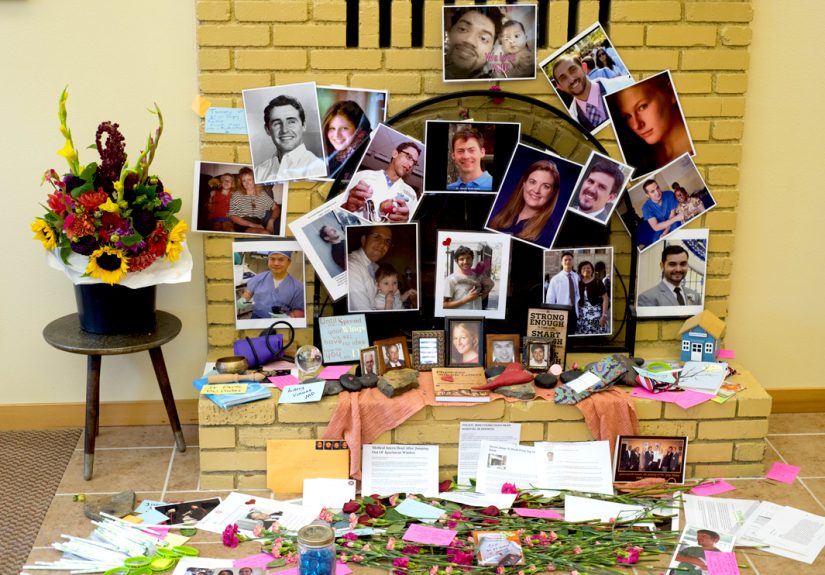
The phrase “547 doctor suicides” lands with the force of a slammed door. It is startling, sorrowful, and impossible to read without pausing. The title comes from physician Pamela Wible’s effort to collect stories of doctors who died by suicide, a project that turned whispered tragedies into a public reckoning. And that, honestly, may be the first lesson: physician suicide has too often lived in the shadows, discussed in hallways, at memorials, and in stunned private texts rather than in the center of American health care where it belongs.
This topic deserves care, accuracy, and zero melodrama. It is tempting to reduce the issue to one neat explanation: burnout, long hours, perfectionism, the electronic health record, bad bosses, medical errors, malpractice fears, sleep deprivation, or stigma. The reality is messier. Doctor suicide is not caused by one miserable week, one rude email, or one impossible patient panel. It grows where pressure, isolation, untreated depression, shame, workplace culture, and fear of consequences overlap. Medicine did not invent human suffering, but it has built a professional culture that sometimes makes suffering harder to admit and riskier to treat.
So what have I learned from this body of reporting, research, and lived accounts? That the problem is real. That the old myths are stubborn. That some of the most confident-looking people in the hospital may be barely holding it together. And that prevention will require more than yoga coupons and a poster in the break room that says “wellness” in a calming font.
The first lesson: this is not a story about weakness
Doctors are often described as resilient, driven, and high functioning. All true. They are also human beings who are trained in an environment that rewards endurance, self-sacrifice, and emotional control. Those qualities can make a physician excellent in a code blue and terrible at saying, “I am not okay.” That is not hypocrisy. It is conditioning.
Many physicians are selected and trained for precision, responsibility, and performance under pressure. Those traits save lives. They can also become dangerous when mixed with a culture that treats vulnerability like a clerical error. The result is a bizarre professional paradox: the person most comfortable discussing heart failure, metastatic cancer, or traumatic injury may feel completely unable to admit panic attacks, depression, substance misuse, or suicidal thoughts.
That matters because physician suicide is often misunderstood as a shocking deviation from the norm, when it may actually be the last chapter in a long story of hidden distress. The outside image can look polished right up to the edge. The white coat is excellent camouflage.
The second lesson: burnout matters, but depression is the sharper emergency
For years, “burnout” became the catchall word for physician distress. It is a useful word, but also a slippery one. Burnout can describe emotional exhaustion, depersonalization, cynicism, and a sense that your work is chewing you into administrative confetti. It points to system failure. But burnout is not identical to clinical depression, and treating those two ideas as interchangeable can blur a life-or-death difference.
That distinction is important. Burnout may be the smoke, but depression can be the fire. A doctor who feels detached, overloaded, and morally injured is in trouble. A doctor who feels hopeless, numb, trapped, or suicidal needs immediate mental health support, not just workflow optimization and a reminder to take deep breaths between chart notes.
In other words, wellness language can sometimes make serious suffering sound tidy and corporate. “Reduce burnout” is an easier phrase for institutions to say than “recognize depression, respond to suicidal risk, and stop creating conditions that make help feel dangerous.” But the second sentence is the one that saves more lives.
The third lesson: medicine rewards silence far too well
There is a cruel irony in medical culture. Doctors are trained to notice subtle signs in patients, yet many workplaces remain terrible at noticing or responding to distress in clinicians. Worse, some colleagues do notice and still say nothing because they do not want to offend, misread the situation, or trigger professional fallout. Silence can masquerade as respect. Sometimes it is actually fear dressed up in a tie.
Stories from physicians, residents, and medical students repeat familiar themes: relentless schedules, humiliation in training, sleep deprivation, moral injury after adverse outcomes, harassment, professional isolation, and the sense that one mistake can define an entire identity. These experiences do not affect every doctor the same way, but they build a climate in which asking for help can feel like confessing incompetence.
And that silence does not only happen before a death. It often continues afterward. A doctor dies, colleagues are stunned, the institution sends a carefully sanded-down message, and everyone returns to work. The human impact gets swallowed by productivity. People grieve privately, speculate quietly, and learn the same old lesson: if this happened here, maybe I should keep my own struggle hidden too.
The fourth lesson: stigma is not abstract, it is administrative
When physicians say they are afraid to seek care, they are not always speaking in vague emotional terms. They are often talking about very practical fears: licensing forms, credentialing questions, employment applications, peer review, malpractice concerns, and the suspicion that a mental health diagnosis will follow them like a bad reference letter with a medical degree.
This is one of the most infuriating parts of the story. Health systems routinely tell doctors to “get help” while preserving processes that make help feel professionally risky. If a physician believes therapy, medication, or psychiatric treatment could endanger their license, hospital privileges, reputation, or future promotions, that physician may delay care until the crisis is much worse. That is not irrational. That is a predictable response to a punishing system.
There has been progress. Medical boards, hospitals, and national organizations have pushed to remove intrusive mental health questions that focus on past diagnosis or treatment rather than current impairment. That reform matters because it changes the message from “prove you have never struggled” to “what matters is whether you can practice safely right now.” A healthy profession does not punish people for getting treatment. It should worry when they are too scared to seek it.
The fifth lesson: the stories rarely begin with one dramatic event
Popular storytelling loves a single trigger: the lawsuit, the bad outcome, the divorce, the addiction, the disciplinary action. Real life is usually more cumulative. Distress builds in layers. A physician may be juggling grief, chronic sleep loss, financial stress, a hostile supervisor, impossible documentation burdens, fear of letting patients down, and untreated depression all at once. Add easy access to lethal means and a culture of stoicism, and the risk picture darkens quickly.
This matters because prevention has to be earlier, broader, and less dramatic than many institutions prefer. You cannot wait for a doctor to say, “I am suicidal,” if the entire culture trained that doctor never to say such a thing. You have to create conditions where distress can be recognized before it becomes a private emergency.
That means paying attention to changes in behavior, withdrawal, hopeless language, increased irritability, sudden detachment, risky substance use, perfectionism that turns punishing, and the colleague who keeps saying “I’m fine” with the emotional energy of a malfunctioning vending machine. It also means rejecting the myth that asking directly about suicide plants the idea. It does not. A caring, specific question can be a lifeline.
The sixth lesson: physician suicide is also a patient care issue
It would be enough to address physician suicide because doctors are human beings whose lives matter. Full stop. But the issue also affects patients, teams, and entire communities. When clinicians are drowning, care quality suffers. Burnout is linked to errors, turnover, lower continuity, and depleted compassion. Depression and suicidality do not happen in a vacuum; they ripple through practices, hospitals, training programs, and families.
This is where the old “tough it out” mythology becomes especially expensive. The idea that self-neglect proves professionalism is not noble. It is operationally reckless. Hospitals do not ask sleep-deprived pilots to just be more mindful and then hand them a plane. Yet health care still acts shocked when chronically overburdened clinicians start breaking down.
Medicine loves the hero narrative, but hero stories can become a trap. Heroes are supposed to endure, sacrifice, and keep showing up. Human beings, meanwhile, need sleep, support, treatment, and permission to speak honestly before they reach the edge. Health care needs fewer myths and better infrastructure.
What real prevention looks like
1. Separate burnout solutions from suicide-risk response
Some doctors need better staffing, saner schedules, reduced administrative overload, and less after-hours charting. Others need urgent depression treatment and suicide-specific support. Many need both. A competent system knows the difference. It does not send someone in acute psychological pain to a resilience webinar and call it a day.
2. Build confidential pathways to care
Physicians need easy, private, stigma-free access to therapy, psychiatry, peer support, and crisis care. Not five logins, three approvals, and a whispered recommendation to “maybe call EAP.” Real access means fast appointments, confidentiality protections, after-hours availability, and leaders who use these services themselves and talk about them without embarrassment.
3. Fix the forms and the culture behind the forms
Reforming licensing and credentialing questions is more than paperwork cleanup. It tells doctors that treatment is a sign of responsibility, not defect. But policy change alone is not enough. A hospital can remove stigmatizing questions and still punish vulnerability informally through gossip, bias, and punitive management. Culture has to catch up with policy.
4. Train peers and leaders to ask directly
Every department chair, program director, attending, resident leader, and colleague should know how to ask a clear question about suicide, how to respond without panic, and how to connect someone to immediate support. This is not fringe training. It is basic safety equipment for a profession soaked in stress and responsibility.
5. Treat rest, staffing, and psychological safety as patient-safety tools
If the work environment is chronically depleting, then the environment is part of the risk. Workload, harassment, sleep loss, bullying, and nonstop productivity pressure are not side issues. They are structural exposures. A profession cannot preach compassion while operationalizing exhaustion.
The human experiences behind the headlines
If you read enough accounts tied to doctor suicide, a painful pattern appears. The experience is not always dramatic on the outside. It is often cumulative on the inside. A physician starts the day already tired, then walks into a schedule that is overbooked before the first patient arrives. There are charts from last night, messages from anxious families, an insurance denial, a staff shortage, a colleague out sick, and the low-grade dread of knowing there will be no true pause until long after dinner. Nothing in that list sounds cinematic. That is the point. Despair often grows in ordinary-looking days.
Another common experience is isolation in plain sight. Doctors may be surrounded by people all day and still feel profoundly alone. They are expected to comfort others, make correct decisions quickly, and remain composed while absorbing grief, anger, fear, and uncertainty from patients and families. Many get very good at functioning while emotionally underwater. Some become experts in appearing capable when they are barely sleeping, barely eating, and barely recognizing themselves.
There is also the experience of shame after imperfection. A bad outcome, a missed diagnosis, a complaint, or even the fear of having disappointed someone can become enormous in the mind of a physician trained to equate competence with worth. The profession says, “learn from mistakes,” but many doctors quietly hear, “mistakes prove you should not be here.” That gap between the public slogan and the private interpretation is dangerous.
Then there is the specific loneliness of feeling unable to seek care. Imagine understanding mental illness scientifically, believing patients deserve treatment, and still fearing that getting your own treatment could damage your career. Imagine telling patients to be honest while censoring yourself on credentialing forms, in break rooms, and sometimes even in your own home. That kind of double life can grind a person down.
Many physicians also describe a slow erosion of identity. They entered medicine with purpose, curiosity, and a desire to help. Over time, they may find themselves reduced to inbox management, billing logic, documentation rules, and crisis throughput. The job they loved starts feeling like a machine that eats time and gives back metrics. When meaning shrinks and fatigue expands, hopelessness can begin to sound logical, even when it is treatable and temporary.
What these experiences teach is not that medicine is doomed or that every exhausted doctor is in danger. It is that physician suicide prevention must take lived reality seriously. Doctors do not need more mythology about grit. They need workplaces where honesty is safe, treatment is normal, peers are trained to intervene, and leadership understands that mental health is not a side project. It is mission critical. Every story in that growing tally points back to the same truth: protecting physicians is not separate from protecting medicine. It is part of the job.
Conclusion
What have I learned from 547 doctor suicides? That medicine has spent too long mistaking silence for strength. That burnout is not the whole story. That depression, stigma, fear of professional consequences, and structurally exhausting workplaces form a dangerous mix. That recent reforms are encouraging, but not enough. And that every hospital, clinic, residency, and medical board should treat physician mental health as a core safety issue, not an optional wellness campaign with fruit trays and motivational posters.
The most hopeful lesson is this: the culture is not fixed. Policies can change. Leaders can learn to ask better questions. Colleagues can intervene earlier. Confidential care can be expanded. Training can get smarter. Rest can be respected. And the profession can finally retire the fantasy that good doctors are somehow immune to the suffering they diagnose in everyone else.
Medicine has many uniforms. Invincibility should not be one of them.