
Table of Contents >> Show >> Hide
- Understanding Cilantro Before You Harvest
- When to Harvest Fresh Cilantro
- How to Harvest Cilantro Without Killing the Plant
- How Often Can You Harvest Cilantro?
- Signs Cilantro Is Ready to Harvest
- What to Do When Cilantro Bolts
- How to Keep Cilantro Producing Longer
- How to Harvest Cilantro from a Container
- How to Wash Fresh Cilantro After Harvest
- How to Store Fresh Cilantro
- Common Cilantro Harvesting Mistakes
- Best Kitchen Uses for Freshly Harvested Cilantro
- Experience-Based Tips for Harvesting Fresh Cilantro
- Conclusion
Fresh cilantro is one of those garden herbs that acts like it has somewhere very important to be. One week it is a tidy little plant with bright green leaves, and the next week it is stretching toward the sky, flowering, and politely informing you that leaf season is over. If you have ever blinked and missed the perfect cilantro harvest window, welcome to the club. The good news is that learning when and how to harvest fresh cilantro is simple once you understand the plant’s rhythm.
Cilantro, also called coriander when referring to its seeds, is a cool-season annual herb. Gardeners grow it for its tender leaves, flavorful stems, and eventually its aromatic seeds. The trick is knowing what you want from the plant. If you want soft, citrusy leaves for tacos, salsa, soups, curries, salads, and grain bowls, harvest early and often. If you want coriander seeds for spice jars or future planting, let the plant flower and mature. Either way, cilantro rewards good timing.
This guide explains the best time to harvest cilantro, how to cut it without ruining the plant, how to keep it producing longer, what to do when it bolts, and how to store your harvest so it does not collapse into sad refrigerator confetti. Let’s give your cilantro a useful destiny.
Understanding Cilantro Before You Harvest
Cilantro is the leafy stage of Coriandrum sativum, an annual herb in the carrot family. The leaves are commonly called cilantro in the United States, while the dried seeds are called coriander. This two-name situation can feel like the herb is running a small identity-theft operation, but it is perfectly normal: one plant gives you both a fresh herb and a dry spice.
The plant grows quickly in cool weather and tends to bolt when days become hot or long. Bolting means the plant shifts from leafy growth to flowering and seed production. Once that happens, the leaves become thinner, more feathery, and often less flavorful for fresh eating. That is why cilantro harvest timing matters more than it does with some slower, more forgiving herbs.
When to Harvest Fresh Cilantro
Harvest Cilantro When Plants Are 4 to 6 Inches Tall
The best time to begin harvesting cilantro is when the plant reaches about 4 to 6 inches tall and has several healthy stems. At this stage, the leaves are tender, flavorful, and easy to snip. You do not need to wait for the plant to become large and bushy. In fact, waiting too long can cost you flavor because cilantro is famous for racing toward flowers when conditions warm up.
For baby cilantro, you can lightly harvest when the plants are around 4 inches tall. For a fuller cut, wait until they are closer to 6 inches. Look for bright green leaves, firm stems, and no yellowing or wilting. A healthy cilantro plant should look fresh and lively, not like it just read the weather forecast and gave up.
Harvest in the Morning for Best Flavor
Morning is the ideal time to harvest fresh cilantro. Wait until dew has dried, then snip the stems before the day becomes hot. Herbs generally hold their best flavor and texture when harvested early, after moisture has evaporated but before heat stresses the plant. Morning-harvested cilantro is also less likely to wilt immediately, which gives you more time to clean, store, or use it.
Avoid harvesting during the hottest part of the afternoon unless dinner has declared an emergency. Heat makes cilantro limp faster, and limp cilantro is not exactly the life of the salsa party.
Harvest Before the Plant Flowers
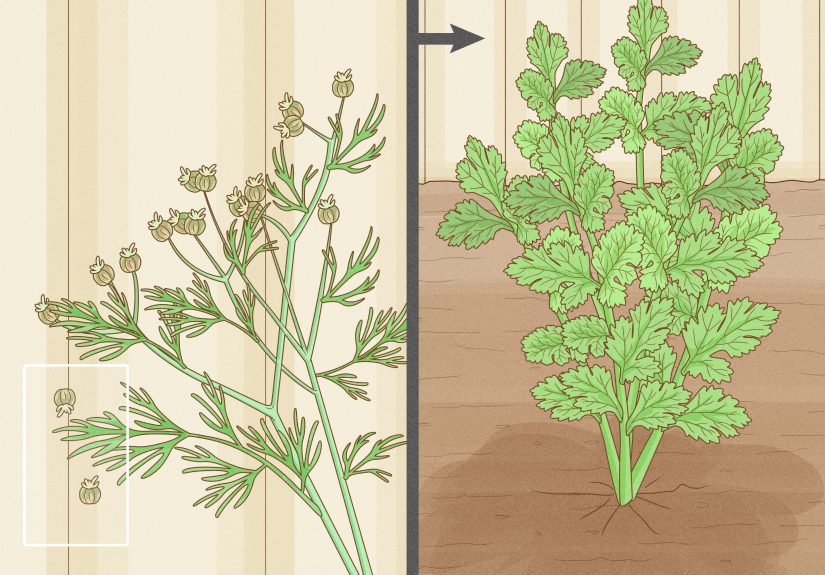
For fresh leaves, harvest cilantro before flower stems appear. Flowering signals that the plant is entering its seed-producing stage. The leaves may still be edible, but they often become smaller, more delicate, and less useful for big fresh bunches. If you notice a tall central stalk forming, the plant is beginning to bolt.
You can pinch off early flower stems to slow the process a little, but cilantro is an annual with a determined schedule. Once it fully commits to flowering, it is better to switch strategies: use what leaves you can, then let the plant produce coriander seeds or beneficial flowers for pollinators.
How to Harvest Cilantro Without Killing the Plant
Use Clean Scissors or Garden Snips
The easiest way to harvest cilantro is with clean kitchen scissors, herb snips, or small garden pruners. Avoid yanking stems by hand. Cilantro has a taproot, and pulling on the plant can disturb the roots or accidentally remove the whole plant from the soil. A clean cut is kinder to the plant and more convenient for you.
Before cutting, make sure your tool is clean. If you have been pruning diseased plants, wash or sanitize the blades first. Cilantro grows fast, but it is not asking to be introduced to every microbe in the neighborhood.
Cut Outer Stems First
To keep cilantro growing, harvest the outer stems first. Cut individual stems near the base, leaving the central growing point intact. This method allows the plant to keep producing new leaves from the center. Think of it as giving the plant a haircut instead of a full dramatic makeover.
Choose the largest outer stems and leave at least one-third to one-half of the plant behind. Removing too much at once can weaken the plant, especially during warm weather or dry conditions. With light, repeated harvesting, cilantro can provide several pickings before it bolts.
Cut Above a Leaf Node for Regrowth
If you are cutting longer stems, snip just above a leaf node or above lower growth. This encourages the plant to continue producing side shoots. Avoid cutting the plant all the way down to bare soil unless you are doing a final harvest. Cilantro can regrow after moderate cutting, but it needs leaves to keep photosynthesizing and recovering.
Harvest the Whole Plant When Needed
If your cilantro is about to bolt, if hot weather is arriving, or if you need a large amount for cooking, you can harvest the entire plant. Cut it at soil level or pull it up roots and all if you are clearing the bed. Whole-plant harvesting works well when you have succession plantings coming behind it.
For the cleanest bunch, cut the plant at the base, remove yellow or damaged leaves, and keep the stems together. Cilantro stems are edible and flavorful, especially the tender upper stems. Do not throw them away unless they are tough or woody. The stems are excellent in salsas, marinades, soups, sauces, chutneys, and stir-fries.
How Often Can You Harvest Cilantro?
You can harvest cilantro as often as the plant produces enough new growth. In cool spring or fall weather, that may mean light harvests every few days or a larger harvest once a week. The plant will not produce forever, but frequent cutting can extend the leafy stage and delay flowering slightly.
The key is moderation. If you remove only a few outer stems at a time, the plant has enough foliage left to recover. If you cut the plant too hard during stress, it may bolt faster or stop producing usable leaves. Cilantro is generous, but it is not a vending machine.
Signs Cilantro Is Ready to Harvest
Fresh cilantro is ready to harvest when the leaves are bright green, the stems are crisp, and the plant is at least 4 to 6 inches tall. You should see enough growth that removing a few stems will not leave the plant looking bald. The leaves should smell fresh and citrusy when gently rubbed or cut.
Do not wait for the plant to reach maximum size. Cilantro is usually at its best before it grows tall and begins producing a flower stalk. If the leaves start looking more fern-like, the stem stretches upward, or tiny white to pale pink flowers appear, the plant is bolting. At that point, harvest usable leaves soon or allow the plant to form coriander seeds.
What to Do When Cilantro Bolts
Bolting is not a failure. It is simply cilantro being cilantro. Warm weather, long days, water stress, crowded roots, and natural maturity can all push the plant into flowering. Once cilantro bolts, the fresh leaf harvest declines, but the plant still has value.
Option 1: Harvest Remaining Leaves
Snip any tender green leaves that still taste good. The flavor may be stronger or less delicate than earlier leaves, so taste before using a large amount in a recipe. If the leaves are bitter or overly sharp, use them in cooked dishes, sauces, or marinades rather than as a fresh garnish.
Option 2: Let It Flower for Beneficial Insects
Cilantro flowers attract small beneficial insects, including pollinators and tiny parasitic wasps. If you have room, letting a few plants flower can support garden biodiversity. It also looks charming in a cottage-garden sort of way, as if your herb bed decided to wear lace.
Option 3: Harvest Coriander Seeds
If you want coriander seeds, allow the flower heads to mature and turn brown. Cut the seed heads or the whole plant, place them upside down in a paper bag, and let them dry in a cool, dry, well-ventilated place. As the seed heads dry, the seeds will loosen and fall into the bag. Shake gently, remove plant debris, and store the seeds in an airtight container away from heat, light, and moisture.
You can use coriander seeds in cooking or save them for planting. Whole seeds generally keep their flavor longer than ground coriander. For the best taste, toast and grind them shortly before using.
How to Keep Cilantro Producing Longer
Grow Cilantro in Cool Weather
Cilantro performs best in cool conditions. In many U.S. gardens, spring and fall are the best seasons for fresh cilantro leaves. In warmer regions, cilantro may grow better from fall through spring rather than during summer. In hot weather, give it morning sun and afternoon shade to reduce stress.
Container gardeners can move pots to a cooler location when heat arrives. A patio pot that gets gentle morning light is often better than a bed that bakes all afternoon. Cilantro appreciates sunlight, but it does not enjoy feeling like it has been assigned to the desert survival challenge.
Use Succession Planting
Succession planting is the secret to a steady cilantro supply. Instead of sowing one big patch and hoping it behaves forever, plant small batches every two to three weeks during suitable weather. As older plants bolt, younger plants are ready to harvest.
This method works especially well because cilantro has a short harvest window. A continuous planting schedule gives you fresh leaves for a longer season and reduces the heartbreak of watching your only cilantro patch turn into seed stalks overnight.
Water Consistently but Avoid Soggy Soil
Cilantro grows best in well-drained soil with consistent moisture. Dry stress can speed bolting, while soggy soil can cause root problems. Water deeply when the top inch of soil begins to dry, and use mulch to help moderate soil temperature and moisture.
Containers dry out faster than garden beds, so check potted cilantro frequently. Make sure pots have drainage holes. Cilantro likes a drink, not a swamp vacation.
Do Not Overfertilize
Cilantro does not need heavy feeding. Too much nitrogen can push soft leafy growth and may reduce flavor intensity. Plant it in fertile, well-drained soil amended with compost, then feed lightly if growth is pale or weak. The goal is steady growth, not monster cilantro that tastes like green cardboard.
How to Harvest Cilantro from a Container
Harvesting cilantro from a container is almost the same as harvesting from a garden bed. Wait until plants are 4 to 6 inches tall, then cut outer stems near the base with clean scissors. Leave the center intact so the plant can continue growing.
Because container plants have limited soil, they can become stressed faster. Do not remove too much at one time, and keep the pot evenly moist. A 2- to 5-gallon container can grow cilantro well if it has good drainage and enough light. If several seedlings are crowded together, thin them by snipping smaller plants at soil level and using those tender cuttings in the kitchen.
How to Wash Fresh Cilantro After Harvest
Freshly harvested cilantro often carries soil, tiny insects, or bits of mulch. To wash it, swish stems gently in a bowl of cool water. Lift the cilantro out rather than pouring the water over it, because grit settles at the bottom. Repeat if needed.
Dry the cilantro well before storing. Excess moisture encourages spoilage. Use a salad spinner, clean towel, or paper towels to remove water. If you plan to store the cilantro for several days, it is often better to store it unwashed and wash only what you need before cooking.
How to Store Fresh Cilantro
Short-Term Refrigerator Storage
For short-term storage, trim the stem ends and place cilantro upright in a jar or glass with about an inch of water. Cover the leaves loosely with a plastic bag and refrigerate. Change the water every day or two. This method treats cilantro like a tiny bouquet, except instead of decorating your table, it decorates your tacos.
You can also wrap dry cilantro loosely in a paper towel and place it in a plastic bag or airtight container in the refrigerator. Stored properly, fresh cilantro commonly lasts about a week, sometimes longer if it was harvested cleanly and kept dry.
Freezing Cilantro
Frozen cilantro will not have the same crisp texture as fresh cilantro, but it works well in soups, sauces, beans, stews, curries, and marinades. Chop clean leaves and tender stems, place them in ice cube trays, cover with water or olive oil, and freeze. Once solid, transfer the cubes to a freezer-safe container.
Label the container unless you enjoy mystery cubes. Future you will appreciate knowing whether the green cube is cilantro, parsley, or something that once had good intentions.
Drying Cilantro
Cilantro leaves can be dried, but their fresh flavor fades more than sturdier herbs like rosemary or thyme. If you dry cilantro, use it in cooked dishes rather than expecting it to replace fresh leaves. Dry the leaves in small bundles or on a tray in a well-ventilated area, then store them in an airtight container away from light and heat.
Coriander seeds, however, dry beautifully and store well. If long-term pantry flavor is your goal, harvesting the seeds is often more rewarding than drying the leaves.
Common Cilantro Harvesting Mistakes
Waiting Too Long
The most common mistake is waiting for cilantro to become large before harvesting. Cilantro is usually better when harvested young and often. Once it bolts, leaf quality drops. Begin cutting when plants are 4 to 6 inches tall and keep harvesting regularly.
Cutting the Center Too Early
If you want continued growth, avoid cutting out the central growing point too aggressively. Take outer stems first and leave enough leaves behind for recovery. A plant that has been scalped may not bounce back gracefully.
Harvesting Wet Leaves for Storage
Wet cilantro spoils quickly in the refrigerator. If leaves are damp from rain, irrigation, or washing, dry them thoroughly before storage. Moisture trapped in a bag can turn your fresh harvest into a compost preview.
Ignoring the Stems
Cilantro stems are not kitchen trash. The tender stems are packed with flavor and are often easier to chop finely than the leaves. Use them in salsa, pesto-style sauces, salad dressings, broth, rice, and marinades. If the lower stems are tough, discard only those parts.
Best Kitchen Uses for Freshly Harvested Cilantro
Fresh cilantro shines when added near the end of cooking or used raw. Heat softens its bright flavor, so sprinkle it over finished dishes whenever possible. It pairs beautifully with lime, chili, garlic, ginger, tomatoes, onions, beans, grilled chicken, fish, shrimp, rice, lentils, cucumbers, avocado, and yogurt-based sauces.
For a quick garden-to-table use, chop cilantro leaves and stems with lime juice, salt, minced garlic, and a little olive oil. Spoon it over roasted vegetables, tacos, scrambled eggs, or grilled meat. It is the kind of simple sauce that makes dinner taste planned, even if dinner was assembled with the emotional energy of a Tuesday.
Experience-Based Tips for Harvesting Fresh Cilantro
After growing cilantro in gardens and containers, one lesson becomes obvious: cilantro does not reward procrastination. If the plant looks ready, harvest it. Many gardeners wait because they want a bigger bunch later, but cilantro often interprets “later” as “time to bolt.” A better habit is to cut a little every few days. This keeps the plant productive and gives you fresher herbs for everyday meals.
One practical approach is to grow cilantro in three stages. Plant one small row or container now, another two weeks later, and another two weeks after that. Label the sowing dates if you are the type of person who forgets whether you planted cilantro, dill, or “miscellaneous green hope.” With staggered plantings, you can harvest from the oldest plants while younger ones size up. This method is especially useful in spring, when weather can shift from pleasant to blazing faster than expected.
Another useful experience is to harvest with a recipe in mind. If you need cilantro for a garnish, snip only a few outer stems. If you are making salsa, chutney, cilantro-lime rice, or a big herb sauce, cut a larger handful but still leave the center of the plant intact. For a final harvest before heat arrives, cut the whole plant at soil level and process it right away. Cilantro loses charm quickly when left on the counter, so do not harvest a mountain and then wander off to reorganize the garage.
Container cilantro teaches another lesson: water stress matters. A pot sitting in afternoon sun can dry out quickly, and stressed cilantro bolts faster. The best container harvests usually come from pots that receive morning light, have drainage holes, and are watered consistently. If the soil repeatedly goes bone dry, the plant may survive, but it will not give you the lush, tender leaves you want. Mulching the top of the container with clean straw, shredded leaves, or fine bark can help keep roots cooler.
In hot climates, the best cilantro harvests often come from fall, winter, and early spring plantings. In cooler climates, spring and fall are usually the prime seasons. Summer cilantro is possible, but it needs help: partial shade, steady moisture, and fast harvesting. Some gardeners grow cilantro mainly for leaves in cool months and let summer plants flower for coriander seed. That way, bolting becomes part of the plan instead of a personal insult.
One final tip: store cilantro according to how you actually cook. If you use cilantro daily, keep stems in a jar of water in the refrigerator where you can see them. Visibility prevents the dreaded “forgotten herb sludge” at the back of the crisper drawer. If you cook with cilantro only occasionally, freeze chopped portions in small cubes. Fresh is best for garnish, but frozen cilantro is perfect for soups, beans, sauces, and cooked dishes where texture matters less than flavor.
Conclusion
Harvesting fresh cilantro at the right time is the difference between a flavorful kitchen herb and a plant that has sprinted into flower mode while you were making coffee. Begin harvesting when the plant is 4 to 6 inches tall, cut outer stems first, harvest in the morning, and keep the plant cool and evenly watered. For the longest supply, sow seeds every few weeks rather than relying on one planting.
If your cilantro bolts, do not panic. Use the remaining leaves, enjoy the flowers, or harvest coriander seeds when the seed heads turn brown. Cilantro is quick, useful, and a little dramatic, but once you understand its habits, it becomes one of the most rewarding herbs to grow and harvest at home.



