Table of Contents >> Show >> Hide
- What Is Miso?
- Miso Supports Gut Health
- Miso Adds Plant-Based Protein and Amino Acids
- Miso Contains Antioxidant Compounds
- Miso May Support Heart Health When Used Wisely
- Miso Can Help You Eat More Vegetables
- Miso Is Nutrient-Dense in Small Amounts
- Miso May Support Immune Health
- Miso Is a Smart Flavor Tool for Healthy Cooking
- Potential Downsides of Miso
- How Much Miso Should You Eat?
- Is Miso Soup Healthy?
- Experience: How Miso Changes Everyday Healthy Eating
- Conclusion: Why Miso Deserves a Place in Your Kitchen
Miso is one of those tiny kitchen ingredients that behaves like it has a graduate degree in flavor. Add a spoonful to soup, dressing, marinade, noodles, vegetables, or even a butter sauce, and suddenly dinner tastes like it has been quietly training in a Japanese monastery for 300 years. But miso is not just delicious. It is also a fermented soybean paste with a long history, a serious nutritional résumé, and a growing fan club among people who care about gut health, plant-based eating, and meals that taste good without requiring a culinary PhD.
So, why is miso incredibly healthy? The short answer: it combines fermented food benefits, plant-based protein, minerals, antioxidants, and deep umami flavor in a small serving. The longer answer is more interesting. Miso is made by fermenting soybeans with salt and koji, a culture usually grown on rice, barley, or soybeans. During fermentation, enzymes help transform the mixture, creating a savory paste that is easier to digest and rich in complex flavor compounds. In other words, miso is what happens when soybeans go to flavor camp and come back wiser.
Of course, miso is not magic powder. It is often high in sodium, and people with soy allergies or gluten sensitivity need to read labels carefully. But used wisely, miso can be a powerful addition to a balanced diet. Let’s unpack the real health benefits of miso, how to use it, and why this humble paste deserves more attention than the lonely ketchup bottle in your fridge door.
What Is Miso?
Miso is a traditional Japanese fermented paste most commonly made from soybeans, salt, and koji. Koji is a fermentation starter that contains Aspergillus oryzae, a mold used in several Japanese staples, including soy sauce, sake, and rice vinegar. Depending on the ingredients and fermentation time, miso can be pale and sweet, dark and intense, or somewhere in the middle.
Common Types of Miso
White miso, also called shiro miso, is typically mild, slightly sweet, and great for beginners. It works beautifully in soups, salad dressings, light marinades, and creamy sauces.
Yellow miso has a balanced flavor that sits between sweet and salty. It is versatile enough for everyday cooking and plays nicely with vegetables, fish, chicken, tofu, and noodles.
Red miso, or aka miso, is fermented longer and has a deeper, saltier, more robust taste. It is excellent in hearty soups, braises, glazes, and dishes that need a serious umami boost.
Barley miso and rice miso refer to the grain used with koji. Some miso contains barley, which means it may not be gluten-free. Anyone avoiding gluten should choose certified gluten-free miso and check the ingredient list carefully.
Miso Supports Gut Health
One of the biggest reasons miso gets praised is fermentation. Fermented foods can contain beneficial microbes and fermentation byproducts that may support a healthier gut environment. Your gut is not just a food-processing tube with opinions. It is home to a vast community of microorganisms involved in digestion, immune function, and overall wellness.
Miso may contain live cultures, especially if it is unpasteurized. These beneficial bacteria can support digestive balance. However, there is one important cooking rule: high heat can reduce or destroy live probiotic organisms. That does not make cooked miso useless, but if you are using miso specifically for live cultures, stir it into soup after turning off the heat rather than boiling it like a pasta villain.
Fermentation May Make Soy Easier to Digest
Fermentation changes food. In miso, enzymes break down parts of the soybeans and grains, which can make nutrients more accessible and the final paste easier to digest for some people. This is one reason fermented soy foods such as miso, tempeh, and natto are often discussed differently from more processed soy products.
The result is a food that delivers bold flavor in a small amount while contributing plant compounds, amino acids, and fermentation-created compounds. It is not a replacement for a diverse diet, but it can be a flavorful partner to vegetables, whole grains, legumes, and lean proteins.
Miso Adds Plant-Based Protein and Amino Acids
Miso is not a protein powerhouse in the way tofu, beans, lentils, eggs, or chicken are. You would need to eat far too much miso to make it your main protein source, and your sodium intake would wave a little white flag. But miso does contribute some plant-based protein and amino acids, including glutamate, the naturally occurring compound responsible for that mouthwatering umami taste.
Umami matters because it helps food taste satisfying. When meals taste richer and more complete, many people find it easier to enjoy vegetables, whole grains, and simple home-cooked dishes. A spoonful of miso can make roasted carrots taste fancy, turn plain broth into comfort food, and give salad dressing the confidence of a restaurant appetizer.
Miso Contains Antioxidant Compounds
Soybeans naturally contain isoflavones, a group of plant compounds often studied for their potential health effects. Fermented soy foods may also contain antioxidants that help the body manage oxidative stress. Oxidative stress is a normal biological process, but too much of it can contribute to cell damage over time.
Antioxidants are not tiny superheroes wearing capes, but they do help support the body’s defense systems. Miso’s antioxidant profile depends on the type of soybeans, grain, fermentation length, and processing method. Darker miso varieties, which are fermented longer, may develop deeper flavors and different antioxidant characteristics than lighter miso.
Miso May Support Heart Health When Used Wisely
Here is where miso becomes interesting. On one hand, it is salty. On the other hand, traditional diets that include miso have been studied for possible links to cardiovascular health. Some research suggests that miso may not affect blood pressure in the exact same way as plain salt, possibly because of other compounds created during fermentation. Still, that does not mean unlimited miso soup is a wellness strategy. Your heart is not asking for a saltwater hot tub.
The smartest approach is moderation. Miso can help you reduce the need for extra salt, bouillon cubes, bottled sauces, or heavy flavor enhancers because it adds so much taste in a small amount. If one teaspoon of miso makes a bowl of vegetables taste amazing, that is a useful trade. If you add miso, soy sauce, salted broth, and pickles to the same meal, your sodium total may climb faster than a cat hearing the vacuum cleaner.
How to Keep Miso Heart-Friendly
Choose reduced-sodium miso when available. Use small portions, usually one to two teaspoons per serving, depending on the recipe. Pair miso with potassium-rich foods such as leafy greens, sweet potatoes, beans, squash, mushrooms, and avocado. Use unsalted broth or water as the base for soup. Taste before adding more salt because miso may already provide enough seasoning.
Miso Can Help You Eat More Vegetables
One underrated health benefit of miso is behavioral: it makes nutritious food taste better. A lot better. People do not usually abandon vegetables because broccoli personally offended them. They abandon vegetables because bland food gets boring.
Miso solves that problem with umami. A simple dressing made with miso, rice vinegar, lemon juice, ginger, and a little sesame oil can turn cabbage, cucumbers, carrots, and greens into something craveable. Miso stirred into a marinade can make tofu, salmon, chicken, eggplant, or mushrooms taste deeper and more satisfying. Miso butter melted over corn, green beans, or roasted squash can make side dishes disappear suspiciously fast.
This matters because healthy eating is not only about individual nutrients. It is also about building habits you can actually keep. If miso helps you eat more vegetables, more legumes, and more home-cooked meals, then its impact is bigger than the nutrition label on a tablespoon.
Miso Is Nutrient-Dense in Small Amounts
A tablespoon of miso is relatively low in calories but contains small amounts of protein, carbohydrates, minerals, and vitamins. Depending on the type, miso may provide manganese, copper, zinc, vitamin K, and other micronutrients. It is not a multivitamin, and it should not be treated like one. But as a seasoning, it brings more to the table than plain salt.
That is one of miso’s best tricks. Salt seasons food. Miso seasons food while also adding fermented complexity, plant compounds, and a savory backbone. It is like salt showed up to the party wearing a tuxedo and carrying a jazz saxophone.
Miso May Support Immune Health
A healthy immune system depends on many factors: sleep, movement, overall diet, stress management, hydration, and gut health. Miso cannot cancel out three nights of bad sleep and a breakfast made entirely of vending machine snacks. But as part of a balanced diet, fermented foods may help support the gut microbiome, and the gut plays an important role in immune function.
Some fermented foods contain live microbes, and others contain postbiotics, which are beneficial compounds produced during fermentation. Even when heat reduces live bacteria, fermentation byproducts may still contribute to the food’s overall nutritional value. This is why miso remains valuable even when used in cooked dishes, though adding it at the end of cooking is still the best move for preserving delicate flavors.
Miso Is a Smart Flavor Tool for Healthy Cooking
Many people think healthy food means removing things: less sugar, less saturated fat, less sodium, less joy, less reason to own a fork. Miso offers a better path. It adds flavor rather than simply taking things away.
Easy Ways to Use Miso
Miso soup: Stir miso into warm broth with tofu, seaweed, mushrooms, scallions, spinach, or bok choy. Avoid boiling the miso once it is added.
Miso dressing: Whisk white miso with rice vinegar, lemon juice, ginger, garlic, and a little olive or sesame oil. Pour it over greens, grain bowls, or shredded cabbage.
Miso marinade: Combine miso with a little honey or maple syrup, vinegar, garlic, and water. Use it for tofu, fish, chicken, mushrooms, or eggplant.
Miso butter: Mash a small amount of miso into softened butter and use a little on vegetables, corn, baked potatoes, or whole-grain toast.
Miso noodles: Mix miso with warm water, peanut butter, lime juice, and chili flakes for a quick noodle sauce that tastes far more complicated than it is.
Potential Downsides of Miso
Miso is healthy, but it is not perfect. The biggest concern is sodium. Many miso pastes contain a significant amount of sodium per tablespoon, so portion size matters. People with high blood pressure, kidney disease, heart failure, or sodium-restricted diets should ask a qualified health professional how miso fits into their eating plan.
Soy allergy is another important issue. Miso is usually made from soybeans, so anyone with a soy allergy should avoid it unless a medical professional says otherwise. People with celiac disease or gluten sensitivity should also check labels, because some miso is made with barley. Cross-contact can also be an issue, so certified gluten-free products are the safest choice for strict gluten avoidance.
Finally, not every miso product contains live cultures. Pasteurized miso may have fewer live microorganisms, though it can still provide flavor and fermentation-derived compounds. If live cultures are your goal, look for unpasteurized miso in the refrigerated section and follow storage instructions.
How Much Miso Should You Eat?
For most healthy people, a small serving of miso can fit comfortably into a balanced diet. A common amount is one to two teaspoons per serving, or about one tablespoon in a larger recipe divided among several portions. The right amount depends on the rest of your sodium intake, your health needs, and how salty the specific miso tastes.
The goal is not to eat miso by the spoonful like peanut butter during finals week. The goal is to use it as a concentrated seasoning that improves meals. Think of miso as a flavor amplifier: a little goes a long way, and more is not always better.
Is Miso Soup Healthy?
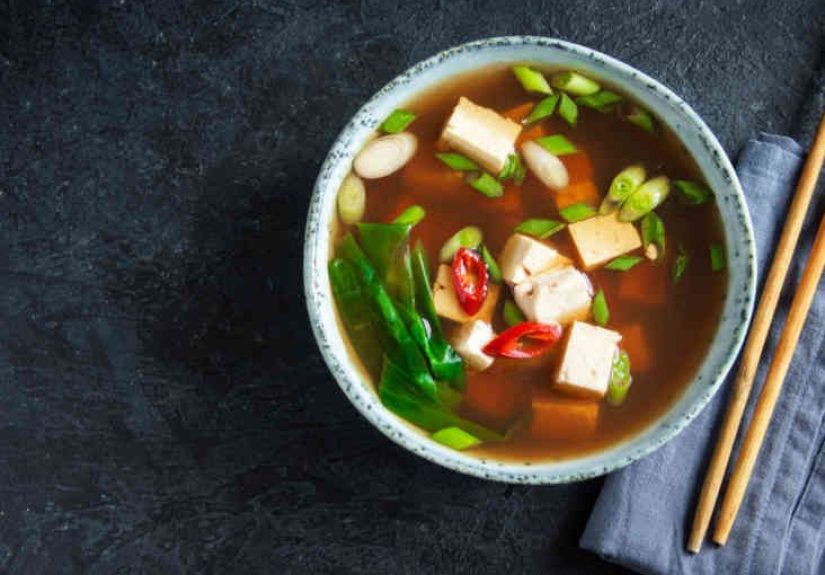
Miso soup can be very healthy, especially when it includes vegetables, tofu, seaweed, mushrooms, and a moderate amount of miso. A homemade version gives you more control over sodium than many restaurant or instant versions. Instant miso soup can be convenient, but some packets are high in sodium and may include additives, so checking the label is wise.
A balanced bowl might include low-sodium broth or water, one tablespoon of miso for two servings, tofu for protein, mushrooms for savory depth, greens for nutrients, and scallions for freshness. That bowl is warm, satisfying, and gentle on the stomach. It is also proof that comfort food does not need to arrive wearing sweatpants made of cheese.
Experience: How Miso Changes Everyday Healthy Eating
The first time many people try miso at home, they treat it like a mysterious paste from the back corner of the grocery store. It sits in the refrigerator next to the pickles, quietly judging the ranch dressing. Then one day, someone stirs a spoonful into soup, and the light bulb goes on. The broth becomes deeper, rounder, and more satisfying almost instantly. That is the moment miso stops being “that Japanese ingredient” and becomes a kitchen regular.
One practical experience with miso is learning that it rewards patience. If you boil it aggressively, the flavor can flatten and the delicate aroma fades. But when you whisk it into warm liquid at the end, it tastes smoother and more alive. A small bowl of miso soup in the morning or before dinner can feel grounding, especially when it includes soft tofu, seaweed, mushrooms, or greens. It is light but not empty, savory but not heavy, comforting without requiring a nap afterward.
Miso also helps rescue leftovers. Plain rice becomes a quick bowl with miso-glazed vegetables. Leftover roasted sweet potatoes can be tossed with a miso-lime dressing. A sad container of cooked noodles can become lunch with miso, peanut butter, warm water, and a squeeze of citrus. Even a basic sheet pan of carrots, onions, and mushrooms tastes more intentional with a thin miso glaze brushed on near the end of roasting.
Another useful lesson is that miso teaches balance. Because it is salty, it encourages you to taste as you cook. You start using less table salt. You notice when a recipe already has soy sauce, cheese, broth, or salted butter. You become the kind of person who says, “Let’s adjust the sodium,” which sounds boring until dinner tastes amazing and nobody misses the extra salt.
For people trying to eat more plant-forward meals, miso can be a game changer. Tofu becomes less intimidating when it is coated in a miso marinade. Beans taste richer with a spoonful stirred into stew. Mushrooms become almost steak-like when roasted with miso, garlic, and a little oil. Vegetables stop feeling like homework and start acting like the main event.
The best part is that miso lasts a long time in the refrigerator, so it is there when you need a fast flavor upgrade. You do not have to cook an elaborate Japanese meal to use it. Add it to salad dressing. Stir it into mashed potatoes. Whisk it into soup. Blend it into hummus. Use it carefully, taste often, and let it do what it does best: make healthy food taste like someone actually cared.
Conclusion: Why Miso Deserves a Place in Your Kitchen
Miso is incredibly healthy not because it performs one miracle, but because it supports better eating from several angles. It is fermented, flavorful, nutrient-dense in small amounts, and rich in umami. It may support gut health, help you enjoy more vegetables, contribute beneficial plant compounds, and make home cooking more satisfying.
The key is moderation. Miso can be high in sodium, so it works best as a smart seasoning rather than a main dish. Choose quality miso, check labels, avoid boiling it when possible, and pair it with whole foods like vegetables, tofu, beans, whole grains, fish, and lean proteins. Used this way, miso is not just healthy. It is practical, delicious, and surprisingly fun to cook with.
Note: This article is for general educational purposes only and is not medical advice. People with sodium restrictions, soy allergies, gluten sensitivity, kidney disease, or heart-related conditions should consult a qualified healthcare professional before making major dietary changes.