Table of Contents >> Show >> Hide
- Understanding Mean Girl Behavior Before You React
- Way 1: Stay Calm, Name the Behavior, and Set a Clear Boundary
- Way 2: Protect Your Social Space and Build Your Support Team
- Way 3: Document the Pattern and Know When to Escalate
- What to Say in Common Mean Girl Situations
- How to Stay Confident When Someone Tries to Shrink You
- What If You Are the Bystander?
- Experiences Related to Handling a Mean Girl
- Conclusion
- SEO Tags
Every school, group chat, team, club, or workplace has its own weather system. Some people are sunshine. Some are a pleasant breeze. And then there is the mean girl: the person who somehow turns a normal Tuesday into a social obstacle course with side-eye, whispers, exclusion, “jokes,” rumors, and the kind of fake smile that deserves its own warning label.
Before we go further, let’s be fair: “mean girl” behavior is not limited to girls. Anyone can use social power to make another person feel small. But the phrase usually describes relational aggression: hurting someone through relationships, reputation, exclusion, gossip, humiliation, or online drama rather than obvious physical conflict. It can be subtle, which is why it is so frustrating. A shove is easy to report. A group chat that suddenly goes silent when you walk in? That is harder to explain without sounding like you are presenting evidence in a courtroom drama called The Case of the Suspicious Lunch Table.
The good news: you do not need to become meaner to protect yourself. You need calm confidence, boundaries, documentation, and support. Handling a mean girl well is not about winning the popularity Olympics. It is about keeping your self-respect, reducing the drama, and knowing when the situation is bigger than one clever comeback.
Understanding Mean Girl Behavior Before You React
A mean girl often uses social pressure instead of direct confrontation. She may exclude you from plans, spread rumors, make sarcastic comments, copy others on embarrassing messages, mock your appearance, turn friends against you, or pretend everything is “just a joke” when you call it out. The goal is usually control: control over attention, control over the friend group, control over the story, or control over how confident you feel.
That does not mean every rude moment is bullying. People have bad days. Friends misunderstand each other. Someone can be awkward without being cruel. But when the behavior is repeated, targeted, and connected to a power imbalancesocial status, popularity, secrets, group influence, or online reachit becomes more serious. That is when you should stop treating it like “girl drama” and start treating it like a pattern that needs a plan.
Way 1: Stay Calm, Name the Behavior, and Set a Clear Boundary
The first way to handle a mean girl is to avoid feeding the performance. Mean behavior often wants a reaction. If you explode, cry in front of an audience, fire back with insults, or start a public argument, the person may use your reaction as entertainment or proof that you are “too sensitive.” Annoying? Yes. Strategic? Also yes.
Calm does not mean weak. Calm means you are not handing someone else the remote control to your emotions.
Use Short, Confident Scripts
Long speeches rarely work in the middle of social conflict. The more you explain, the more material a mean person has to twist. Use short statements that name the behavior and set a boundary:
- “Don’t talk to me like that.”
- “That was rude. Stop.”
- “I’m not discussing this in front of everyone.”
- “If you have a real problem with me, say it directly.”
- “I’m leaving this conversation because it isn’t respectful.”
Say it once, calmly, and then stop. You are not trying to win a debate tournament. You are setting a line. Think of it like placing a fence, not building a castle.
Watch Your Body Language
Stand or sit upright. Keep your voice steady. Make brief eye contact if it feels safe. Do not crowd the person, point in their face, or raise your voice. Your goal is to look grounded, not ready to audition for a reality show reunion episode.
If the mean girl says, “Wow, calm down,” do not take the bait. Try: “I am calm. I’m asking you to stop.” If she says, “It was a joke,” try: “Then it wasn’t a funny one.” If she says, “You’re so sensitive,” try: “I’m allowed to have boundaries.” These responses are not magical spells, but they keep you from being pulled into the messy swamp of over-explaining.
Do Not Fight Back With Cruelty
It is tempting to roast someone who has been cruel to you. A perfect comeback can feel like emotional justice with glitter on top. But becoming mean in return can escalate the situation, get you in trouble, and blur the facts if adults need to step in later. You can be firm without being cruel. You can defend yourself without turning into a villain with better hair.
The best boundary is boring to the bully and powerful for you: calm words, clear limit, exit if needed.
Way 2: Protect Your Social Space and Build Your Support Team
Mean girl behavior works best when you feel isolated. That is why one of the strongest responses is not a dramatic confrontationit is building a healthier circle. You do not need fifty friends. You need a few people who are steady, kind, and not addicted to drama like it is a streaming series.
Strengthen Friendships Outside the Drama
Spend time with people who make you feel relaxed, not constantly evaluated. Join a club, sport, creative group, volunteer activity, study circle, or online community with healthy boundaries. The point is not to “replace” your old friends overnight. The point is to remind yourself that one person’s opinion is not the entire social universe.
If the mean girl controls a friend group, do not beg for entry. That gives her more power. Instead, widen your world. Eat lunch with someone new. Talk to the quiet person in class. Message a cousin. Reconnect with a friend from another activity. Social confidence grows when your identity is not trapped in one group chat.
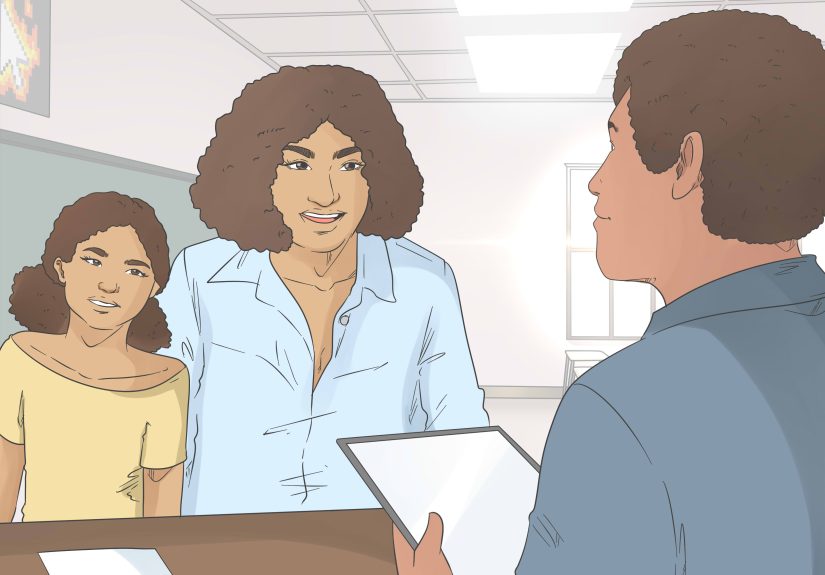
Talk to a Trusted Adult Early
If the behavior is repeated, humiliating, threatening, discriminatory, sexual, physical, or happening online, talk to a trusted adult. This could be a parent, teacher, school counselor, coach, advisor, older sibling, aunt, uncle, or another safe person. Asking for help is not “snitching.” It is using the support system that exists for exactly this reason.
When you talk to an adult, be specific. Instead of saying, “She’s being mean,” try: “For the past two weeks, she has been telling people not to sit with me at lunch, posting jokes about me in the group chat, and calling me names when adults are not around.” Details help adults understand the pattern.
Use the Buddy System
If you know the mean girl tends to target you in certain placeshallways, locker rooms, lunch tables, buses, bathrooms, team practice, or online group chatsavoid being alone with her when possible. Walk with a friend. Sit near people who are calm. Stay in visible areas. This is not about fear; it is about reducing opportunities for someone to corner you.
For cyberbullying, do not respond emotionally in the moment. Screenshot messages, save dates and usernames, block or mute when appropriate, and show the evidence to a trusted adult. Digital drama has a sneaky way of multiplying while everyone pretends they are “just joking.” Receipts matter.
Way 3: Document the Pattern and Know When to Escalate
The third way to handle a mean girl is to stop relying only on memory. When you are upset, details blur. Documentation turns “she’s always mean to me” into a clear pattern that adults, schools, or organizations can act on.
Keep a Simple Record
Create a private note on your phone or in a notebook. Include:
- Date and time
- Where it happened
- What was said or done
- Who saw it
- How you responded
- Any screenshots, photos, or messages
Keep the tone factual. Do not write a novel called The Evil Queen of Third Period, even if the title is tempting. A clean record is more useful than an emotional one.
Escalate When Safety or Well-Being Is at Risk
Some situations should not be handled alone. Get help quickly if the mean behavior includes threats, stalking, physical intimidation, repeated harassment, hate-based comments, sexual rumors, pressure to share private images, blackmail, or coordinated online attacks. Also get support if the situation is affecting your sleep, grades, appetite, mood, friendships, or ability to feel safe at school or activities.
Escalation can mean talking to a counselor, reporting to a teacher, contacting a coach, asking a parent to email the school, using a school reporting system, or saving evidence from social media platforms. The goal is not revenge. The goal is safety, accountability, and stopping the pattern.
Do Not Meet Privately to “Settle It” If You Feel Unsafe
A mean girl may say, “Let’s talk alone,” especially if she wants no witnesses. If you do not trust the situation, do not go. Suggest a public place or ask for a neutral person to be present. A safe conversation is fine. A setup is not. Your instincts deserve a seat at the table.
What to Say in Common Mean Girl Situations
When She Excludes You on Purpose
Try: “I noticed I was left out. If there’s an issue, I’d rather talk about it directly.” Then step back. Do not beg for an invitation from people who are using access as a weapon. Make other plans, even small ones. A peaceful afternoon beats a toxic invitation.
When She Spreads Rumors
Try: “That isn’t true, and I’m not going to help spread it by arguing about it all day.” Tell a trusted adult if the rumor is damaging or ongoing. Correct the record with people who matter, not every person with ears.
When She Insults You in Front of Others
Try: “That was unnecessary.” Then turn away or change seats. Public meanness often wants public chaos. A calm response makes the insult look exactly like what it is: rude.
When She Is Nice One Day and Cruel the Next
Try: “I’m confused by how hot-and-cold this friendship feels. I’m going to take some space.” Inconsistent kindness can keep you hooked, hoping the nice version returns. Pay attention to patterns, not apologies with no change.
How to Stay Confident When Someone Tries to Shrink You
Mean girl behavior can make you question yourself. You may wonder if you are too sensitive, too awkward, too quiet, too loud, too different, or somehow responsible for being targeted. Pause right there. Someone else’s cruelty is not a personality review from the universe.
Confidence is not pretending nothing hurts. Confidence is knowing hurtful behavior does not define your worth. Keep doing things that make you feel capable: sports, art, music, reading, coding, cooking, volunteering, babysitting, journaling, gaming with kind friends, or learning a new skill. Build evidence that you are more than someone’s opinion.
Also, be careful with revenge fantasies. They can feel satisfying in your head, but in real life, revenge usually keeps you connected to the drama. Peace is underrated. So is blocking someone and drinking water.
What If You Are the Bystander?
If you see someone being targeted by a mean girl, your response matters. You do not have to deliver a heroic movie speech while cafeteria lighting shines on your brave face. Small actions help.
- Stand near the person being targeted.
- Change the subject to interrupt the cruelty.
- Say, “That’s not cool.”
- Invite the person to sit with you.
- Check on them later.
- Tell a trusted adult if the behavior is serious or repeated.
Silence can feel safe, but it often helps the person causing harm. You do not need to become the group police. You can simply refuse to reward cruelty with laughter, attention, or participation.
Experiences Related to Handling a Mean Girl
Many people who have dealt with a mean girl say the hardest part is not one single insult. It is the confusion. One day the person acts friendly, compliments your outfit, or sends a funny meme. The next day she ignores you, whispers with others, or makes you feel like you accidentally broke a rule nobody explained. That emotional whiplash can make you chase approval. You keep thinking, “Maybe if I say the right thing, she’ll be nice again.” But healthy friendship does not require you to solve a mystery every morning.
One common experience is the lunch table problem. You walk up, everyone suddenly gets quiet, and someone says, “Oh, we’re saving that seat,” even though the chair is clearly as available as a parking space at 6 a.m. In that moment, the embarrassment can feel huge. A strong response might be to say, “No problem,” and sit with someone else instead of arguing. Later, you can tell a trusted friend or adult what happened and decide whether it is part of a pattern. The goal is not to pretend it did not hurt. The goal is to refuse to perform your hurt for people who may enjoy it.
Another experience happens online. A mean girl may not tag you directly, but everyone knows the post is about you. She might use inside jokes, vague captions, edited screenshots, or group chat comments. This can feel especially unfair because online drama follows you home. In this situation, the best move is usually not a public reply. Take screenshots, save the evidence, mute or block if needed, and talk to someone trustworthy. A dramatic response may give the post more attention. Documentation gives you more control.
Some people discover that the mean girl is not powerful alone; she is powerful because others laugh, follow, or stay silent. That realization can hurt, especially if some of those people used to be your friends. But it can also be freeing. It shows you who is easily influenced and who has a backbone. Real friends do not require you to be socially approved by the loudest person in the room.
A helpful personal rule is this: do not shrink your life to avoid one person. You can make smart choices, like walking with a friend or avoiding unnecessary conflict, but do not give up every activity you enjoy because someone else is unpleasant. Keep joining clubs, showing up to practice, answering questions in class, posting your art, wearing your style, and laughing loudly at your own terrible jokes. The mean girl may be part of your environment, but she does not get to be the author of your story.
Over time, many people realize that handling a mean girl is less about changing her and more about changing your response. You may never get the apology you deserve. You may never understand why she picked you. But you can learn to set boundaries, choose better friends, ask for help, and protect your peace. That is not weakness. That is emotional maturity wearing comfortable shoes.
Conclusion
Handling a mean girl takes more than a clever comeback. The strongest approach is calm, clear, and supported: set boundaries, protect your social space, document repeated behavior, and involve trusted adults when the situation becomes harmful or unsafe. You do not have to become mean to survive meanness. You can be firm, kind, strategic, and completely uninterested in joining the drama circus.
Remember: one person’s opinion is not your identity. One group’s behavior is not your future. One cruel comment is not a life sentence. You are allowed to walk away, speak up, get help, and build friendships where you do not have to earn basic respect like it is a limited-edition coupon.