Table of Contents >> Show >> Hide
- Why Basic Cheerleading Skills Matter
- 1. Master Cheerleading Motions and Body Positions
- 2. Practice Cheer Voice, Chants, and Rhythm
- 3. Build Beginner Cheerleading Jumps
- 4. Learn Safe Beginner Stunt and Tumbling Awareness
- 5. Condition Your Body and Build Teamwork
- Common Beginner Cheerleading Mistakes
- Beginner Practice Routine for Basic Cheerleading
- Experience Section: What Basic Cheerleading Feels Like in Real Practice
- Conclusion
Cheerleading looks easy from the bleachersuntil you try to clap on count five, hit a High V without bending your wrists like noodles, smile like you know what you are doing, and remember not to land a jump like a dropped laundry basket. Basic cheerleading is a mix of athletic skill, rhythm, teamwork, performance, and safety. It is not just yelling “Go team!” with extra glitter. It requires body control, strength, timing, confidence, and the ability to keep moving even when your ponytail has entered its own emotional journey.
This beginner-friendly guide breaks cheerleading down into five practical areas: motions, voice and counts, jumps, safe beginner stunts and tumbling awareness, and conditioning with teamwork. Whether you are preparing for school cheer tryouts, joining a recreation team, learning sideline cheer, or simply trying to understand the basics before practice, these steps will help you build a strong foundation.
Safety note: Cheerleading skills should be learned under the supervision of a qualified coach, especially stunts, pyramids, tumbling, and anything involving lifts or catches. Use mats or safe surfaces when appropriate, warm up properly, follow your team’s rules, and never attempt advanced skills just because someone on the internet made them look “super easy.” The internet also makes baking sourdough look easy, and we all know how that went.
Why Basic Cheerleading Skills Matter
Every impressive cheer routine starts with the basics. Sharp motions make a squad look clean. Good counts keep everyone together. Strong jumps add energy. Safe progressions protect the team. Conditioning helps athletes perform longer without losing technique. In cheerleading, “basic” does not mean “boring.” It means “the stuff you must master before you start flying through the air like a human confetti cannon.”
For beginners, the goal is not to learn every flashy move at once. The goal is to build control. A cheerleader who can hit clean motions, project their voice, understand timing, and land safely is already on the right path. Coaches notice athletes who listen, improve, and show discipline. They also notice athletes who fling their arms around like inflatable tube people outside a car dealershipbut usually not in the good way.
1. Master Cheerleading Motions and Body Positions
Motions are the visual language of cheerleading. They are the sharp arm positions cheerleaders use during chants, cheers, dances, jumps, and routines. If your motions are strong, the whole performance looks more confident. If your motions are soft, late, or uneven, the routine can look messy even if you technically know the words.
Start with the Cheer Stance
The cheer stance is one of the first positions beginners learn. Stand with your feet slightly apart, knees soft, chest lifted, shoulders relaxed, and arms by your sides or on your hips depending on the routine. Your posture should say, “I am ready,” not “I just remembered I left my homework on the bus.”
Good posture matters because it helps with balance, projection, and clean movement. Keep your core engaged and avoid slouching. Cheerleading is performance-based, so body language is part of the skill. Even when you are standing still, you are still performing.
Learn the Most Common Arm Motions
Some of the most common beginner cheer motions include High V, Low V, T motion, Broken T, Touchdown, Low Touchdown, clasp, clap, daggers, and punch. These motions show up everywhere in basic cheerleading, from sideline chants to tryout routines.
- High V: Both arms extend upward in a V shape, slightly in front of your body, with strong fists.
- Low V: Both arms extend downward in a V shape, tight and controlled.
- T motion: Arms extend straight out to the sides at shoulder height.
- Broken T: Elbows bend while upper arms stay lifted at shoulder height.
- Touchdown: Both arms shoot straight up beside your ears.
- Clasp: Hands come together cleanly at chest level, often used before chants or transitions.
The secret to great motions is tension. Your arms should be tight, but your shoulders should not climb up to your ears like they are trying to escape. Keep wrists straight, fists firm, elbows locked when required, and motions placed exactly where they belong. Practice in front of a mirror or record yourself. Video does not lie, which is rude but useful.
Use Counts to Clean Up Motions
Cheer routines are often taught in eight-counts: one, two, three, four, five, six, seven, eight. Each motion lands on a specific count. Beginners sometimes rush because they feel the music or chant moving quickly. Instead, practice slowly first. Hit each count with control, then increase speed.
A helpful drill is to perform a motion sequence without words or music. Count out loud and focus only on precision. Once the motions are clean, add the chant. Once the chant is steady, add performance energy. Layering skills keeps your brain from trying to do twelve things at once and calling it “team spirit.”
2. Practice Cheer Voice, Chants, and Rhythm
Cheerleading is not just movement. It is communication. A cheerleader’s voice needs to be loud, clear, and energetic without sounding like a smoke alarm in sneakers. Good cheer voice comes from breath support, strong pronunciation, and rhythm.
Project from the Diaphragm
Beginners often shout from the throat, which can make the voice crack or fade quickly. Instead, breathe deeply and project from your diaphragm. Imagine sending your voice to the top row of the bleachers. Your goal is volume with control, not random screaming. The crowd should understand the words, not just sense that something enthusiastic is happening nearby.
Practice saying short chants with strong consonants. Words like “fight,” “win,” “go,” “team,” and “defense” need crisp endings. If your chant sounds mushy, the crowd cannot follow along. Cheerleaders lead energy, and clear words make it easier for fans to join in.
Stay on Beat
Rhythm is a major part of basic cheerleading. Many routines combine claps, motions, jumps, and words on specific counts. If one person is late, the whole line can look off. This is why cheerleaders count everything. They count motions, steps, jumps, transitions, and sometimes probably snacks. Counts keep the team together.
Try clapping on counts one, three, five, and seven while speaking a simple chant. Then switch to clapping on two, four, six, and eight. This builds timing awareness. You can also practice with a metronome or steady music. The goal is to make rhythm feel natural before adding more complex choreography.
Match Energy Without Losing Control
A great cheer voice is enthusiastic but not chaotic. Facial expressions matter, too. Smile when appropriate, show intensity during defense chants, and use your eyes to connect with the crowd. Performance energy can feel awkward at first, especially if you are practicing in a gym while your friends are watching. That is normal. Cheerleading requires confidence, and confidence grows with repetition.
3. Build Beginner Cheerleading Jumps
Jumps are one of the most recognizable parts of cheerleading. They add excitement, athleticism, and visual impact. The most common beginner jumps include the tuck jump, spread eagle or star jump, herkie, hurdler, pike, and toe touch. Beginners should focus on technique before height. A clean, safe jump is better than a dramatic jump that lands like a folding chair collapsing at a family picnic.
Learn the Basic Jump Pattern
Most cheer jumps follow a similar structure: prep, swing, lift, hit, land, and recover. In the prep, you stand tall and prepare your arms. During the swing, you bend your knees and use your arms for power. As you lift, your legs move into the jump position. Then you hit the shape in the air, land with bent knees, and recover cleanly.
Landing is extremely important. Always land with feet together or controlled, knees bent, chest lifted, and weight balanced. Locked knees can increase stress on the body. Landing safely should be practiced as much as jumping high. Your knees are not decorative accessories; treat them kindly.
Start with Tuck Jumps and Star Jumps
A tuck jump teaches explosive power and body control. Jump upward, bring your knees toward your chest, keep your chest lifted, and land softly. A star jump, also called a spread eagle, sends arms and legs out into an X shape. It is a good beginner jump because it helps athletes practice timing and extension.
Do not rush into advanced jumps before building strength and flexibility. A toe touch, for example, requires hip flexibility, core strength, and timing. In a proper toe touch, the legs lift to the sides while the arms usually hit a T motion. Despite the name, you do not actually need to touch your toes. Cheerleading names occasionally enjoy lying for dramatic effect.
Improve Flexibility and Power
Better jumps come from a mix of strength, flexibility, and technique. Stretching the hips, hamstrings, calves, and lower back can help. Strengthening the core, glutes, quads, and calves can improve control and height. Add jump drills gradually, such as calf raises, squat jumps, seated leg lifts, and controlled kicks.
Warm up before stretching or jumping. Dynamic warm-ups, such as light jogging, arm circles, leg swings, and gentle mobility drills, help prepare the body for movement. Save longer static stretching for after practice or dedicated flexibility sessions. A smart warm-up is not optional; it is the body’s polite request not to be launched into activity while still half asleep.
4. Learn Safe Beginner Stunt and Tumbling Awareness
Stunts and tumbling are exciting parts of cheerleading, but they also require serious safety rules. Beginners should not attempt lifts, tosses, pyramids, inversions, or tumbling skills without trained supervision. Even “easy” stunts can cause injuries if athletes do not understand grips, timing, spotting, surfaces, and communication.
Understand Cheerleading Roles
In stunt groups, athletes may have different roles. Bases support and lift. Flyers are lifted or supported. Spotters help protect the flyer and assist with safety. Each role requires training. A stunt works only when every person knows their job and listens to the coach.
Beginners often think the flyer does all the hard work because the flyer is the most visible. In reality, bases and spotters are doing a tremendous amount of controlled strength and timing. A stunt group is like a tiny construction crew with ponytails and counts. Everybody matters.
Use Progressions
Skill progression means learning easier skills before harder ones. For example, athletes may practice body positions on the ground before trying them in a stunt. They may learn safe grips, dips, stands, and dismount basics before moving to higher levels. Progressions help the team build confidence and reduce risk.
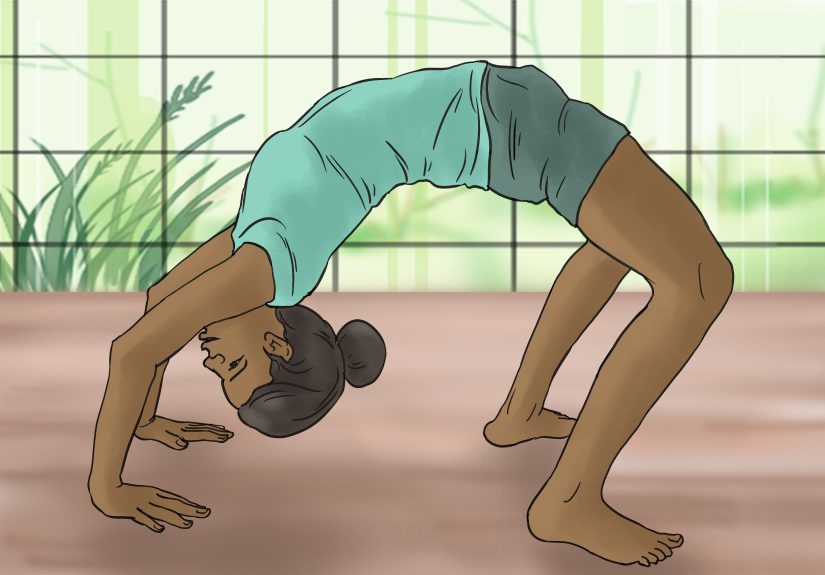
The same idea applies to tumbling. Beginners may start with rolls, bridges, handstands against a wall, cartwheel drills, and body-shape exercises before moving toward walkovers or handsprings. Tumbling should be taught on appropriate surfaces by qualified instructors. Watching a video is not the same as being coached. Videos cannot catch you. Coaches and spotters can.
Communicate Before Every Skill
Cheerleading safety depends on communication. Athletes should know the counts, the entry, the exit, and what to do if something feels wrong. Many teams use verbal cues before stunts, such as “ready,” “set,” or specific count patterns. If someone is not ready, the group should stop. “I thought maybe we could wing it” is not a safety plan.
Practice should include rules for injuries, fatigue, and mistakes. If an athlete feels pain, dizziness, or confusion, they should tell the coach. If a stunt feels unstable, the group should bring it down safely. Strong teams do not ignore warning signs; they respond early.
5. Condition Your Body and Build Teamwork
Basic cheerleading requires strength, flexibility, stamina, and teamwork. Even sideline cheer can be physically demanding because athletes may perform chants, motions, jumps, and dances for long periods. Competition cheer adds even more intensity. Conditioning helps cheerleaders stay sharp from the first count to the final pose.
Train Strength for Cheerleading
Cheerleaders need full-body strength. Core strength supports motions, jumps, stunts, and tumbling. Leg strength helps with jumps and safe landings. Upper-body strength supports motions, tumbling basics, and stunt roles. Beginner-friendly exercises include planks, squats, lunges, push-ups, calf raises, glute bridges, and hollow holds.
Conditioning should be consistent, not heroic once every three weeks. A small routine performed regularly is more useful than one monster workout that leaves you walking like a baby giraffe for four days. Start with good form, increase gradually, and rest when needed.
Improve Flexibility Without Forcing It
Flexibility helps with jumps, kicks, dance lines, and body positions. However, flexibility should be developed patiently. Forcing splits or bouncing aggressively in stretches can cause strains. Use controlled stretching after warming up, and focus on steady progress.
Common areas to stretch include hamstrings, hip flexors, calves, shoulders, wrists, and back. Cheerleaders also benefit from mobility work because many skills require movement through a wide range of motion. Flexibility is not about showing off; it is about moving well and safely.
Become a Better Teammate
Teamwork is one of the most important cheerleading skills. A beginner who listens, stays positive, practices consistently, and supports teammates can become valuable quickly. Cheerleading depends on trust. When athletes stunt, tumble, or perform together, they rely on one another’s timing and focus.
Good teammates show up prepared. They know the counts, bring the right shoes and clothes, pay attention during corrections, and encourage others. They do not roll their eyes when asked to repeat a section. Repetition is how routines become clean. It may feel boring, but clean basics win more respect than messy tricks.
Common Beginner Cheerleading Mistakes
Learning basic cheerleading is exciting, but beginners often make similar mistakes. The first is loose motions. If your elbows bend when they should be straight or your fists are floppy, the routine loses sharpness. The second mistake is rushing counts. Moving early is just as noticeable as moving late. The third is underestimating conditioning. Cheerleading takes endurance, and tired athletes often lose technique.
Another common mistake is trying advanced skills too soon. It is natural to want to learn impressive stunts and tumbling, especially when social media is full of highlight clips. But those clips rarely show months or years of drills, conditioning, failed attempts, and coaching. Respect the process. The basics are not a delay; they are the bridge.
Beginner Practice Routine for Basic Cheerleading
Here is a simple practice structure for beginners. Start with five to ten minutes of dynamic warm-up, including light cardio, arm circles, leg swings, and gentle mobility. Then spend ten minutes on motions, focusing on sharp placement and clean transitions. Next, practice chants with counts and voice projection. After that, work on jump technique with a limited number of quality repetitions. Finish with conditioning, stretching, and a review of what improved.
The key is quality over quantity. Ten clean jumps are better than thirty tired, sloppy jumps. Five sharp motion sequences are better than fifteen rushed ones. Practice should build habits you want to keep. Every repetition teaches your body something, so make sure it is teaching the right thing.
Experience Section: What Basic Cheerleading Feels Like in Real Practice
The first experience many beginners have with cheerleading is realizing that “simple” motions are not actually simple. You may stand in front of a mirror, hit a High V, and think it looks fineuntil a coach adjusts your wrists, elbows, shoulders, fists, chin, ribs, knees, and facial expression in under five seconds. Suddenly, one motion feels like assembling furniture without instructions. That is normal. Cheerleading basics are detailed because the sport rewards precision.
In a beginner practice, the atmosphere is usually a mix of excitement, nerves, and squeaky sneakers. Everyone is trying to remember counts. Someone claps on the wrong beat. Someone forgets whether the next move is a T or a Broken T. Someone smiles so hard they look mildly alarmed. Then the group runs the chant again, and it gets a little better. That is how cheerleading improvement happens: not in one magical moment, but through small corrections stacked over time.
One of the biggest lessons beginners learn is that cheerleading is louder and more physical than expected. Holding tight motions makes the arms tired. Repeating jumps makes the legs burn. Projecting your voice while moving requires breath control. Smiling while concentrating takes practice, too. At first, you may feel like your brain has too many browser tabs open. Count, move, yell, smile, land, remember the next formationno wonder cheerleaders are good at multitasking.
Another real experience is learning how important the team is. In many sports, you can practice certain skills alone and still improve. Cheerleading has individual skills, but the performance depends heavily on group timing. If one person is early, late, too close, too far, or unsure, the visual effect changes. This teaches responsibility. Your effort affects everyone else. That can feel intimidating, but it also creates strong team bonds.
Beginners also discover that corrections are not criticism; they are coaching. A coach saying “hit sharper,” “lock your elbows,” or “land softer” is not being mean. They are helping you become safer, cleaner, and more confident. The best beginner mindset is curiosity. Instead of thinking, “I messed up,” think, “Now I know what to fix.” That attitude makes practice more productive and much less stressful.
There is also a confidence shift that happens over time. The chant that once felt impossible becomes automatic. The jump that felt awkward starts to look controlled. The counts that used to scramble your brain begin to make sense. You start to hear music differently. You notice posture. You understand why coaches care about details. Most importantly, you begin to feel the fun of performing as part of a team.
Basic cheerleading is not about becoming perfect overnight. It is about learning how to move with purpose, use your voice, support teammates, and build safe athletic habits. Some days will feel great. Some days your legs will forget how jumping works. Keep practicing anyway. Cheerleading rewards consistency, energy, and resilienceand yes, occasionally a very strong hairspray strategy.
Conclusion
Learning the 5 ways to do basic cheerleading gives beginners a strong foundation: sharp motions, clear voice, steady rhythm, safe jump technique, stunt awareness, conditioning, and teamwork. These basics may not look as flashy as advanced tumbling or high-level pyramids, but they are what make every great cheerleader reliable, safe, and performance-ready.
Start slowly, practice with intention, and focus on clean technique. Work with trained coaches when learning stunts or tumbling, use safe surfaces, and respect progressions. Cheerleading is athletic, expressive, and team-centered. When you combine discipline with spirit, the result is more than a routineit is a performance that brings energy to the whole room, field, court, or gym.
Note: This article is for educational publishing purposes and is based on widely accepted cheerleading safety, conditioning, coaching, and beginner skill guidance. Stunts, tumbling, and advanced cheerleading skills should always be practiced with qualified supervision.