Table of Contents >> Show >> Hide
- The Tiny Comedy of a Full-Mouth Laugh
- Why This Moment Feels So Awesome
- The Science Behind Laughter and Bonding
- Why Food Makes Laughter Even Funnier
- The Etiquette of Full-Mouth Comedy
- How to Create More “Awesome Things” Moments
- Why This Topic Works So Well for Readers
- 500 Extra Words: Personal-Style Experiences Related to This Awesome Thing
- Conclusion
There are tiny moments in life that deserve a parade, a marching band, and possibly a commemorative fridge magnet. One of them is making someone laugh when they have a really full mouth. It is chaotic. It is risky. It is deeply human. It is the kind of everyday comedy that turns a normal meal into a legendary family story told every Thanksgiving until the mashed potatoes file a formal complaint.
The idea comes from the spirit of 1000 Awesome Things, Neil Pasricha’s famous celebration of small joys: bubble wrap, bakery smells, perfect parking spots, and those little sparks of happiness that remind us life is not just big milestones and calendar alerts. Sometimes, life is a friend trying not to spit noodles across the table because you delivered one perfectly timed joke.
This article explores why that ridiculous moment feels so satisfying, why laughter is such a powerful social glue, and why the funniest memories are often the ones that happen when nobody is ready for them. Please chew responsibly.
The Tiny Comedy of a Full-Mouth Laugh
Picture the scene. Someone has just taken a heroic bite of a sandwich. Not a polite bite. Not a “I am being photographed for a lunch menu” bite. A full, ambitious, jaw-challenging bite. Then someone says something funny.
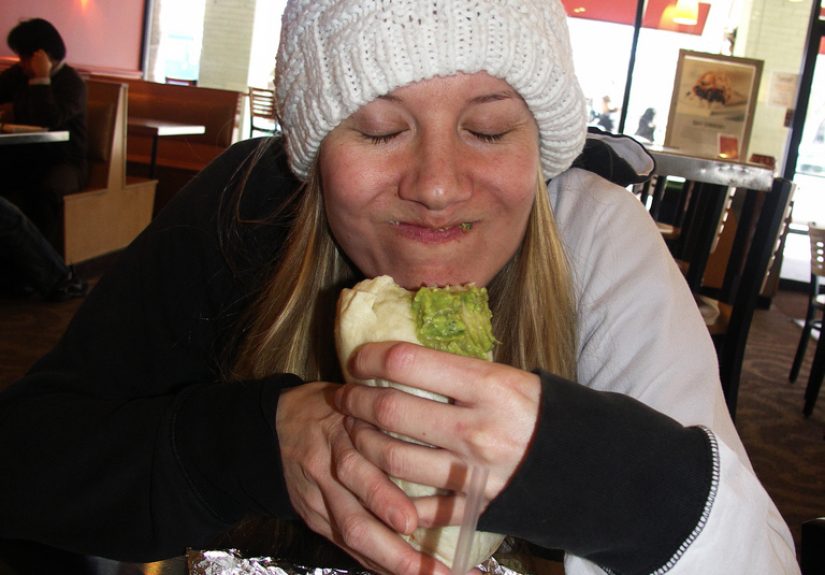
Instantly, the person with the sandwich enters survival mode. Their eyes widen. Their shoulders shake. One hand goes up in the universal sign for “do not continue unless you want to witness a food-related incident.” They look away, then look back, which is a mistake, because your face is now even funnier. The room knows what is happening. Everyone knows this laugh must be contained. The tension rises. The burrito trembles.
That is the magic. The humor is not only in the joke. It is in the effort to not laugh. Comedy gets stronger when laughter is forbidden by circumstance. A full mouth turns a small chuckle into an Olympic event. The stakes are low, but somehow they feel enormous. Nobody wants soup on the tablecloth. Everybody wants the laugh to win.
Why This Moment Feels So Awesome
Making someone laugh is already rewarding. Making someone laugh when they are physically unable to laugh properly? That is advanced-level friendship. It means your timing was sharp enough to sneak past their defenses at the exact wrong moment, which is also the exact right moment.
It Is Surprise Plus Timing
Comedy loves surprise. A joke lands hardest when it arrives just a little sideways from what the listener expected. At a meal, people are usually focused on food, conversation, and whether they can steal one more fry without being noticed. When a funny comment slips in during a bite, the brain has no time to prepare. The result is a laugh ambush.
Timing is everything. Say the same line ten seconds earlier, and it may get a smile. Say it right after the person has packed their cheeks like a chipmunk preparing for winter, and suddenly you have created an event.
It Creates Instant Connection
Laughter is social. We laugh more easily with people we trust, like, or at least tolerate enough to share appetizers with. Shared laughter tells the table, “We are in this moment together.” It makes a group feel warmer, looser, and less like a collection of people silently negotiating who gets the last dumpling.
That is why a full-mouth laugh feels bigger than a regular laugh. Everyone participates. The person trying not to laugh becomes the main character. The person who caused it becomes the accidental villain. The rest of the table becomes the audience, safety committee, and cleanup crew.
It Turns an Ordinary Meal Into a Memory
Most lunches disappear into the fog of ordinary days. You remember that you ate, probably. Maybe there was chicken. Maybe there was a salad pretending to be exciting. But the lunch where your cousin nearly launched iced tea through his nose because someone made a joke about his “serious sandwich strategy”? That one survives.
Funny memories stick because they carry emotion. They have characters, timing, suspense, and a tiny explosion of joy. A shared laugh gives a simple meal a story arc. Beginning: everyone eats normally. Middle: someone says something ridiculous. End: one person fights for dignity while the table collapses.
The Science Behind Laughter and Bonding
Laughter is not just noise your face makes when life gets silly. It has real effects on the body and mind. Research and medical experts often connect laughter with stress relief, social bonding, better mood, and physical relaxation. In plain English: laughing is your body’s way of saying, “This is good. More of this, please.”
When people laugh together, they often feel closer. That is because laughter signals safety, belonging, and shared understanding. You do not need a formal friendship contract when both of you are wheezing over the same absurd comment during taco night. The contract is written in guacamole and tears.
Laughter can also break tension. A room that feels stiff can soften with one funny line. A stressful day can become lighter after a ridiculous conversation. Even small laughter can help people reset emotionally. That is part of why everyday humor matters: it gives ordinary life little trapdoors into joy.
Why Food Makes Laughter Even Funnier
Food has a special role in comedy because eating is both normal and vulnerable. We like to think of ourselves as elegant creatures, but then someone catches us mid-bite, and suddenly we are just mammals negotiating bread.
Meals are full of tiny risks: sauce on your shirt, spinach in your teeth, a noodle that refuses to cooperate, a cookie that crumbles like it has personal problems. Add laughter, and all those risks become theatrical. The full-mouth laugh is funny because it exposes the gap between our polished public selves and our goofy human reality.
The “Please Stop” Hand Wave
Every full-mouth laugh has its own body language. The most famous is the frantic hand wave. It means: “This is hilarious, but I am currently hosting a dangerous quantity of lasagna.”
There is also the closed-eye head shake, the napkin shield, the turn-away maneuver, and the desperate water reach. These gestures are part of the comedy. They say the joke worked too well. They are applause without sound.
The Table Goes Silent, Then Explodes
Another reason this moment is so satisfying is the suspense. Everyone waits. Will the person recover? Will they swallow safely? Will the joke-maker show mercy? Usually, no. Someone adds one tiny extra comment, and the whole table breaks. It is not mature. It is not dignified. It is absolutely awesome.
The Etiquette of Full-Mouth Comedy
Let us be clear: making someone laugh with a full mouth is funny, but safety comes first. The goal is laughter, not a dramatic restaurant rescue scene. A good friend knows when to stop. A great friend knows when to stop, then silently makes a funny face anyway from across the table like a true menace.
If someone is actively chewing, give them a chance. If they are drinking, be careful. If they are eating soup, respect the blast radius. Humor is best when everyone survives with clothing intact and dignity only lightly damaged.
Know Your Audience
Some people love playful teasing. Others prefer calm meals where no one weaponizes punchlines near beverages. The funniest moments happen when everyone feels comfortable. Good humor includes the other person; it does not humiliate them.
The best full-mouth laugh is affectionate. It says, “I know you, I enjoy you, and I accidentally timed that joke like a comedy sniper.” It should leave everyone smiling, not embarrassed.
Avoid Cruel Jokes
There is a big difference between being funny and being mean. A silly observation, a clever callback, or an absurd comment can create laughter. A joke about someone’s insecurity can ruin the meal. Keep the humor light, kind, and shared. The world has enough sharp edges. Your dinner table does not need extra knives beyond the cutlery.
How to Create More “Awesome Things” Moments
The beauty of 1000 Awesome Things is not only the list itself. It is the way it trains us to notice small pleasures. The full-mouth laugh is a perfect example because it is ordinary, free, and impossible to schedule. You cannot put “make Jessica laugh dangerously during pasta” on a calendar invite. It has to happen naturally.
Still, you can create the conditions for more everyday joy. Spend time with people who make you feel relaxed. Put your phone down during meals. Listen closely enough to catch funny openings. Let conversations wander. Some of the best jokes are not planned; they sneak out wearing sweatpants.
Practice Noticing the Small Stuff
Awesome moments are often hiding inside normal ones. The first sip of coffee. The sound of rain when you do not have to go outside. The relief of finding your keys in the first place you check. The friend who laughs so hard they become temporarily silent, which is somehow funnier than the laugh itself.
When you notice these moments, life feels richer. Not perfect. Not magically free of bills, emails, traffic, or that one drawer full of mysterious cables. Just richer. More textured. More alive.
Let Yourself Be Silly
Adults often act like silliness is something we should outgrow, as if turning thirty means trading joy for ergonomic chairs and opinions about interest rates. But silliness is not childish. It is human. It helps us breathe inside serious lives.
A full-mouth laugh is silly in the best way. It interrupts the polished version of ourselves and reveals the real one underneath: playful, surprised, vulnerable, and covered in crumbs.
Why This Topic Works So Well for Readers
From an SEO perspective, the title “#700 Making someone laugh when they’ve got a really full mouth – 1000 Awesome Things” taps into several reader interests at once: humor, everyday happiness, nostalgic internet culture, positive thinking, and relatable social moments. People search for funny life observations because they want content that feels familiar. They want to read something and think, “Yes. I have absolutely done that. I have been the person with the full mouth. I have known fear.”
That relatability is powerful. The best lifestyle writing does not always need a grand topic. Sometimes it needs a tiny truth described well. Everyone understands laughter. Everyone understands meals. Everyone understands the danger of hearing something funny at the exact moment they should not.
This is why small, specific subjects can create strong engagement. They invite readers into a shared experience. They are easy to picture, easy to remember, and easy to share. A broad article about happiness may be useful, but a story about almost losing control of a milkshake because your friend said one ridiculous thing? That is unforgettable.
500 Extra Words: Personal-Style Experiences Related to This Awesome Thing
One of the best things about making someone laugh when they have a full mouth is that the memory often becomes funnier with time. In the moment, there is panic. Later, there is mythology. A simple dinner becomes “the night of the almost-incident.” The sandwich becomes “that sandwich.” The joke becomes impossible to repeat because everyone starts laughing before the punchline.
Think about a family dinner where everyone is trying to behave. The table is set. Someone has made a serious dish that took three hours and twelve emotional support phone calls. Then one person makes a quiet comment, maybe about the shape of a potato or the dramatic way Grandpa says “gravy.” The person across the table has just taken a giant bite. Their face freezes. They try to stay composed. They fail slowly, which is the funniest kind of failure.
The whole table sees it happen. First, one shoulder shakes. Then another. Their eyes water. They point at the joke-maker as if accusing them in court. Someone says, “Don’t make them laugh!” which, of course, makes everything worse. That sentence has never helped in the history of human civilization. It is basically gasoline wearing a nametag that says “Helpful.”
Or imagine a lunch break at work. Everyone is tired. The morning has been long. The emails have been multiplying like rabbits with Wi-Fi. Someone opens a container of leftovers, and another person tells a perfectly timed story about a meeting, a typo, or a printer that seems emotionally unavailable. The person eating tries to laugh quietly. Instead, they make a sound that cannot be classified by science. Suddenly the whole break room wakes up.
These moments matter because they remind us that connection does not require big plans. You do not need a vacation, a fancy restaurant, or matching linen outfits on a beach at sunset. Sometimes you need a paper plate, a bad pun, and one friend who takes bites too large for the emotional demands of conversation.
There is also something sweet about being the person who causes the laugh. You feel a tiny spark of pride. Not arrogant pride, like you have conquered comedy forever, but warm pride. You made someone’s day lighter. You surprised them. You caught them off guard in a way that made the room happier.
And being the person with the full mouth? That has its own charm. Yes, it is dangerous territory. Yes, you may need a napkin shield. But it also means you were so genuinely amused that your body refused to wait for proper timing. That kind of laugh is honest. It is not polite. It is not curated. It is joy kicking open the door while your mouth is still dealing with fries.
Years later, people may not remember the menu, the weather, or what everyone was wearing. But they will remember the laugh. They will remember the red face, the waving hands, the heroic swallow, and the moment everyone lost it together. That is the heart of this awesome thing: a tiny, messy, ridiculous burst of shared happiness.
Conclusion
Making someone laugh when they have a really full mouth is one of those perfectly small, perfectly human pleasures that deserves its place among the great everyday joys. It combines timing, surprise, friendship, food, and just enough danger to make the moment unforgettable. It is funny because it is real. It is awesome because it connects people instantly.
In a world that often celebrates big achievements, this little moment reminds us to appreciate the tiny scenes that make life warmer. A laugh at the wrong time can become a memory at the right time. A normal meal can turn into a story. A mouthful of food can become the setting for comedy gold.
Note: This article is written as an original, human-style SEO blog inspired by the topic and informed by real information about laughter, stress relief, social connection, and the everyday-happiness theme behind 1000 Awesome Things.