Table of Contents >> Show >> Hide
- Why a Private Provence Winery Tour Feels Different
- The Landscape Behind the Glass
- What You’ll Actually See on the Tour
- What the Wines Usually Taste Like
- How Food Elevates the Experience
- When to Book a Private Winery Visit in Provence
- How to Make the Most of the Visit
- The Real Luxury of a Private Tour
- 500 More Words on the Experience of a Private Tour of a Provencal Winery
- Conclusion
Some trips are built around landmarks. Others are built around lunch. And then there are the truly civilized vacations, the ones built around a glass of chilled wine in a place so lovely it makes your phone camera feel underqualified. That is the magic of a private tour of a Provencal winery. It is not just a tasting. It is a slow-motion lesson in landscape, hospitality, and the fine art of pretending you always knew what Tibouren was.
In Provence, wine is not treated like a side quest. It is part of the scenery, part of the meal, part of the rhythm of the day. The region’s vineyards spill across hillsides, bask in Mediterranean light, and turn out bottles that feel tailor-made for long lunches, seafood suppers, and conversations that begin with “just one glass” and somehow end with dessert. A private winery visit brings you closer to that world. Instead of hustling through a crowded tasting bar, you get time, context, and the rare luxury of asking as many questions as you like without someone behind you sighing dramatically into their sunhat.
Why a Private Provence Winery Tour Feels Different
A private tour of a Provencal winery is not simply a fancier version of a public tasting. The difference is intimacy. On a private visit, the experience often unfolds at the pace of the estate rather than the pace of a queue. You might begin with a walk through the vines, continue into the cellar, then settle into a shaded terrace or tasting room where the wines are poured in a sequence that actually tells a story.
That story matters in Provence because the region is far more nuanced than its postcard reputation suggests. Yes, the area is famous for pale rosé, and deservedly so. But a thoughtful estate visit quickly reveals that Provencal wine is not one-note. The wines shift with altitude, soil, distance from the sea, grape blend, and the philosophy of the producer. Some estates lean crisp and citrusy. Others make rosés with more structure and spice. Some focus on reds with savory depth. Others produce bright whites that deserve more applause than they usually get.
In a private setting, these distinctions stop being abstract wine-talk and become deliciously obvious. One sip tastes like wild strawberries and herbs. Another brings mineral tension and a brisk, salty snap. A deeper rosé from Bandol can feel almost like the overachieving older sibling at a family reunion: richer, more serious, and just a little smug about it.
The Landscape Behind the Glass
The first thing a good host helps you understand is that Provence is not a single flavor. It is a patchwork. The wines are shaped by limestone, clay, schist, sun, altitude, and sea influence. The broad Côtes de Provence area may be the best-known name on labels, but it is only one part of a wider mosaic that includes Bandol, Coteaux d’Aix-en-Provence, Coteaux Varois en Provence, and Les Baux-de-Provence, among others.
This is why a private winery tour is so rewarding. You are not just tasting wine; you are tasting geography with excellent manners. In Bandol, Mourvèdre brings body, savory notes, and aging potential. Around Aix, you may encounter wines with more structure and a slightly broader frame. In estates shaped by organic or biodynamic farming, the conversation often turns to soil health, biodiversity, and the push to adapt to warmer growing conditions without losing freshness.
That last point is increasingly important. Provence may look relaxed, but modern winemaking here involves serious thinking. Growers are adapting to climate pressure, rethinking farming methods, and putting more emphasis on environmental certifications and long-term vineyard resilience. So yes, you are here for vacation pleasure. But you are also getting a firsthand look at how one of the world’s most recognizable wine regions is evolving.
What You’ll Actually See on the Tour
1. The Vineyard Walk
This is where the romance begins. Expect rows of Grenache, Cinsault, Syrah, Mourvèdre, and sometimes the less-famous but very charming Tibouren or Rolle. You may hear about canopy management, harvest timing, and why one parcel ripens earlier than another. You may also hear a phrase like “Mediterranean influence” at least three times, and for once it will not feel like marketing fluff.
If the estate sits near Aix or in the Luberon, the stroll can be especially cinematic: pale stone buildings, cypress lines, olive trees, and hills that look as though they were designed by someone with a mild addiction to beauty. Certain estates near Aix even combine wine with contemporary art, sculpture, or design, proving that Provence is perfectly capable of being rustic and polished at the same time.
2. The Cellar or Winery
Then comes the part where grapes become gossip-worthy. A host may explain direct pressing, short skin contact, temperature-controlled fermentation, and why pale rosé is not simply pink wine with a good publicist. You begin to understand how Provencal rosé gets its delicate color and refreshing style. If the estate also makes red or white wine, the cellar visit becomes even more interesting because the production choices change dramatically from one style to another.
This is also the moment when private tours shine. In a larger group, the cellar can feel like a lecture. In a private visit, it feels like a conversation. You can ask whether oak is used, why one cuvée leans more floral than fruity, or whether the family always planned to make wine here. Nobody rushes you along. Nobody looks offended when you admit you still confuse Vermentino and Rolle, which, to be fair, is the same grape anyway.
3. The Tasting
At last, the reward. A private tasting is often more curated than a standard walk-in visit. Instead of three hurried pours at a counter, you may receive a guided progression that shows the estate’s full personality. A fresh, pale rosé might lead, followed by a fuller rosé, then a white with citrus and herbal lift, and perhaps a red that reminds you Provence can do more than summer in a bottle.
Some tastings happen in dedicated private rooms. Others unfold on a terrace, under trees, or in a courtyard where time seems to soften around the edges. Around Aix and the Luberon, estates such as Domaine de Fontenille have helped define this more refined kind of visitor experience, where the tasting feels woven into the broader Provencal lifestyle rather than isolated from it.
What the Wines Usually Taste Like
If you are touring a Provencal winery, rosé will almost certainly take center stage. The classic profile is dry, crisp, and refreshing, with notes of citrus, tart red berries, stone fruit, flowers, herbs, and a touch of minerality. It is the kind of wine that manages to feel effortless and precise at once, like someone who looks casually elegant while you are sweating through your linen shirt.
But even within that familiar style, there is real range. A classic Côtes de Provence rosé may be all lift and energy, ideal as an apéritif. A Bandol rosé can be deeper, spicier, and more structured, with the kind of grip that allows it to pair with serious food. A rosé from Aix can show more width and backbone. Les Baux-de-Provence may surprise you with bottles that feel bolder and more gastronomic. Private tastings are ideal for picking up those differences because your host can walk you through them as you taste.
Do not overlook the whites and reds. Provencal whites often bring bright acidity, citrus notes, herbs, and a saline quality that flatters seafood beautifully. The reds, especially those with Mourvèdre or Syrah, can be savory, herbal, and unexpectedly complex. They are the quiet achievers of the region: less famous than the rosés, but often the bottle the host is most excited for you to discover.
How Food Elevates the Experience
A winery tour in Provence without food is like a beach day without sunshine: technically possible, but emotionally incorrect. The region’s wines are famously food-friendly, and private visits often include small bites or can be extended into lunch. This is where the local pairings start to make perfect sense.
Rosé from Provence sings with salade niçoise, olive tapenade, goat cheese, savory tarts, grilled white fish, and other sunny dishes that seem designed to be eaten outdoors. Fuller rosés, especially from Bandol, can stand up to bouillabaisse or grilled meats. Whites pair beautifully with shellfish, vegetables, and simply cooked fish. Reds can handle lamb, roasted vegetables, and dishes laced with herbs de Provence.
The real charm of a private tour is that the pairings are not theoretical. You taste the wine, then try it with a bite of cheese or a salty olive spread, and suddenly the whole region clicks into place. Provence stops being a romantic idea and becomes a flavor system. That may sound very serious. Fortunately, it is also delicious.
When to Book a Private Winery Visit in Provence
Summer is famous, photogenic, and occasionally crowded enough to test your commitment to beauty. For a more relaxed experience, shoulder season is often the sweet spot. April, May, early June, late September, and October can offer excellent conditions for exploring the South of France with fewer crowds and a calmer pace.
Spring brings green vineyards, flowers, and cool mornings that make outdoor tastings feel civilized. Early summer layers on full Provencal drama, especially when lavender season starts to color the countryside. Fall, meanwhile, offers warmer tones, harvest energy, and the particular pleasure of tasting wine in a landscape that feels productive rather than purely decorative.
A private tour is especially worthwhile in these quieter months because the hospitality often feels more personal. Hosts may have more time to talk, tastings may run longer, and the whole visit can feel less like an attraction and more like being welcomed onto a working estate.
How to Make the Most of the Visit
Book with intention
Choose an estate based on what you want to experience. Love crisp, classic rosé? Look for a strong Côtes de Provence producer. Want something richer and more age-worthy? Consider Bandol. Want wine plus design, architecture, or art? Estates near Aix offer especially stylish options.
Ask questions you actually care about
You do not need to perform as a fake sommelier. Ask what grows best on the property. Ask why one wine is paler than another. Ask which bottle the family serves at lunch. Those answers are usually more memorable than a recital of technical jargon.
Leave room for lunch
This is Provence, not a sprint. A private tour pairs beautifully with a leisurely lunch in a village nearby. Lourmarin, Saint-Rémy, Cassis, and the countryside around Aix all understand the assignment.
Buy the bottle with the story
The smartest souvenir is not always the most expensive wine. It is the bottle that reminds you of the moment: the one you loved on the terrace, the one that changed your mind about rosé, or the red that surprised you so much you are still talking about it at the airport.
The Real Luxury of a Private Tour
Luxury in Provence is not always about grandeur. Sometimes it is simply about being allowed to slow down. A private tour of a Provencal winery gives you space to notice things: the smell of warm herbs near the vines, the pale shimmer of wine in the glass, the way a host lights up when talking about harvest, the difference between a rosé meant for poolside sipping and one meant for the dinner table.
It is also one of the best ways to understand the region beyond cliché. Yes, Provence has lavender, sunshine, and suspiciously photogenic shutters. But it also has serious growers, layered appellations, thoughtful farming, and wines that reward attention. A private winery visit lets you experience all of that without the usual rush. It is educational without being stiff, indulgent without being silly, and beautiful without trying too hard. In other words, very Provencal.
500 More Words on the Experience of a Private Tour of a Provencal Winery
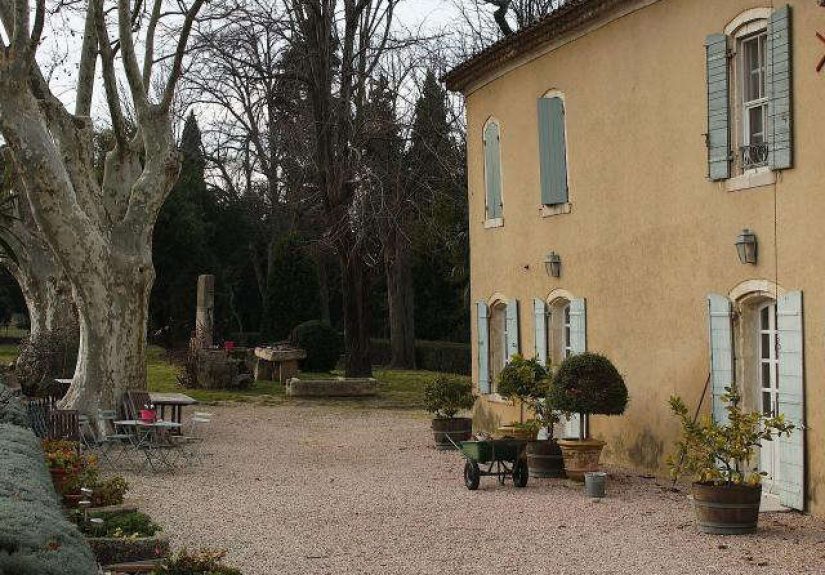
Imagine arriving just after mid-morning, when the light is bright but not yet bossy. The driveway is lined with plane trees or cypress, the gravel crunches underfoot, and somewhere nearby there is the smell of thyme, rosemary, or warm stone. Before you even taste a drop, the setting starts doing persuasive work. Provence has a way of making you feel as though your daily schedule back home was an unfortunate clerical error.
The host greets you not with a canned speech, but with ease. This matters. A private winery visit feels less like a commercial transaction and more like being let into a world that is usually glimpsed from postcards and Instagram carousels. You may start in the courtyard, coffee in hand, while the guide explains how the estate fits into the broader wine map of Provence. Suddenly, names that once sounded decorative become useful. Côtes de Provence. Bandol. Aix. Varois. They are not just labels now; they are styles, climates, and choices.
As you walk the vineyard, you begin to notice how quiet the place really is. Not silent, exactly. There are insects, wind, birds, and the faint soundtrack of rural work in the distance. But it is a restorative kind of quiet, the kind that makes city noise seem like a design flaw. The vines themselves are rarely dramatic in a theatrical sense, yet they become fascinating when someone explains why one row is pruned a certain way, why another parcel is harvested later, or why a grape that thrives near the coast behaves differently farther inland.
Then comes the tasting, and this is where memory tends to stick. Maybe the first rosé is pale as a seashell and smells like citrus peel and strawberries. Maybe the second is fuller, touched with herbs and spice. Maybe a white wine appears and steals the show with its freshness. Maybe a red arrives at the end and quietly rearranges your assumptions about Provence. One of the pleasures of a private tasting is that nobody seems shocked when you like the underdog best.
Food changes everything too. A sliver of goat cheese, a spoonful of tapenade, a tomato tart, a plate of grilled fish, a few olives that somehow taste better than any olives have a right to taste: these small bites make the wines feel complete. You stop evaluating them as isolated beverages and start seeing them as part of a table, a climate, and a way of life. That is the real lesson of the day. Provencal wine is not only about aroma notes and acidity. It is about context.
By the time you leave, the experience has usually become bigger than wine. You remember the cellar’s cool air after the heat outside. You remember the host’s favorite bottle. You remember how lunch lasted longer than planned and how nobody seemed concerned. Best of all, you carry away a sharper sense of what makes Provence special. It is not just beauty. It is beauty with discipline, pleasure with craft, and hospitality with a quietly confident point of view. A private tour of a Provencal winery lets you taste all of that in a single afternoon, which is frankly a pretty strong argument for booking one.
Conclusion
A private tour of a Provencal winery is one of the most rewarding ways to experience the South of France because it connects the region’s beauty to its craftsmanship. You see where the grapes grow, learn why the wines taste the way they do, and enjoy a slower, more personal style of hospitality that public tastings often cannot match. Whether you are drawn by pale rosé, curious about Bandol, or simply looking for an unforgettable afternoon among vines and stone, Provence delivers a wine experience that feels both luxurious and grounded. It is not only a tasting. It is a deeply local way to understand the land, the food, and the rhythm of life that make this corner of France so irresistible.