Table of Contents >> Show >> Hide
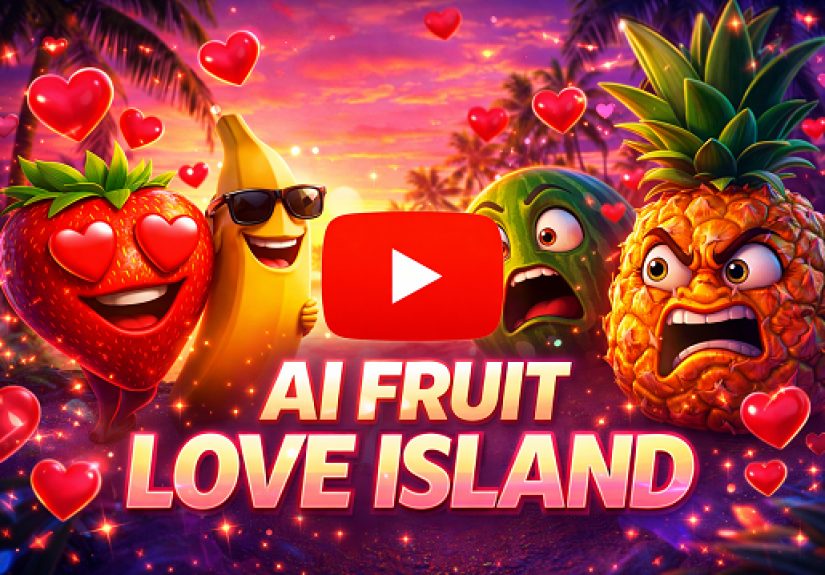
AI Fruit Love Island, the bizarre TikTok microdrama that asks one very important question nobody was asking before 2026: what if reality TV contestants were flirty fruit with chaotic love lives? Somehow, against all logic and possibly several laws of good taste, the answer turned out to be “people cannot stop watching.”
Part parody, part social-media experiment, and part proof that the algorithm enjoys mischief, AI Fruit Love Island turns anthropomorphic fruit into a tiny dating-show universe full of betrayals, recouplings, dramatic reveals, and suspiciously serious emotional stakes. It sounds ridiculous because it is ridiculous. It is also weirdly effective.
What Is AI Fruit Love Island?
At its core, AI Fruit Love Island is a short-form, AI-generated series designed for vertical video. It borrows the familiar rhythm of dating reality TV: attractive contestants, shifting alliances, heartbreak, jealousy, and the constant possibility that somebody is about to choose chaos. The difference is that the cast looks more like a produce aisle having a collective meltdown.
That visual absurdity is exactly why the series works. Viewers immediately understand the joke, but the format does not stop at one punchline. The best episodes play like mini cliffhangers, giving TikTok users just enough drama to watch, react, comment, and return for the next installment.
Why It Went So Viral
1. It mixes trashy TV energy with meme culture
AI Fruit Love Island succeeds because it feels familiar and strange at the same time. Fans already understand the language of villa drama, bombshell arrivals, and messy recouplings. Turning that formula into fruit-based chaos makes it instantly funny without needing a long explanation. On TikTok, that kind of instant clarity is pure rocket fuel.
2. The episodes are built for bingeable scrolling
Short-form storytelling has become one of TikTok’s most powerful formats, and this series leans into it beautifully. Each clip feels like a tiny episode of a much larger soap opera. You do not just watch one; you accidentally watch six and then wonder when you became emotionally invested in a jealous pineapple.
3. It sparks conversation, parody, and backlash
Like many viral AI trends, AI Fruit Love Island is not only popular because people love it. It is also popular because people argue about it. Some viewers see it as hilarious, inventive internet entertainment. Others see it as another example of “AI slop” getting rewarded for speed, volume, and shock value. That tension keeps the conversation alive, which only makes the trend bigger.
What It Says About TikTok Right Now
The rise of AI Fruit Love Island says a lot about the current state of social media. First, storytelling still wins. Even with intentionally silly visuals, viewers come back for tension, personality, and surprise. Second, internet culture now rewards content that can be enjoyed on multiple levels at once: ironic, sincere, dumb, clever, and slightly alarming. This series checks every box like it is trying to win a game show.
It also shows how fast AI entertainment is moving. What once felt like a novelty now looks more like a new content category: fast, serialized, remixable, and built to trigger reactions. Whether that is exciting or mildly terrifying depends on how many fruit love triangles you can handle before lunch.
Conclusion
AI Fruit Love Island is more than a passing TikTok joke. It is a snapshot of where internet entertainment is headed: faster, stranger, more interactive, and more polarizing. It proves that people will absolutely show up for a good story, even when the cast is made of fruit and the drama looks like it was engineered by a caffeinated algorithm.
In other words, AI Fruit Love Island is absurd, addictive, and oddly revealing. The fruit may be fake, but the virality is very real.