Table of Contents >> Show >> Hide
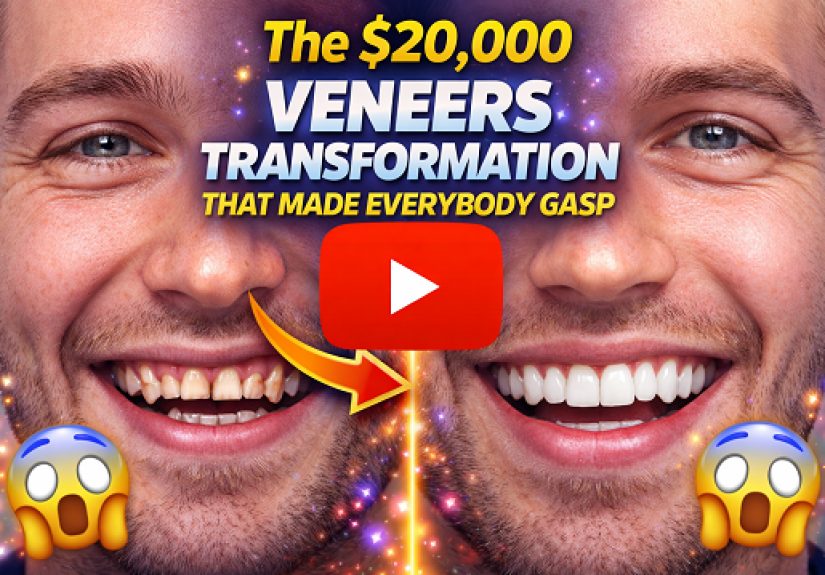
The viral $20,000 veneers transformation that made everybody gasp managed to stop the scroll in record time. Why? Because it hit the internet’s favorite pressure point: beauty enhancement so dramatic that viewers could not decide whether to applaud, panic, or replay it five more times.
The clip exploded not just because the smile looked brighter and bigger, but because it tapped into a much larger conversation about cosmetic dentistry, social media beauty standards, and the modern obsession with looking polished enough to blind a ring light. In other words, it was never just about teeth.
What happened in the viral veneers transformation?
The now-famous TikTok centered on a creator revealing an ultra-bright, high-impact veneer upgrade that reportedly cost $20,000. The reaction was immediate. Some viewers loved the bold, pageant-level confidence of the new look. Others said the transformation felt too dramatic, too white, too perfect, or simply too much. Naturally, that disagreement only made the video more viral.
That is how TikTok works: the moment a beauty reveal becomes polarizing, it graduates from “interesting” to “internet event.” People were not just reacting to the teeth. They were reacting to what the teeth represented—money, status, personal taste, and the very online question of whether beauty should look natural or obviously enhanced.
Why this veneers story made such a big splash
Shock value is social media catnip
A massive smile transformation is built for virality. Before-and-after content already performs well, but cosmetic changes hit even harder because they invite instant judgment. One glance and viewers think they know exactly how they feel. That emotional speed is the fuel TikTok runs on.
The “perfect smile” trend is colliding with a natural-look backlash
For years, veneers have symbolized the polished, camera-ready dream: uniform color, even shape, and main-character brightness. But the internet is getting complicated about that ideal. More people are celebrating natural teeth, softer beauty, and less “copy-paste perfection.” That tension is exactly why this veneers transformation blew up. It landed in the middle of a culture war between enhancement and authenticity.
What people should know before chasing the look
Veneers can absolutely boost confidence, but they are not the same thing as a whitening strip and a good angle. They are a serious cosmetic dental procedure, often expensive, usually permanent in some form, and best handled by licensed professionals who evaluate both appearance and oral health. That is why dentists keep warning viewers not to confuse viral content with risk-free inspiration.
There is also a practical lesson hiding inside all the comment-section chaos: trends move fast, but dental work lasts a long time. A look that feels exciting in one viral moment can feel very different a year later. That does not mean nobody should get veneers. It just means major smile changes deserve real research, realistic expectations, and maybe a cooling-off period before anyone lets the algorithm make dental decisions on their behalf.
Conclusion
The $20,000 veneers transformation that made everybody gasp became bigger than one TikTok reveal. It turned into a mini case study in how beauty trends spread, how internet audiences judge cosmetic choices, and how quickly a smile can become a cultural debate. Some viewers saw confidence. Others saw excess. Everyone saw the video.
And that may be the real story here: in the social media age, a smile is not just a smile. It is branding, identity, aspiration, and controversy all packed into one very bright close-up.