Table of Contents >> Show >> Hide
- Why Disney Characters Work So Well as Oil Paintings
- Meet Heather Edwards, the Artist Behind the Magic
- The Style: More Pre-Raphaelite Than Simple “Renaissance Disney”
- Not Just Pretty Pictures: These Paintings Reveal Character
- Why These Paintings Feel So “Hangable”
- The Power of Nostalgia in Fine Art
- Oil Painting Techniques That Make the Magic Feel Real
- Why the Internet Loves Disney Reimaginings
- From Screen to Wall: How to Style This Kind of Art at Home
- What These Paintings Teach Us About Character Design
- The Fine Line Between Inspiration and Imitation
- Experience Section: Living With the Idea of Disney Oil Paintings
- Conclusion
Editor’s note: This article is written for web publication and synthesizes publicly available information about Heather Edwards, formerly Heather Theurer, Disney Fine Art, oil-painting traditions, and the modern love of character-inspired wall art. No source links are embedded, per publishing requirements.
There are two kinds of people in the world: people who watch a Disney movie and say, “That was cute,” and people who watch a Disney movie and immediately begin rearranging their entire bedroom aesthetic around a fictional castle, a talking teapot, and one emotionally complicated sea witch. Artist Heather Edwards, widely known to longtime fans as Heather Theurer, speaks directly to that second groupbut with the technical seriousness of someone who has clearly spent more time studying light, fabric, expression, and atmosphere than most of us spend choosing a profile picture.
Her Disney-inspired oil paintings reimagine beloved animated characters as if they had stepped out of a classic museum portrait and wandered into a fairytale at golden hour. The result is not simple fan art. It feels more like a visual translation: cartoon charm becomes fine-art drama, familiar faces become emotionally rich portraits, and childhood nostalgia suddenly looks mature enough to hang above a velvet sofa without apologizing to the interior design police.
The viral appeal is easy to understand. Disney characters already live in the imagination, but Edwards gives them texture, weight, and the kind of luminous atmosphere associated with historical painting. Her work invites viewers to slow down and see characters such as Merida, Ariel, Mulan, Cinderella, Belle, Elsa, Lilo, Stitch, Tiana, and even Mr. Toad with fresh eyes. These are not flat recreations. They are mood pieces, character studies, and love letters to storytelling.
Why Disney Characters Work So Well as Oil Paintings
Disney animation has always borrowed from the language of fine art. Background paintings, color scripts, costume design, gesture drawing, and dramatic lighting all help transform simple stories into emotional worlds. Think of the moody forests in Sleeping Beauty, the glowing ballroom in Beauty and the Beast, the misty Scottish Highlands in Brave, or the lantern-lit sky in Tangled. These films are already painterly before anyone ever brings out a brush.
Oil painting adds another layer of magic because the medium is associated with depth, patience, and permanence. Unlike quick digital sketches or poster-style illustrations, traditional oil-painting techniques can create subtle transitions in skin tones, jewel-like color, reflective eyes, and layered shadows. A good oil painting does not merely show a character; it lets that character breathe.
That is exactly why these Disney character oil paintings feel so compelling. They take figures many viewers know from childhood and place them in a visual language usually reserved for queens, saints, warriors, mythic heroines, and dramatic historical sitters who definitely knew how to hold still for three hours.
Meet Heather Edwards, the Artist Behind the Magic
Heather Edwards, formerly Heather Theurer, is an American artist known for fantasy realism, richly detailed portraits, wildlife art, symbolic imagery, and licensed interpretations of Disney characters. She has often been described as self-taught, and that detail matters because her work carries the mark of someone who learned by looking deeply rather than simply following classroom formulas.
Her paintings are rooted in observation: faces, animals, textiles, weather, light, posture, and emotional tension. That wide range of study helps explain why her Disney pieces feel less like costume portraits and more like living moments. A dress is not just a dress; it has weight and folds. Hair is not just a shape; it catches light. A character’s gaze is not just “pretty”; it suggests longing, bravery, grief, mischief, curiosity, or quiet determination.
Her Disney-related work has been associated with Disney Fine Art, an officially licensed program featuring interpretive artwork based on Disney animated films and characters. This matters because the pieces exist in a space between popular culture and collectible fine art. They appeal to Disney fans, yes, but also to people who appreciate classical composition, fantasy realism, and paintings that look like they belong in a gallery rather than a lunchbox aisle.
The Style: More Pre-Raphaelite Than Simple “Renaissance Disney”
Many viewers describe Edwards’ Disney portraits as Renaissance-style art, and that comparison is understandable. The paintings have dramatic lighting, careful realism, and a sense of grandeur. But the better comparison is often the Pre-Raphaelite movement of the 19th century, known for jewel-toned colors, romantic emotion, detailed natural settings, flowing hair, symbolic storytelling, and a fascination with literature and myth.
That Pre-Raphaelite influence makes perfect sense for Disney characters. Disney stories are full of enchanted forests, impossible choices, curses, transformations, secret identities, and heroines staring toward the horizon like they just heard destiny clearing its throat. The Pre-Raphaelite mood gives those stories a richer visual vocabulary.
In Edwards’ hands, a princess does not simply smile at the viewer. She appears caught in the middle of a private thought. A brave warrior does not merely pose in costume. She seems to carry the emotional burden of family, duty, and courage. A mischievous creature does not just look cute. It becomes part of a larger story about belonging.
Not Just Pretty Pictures: These Paintings Reveal Character
The strongest feature of these Disney oil paintings is not technical polish, though there is plenty of that. It is interpretation. Edwards does not simply ask, “What would this animated character look like in real life?” That question alone can lead to stiff, over-rendered images that feel like cosplay trapped under varnish. Instead, her work asks, “What emotional truth sits underneath this character?”
Merida: Wildness, Courage, and Family Tension
Merida from Brave is an ideal subject for this style. Her story is already filled with rugged landscapes, family conflict, independence, and a fierce connection to the natural world. In a fine-art interpretation, her famous red hair becomes more than a character feature; it becomes movement, fire, rebellion, and personality. The result feels less like a princess portrait and more like a study of a young woman pushing against the frame that society built for her.
Mulan: Strength Without Shouting
Mulan is another character who benefits from realistic reinterpretation. Animated Mulan is expressive and iconic, but an oil-painted Mulan can emphasize restraint, discipline, sacrifice, and internal courage. The finest versions of this kind of portrait do not need to overstate her bravery. A controlled posture, a focused gaze, and carefully handled costume details can say more than a dramatic battle pose ever could.
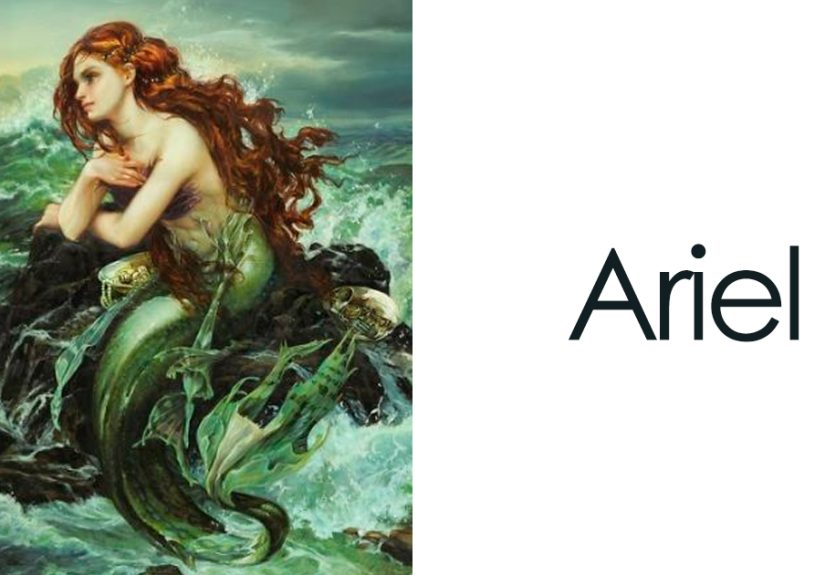
Ariel: Longing in Luminous Color
Ariel from The Little Mermaid is often remembered for curiosity and romance, but a painterly approach can deepen her into a figure of longing. Shorelines, water, reflective light, and windswept hair all suit the oil medium beautifully. In a fine-art setting, Ariel is not just “the mermaid who wants legs.” She becomes a symbol of desire, transformation, and the strange ache of wanting a life just beyond reach.
Tiana: Ambition, Grace, and New Orleans Warmth
Tiana from The Princess and the Frog brings a different kind of power. Her story is grounded in work ethic, dreams, food, music, family, and the cultural atmosphere of New Orleans. A realistic portrait can highlight her elegance without losing the practical determination that defines her. She is not waiting around for magic to solve everything. If magic shows up, wonderful. If not, she has a business plan and probably a better gumbo recipe than anyone in the room.
Lilo and Stitch: Softness, Chaos, and Belonging
Some of the most charming character reinterpretations are not the obvious princess portraits. Lilo and Stitch, for example, offer a completely different emotional palette. Their story is about loneliness, family, weirdness, grief, and unconditional attachment. A painterly version can turn the pair into something tender and surprisingly intimate. Stitch may be an alien chaos potato, but in the right composition, he becomes a symbol of being loved despite being complicated. Relatable? Absolutely.
Why These Paintings Feel So “Hangable”
The title says you will want to hang these paintings in your room, and honestly, that is not an exaggeration. A major reason is that Edwards’ Disney art does not look childish, even though it draws from childhood stories. It has enough sophistication to work in adult spaces: reading corners, gallery walls, bedrooms, studios, nurseries with taste, and living rooms where someone owns at least one candle they describe as “earthy.”
Disney decor can easily become too loud if every item is covered in logos, bright colors, and familiar cartoon poses. These oil-painting-style interpretations are different. They whisper rather than shout. They carry the nostalgia without turning the room into a theme park gift shop. That balance is what makes them so attractive to grown-up fans who still love Disney but do not necessarily want their entire apartment to look like Mickey Mouse personally handled the renovation.
The Power of Nostalgia in Fine Art
Nostalgia is not just a soft feeling. It is a design force, a marketing force, and an emotional shortcut. Disney characters are powerful because many people first met them during formative years. They watched these movies at sleepovers, on family trips, during sick days, after school, or on old DVDs that skipped at the worst possible moment. When those same characters are reimagined through fine art, viewers get two pleasures at once: recognition and rediscovery.
Recognition says, “I know this character.” Rediscovery says, “I never thought of them this way.” That second feeling is where the magic happens. A familiar animated figure becomes mysterious again. A story everyone knows suddenly feels personal, elegant, and even a little grown-up. It is like hearing a childhood lullaby performed by a full orchestra. Same melody, bigger feelings.
Oil Painting Techniques That Make the Magic Feel Real
Oil painting has been prized for centuries because it allows artists to build color, light, and detail in layers. Transparent glazes can create glowing skin, rich shadows, and deep backgrounds. Slow drying time gives artists room to blend delicate transitions. Thick or thin applications of paint can shift the viewer’s attention from soft atmosphere to sharp detail.
These qualities are especially useful when translating animation into realism. Animated characters often rely on clean lines and simplified shapes. Oil painting, by contrast, thrives on complexity: pores, fabric texture, reflected light, atmospheric haze, and tiny shifts in expression. When an artist combines the clarity of Disney character design with the depth of oil-painting techniques, the result can feel both instantly familiar and completely new.
Why the Internet Loves Disney Reimaginings
Disney reimaginings are practically their own internet genre. Artists have imagined Disney characters as modern students, historical figures, fashion icons, villains, parents, superheroes, horror characters, and everything in between. Some of these projects are funny. Some are strange. Some make you question whether the internet has had enough coffee or perhaps too much.
But Edwards’ oil-painting-style work stands out because it does not rely on gimmick alone. The concept is fun, but the execution is serious. That combination gives the art staying power. People click because they recognize Disney. They stay because the paintings are genuinely beautiful.
In SEO terms, this is exactly why topics like “Disney characters as oil paintings,” “Disney princess portraits,” and “Heather Theurer Disney art” perform well. They sit at the intersection of pop culture, nostalgia, home decor, art history, and visual surprise. That is a powerful mix for readers and search engines alike.
From Screen to Wall: How to Style This Kind of Art at Home
Disney-inspired oil paintings work best when treated like real art, not novelty decor. The frame matters. The wall color matters. The surrounding objects matter. A dramatic portrait of Belle or Ariel can look elegant in a gold or dark wood frame. A softer piece featuring Lilo and Stitch might pair beautifully with natural textures, warm lighting, and a more relaxed room. A bold Mulan or Merida portrait could anchor a reading nook, office, or creative workspace.
The key is restraint. Let the artwork breathe. Do not crowd it with fifteen other Disney items unless your goal is “enchanted maximalism,” which is valid but should be done with confidence and possibly a snack. A single strong piece can make a room feel curated rather than cluttered.
What These Paintings Teach Us About Character Design
One reason these artworks are so interesting is that they prove how strong Disney character design really is. Even when translated into a different medium, many characters remain recognizable through color, posture, symbols, and emotional cues. Merida does not need to be rendered in a flat animated style for viewers to sense her wild independence. Ariel does not need a cartoon outline for us to understand her yearning. Mulan does not need exaggerated action to communicate strength.
Great character design survives transformation. That is why artists return to Disney again and again. The source material is visually strong enough to support reinterpretation, and emotionally broad enough to invite new readings.
The Fine Line Between Inspiration and Imitation
There is an important distinction between copying a character and interpreting one. The best Disney-inspired fine art does not simply reproduce a film still with more shading. It adds a point of view. It changes the mood, deepens the symbolism, or reframes the character’s story through a new artistic lens.
Edwards’ approach succeeds because it respects the original characters while allowing them to exist in a different visual universe. Her paintings do not erase the Disney versions; they expand them. That is why viewers can enjoy the work whether they are serious collectors, casual Disney fans, art-history nerds, or people who simply clicked because the headline promised pretty things and delivered.
Experience Section: Living With the Idea of Disney Oil Paintings
There is a special feeling that comes from seeing a familiar character treated with unexpected seriousness. Imagine scrolling through your feed after a long day, expecting memes, lunch photos, and someone’s suspiciously perfect vacation sunset. Then suddenly you see a Disney character rendered like a museum portrait. Your brain does a tiny double take. It recognizes the story, but the mood has changed. The character is no longer just part of a childhood movie; they feel like someone with a private history.
That experience is part of the charm. These paintings make viewers pause. They invite the kind of looking that animation sometimes moves too quickly to allow. In a film, Ariel’s expression may last a second before the scene changes. In a painting, that same emotional note can linger. You can study the eyes, the direction of light, the movement of hair, the folds of fabric, and the atmosphere around the figure. It turns a quick story moment into something meditative.
For fans, the experience can be surprisingly personal. A person who grew up admiring Mulan may see courage in the portrait. Someone who loved Belle may respond to the quiet intelligence and romantic atmosphere. A viewer who connected with Lilo and Stitch may feel the tenderness of chosen family. The art becomes a mirror, but not in a cheesy motivational-poster way. More like, “Oh no, this painting understands my childhood and my current emotional state. Rude, but beautiful.”
Thinking about hanging such a piece in a room also changes how we understand Disney decor. Many people love Disney but do not want their home to look like a souvenir stand exploded during a fireworks show. Oil-painting-style art offers a more refined path. It allows fans to keep the emotional connection while creating a space that still feels adult, intentional, and stylish.
A Disney oil painting in a bedroom might create a dreamy, storybook mood. In a home office, it could become a reminder of imagination and creative bravery. In a reading corner, it might pair perfectly with old books, warm lamps, and the kind of chair that makes you say, “I will read one chapter,” then accidentally wake up two hours later. In a child’s room, it can introduce the idea that beloved characters are not just products but part of a larger world of art, storytelling, and visual culture.
The best experience, though, is the conversation these pieces start. Guests may recognize the character immediately, then step closer because the style feels unexpected. That moment of recognition followed by curiosity is exactly what good art often does. It pulls people in, gives them something familiar, then rewards them with something deeper.
In that sense, Heather Edwards’ Disney-inspired oil paintings are not just beautiful objects. They are bridges between childhood and adulthood, animation and fine art, nostalgia and fresh interpretation. They remind us that stories do not have to stay in one form forever. Sometimes a mermaid can become a luminous portrait, a warrior can become a quiet study in courage, and a blue alien with questionable impulse control can become surprisingly elegant wall art. Honestly, that may be the most Disney thing of all.
Conclusion
Heather Edwards’ Disney character oil paintings show what happens when beloved animation meets the emotional depth of classical painting. Her work proves that Disney characters can surviveand even thriveoutside their original cartoon worlds. Through layered color, expressive realism, romantic atmosphere, and careful attention to personality, these portraits transform familiar figures into fine-art subjects worth studying, collecting, and yes, hanging proudly in your room.
The appeal is not just nostalgia. It is reinterpretation. These paintings let viewers revisit childhood stories with adult eyes, discovering new beauty in characters they thought they already knew. For Disney fans, art lovers, and anyone who believes a room should contain at least one object that makes the heart do a tiny happy dance, this kind of artwork is pure visual magic.