Table of Contents >> Show >> Hide
- What Is the Avocado Seed, Exactly?
- Can You Eat Avocado Seed?
- Why Are People Interested in Eating Avocado Seeds?
- Potential Benefits: What the Research Suggests
- Safety Concerns: Why Experts Are Cautious
- Is Avocado Seed Powder Safe?
- What About Boiling, Roasting, or Drying the Seed?
- Who Should Avoid Avocado Seeds Completely?
- Avocado Flesh: The Better, Safer Nutritional Choice
- How Much Avocado Should You Eat?
- Better Ways to Use Avocado Seeds Without Eating Them
- Common Myths About Eating Avocado Seeds
- So, Is It Safe and Healthy to Eat the Seed of an Avocado?
- Practical Experiences: What People Learn When They Try Avocado Seed Trends
- Conclusion
Avocados are the smooth green celebrities of the produce aisle. They show up on toast, in smoothies, in salads, in guacamole, and occasionally on a credit-card statement as “brunch.” But what about the large, stubborn seed sitting in the middle like a wooden golf ball with confidence issues? Lately, social media has tossed around the idea that avocado seeds are a hidden superfood: dry them, grind them, sprinkle the powder, and suddenly your smoothie is allegedly wearing a lab coat.
So, is it safe and healthy to eat the seed of an avocado? The short answer: it is not currently recommended as a regular food. The longer, more useful answer is that avocado seeds contain interesting plant compounds, but the research is mostly limited to laboratory and animal studies. We do not have enough good human evidence to say avocado seeds are safe, effective, or worth adding to your diet. Meanwhile, the creamy avocado flesh already brings fiber, healthy fats, potassium, vitamins, and proven deliciousness without asking you to pulverize a rock-hard pit.
This article takes a practical, science-first look at avocado seed safety, possible benefits, risks, preparation claims, and better ways to enjoy the avocado you already paid for.
What Is the Avocado Seed, Exactly?
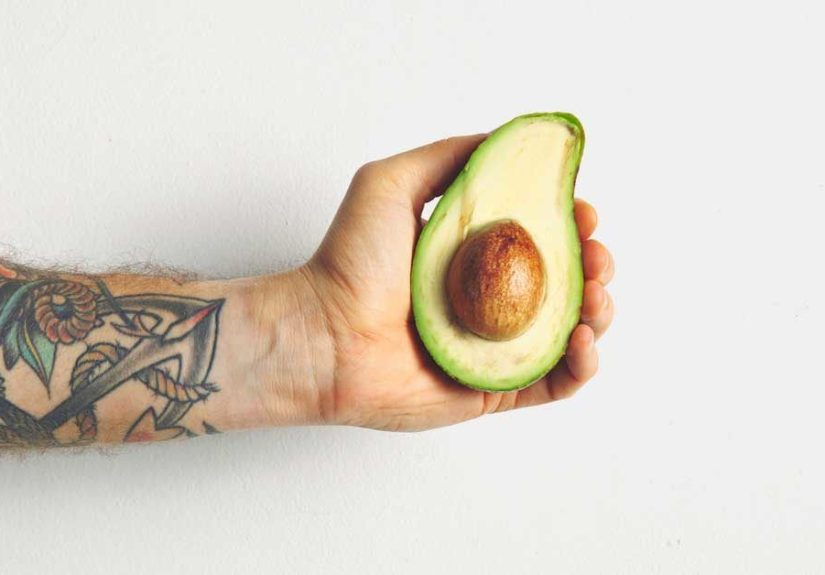
The avocado seed, also called the avocado pit, is the large inner seed of the avocado fruit. It is hard, bitter, dense, and not something most people would naturally look at and think, “Ah yes, snack time.” Unlike pumpkin seeds, sunflower seeds, or chia seeds, avocado seeds have not traditionally been eaten as a mainstream food in the United States.
The seed makes up a noticeable portion of the fruit’s weight. Because it contains fiber-like carbohydrates and plant chemicals such as phenolic compounds, researchers have studied avocado seed extracts for possible antioxidant, antimicrobial, and metabolic effects. That sounds exciting, but here is the part the internet often forgets: studying an extract in a test tube is not the same as proving that ground avocado seed is safe or beneficial for humans to eat.
Can You Eat Avocado Seed?
Technically, a determined person can dry, chop, grind, or blend an avocado seed into powder. People online have added it to smoothies, teas, sauces, and baked goods. But “can” and “should” are not twins. You can also wear jeans in a swimming pool, but society has concerns.
Current health guidance is cautious. There is not enough direct human research showing that avocado seed is safe to consume regularly. Most of the positive claims come from studies using isolated compounds or extracts, often in laboratory settings or animals. Those findings may help scientists explore future uses, but they do not prove that eating the whole seed is a good idea.
For everyday consumers, the safest and most evidence-based choice is simple: eat the avocado flesh, skip the seed, and let the pit retire with dignity in the compost bin.
Why Are People Interested in Eating Avocado Seeds?
The avocado seed became trendy for three main reasons: nutrition curiosity, anti-waste cooking, and social media enthusiasm. All three are understandable. Food waste matters, and many fruit parts we once ignored have found useful roles in cooking. Citrus zest, watermelon rind pickles, broccoli stems, and carrot tops all deserve applause. Naturally, some people wonder whether avocado pits are another overlooked treasure.
Avocado seeds do contain plant compounds that may have biological activity. Researchers have identified phenolics, flavonoids, carbohydrates, small amounts of fats, and other compounds in the seed. These compounds are often discussed because they may act as antioxidants in certain experimental conditions. Antioxidants help neutralize free radicals, which are unstable molecules involved in oxidative stress.
However, there is a giant avocado-shaped caveat: just because a food part contains antioxidants does not mean eating it improves your health. The body is not a blender with a diploma. Digestion, dose, preparation method, absorption, metabolism, and long-term safety all matter. Until human research answers those questions, avocado seed powder remains more of a wellness experiment than a proven health habit.
Potential Benefits: What the Research Suggests
1. Avocado Seeds May Contain Antioxidant Compounds
Some studies suggest avocado seed extracts contain phenolic compounds and other antioxidants. In theory, these compounds may help protect cells from oxidative stress. This is one reason avocado seed powder has been marketed online as a “superfood.”
But here is the practical reality: antioxidant activity in a lab does not automatically translate into meaningful benefits inside the human body. Many foods show antioxidant activity in laboratory testing. Blueberries, coffee, cocoa, beans, leafy greens, herbs, and spices all do tooand unlike avocado seed, they are commonly eaten and better studied.
2. It May Contain Fiber-Like Material
The avocado seed contains a high proportion of carbohydrate material, some of which may behave like fiber. Dietary fiber is important for digestion, cholesterol management, blood sugar balance, and satiety. That sounds promising, but there is no need to chase fiber by grinding a pit when easier options exist.
Avocado flesh itself already contains fiber. Beans, oats, lentils, berries, chia seeds, vegetables, nuts, and whole grains are also reliable, tasty, and much easier on your blender. Your blender has feelings. Probably.
3. Researchers Are Studying Seed Extracts
Avocado seed extracts have been studied for possible anti-inflammatory, antimicrobial, cholesterol-related, and metabolic effects. These are interesting areas of research, especially for scientists exploring food byproducts and plant-based compounds.
Still, extracts are not the same thing as homemade avocado seed powder. An extract may be purified, measured, and tested in controlled conditions. A spoonful of ground pit from your kitchen is not standardized. It may vary depending on avocado variety, ripeness, drying method, temperature, storage, and dose. In other words, your smoothie is not a clinical trial, even if it has kale in it.
Safety Concerns: Why Experts Are Cautious
1. Human Safety Data Is Limited
The biggest issue is not that avocado seeds are known to be extremely poisonous to humans in normal kitchen situations. The bigger issue is uncertainty. Researchers and nutrition experts do not yet have enough direct human feeding studies to confirm safe amounts, long-term effects, or reliable benefits.
When safety data is thin, caution is reasonable. This is especially true for children, pregnant or breastfeeding people, older adults, people with liver or kidney conditions, and anyone taking medications. Natural does not always mean harmless. Poison ivy is natural. So are hurricanes. Nature has range.
2. Possible Antinutrients and Irritating Compounds
Avocado seeds may contain compounds sometimes described as antinutrients, including tannins and enzyme inhibitors. Antinutrients are naturally occurring substances that may interfere with digestion or nutrient absorption under certain conditions. Many common foods contain antinutrientsbeans, grains, nuts, and spinach, for examplebut traditional preparation methods often reduce their impact.
With avocado seed, we do not have enough practical guidance on safe preparation, serving size, or long-term use. A tiny accidental taste is different from adding seed powder to breakfast every day.
3. Persin and Animal Toxicity Concerns
Avocado plants contain persin, a natural compound that can be harmful to some animals, especially birds, horses, goats, and certain other species. Dogs and cats may also experience digestive upset from avocado parts, and the pit is a serious choking and obstruction hazard for pets.
For humans, the concern is not usually framed as “one avocado seed will poison you.” Instead, the concern is that the health effects of eating avocado seed are not well characterized. If the evidence is incomplete, it is smarter to avoid making the seed a routine ingredient.
4. Physical Hazards Are Real
Avocado seeds are hard. Trying to cut one can be risky if the knife slips. Trying to blend one can damage equipment if it is not properly dried and chopped. Swallowing chunks could create choking or digestive hazards. Powder can also be unpleasantly bitter, gritty, and difficult to dose.
In short, the avocado seed is not quietly begging to be eaten. It is heavily implying that it would prefer a career in composting.
Is Avocado Seed Powder Safe?
Avocado seed powder is often promoted online as a smoothie booster, tea ingredient, or detox powder. But there is no widely accepted safe serving size for avocado seed powder. Commercial products may also vary in quality, processing, labeling, and testing. If a product makes dramatic claims about weight loss, detoxing, blood sugar, cholesterol, or disease prevention, treat those claims with skepticism.
Dietary supplements and wellness powders are not the same as ordinary foods. They may be sold in attractive packaging, but that does not mean they have been proven safe and effective for every person. If you are considering avocado seed powder, talk with a qualified healthcare professional firstespecially if you take medications or manage a health condition.
What About Boiling, Roasting, or Drying the Seed?
Some online tutorials suggest boiling, roasting, or dehydrating avocado seeds before grinding them. Heating may change flavor, texture, moisture, and some chemical properties. It may also make the seed easier to process. But preparation tricks do not solve the main problem: we still lack strong human evidence showing safety and benefit.
Cooking can make many foods safer, but it does not magically turn every plant part into a recommended food. Rhubarb stalks are delicious; rhubarb leaves are not dinner. Potato flesh is fine; green potatoes and sprouts deserve caution. Food safety depends on the specific plant part, compound, dose, and preparation method.
Who Should Avoid Avocado Seeds Completely?
Because safety is uncertain, some groups should be especially cautious and avoid eating avocado seed:
- Pregnant or breastfeeding people
- Children and teenagers
- People with kidney, liver, digestive, or metabolic conditions
- Anyone taking blood pressure, cholesterol, blood sugar, blood-thinning, or other regular medications
- People with avocado or latex-related allergies
- Pet owners tempted to share avocado parts with animals
If you have a medical condition, the safest move is to ask your doctor or registered dietitian before trying unusual powders or concentrated plant extracts.
Avocado Flesh: The Better, Safer Nutritional Choice
The good news is that you do not need the seed to enjoy avocado health benefits. The flesh of the avocado is already nutrient-rich and much better supported by research. Avocados contain mostly unsaturated fats, including monounsaturated fats, which can fit into a heart-healthy eating pattern. They also provide fiber, potassium, folate, vitamin E, vitamin K, and other plant compounds.
Avocado can help meals feel more satisfying because it combines fat and fiber. Add it to whole-grain toast, tacos, grain bowls, omelets, salads, wraps, smoothies, or sandwiches. You can also use mashed avocado as a substitute for butter or mayonnaise in some recipes. It brings creaminess without needing a kitchen power tool to battle a pit.
How Much Avocado Should You Eat?
Avocados are healthy, but they are also calorie-dense. A sensible serving for many people is one-third to one-half of a medium avocado, depending on appetite, energy needs, and the rest of the meal. Athletes, active adults, and people with higher calorie needs may comfortably eat more. People managing calorie intake may prefer smaller portions.
The key is balance. Avocado works best as part of a varied diet that includes vegetables, fruits, legumes, whole grains, lean proteins, nuts, seeds, and healthy oils. No single food needs to carry your entire wellness plan on its green little shoulders.
Better Ways to Use Avocado Seeds Without Eating Them
If you hate wasting the seed, there are safer ways to use it that do not involve swallowing it.
Grow an Avocado Plant
The classic toothpick-and-water method can sprout an avocado seed into a small houseplant. It may not produce fruit indoors, but it can make a cheerful windowsill project. Children can learn about roots, stems, patience, and why plants do not care about your schedule.
Compost It
Avocado seeds can be composted, though they break down slowly. Cutting or smashing the seed first may help it decompose faster. Composting returns organic matter to the soil and gives the seed a useful second life.
Use It for Natural Dye Experiments
Avocado pits and skins can create soft pinkish or peach-toned dyes for fabric and craft projects. This is a fun use for creative people, though it should be done with proper materials and realistic expectations. Not every pit becomes a Pinterest miracle, and that is okay.
Common Myths About Eating Avocado Seeds
Myth 1: “The Seed Has Most of the Nutrients, So You Should Eat It”
The seed may contain interesting compounds, but “contains nutrients” is not the same as “is safe and useful to eat.” Many plant parts contain compounds humans do not commonly consume. The avocado flesh already provides well-known nutrients in a form people have safely eaten for generations.
Myth 2: “Avocado Seed Detoxes the Body”
Your body already has a detox system: the liver, kidneys, lungs, digestive tract, skin, and lymphatic system. No avocado seed powder is required. A healthy diet, hydration, sleep, movement, and limiting alcohol do more for your natural detox pathways than a bitter scoop of mystery powder.
Myth 3: “If It Is Natural, It Must Be Safe”
Natural foods can be wonderful. Natural compounds can also be irritating, allergenic, toxic, or unsafe at certain doses. Safety depends on evidence, preparation, and amountnot vibes.
Myth 4: “People Online Eat It, So It Must Be Fine”
Online trends are not medical research. Someone making a 20-second video with dramatic music does not equal a long-term human safety study. Social media is excellent for recipe inspiration and terrible at dose-response toxicology.
So, Is It Safe and Healthy to Eat the Seed of an Avocado?
Based on current evidence, eating avocado seed is not recommended as a regular health practice. The seed contains compounds that researchers find interesting, but there is not enough human evidence to prove safety, ideal dose, or meaningful health benefits. There are also practical concerns: bitterness, hardness, preparation difficulty, possible antinutrients, uncertain long-term effects, and physical hazards during cutting or blending.
If you accidentally consume a tiny amount of finely ground avocado seed, it is unlikely to be a reason to panic for most healthy adults. But intentionally adding it to your daily routine is a different matter. Until better human studies are available, the smarter choice is to enjoy the avocado flesh and leave the seed out of your diet.
Practical Experiences: What People Learn When They Try Avocado Seed Trends
Many people first hear about eating avocado seeds through a short video or wellness blog. The process often sounds simple: save the pit, dry it, chop it, grind it, and add a pinch to a smoothie. In real kitchens, however, the experience is rarely as glamorous as advertised. The seed is slippery when fresh, tough when dry, and surprisingly difficult to cut. One wrong move with a knife can turn a “healthy hack” into an urgent search for bandages.
People who try avocado seed powder often describe the taste as bitter, earthy, and slightly astringent. That flavor can overpower delicate smoothies, especially fruit-based ones. A banana, berries, yogurt, and honey may do their best to help, but avocado seed powder tends to enter the room wearing boots. In chocolate smoothies or strong coffee-style drinks, the bitterness may hide better, but hiding a flavor is not the same as proving a benefit.
Another common experience is texture trouble. Unless the seed is dried thoroughly and ground very finely, it can leave gritty particles in drinks or baked goods. A high-powered blender may handle small pieces, but standard home blenders can struggle. Some people use a food processor, spice grinder, or grater, but each method has drawbacks. The seed can be hard on blades, messy on counters, and annoying to clean up. For a food that lacks strong human evidence, that is a lot of effort for a questionable reward.
There is also the dosing problem. Online recipes may say to use “a little,” “one teaspoon,” or “half a seed,” but these suggestions are not based on established safety guidelines. Seeds vary by avocado variety and size. Drying time varies. Powder concentration varies. A homemade scoop is not standardized. This uncertainty makes it difficult for a person to know whether they are consuming a mild amount or overdoing it.
Some people report mild digestive discomfort after trying unusual seed powders, including bloating, stomach upset, or changes in bowel habits. That does not prove avocado seed is dangerous for everyone, but it does highlight an important lesson: the digestive system is not impressed by every internet trend. If a new food causes discomfort, your body is sending a memo. Read it.
On the positive side, the avocado seed trend has encouraged people to think more about food waste. That curiosity is valuable. Many kitchen scraps can be reused safely: vegetable stems in broth, citrus peels for zest, stale bread for crumbs, and overripe bananas for baking. But reducing waste should still respect food safety. The best use for an avocado seed may be composting, planting, or craft dyeingnot eating.
A practical avocado routine is simpler and more rewarding: use the flesh well. Mash it with lime and salt for toast, blend it into a creamy dressing, cube it into chili, spread it in a turkey sandwich, or add it to a breakfast bowl with eggs and salsa. Store leftover avocado with lemon or lime juice and an airtight cover to slow browning. If you want more fiber or antioxidants, add chia seeds, berries, beans, oats, leafy greens, or nutsfoods with a stronger track record and better flavor.
The real-life takeaway is refreshingly untrendy: not every edible-looking plant part needs to become a supplement. Avocado flesh is nutritious, delicious, and easy to use. The seed is scientifically interesting, but not ready for prime time on your plate. Sometimes the healthiest choice is also the least dramatic one: scoop the green part, skip the pit, and let your blender live to fight another smoothie.
Conclusion
Avocado seeds have become popular because they sound like a secret wellness upgrade hiding in plain sight. But current evidence does not support eating avocado seeds as a safe or necessary health habit. While the seed contains bioactive compounds that researchers continue to study, human safety data and proven benefits are lacking. The potential risks, bitter taste, preparation challenges, and uncertain dosing make it a poor choice for everyday eating.
The avocado flesh, on the other hand, is a nutritional win. It provides fiber, healthy unsaturated fats, potassium, vitamins, and satisfying creaminess. If your goal is better heart health, digestion, satiety, or overall diet quality, you are better off eating the part of the avocado that is already recognized as food. The pit can become a plant, compost, or a craft project. It does not need to become breakfast.
Note: This article is for general educational purposes only and should not replace medical advice. If you have a health condition, are pregnant or breastfeeding, take medication, or are considering any concentrated plant powder or supplement, consult a qualified healthcare professional first.