Table of Contents >> Show >> Hide
- Why Ground Beef Spoils Faster Than Many Other Cuts
- How to Tell If Ground Beef Is Bad
- Sell-By Date vs. Use-By Date: What Do They Mean?
- How Long Does Ground Beef Last?
- The Temperature Danger Zone: Where Ground Beef Gets Risky
- How to Store Ground Beef Safely
- How to Thaw Ground Beef Safely
- How to Cook Ground Beef Safely
- How to Avoid Cross-Contamination
- Can You Cook Bad Ground Beef to Make It Safe?
- What Happens If You Eat Bad Ground Beef?
- Smart Buying Tips for Safer Ground Beef
- Common Ground Beef Safety Mistakes
- Quick Decision Guide: Keep It or Toss It?
- Experience Notes: Real-Life Ground Beef Lessons from the Kitchen
- Conclusion
Ground beef is the weeknight hero of American kitchens. It turns into burgers, tacos, meatballs, chili, casseroles, sloppy joes, and the occasional “I have 12 minutes and one pan” dinner. But because ground beef is handled, packaged, transported, stored, thawed, and cooked in so many different ways, it also deserves a little respect. Not fear. Not a dramatic slow-motion walk to the trash can. Just smart food safety.
The tricky part? Bad ground beef does not always arrive wearing a tiny villain cape. Sometimes spoiled beef smells sour. Sometimes it feels sticky or slimy. Sometimes it changes color. And sometimes meat that looks perfectly innocent can still be unsafe if it has been stored too long or left out too long. That is why learning how to tell if ground beef is bad means using several clues together: smell, texture, color, dates, storage time, temperature, and good old common sense.
This guide explains the signs of spoiled ground beef, when to toss it, how long ground beef lasts in the fridge and freezer, how to thaw it safely, and how to cook it so dinner stays delicious instead of becoming a food-safety mystery novel.
Why Ground Beef Spoils Faster Than Many Other Cuts
Ground beef is more delicate than a steak or roast because it has much more exposed surface area. When beef is ground, any bacteria on the outside of the meat can be mixed throughout the batch. That means the inside of a burger is not automatically safer than the outside. This is also why ground beef must be cooked to a higher internal temperature than whole cuts of beef.
Another reason ground beef needs quick handling is moisture. Ground meat has lots of small surfaces where moisture, proteins, and nutrients are available for bacterial growth. Translation: bacteria look at poorly stored ground beef and think, “Wonderful, a studio apartment with snacks.”
The goal is simple: keep raw ground beef cold, cook it thoroughly, avoid cross-contamination, and do not gamble with meat that smells or feels suspicious.
How to Tell If Ground Beef Is Bad
No single sign is perfect by itself. Color can be misleading. Dates are useful but not magical. Smell is helpful but not a laboratory test. The safest approach is to check several signs together.
1. Smell: Sour, Rancid, or “Nope”
Fresh ground beef should have a mild meaty smell. It should not smell sour, rotten, rancid, ammonia-like, or weirdly sweet in a bad way. If you open the package and your nose immediately tries to move out of the house, trust it.
A strong unpleasant odor is one of the clearest signs that ground beef has spoiled. Do not rinse it, season it heavily, or decide that garlic will “fix the situation.” Garlic is powerful, yes, but it is not a food-safety lawyer.
2. Texture: Slimy, Sticky, or Tacky
Good raw ground beef should feel moist but not slimy. If it has a slick, sticky, or gummy surface, that can be a sign of spoilage bacteria growing on the meat. A slimy film is especially concerning when paired with a bad smell or expired storage time.
After touching raw meat, wash your hands thoroughly with soap and warm water. Also clean any plates, cutting boards, sink areas, or utensils that contacted raw beef. Cross-contamination is sneaky. It does not announce itself; it just quietly moves from burger prep to lettuce, buns, or countertops.
3. Color: Helpful, But Not the Whole Story
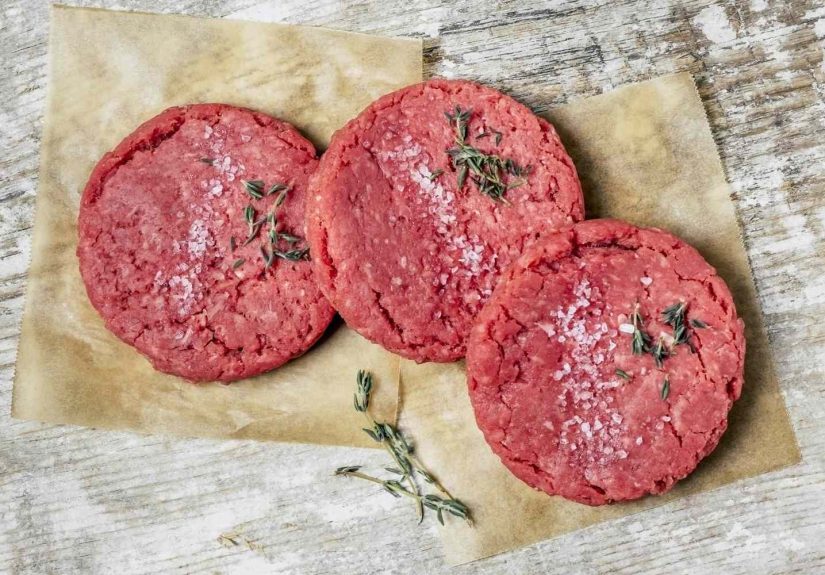
Fresh ground beef is often bright cherry red on the outside because of exposure to oxygen. The inside may look darker red, brownish, or grayish because less oxygen reaches it. That color change alone does not automatically mean the beef is bad.
However, if the beef is gray or brown throughout, smells sour, feels slimy, or has passed safe storage limits, it is time to toss it. Greenish, moldy, or unusually discolored spots are also a clear “do not cook this” signal.
Here is the important part: color is not a reliable way to judge whether ground beef is safely cooked either. A burger can turn brown before it reaches a safe temperature, and some cooked ground beef can stay pink even when properly cooked. Use a food thermometer, not your eyes, to decide doneness.
4. Package Condition: Swollen, Leaky, or Damaged
Check the package before buying and before cooking. Avoid ground beef packages that are torn, leaking, swollen, or sitting in a puddle of mystery juice. If the packaging is damaged, bacteria may have had more opportunities to enter or spread.
At the grocery store, pick up ground beef near the end of your shopping trip so it spends less time at room temperature. Place it in a separate plastic bag to prevent drips from touching produce, bread, or other ready-to-eat foods. Meat juice is not a condiment.
5. Storage Time: The Calendar Matters
Raw ground beef should generally be used within 1 to 2 days when stored in the refrigerator at 40°F or below. That is a short window, but it is one of the most important rules for keeping ground beef safe.
Cooked ground beef lasts longer, usually 3 to 4 days in the refrigerator when stored properly in a covered container. If you do not plan to use raw ground beef within 1 to 2 days, freeze it. Your future self will thank you, especially on taco night.
Sell-By Date vs. Use-By Date: What Do They Mean?
Package dates can help, but they should not replace safe storage rules. A “sell-by” date is mainly for store inventory. It tells retailers how long to display the product. A “use-by” or “best-by” date may relate to quality, freshness, or manufacturer guidance.
If you bought ground beef before the sell-by date but left it in the fridge for four days, the date does not magically rescue it. On the other hand, if the date is tomorrow but the meat smells bad and feels slimy today, toss it today. Your refrigerator is not a courtroom where bad beef gets a fair trial.
How Long Does Ground Beef Last?
Ground beef safety depends on temperature and storage method. Here is a practical home-kitchen guide:
- Raw ground beef in the refrigerator: 1 to 2 days at 40°F or below.
- Cooked ground beef in the refrigerator: 3 to 4 days in a covered container.
- Raw ground beef in the freezer: Best quality within 3 to 4 months.
- Cooked ground beef in the freezer: Best quality within about 2 to 3 months.
- Ground beef left out at room temperature: Discard after 2 hours, or after 1 hour if the temperature is above 90°F.
Freezing keeps food safe much longer when the freezer stays at 0°F or below, but quality can decline over time. Freezer burn will not usually make food unsafe by itself, but it can make cooked beef taste dry, dull, and slightly like it has been reading tax forms.
The Temperature Danger Zone: Where Ground Beef Gets Risky
The “danger zone” is the temperature range between 40°F and 140°F, where bacteria can grow rapidly. Ground beef should not hang out there. Keep it cold before cooking and hot after cooking.
At home, keep your refrigerator at 40°F or below and your freezer at 0°F or below. If your fridge does not have a built-in thermometer, place an appliance thermometer inside. Refrigerator dials with numbers like “1 to 7” are not always precise. They are more like refrigerator mood rings.
How to Store Ground Beef Safely
In the Refrigerator
Store raw ground beef in its original package if you plan to cook it soon. Place the package on a plate, tray, or shallow container to catch leaks. Keep it on the bottom shelf of the refrigerator, below ready-to-eat foods. This helps prevent raw juices from dripping onto salad greens, leftovers, fruit, or anything else that will not be cooked.
Do not store raw ground beef in the refrigerator door. The door is usually warmer because it opens often. Ground beef belongs in the coldest practical part of the fridge, not on a temperature roller coaster.
In the Freezer
If you will not use ground beef within 1 to 2 days, freeze it. For short freezer storage, the original packaging may be fine. For longer storage, overwrap it with freezer paper, heavy-duty foil, plastic wrap, or a freezer-safe bag. Remove as much air as possible to reduce freezer burn.
A smart trick is to flatten ground beef into thin portions before freezing. Flat packages freeze faster, thaw faster, and stack neatly. Label each package with the date and weight. Future you will not have to play “Is this one pound or a frozen beef brick from the ancient kingdom?”
How to Thaw Ground Beef Safely
There are three safe ways to thaw ground beef: in the refrigerator, in cold water, or in the microwave. The counter is not on that list. Neither is the porch, the garage, a sunny windowsill, or “just for a little while.”
Best Method: Refrigerator Thawing
Thawing ground beef in the refrigerator is the safest and easiest method. Place the package on a plate or tray on the bottom shelf and allow it to thaw slowly while staying cold. After refrigerator thawing, cook ground beef within 1 to 2 days.
If you thawed it in the refrigerator and then your dinner plans changed, you can generally refreeze it without cooking, although the texture may lose some quality. That is still better than forcing spaghetti night when everyone secretly wanted sandwiches.
Faster Method: Cold Water Thawing
For faster thawing, place ground beef in a leak-proof plastic bag and submerge it in cold tap water. Change the water every 30 minutes so it stays cold. Small packages may thaw in about an hour or less. Cook the beef immediately after thawing with this method.
Fastest Method: Microwave Thawing
Microwave thawing is quick, but it can create warm spots where bacteria may begin to grow. If you thaw ground beef in the microwave, cook it immediately. Do not microwave-thaw it and then put it back in the fridge for later.
How to Cook Ground Beef Safely
Ground beef should reach an internal temperature of 160°F. Use a food thermometer inserted into the thickest part of the burger, meatloaf, meatball, or cooked ground beef mixture. For loose crumbles, check several areas because heat can vary across the pan.
Do not rely on color alone. Brown does not always mean safe, and pink does not always mean unsafe. A thermometer is inexpensive, fast, and much more reliable than staring at a burger and asking it to reveal its secrets.
When cooking ground beef in a skillet, break it into smaller pieces and stir often so it cooks evenly. Drain excess fat safely. Do not pour hot grease down the sink, where it can cause plumbing problems. Let it cool slightly and dispose of it according to your local waste guidelines.
How to Avoid Cross-Contamination
Cross-contamination happens when bacteria from raw meat spread to other foods, surfaces, or hands. It is one of the easiest food-safety mistakes to make because raw ground beef is often handled during busy cooking moments.
Use separate cutting boards and utensils for raw meat and ready-to-eat foods. Wash your hands after touching raw beef and before touching buns, lettuce, cheese, plates, or condiment bottles. Clean countertops, sink handles, and refrigerator handles if you touched them with raw-meat hands.
Never place cooked burgers or meatballs on the same plate that held raw ground beef unless the plate has been washed first. The burger may be fully cooked, but the raw plate can undo all your good work. That is like studying for a test and then writing your answers in invisible ink.
Can You Cook Bad Ground Beef to Make It Safe?
No. Cooking can kill many harmful bacteria when done correctly, but it cannot always fix spoiled meat. Some bacteria can produce toxins or cause quality changes that heat will not reverse. If ground beef smells sour, feels slimy, looks moldy, or has been stored too long, do not cook it “just in case.” Throw it away.
The same rule applies to tasting. Never taste ground beef to see if it is bad. If you need to taste-test suspicious meat, the answer is already no.
What Happens If You Eat Bad Ground Beef?
Eating spoiled or contaminated ground beef can lead to foodborne illness. Symptoms may include nausea, vomiting, stomach cramps, diarrhea, fever, chills, or general misery with a side of regret. Symptoms can appear within hours or take several days, depending on the germ involved.
Groups at higher risk for severe foodborne illness include young children, older adults, pregnant people, and people with weakened immune systems. If symptoms are severe, persistent, or include signs of dehydration, bloody diarrhea, high fever, or prolonged vomiting, contact a healthcare professional.
Smart Buying Tips for Safer Ground Beef
Food safety starts before you get home. Choose ground beef that feels cold to the touch. Check that the package is sealed and not leaking. Look for meat with normal color, no strong odor, and no damaged packaging. Put ground beef in your cart near the end of shopping, then go home promptly and refrigerate or freeze it.
If your drive home is long or the weather is hot, bring an insulated bag or cooler. This is especially useful for summer cookouts, road trips, and grocery runs where the parking lot feels like a toaster with lines painted on it.
Common Ground Beef Safety Mistakes
Many ground beef problems come from small habits that seem harmless. Leaving meat on the counter to thaw. Trusting color instead of temperature. Keeping raw beef in the fridge “one more day.” Using the same spatula for raw and cooked burgers without washing it. Putting cooked meat back on the raw-meat plate. Forgetting when the package went into the freezer.
The fix is not complicated. Label packages. Use a thermometer. Store raw meat on the bottom shelf. Wash hands and surfaces. Freeze ground beef quickly if you are not using it soon. When in doubt, throw it out. Food waste is annoying, but food poisoning is not exactly a charming alternative.
Quick Decision Guide: Keep It or Toss It?
Keep it if the ground beef has been refrigerated for 1 to 2 days or less, smells normal, feels moist but not slimy, has no mold or strange discoloration, and has been kept cold.
Cook it today if it is near the end of the 1-to-2-day refrigerator window but still smells and feels normal.
Freeze it if you bought it recently and know you will not cook it within 1 to 2 days.
Toss it if it smells sour or rotten, feels slimy or sticky, has mold, has leaked in the fridge, was left out too long, or has been refrigerated past the safe window. Also toss it if you simply do not know how long it has been there. Mystery meat belongs in cartoons, not dinner.
Experience Notes: Real-Life Ground Beef Lessons from the Kitchen
Anyone who cooks ground beef often eventually develops a few habits that make food safety feel automatic instead of fussy. One of the most useful habits is labeling. The difference between “I think I bought this Monday” and “Packed May 4, 1 lb, 85/15” is the difference between calm cooking and fridge detective work. A roll of masking tape and a marker can save dinner, money, and a lot of suspicious squinting.
Another practical lesson: portion before freezing. Large supermarket family packs are budget-friendly, but freezing the whole tray as one giant slab creates future problems. You may only need half a pound for tacos or one pound for chili, but now you have a frozen rectangle that could stop a door. Dividing ground beef into meal-sized portions before freezing makes weeknight cooking much easier. Flattening each portion in a freezer bag is even better because it thaws quickly and stacks like a neat little library of future dinners.
People also learn quickly that refrigerator thawing rewards planning. Moving tomorrow’s ground beef from freezer to fridge the night before is not glamorous, but it works. It keeps the meat cold, reduces mess, and gives you flexibility. If plans change, refrigerator-thawed ground beef can usually be cooked within the next day or two. Compare that with microwave thawing, which often leaves some edges warm and slightly cooked while the center remains stubbornly icy. Microwave thawing is useful in emergencies, but it comes with one rule: cook immediately.
The smell test is helpful, but it should not be the only test. A package can smell fine and still be unsafe if it has been stored too long or left out on the counter. On the other hand, a freshly opened vacuum-sealed package may have a temporary “confined” odor that fades after a few minutes. The key is whether the smell is clearly sour, rotten, or persistent. If the odor makes you hesitate, do not try to negotiate with it. Ground beef is not a debate club.
Cooking with a thermometer is another game-changing habit. Many home cooks grow up judging burgers by color, but color is unreliable. A burger can brown before it reaches 160°F, especially if it cooks quickly on high heat. A thermometer removes the guessing. Insert it into the thickest part of the burger from the side when possible. For meatloaf, check the center. For crumbles, check several spots. After a few times, using a thermometer feels as normal as using a spatula.
Finally, safe cleanup matters more than people think. Raw ground beef touches hands, packaging, sink edges, cabinet handles, spice jars, and sometimes the phone someone should not have touched while making burgers. A good routine helps: open the package, prep the meat, wash hands, clean surfaces, switch to clean utensils, then handle buns, toppings, and plates. It sounds basic, but basic is beautiful when it keeps everyone healthy.
The best ground beef safety system is not complicated. Buy it cold, bring it home quickly, refrigerate or freeze it promptly, thaw it safely, cook it to 160°F, store leftovers properly, and toss anything suspicious. Follow those steps and ground beef can stay what it should be: affordable, flexible, tasty, and not the villain of your Tuesday night.
Conclusion
Knowing how to tell if ground beef is bad comes down to combining your senses with safe storage rules. Sour smell, slimy texture, strange discoloration, mold, damaged packaging, or too much time in the refrigerator are all reasons to throw it away. At the same time, color alone is not enough to judge freshness or doneness. Keep raw ground beef refrigerated at 40°F or below, use it within 1 to 2 days, freeze it for longer storage, thaw it safely, and cook it to 160°F with a food thermometer.
Ground beef may be humble, but it deserves smart handling. Treat it well, and it will reward you with burgers, tacos, pasta sauce, chili, and comfort food without unwanted drama. Treat it casually, and it may remind you that bacteria are very small but extremely committed. When in doubt, do not taste it, do not “cook the bad away,” and do not let hope be your food-safety plan. Toss it, clean up, and live to grill another day.