Table of Contents >> Show >> Hide
- What “Azulejo” Means (and Why It Looks So Good in Modern Homes)
- Why 4.3×4.3 Inches Is a Sneaky-Good Tile Size
- Picking the Right Tile: Material, Finish, and Where It Will Live
- Where Azulejo Padrão 4.3×4.3'' Looks Best
- Pattern Logistics: How to Keep Padrão From Going Rogue
- Installation Notes for a Clean Finish
- Grout: The Supporting Actor That Can Steal the Entire Scene
- Maintenance: Keeping the Pattern Pretty
- Design Pairings That Make 4.3×4.3'' Azulejo Look Expensive
- Common Mistakes (and How to Avoid Them)
- Conclusion: Small Tile, Big Personality
- Real-World Experiences with Azulejo Padrão 4.3×4.3'' (500+ Words)
A 4.3×4.3-inch tile is basically the espresso shot of interior design: small, punchy, and fully capable of keeping you awake at night if you ignore the details. Now add Azulejo Padrão 4.3×4.3”a Portuguese-inspired patterned look in a compact formatand you’ve got a surface that can whisper “old-world craft” or shout “main character backsplash,” depending on how you style it.
This guide breaks down what “azulejo padrão” means, why the 4.3×4.3” size is unusually useful, how to choose the right material and finish, and how to install and maintain patterned tiles without turning your kitchen into a geometry exam.
What “Azulejo” Means (and Why It Looks So Good in Modern Homes)
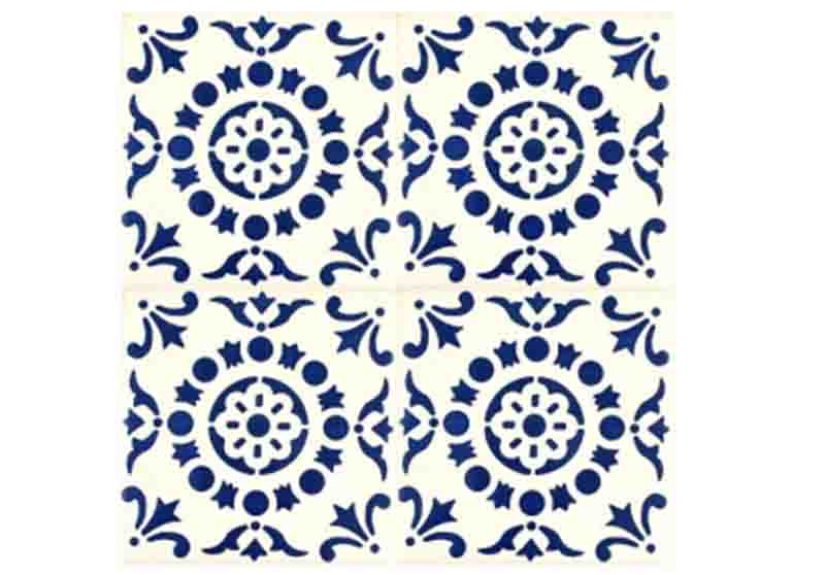
“Azulejo” refers to a tradition of decorative glazed ceramic tiles associated with Portugal and Spainoften seen as intricate repeating patterns, story-like panels, or blue-and-white scenes. “Padrão” simply means patternthe repeating motifs that can read as classic, Mediterranean, Moorish-inspired, or even delightfully maximalist.
In American interiors, azulejo-inspired tile has become a favorite because it does two jobs at once: it’s durable architecture-grade surfacing, and it’s visual art you can wipe with a sponge. It’s also extremely flexible: the pattern can be the star (full-wall backsplash) or the supporting actor (a niche, a border, a fireplace surround).
Why 4.3×4.3 Inches Is a Sneaky-Good Tile Size
Most people think “pattern tile” and picture big encaustic-style squares (like 8×8) taking over a floor. But 4.3×4.3” is a different beast: it’s small-format, which gives you more control over scale, more opportunities for creative layout, and a pattern that feels “designed” rather than “printed on a billboard.”
1) The pattern reads richer (because it repeats more often)
Smaller tiles repeat motifs more frequently across the surface. That repetition can make a wall feel like wallpaperbut with the durability of tile. In tight spaces (a powder room, a bar backsplash, a shower niche), a 4.3-inch pattern looks intentional instead of overwhelming.
2) It’s easier to “fit the room”
If you’ve ever tried to center a big pattern behind a range and ended up with two sad half-flowers at the edges, you know the pain. Smaller modules let you align the visual centerline more gracefully around windows, outlets, and corners.
3) Planning and ordering are more predictable
A 4.3-inch square tile covers about 18.49 square inches. That’s roughly 7.8 tiles per square foot before you account for grout joints and cuts. As a practical estimate, many installers round to ~8 tiles per square foot, then add waste:
- 10% extra for straightforward walls (simple backsplash).
- 15% extra for lots of cuts, niches, or complex pattern matching.
- 20% extra if you’re doing diagonals, borders, or a true “feature wall” with fussy alignment.
Picking the Right Tile: Material, Finish, and Where It Will Live
Ceramic vs. porcelain (the practical difference)
Many azulejo-patterned tiles in the U.S. are either glazed ceramic (common for walls) or porcelain (a denser, tougher option often preferred for floors and wet areas). If you’re deciding between them, think of it this way:
- Glazed ceramic is often perfect for backsplashes and low-impact walls. It’s typically easier to cut, and it can be more budget-friendly.
- Porcelain is generally the “bring it on” choice for floors, showers, and heavy-use areas because it’s denser and less absorbent.
Translation: if your patterned azulejo tile is going on a kitchen backsplash, ceramic is usually fine. If it’s going on a shower floor or a high-traffic entryway, porcelain becomes the safer bet.
Glossy vs. matte (choose the vibeand the maintenance)
Azulejo looks famous in glossy finishes for a reason: glaze makes colors pop and light bounce. Gloss also cleans easily, which is why glossy patterned tile is so popular behind stoves and sinks. Matte finishes, on the other hand, can feel more modern and hide water spots better, but they may show grease or scuffs differently depending on texture.
If you’re using the tile on a floor, consider a finish that won’t turn your bathroom into a slapstick routine when wet. For floors, many people favor a slightly textured or matte surface over high gloss.
Edge and thickness details matter more on small tile
A 4.3-inch tile has more grout lines per square foot than larger formats. That can be gorgeousunless the tile edges vary wildly and your joints look inconsistent. If you’re going for a crisp, graphic look, pick a tile with consistent sizing and clean edges. If you want artisanal charm, slight variation can be a feature, not a bugjust plan the layout more carefully.
Where Azulejo Padrão 4.3×4.3” Looks Best
This size is a design Swiss Army knife. Here are high-impact, high-success placements:
Kitchen backsplash (the classic flex)
Patterned azulejo behind a range or sink creates a focal point that can carry an entire kitchen. Pair it with simple cabinets and counters so the tile doesn’t have to compete for attention like it’s auditioning for a reality show.
Bathroom walls and shower surrounds
A 4.3-inch repeating pattern works especially well on shower walls because the scale stays readable at arm’s length. For niches, it’s a cheat code: the pattern turns a small recess into a jewel box moment.
Powder room statement wall
If you want drama without tiling your entire house, tile one wall (behind the vanity is popular) and paint the rest a calm, complementary color.
Fireplace surround or stair risers
Azulejo patterns look ridiculously good around a fireplaceespecially with warm metals or natural wood nearby. On stair risers, repeating motifs turn a staircase into a gallery you walk on every day (which is both poetic and a little intimidating, in a good way).
Pattern Logistics: How to Keep Padrão From Going Rogue
Know your pattern type
“Patterned tile” can mean two very different things:
- True repeat tiles: each tile is complete on its own, and any tile can sit next to any other tile and still make sense.
- Quarter-turn / mural-style patterns: four tiles (or more) combine to form a larger medallion. These look stunning, but they require consistent orientation.
Before you spread mortar, do a dry layout on the floor and confirm how the motif “locks” together. If the tile has arrows on the back, they’re not decorationthey’re the tile politely begging you not to rotate it into chaos.
Start with the view, not the corner
For backsplashes and feature walls, start from the most visible centerline (often behind the sink or range), then work outward. That’s how you avoid ending with a tiny sliver cut right where your eye lands first.
Color and “lot” variation can be your friendif you blend it
Patterned tile often has variation by design. Open multiple boxes and mix tiles as you install so any subtle differences look intentional instead of like you ran out of tile and panic-ordered a slightly different batch at midnight.
Installation Notes for a Clean Finish
Tile installation is where good taste meets physics. Even the most beautiful azulejo pattern can look cheap if the layout is sloppy. Here are the steps that matter most for small-format patterned tile:
1) Prep the surface like you mean it
Walls should be flat, clean, and stable. In wet areas, use appropriate waterproofing systems and follow manufacturer and industry guidance for your substrate. A beautiful tile can’t out-muscle a wall that moves.
2) Use spacers (yes, even if you’re “good at eyeballing”)
Consistent grout joints make patterns look crisp. Spacers help maintain alignment across long runs, especially when tiles have minor size variation.
3) Treat changes of plane differently
Where tile meets tile in a corneror tile meets a countertopmany pros use a flexible sealant rather than hard grout. This helps accommodate movement and reduces cracking at stress points. It’s not glamorous, but neither is re-grouting a corner every six months.
4) Cut placement is a design decision
When possible, hide cuts in less visible areas (behind appliances, under cabinets, at the far ends of a backsplash). With azulejo patterns, try to avoid cutting directly through a motif’s “center” where it’s visually obvious.
Grout: The Supporting Actor That Can Steal the Entire Scene
With 4.3-inch tiles, grout isn’t an afterthoughtit’s part of the design. You get more grout lines, which means grout color and type matter a lot.
Pick grout type based on joint width
- Very narrow joints (often under 1/8″): commonly paired with unsanded grout for a smoother finish.
- Wider joints (1/8″ and up): often use sanded grout for strength and crack resistance.
Choose grout color with a strategy
- Match the tile’s background color to make the pattern feel seamless and elevated.
- Go darker to outline each tile and create a bold graphic grid (very modern, very “I know what I’m doing”).
- Pick a mid-tone if you want forgiveness: it hides everyday mess better than pure white, without shouting like black grout sometimes can.
Seal or upgrade for easier cleaning
Cementitious grout can benefit from sealing to resist staining, especially in kitchens and showers. If you want lower maintenance, you may also see projects use epoxy grout in demanding areas (more stain resistant, more work up front).
Maintenance: Keeping the Pattern Pretty
The good news: glazed patterned tile is typically easy to clean. The less fun news: grout lines love to collect drama (soap scum, cooking splatter, and the mysterious grime that appears when guests are coming).
Everyday cleaning
- Use mild soap and warm water for routine wipe-downs.
- Avoid abrasive pads that can dull glossy finishes over time.
- Clean spills sooner rather than laterespecially oils and sauces on kitchen walls.
Grout upkeep
- Re-seal grout as recommended by your sealer manufacturer, especially in wet zones.
- Spot-clean grout with gentle methods before it becomes “a weekend project.”
Design Pairings That Make 4.3×4.3” Azulejo Look Expensive
Pattern tile looks best when you give it a few calm neighbors.
- Cabinets: white, warm wood, or muted color blocks keep the pattern from competing.
- Counters: simple quartz, butcher block, or understated stone let the tile shine.
- Hardware: brass for warmth, chrome for crispness, black for contrast.
- Paint: pull one quiet color from the tile (not the loudest one) to create cohesion.
Common Mistakes (and How to Avoid Them)
- Skipping the dry layout: patterns can drift. A dry run catches problems while they’re still easy.
- Not ordering extra tile: pattern matching and cuts increase wasteplan for it.
- Grouting corners like they’re flat fields: changes of plane often need flexibility.
- Choosing grout color at midnight: test a sample board in your lighting. Kitchen LEDs can be brutally honest.
- Letting “close enough” spacing slide: small misalignments get amplified because the pattern repeats.
Conclusion: Small Tile, Big Personality
Azulejo Padrão 4.3×4.3” sits in a sweet spot: compact enough to feel detailed and tailored, bold enough to become a focal point, and versatile enough to work in kitchens, baths, fireplaces, and beyond. If you plan the layout, respect the pattern, and choose grout like it’s part of the design (because it is), you’ll end up with a surface that feels customeven if it came out of a standard box.
Real-World Experiences with Azulejo Padrão 4.3×4.3” (500+ Words)
The most common “experience arc” people report with patterned azulejo tile goes something like this: excitement, bold confidence, a brief moment of panic when the pattern doesn’t line up instantly, and then deep satisfaction when the finished wall looks like it belongs in a boutique hotel.
Experience #1: The backsplash that turned into a conversation starter
One homeowner story that comes up a lot is the “neutral kitchen, one dramatic move” remodel. The space starts with simple shaker cabinets, plain counters, and decent lightingnice, but forgettable. Then the azulejo padrão goes in behind the range. Suddenly, the kitchen has a focal point that looks curated rather than “builder beige.” Guests tend to react the same way: they don’t say “nice tile,” they ask where it’s from, whether it’s hand-painted, and how long it took. The funniest part is that the tile is doing all that social work while also protecting the wall from tomato sauce.
The biggest lesson from these backsplash projects is that scale matters. A 4.3-inch pattern usually reads as refined up closemore like textile print than billboard graphicso it works even in smaller kitchens. People also note that grout color is the difference between “old-world charm” and “graph paper energy.” Matching grout creates an upscale, continuous look. Contrast grout makes the tile feel punchier and more modern.
Experience #2: The shower niche “jewelry box” effect
In bathrooms, a common experience is using the 4.3×4.3” tile in a niche or a vertical accent stripe rather than the entire shower. This creates a moment of surprise: the main shower wall stays calm (often a plain subway tile or large porcelain), while the niche becomes the decorative highlight. People tend to love this approach because it reduces the risk of pattern overload, keeps costs down, and still delivers that “designer” feel.
The practical discovery here is that niches punish sloppy layout. When the pattern is cut awkwardly around corners, it’s impossible not to noticeyour shampoo bottles will point it out daily. Homeowners who ended up happiest almost always did a dry layout, centered the motif within the niche, and used trim or clean edging to make the insert look intentional. They also often say they’d order extra tile next time, because tiny spaces still require surprisingly many cuts.
Experience #3: The “grout test board” that saved the project
A very relatable experience is the grout decision spiral: white grout looks crisp, medium grout looks forgiving, dark grout looks bold… and every option looks different under morning light vs. evening light. People who avoid regret often do a small sample board: a few tiles installed on scrap backer board with two or three grout options. It feels like extra work, but it prevents the most painful outcomefinishing the project and realizing the grout turned your elegant pattern into a high-contrast checkerboard you didn’t ask for.
Experience #4: The surprise benefitpattern hides “life”
One last experience that comes up repeatedly is how well patterned tile hides everyday reality. Minor water spots, the occasional splash, and little smudges blend into the visual noise of the motif. A plain glossy white tile shows every single speck like it’s proud of it. Patterned azulejo, by contrast, is more forgivingespecially when paired with a grout color that doesn’t highlight every crumb. People often describe this as the “it looks clean even when it isn’t” effect, which is basically the holy grail of kitchen and bathroom surfaces.
The overall takeaway from these real-world experiences is consistent: Azulejo Padrão 4.3×4.3” rewards planning. The pattern brings personality, but it also demands respectdry layout, thoughtful grout choice, and clean alignment. Do that, and the tile won’t just decorate a room; it will define it.