Table of Contents >> Show >> Hide
- Why Breakfast Breads and Pastries Never Go Out of Style
- The Core Rules Behind Great Breakfast Bread & Pastry Recipes
- 10 Breakfast Bread & Pastry Recipes Worth Baking on Repeat
- How to Build a Balanced Breakfast Baking Rotation
- Common Mistakes That Ruin Breakfast Bread & Pastry Recipes
- Conclusion
- My Experience With Breakfast Bread & Pastry Recipes
There are two kinds of mornings. The first kind involves dragging yourself toward the coffee maker like a haunted Victorian child. The second kind smells like cinnamon, butter, citrus zest, and a very good decision. This article is for the second kind of morningor at least for people who want more of them.
Breakfast bread and pastry recipes occupy a glorious middle ground between practical and indulgent. They can be fast and unfussy, like banana bread or blueberry muffins, or a little dramatic, like cinnamon rolls that make your kitchen smell like a bakery won the lottery. The best part is that you do not need to be a professional pastry chef with twelve rolling pins and a mysterious French attitude. You just need a few reliable techniques, a willingness to preheat the oven, and enough self-control not to eat the streusel before it reaches the cake.
Why Breakfast Breads and Pastries Never Go Out of Style
Breakfast pastries and breads work because they fit real life. Quick breads are perfect for busy weekdays, biscuits and scones are ideal when you want something warm in under an hour, and yeasted doughs shine on weekends when you have a little time to let butter and patience do their thing. They also scale beautifully. A loaf of zucchini bread can handle breakfast all week. A pan of cinnamon rolls can turn a holiday morning into an event. A tray of Danish can make guests assume you are significantly more organized than you really are.
The secret to baking better breakfast treats is understanding texture. Quick breads should be tender, not tough. Biscuits and pastries should feel layered and light, not dense enough to require a permission slip. Enriched doughs like brioche and cinnamon rolls should be soft, rich, and pillowy. Once you understand that, the recipes become less intimidating and much more fun.
The Core Rules Behind Great Breakfast Bread & Pastry Recipes
1. Choose the Right Category for the Morning You Want
If you need speed, go with quick breads, muffins, or scones. These rely on baking powder or baking soda and do not need a rise. If you want soft, plush breakfast drama, choose a yeasted dough like cinnamon rolls or brioche. If your goal is maximum flake, cold butter and minimal handling become your best friends.
2. Keep Butter Cold When Flakiness Matters
For biscuits, scones, rough puff, and pastry-style doughs, cold butter creates steam pockets in the oven. That is what gives you those beautiful layers that shatter a little when you take a bite. Warm butter melts too early, and suddenly your “flaky breakfast pastry” has the texture of a very confused paperweight.
3. Do Not Overmix
Overmixing develops gluten and leads to tough muffins, chewy scones, and sad quick breads. Mix until the dry ingredients disappear. Lumps are fine. In fact, lumps are often a sign that you exercised restraint, which is a rare and noble thing in baking.
4. Think Make-Ahead
Some of the best breakfast bread and pastry recipes are actually better when part of the work happens the night before. Refrigerated cinnamon rolls, assembled coffee cakes, and prepared biscuit dough let you do the messy part ahead of time so the morning feels civilized instead of chaotic.
10 Breakfast Bread & Pastry Recipes Worth Baking on Repeat
1. Blueberry Streusel Muffins
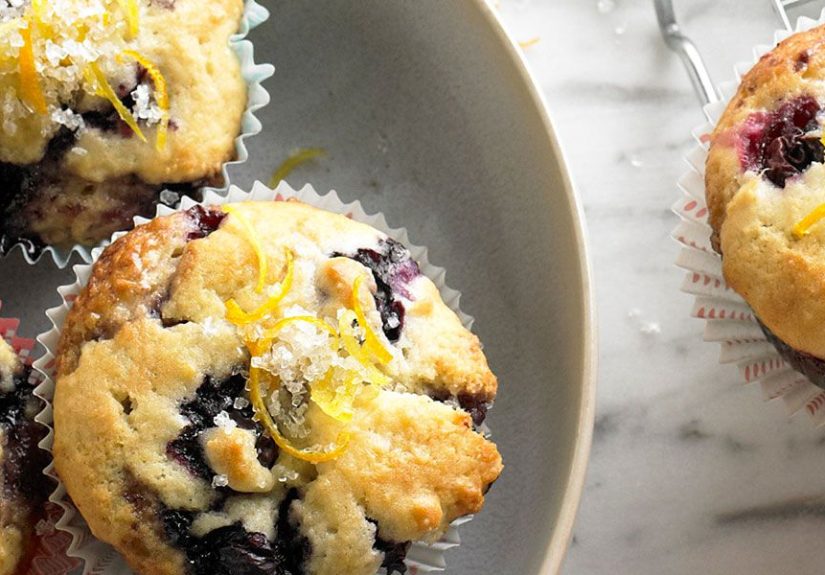
If breakfast had a popularity contest, blueberry muffins would be wearing the crown and pretending to be humble about it. A great version has a tender crumb, bursts of fruit in every bite, and a crumb topping that feels bakery-level without requiring bakery-level stress. Use fresh or frozen blueberries, a touch of lemon zest, and a cinnamon-sugar streusel for texture. These are excellent for meal prep and freeze beautifully, which is useful because “I will save these for later” is often a fiction.
2. Buttermilk Biscuits
Buttermilk biscuits are the savory hero of the breakfast table. They are rich, flaky, and versatile enough to be served with jam, eggs, sausage, honey butter, or absolutely no accompaniment because you grabbed one too soon and burned your fingertips. The keys are cold butter, gentle folding, and a hot oven. For extra layers, pat the dough into a rectangle and fold it over itself a few times before cutting.
3. Cinnamon Rolls
This is the recipe you bake when you want applause before noon. The best cinnamon rolls are soft and tall, with a gooey cinnamon-sugar filling and a frosting that melts into the spirals instead of sitting on top like a cold insult. An overnight version works especially well: make and shape the rolls the day before, refrigerate them, then let them warm slightly before baking in the morning. It is the closest a home oven gets to performing magic on demand.
4. Sour Cream Coffee Cake
Coffee cake remains one of the most underrated breakfast bakes. It is not flashy, but it shows up on time, tastes great with coffee, and knows the value of a good crumb topping. A sour cream batter gives the cake richness and moisture, while cinnamon streusel in the middle and on top adds contrast. Add toasted pecans or walnuts if you want more crunch. This is the kind of cake that makes people cut a “small slice” and then circle back with suspicious speed.
5. Lemon Poppy Seed Scones
Scones often get a bad reputation because too many of them are dry enough to qualify as building materials. A good scone is tender, buttery, and lightly crumbly, not dusty. Lemon poppy seed is a classic breakfast flavor because it feels bright and not too heavy. Finish with a simple lemon glaze and serve warm. The dough should be handled as little as possible, and chilling it before baking helps the scones keep their shape.
6. Banana Walnut Bread
Banana bread is the patron saint of overripe produce. It is easy, forgiving, and almost impossible to dislike. A strong version balances sweetness with deep banana flavor, a little vanilla, and a pinch of cinnamon or nutmeg. Walnuts add crunch, but chocolate chips are also welcome if you want breakfast to feel suspiciously like dessert. Bake it in one loaf or as mini loaves for gifting, assuming you are emotionally ready to part with any of it.
7. Cheese Danish
If full laminated Danish dough sounds like an ambitious life choice, start with a simplified version using puff pastry. Fill the center with sweetened cream cheese, top with jam or fresh berries, and bake until golden. You still get flaky edges and creamy filling with a fraction of the labor. This is the kind of shortcut that deserves respect, not judgment. Breakfast should be delicious, not a test of suffering.
8. Monkey Bread
Monkey bread is cheerful chaos in a Bundt pan. Small pieces of dough are coated in cinnamon sugar, layered with butter and brown sugar, and baked until they become a pull-apart tower of sticky joy. It is excellent for brunch gatherings because people can tear off pieces without needing a knife. It also looks impressively festive, which is helpful when you want guests to think you planned further ahead than you did.
9. Brioche or Challah French Toast Bake
This lives at the intersection of bread recipe and breakfast casserole, and it deserves a seat at the pastry table because it delivers maximum comfort with minimal fuss. Rich bread like brioche or challah absorbs custard beautifully, especially when it is slightly stale. Add berries, cinnamon, and a streusel topping for a bake-ahead breakfast that feels luxurious but is secretly very practical.
10. Savory Cheddar-Scallion Scones
Not every breakfast pastry needs to flirt with sugar. Savory scones are fantastic with eggs, soup, or a second cup of coffee when you want something substantial. Sharp cheddar, scallions, and black pepper are a reliable combination, and a little mustard powder in the dough can deepen the flavor. These are also ideal for people who say, “I’m not really into sweets,” right before eating two cinnamon rolls and half a muffin.
How to Build a Balanced Breakfast Baking Rotation
If you want your kitchen to produce better mornings without becoming a full-time bakery, keep a mix of recipes in rotation:
- Weekday winners: muffins, banana bread, quick breads, and savory scones
- Weekend projects: cinnamon rolls, brioche, coffee cake, and Danish
- Brunch crowd-pleasers: monkey bread, biscuit trays, French toast bakes, and pastry assortments
- Freezer-friendly options: biscuits, muffins, sliced loaves, and unbaked scones
This kind of rotation keeps breakfast interesting without making you feel like you need laminated dough every Tuesday. Sometimes you want a rustic loaf with coffee. Sometimes you want a frosted cinnamon spiral large enough to affect your mood. Both are valid.
Common Mistakes That Ruin Breakfast Bread & Pastry Recipes
Using Ingredients at the Wrong Temperature
Cold ingredients are ideal for flaky doughs, while room-temperature ingredients are better for many cakes and quick breads. Knowing which recipe wants what saves a lot of texture-related heartbreak.
Measuring Flour Too Heavily
Too much flour can turn a tender bake into a dry one fast. Fluff, spoon, and level if you are using measuring cups, or use a kitchen scale for better consistency. Your muffins will not send a thank-you note, but they should.
Opening the Oven Constantly
It is tempting to peek, especially when the kitchen smells incredible, but sudden temperature changes can affect rise and browning. Trust the oven window. It exists for a reason.
Skipping Rest Time
Some bakes need a few minutes to set after leaving the oven. Coffee cake slices more cleanly, muffins release steam more evenly, and monkey bread becomes easier to unmold. Yes, waiting is annoying. Yes, it matters.
Conclusion
The best breakfast bread and pastry recipes are not just about sweetness or nostalgia. They are about choosing the right bake for the moment. Some mornings call for a simple loaf of banana bread and strong coffee. Others call for flaky biscuits, buttery scones, or cinnamon rolls frosted like they have no responsibilities. A great breakfast bake should feel comforting, achievable, and worth turning on the oven for.
If you want the smartest approach, keep a small lineup of dependable favorites: one quick bread, one biscuit or scone, one coffee cake, and one yeasted showstopper. That gives you enough variety to handle lazy Sundays, busy weekdays, holiday brunches, and those mornings when only a homemade pastry will convince you to behave like a person. Bake a little smarter, keep your butter cold when it counts, and never underestimate what a warm pastry can do for morale before 9 a.m.
My Experience With Breakfast Bread & Pastry Recipes
My relationship with breakfast baking began the way many kitchen stories begin: with ambition, optimism, and absolutely no respect for how sticky cinnamon roll dough can become. I thought I was making a cute weekend breakfast. What I actually made was a light cardio session with flour on my shirt and butter on one eyebrow. Still, when the rolls came out of the oven and the icing melted into every swirl, I understood why people get attached to breakfast pastry recipes. They are not just food. They are mood management in edible form.
Over time, I learned that breakfast breads are the real workhorses. Banana bread forgives almost every mistake except forgetting the bananas, which feels fair. Muffins are ideal when I want something portioned, portable, and likely to disappear before lunch. Biscuits taught me more about restraint than any self-help book. The less I handled the dough, the better they became. Apparently, dough likes boundaries.
Scones were a humbling chapter. My early ones were so dry they could have been used to patch drywall. Once I started keeping the butter colder, mixing less, and chilling the dough before baking, everything changed. The texture turned tender and delicate instead of stubborn and crumbly. That was the moment breakfast pastry recipes stopped feeling like random luck and started feeling like a skill I could actually build.
The biggest game-changer, though, was discovering make-ahead baking. Overnight cinnamon rolls are one of the great domestic triumphs. You do the difficult part the night before, go to bed feeling suspiciously accomplished, and wake up with something impressive already halfway done. The same goes for assembled coffee cakes, frozen biscuit dough, and unbaked scones waiting on a sheet pan. Morning baking becomes much more charming when it does not begin with measuring flour while half awake and mildly annoyed.
I have also learned that people react differently to different breakfast bakes in a way that is oddly revealing. Serve muffins, and everyone is calm and practical. Serve monkey bread, and suddenly adults are hovering around the pan like raccoons with excellent manners. Bring out a cheese Danish, and someone always says, “You made this?” in a tone that suggests they expected less from you. Honestly, that alone is worth preheating the oven.
What I enjoy most about breakfast bread and pastry recipes is that they make ordinary mornings feel slightly upgraded. Not fussy. Not theatrical. Just better. A loaf cake on the counter changes the mood of a kitchen. A warm biscuit makes scrambled eggs feel more complete. A tray of pastries says, “Something nice is happening here,” even when the only plan is surviving Monday.
So yes, I have overproofed dough, underbaked a coffee cake center, and produced one memorable batch of scones that could have doubled as landscaping materials. But that is part of the charm. Breakfast baking rewards repetition. Each batch teaches you something small but useful. And eventually, you stop thinking of these recipes as special-occasion projects and start treating them as part of your rhythm. That is when the magic really kicks in: not when every pastry is perfect, but when making them feels natural enough that a better morning is only one bowl, one pan, and one preheated oven away.