Table of Contents >> Show >> Hide
- What Is a Bubble Chandelier 6 Globe?
- Why This Chandelier Style Has Staying Power
- Materials, Craftsmanship, and the Details That Matter
- Where a Bubble Chandelier 6 Globe Works Best
- How to Choose the Right One
- Styling Tips for a Better Overall Look
- Installation and Maintenance
- Living With a Bubble Chandelier 6 Globe: The Real Experience
- Final Thoughts
Some light fixtures politely illuminate a room. A Bubble Chandelier 6 Globe walks in like it owns the ceiling, smiles at everyone, and somehow still feels elegant about it. That is the magic of this style. It is playful without becoming childish, sculptural without turning your living room into a modern art lecture, and airy enough to make a statement without feeling visually heavy.
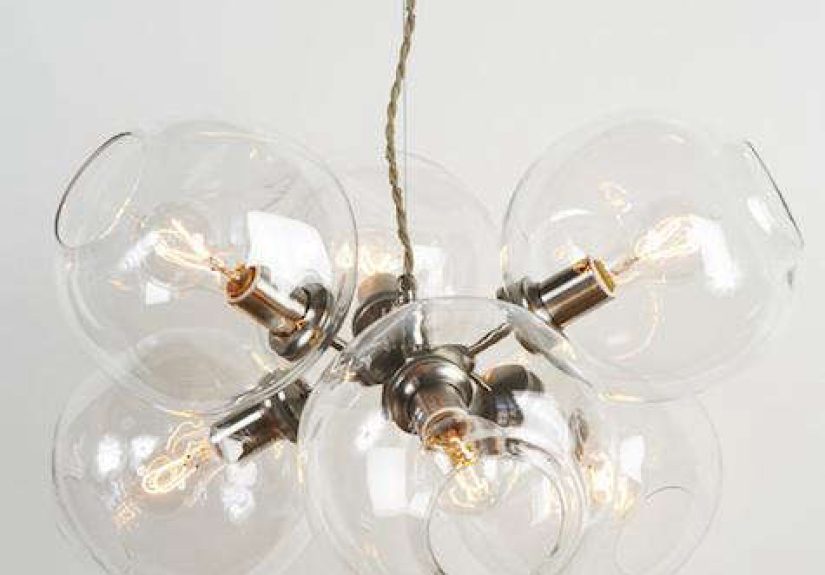
At its best, a Bubble Chandelier 6 Globe blends hand-blown glass, a branching or clustered silhouette, and a warm glow that feels almost weightless. The result is a fixture that looks a little like floating soap bubbles, a little like jewelry for the ceiling, and a lot like the design choice of someone who has moved beyond boring builder-grade lighting and into “yes, I do have opinions about ambiance” territory.
This guide takes a closer look at what makes the Bubble Chandelier 6 Globe so appealing, where it works best, how to style it, what to consider before buying one, and what it is actually like to live with a fixture that gets more compliments than your sofa. By the end, you will know whether this chandelier is the finishing touch your room needs or simply a beautiful object you now admire from a safe emotional distance.
What Is a Bubble Chandelier 6 Globe?
A Bubble Chandelier 6 Globe is a chandelier built around six globe-shaped light elements or six primary globe forms arranged in a sculptural composition. Depending on the maker, the look may be linear, branching, stacked, clustered, or slightly asymmetrical. The common thread is the globe itself: rounded glass shades that create softness, reflection, and a sense of movement.
That roundness matters more than people think. Sharp-edged fixtures can feel architectural and crisp, which is great when you want a clean, tailored look. Bubble chandeliers do something different. They soften a room. They introduce curves into spaces dominated by rectangles: rectangular windows, rectangular tables, rectangular kitchen islands, and rectangular screens that quietly run our lives. In other words, the bubbles do some emotional labor.
The six-globe format is especially attractive because it hits a sweet spot between presence and practicality. It offers enough visual drama to anchor a room, yet it usually avoids the oversized bulk of much larger chandeliers. It is statement lighting for people who want personality, not a ceiling-mounted ego crisis.
Why This Chandelier Style Has Staying Power
Sculptural, But Not Overcomplicated
One reason the Bubble Chandelier 6 Globe remains so appealing is that it reads as art even when it is turned off. The glass globes catch daylight, reflect surrounding finishes, and create dimension from nearly every angle. Because the fixture often uses negative space well, it can look substantial without blocking the room visually.
That balance is hard to achieve. Many dramatic light fixtures become too busy, too fussy, or too theme-heavy. Bubble chandeliers avoid that trap by relying on simple geometry. Circles are timeless. Glass is timeless. A well-balanced armature is timeless. Put them together, and the result feels modern, mid-century friendly, contemporary, and slightly romantic all at once.
Softens a Room Instantly
If your space has a lot of hard materials such as stone counters, wood cabinetry, metal hardware, plaster walls, or a large dining table, a six-globe chandelier can create welcome contrast. The globes bring visual softness. Clear glass keeps the look open and light. Frosted or tinted glass makes the effect moodier and more cocoon-like.
That is why this style often works in interiors that need one slightly whimsical element. It breaks up seriousness. A room full of beige can suddenly feel curated. A room full of sleek lines can suddenly feel warm. A room full of “I bought everything because it matched” can finally relax a little.
Works Across Multiple Design Styles
The Bubble Chandelier 6 Globe is surprisingly flexible. In a mid-century modern room, it feels period-aware without looking like a museum reproduction. In a contemporary space, it acts like sculptural lighting. In a transitional home, it creates just enough edge to keep the room from feeling too traditional. In an eclectic interior, it fits right in because bubble lighting already carries a bit of personality.
Finish choices help shape the mood. Brass brings warmth and glamour. Black adds contrast and a sharper silhouette. Nickel or chrome can lean cooler and cleaner. Clear glass feels fresh and airy, while smoked, opal, or amber tones push the fixture toward a moodier, more decorative personality.
Materials, Craftsmanship, and the Details That Matter
Not all bubble chandeliers are created equal. Some are true design pieces with hand-blown glass and carefully finished hardware. Others mimic the look at a more accessible price point with machine-made shades and simplified metalwork. Neither category is automatically wrong. The key is knowing what you are buying.
When shopping for a Bubble Chandelier 6 Globe, look closely at the globes themselves. Are they hand-blown? Are small variations part of the charm? Does the glass have noticeable depth and clarity? Premium versions often feel more alive because the globes are not perfectly identical. That subtle irregularity gives the fixture character and keeps it from looking too factory-perfect.
Hardware matters too. A bubble chandelier may look airy, but it still depends on a strong structural core. Good custom hardware does more than hold things together. It affects the fixture’s proportions, finish quality, perceived weight, and longevity. A beautiful chandelier with flimsy hardware is like wearing formal clothes with squeaky flip-flops. Technically possible. Emotionally confusing.
Then there is the drop length. Many design-forward bubble chandeliers are customizable in their hanging height, which is excellent news because ceiling heights vary wildly. A fixture that looks dreamy in a photo can become a forehead hazard in real life if the drop is wrong. Adjustable length is not a bonus. It is part of the plan.
Where a Bubble Chandelier 6 Globe Works Best
Dining Rooms
This is the most obvious and often the most successful placement. Above a dining table, a six-globe chandelier creates a focal point that feels intimate and dramatic at the same time. The globes distribute light in a way that flatters the table surface, highlights place settings, and turns an ordinary weeknight dinner into something slightly more cinematic than leftover pasta deserves.
In a round dining room setup, a more clustered or radial bubble chandelier feels especially natural. Over a rectangular table, a branching version can echo the table’s length while still keeping the design visually light. Dimmer compatibility is a major plus here because the same fixture may need to handle homework, dinner parties, and the occasional midnight snack eaten directly over the table while reconsidering life choices.
Entryways and Foyers
If you want guests to understand your design taste before they even see the living room, the foyer is prime chandelier territory. A Bubble Chandelier 6 Globe works particularly well in entryways because the globe shape feels welcoming rather than severe. It says, “Come in, take your shoes off, and admire my excellent lighting decisions.”
In double-height foyers, a longer or more vertical arrangement can feel dramatic without becoming too dense. In smaller entryways, a compact six-globe composition keeps the look special without overwhelming the ceiling plane.
Living Rooms and Bedrooms
In a living room, this chandelier style can replace the usual predictable semi-flush mount and elevate the entire space. It pairs beautifully with curved sofas, vintage wood pieces, plaster finishes, boucle upholstery, and mixed metals. In a bedroom, a bubble chandelier introduces softness and glow, especially when paired with warm bulbs and dimming controls.
The trick is scale. A bubble chandelier should feel intentional, not crowded. If the room is small or the ceiling is low, a compact or tighter composition is usually the wiser move.
How to Choose the Right One
Think About Visual Width, Not Just Measurements
Globe chandeliers can be deceptive. Because they are airy, people sometimes assume they can go much larger than they should. Sometimes that works. Sometimes it creates the lighting equivalent of wearing shoulder pads to a beach picnic. Measure carefully and consider how far the globes extend, not just the canopy size.
For dining rooms, the chandelier should relate to the table rather than dominate it. For open rooms, step back and consider sightlines from multiple angles. Bubble fixtures are sculptural, which means they are always “on display,” even when not illuminated.
Choose the Right Glass Look
Clear glass is the most classic option and usually the most versatile. It keeps the fixture looking open and allows the bulb shape to become part of the design. Frosted or opal glass is softer and more diffused. Smoked glass adds mood and contrast. Amber glass introduces warmth, especially in rooms that need a little glow and richness.
The best choice depends on your room. If you already have a lot of visual texture, clear globes may keep things balanced. If the room is minimal and can handle a little drama, tinted glass can be gorgeous.
Do Not Ignore Bulbs and Dimming
The chandelier is only half the story. The bulbs change everything. Warm white bulbs typically make bubble chandeliers feel inviting and luxurious. Cooler bulbs can flatten the mood and make beautiful glass feel oddly clinical. Unless you are lighting a very specific work area, softer warmth tends to win.
A dimmer switch is highly recommended. This is one of those upgrades that sounds optional until you live without it. Then suddenly you are either hosting dinner under interrogation-level brightness or wandering around in decorative gloom. Neither is ideal.
Styling Tips for a Better Overall Look
Bubble chandeliers look best when the rest of the room gives them room to breathe. That does not mean minimalism is required. It simply means the fixture should have space around it so its silhouette can be appreciated. If you crowd it with too many competing shapes overhead, the effect gets messy.
Try echoing the chandelier’s curves elsewhere in the room. A round mirror, curved chair backs, a pedestal table, arched cabinetry details, or even a softly rounded vase can create visual harmony. This does not mean your home should start looking like a bubble-themed amusement park. Just a few repeated curves will do the trick.
Mixed materials also help. Bubble chandeliers love wood, plaster, marble, linen, velvet, and aged metals. They are especially effective in rooms that need a balance of softness and polish. Think warm oak table, textured rug, brass accents, and a glass chandelier floating above it all like the room’s final brilliant idea.
Installation and Maintenance
Because many six-globe chandeliers use glass elements and branching arms, professional installation is often the smartest choice. This is not the fixture to hang one-handed while balancing on a chair and insisting, “I’ve got it.” You probably do not, and the chandelier deserves better.
Check the ceiling support, fixture weight, hanging height, and bulb access before installation day. Also confirm whether the chandelier can adapt to sloped ceilings if that applies to your space. Small practical details make a big difference once the fixture is out of the box and your patience is being tested by tiny hardware bags.
Maintenance is usually straightforward: dust regularly, clean the glass gently, and avoid harsh products that can damage finishes. Clear glass shows fingerprints and dust more than darker materials, but it also rewards a little upkeep by looking crisp, bright, and luxurious.
Living With a Bubble Chandelier 6 Globe: The Real Experience
Here is the part glossy product descriptions tend to skip: living with a Bubble Chandelier 6 Globe is not just about how it looks in a staged photo. It changes the atmosphere of a room in ways that become obvious only after a few weeks. During the day, the globes catch natural light and reflect windows, walls, and movement. Even when the chandelier is turned off, it still contributes something visually active. It never quite disappears, which is exactly why people buy it.
At night, the experience shifts. A good six-globe chandelier creates layered light rather than a single blunt blast of brightness. The room feels more intentional. Corners soften. Finishes look richer. Meals feel slower. Conversations linger longer. You may even notice that people look up more often, which sounds silly until you realize most ceilings are treated like visual dead zones. This fixture changes that.
There is also a social effect. Guests comment on bubble chandeliers. Repeatedly. Not always in a deep design-theory way, but in a “wow, that is beautiful” way that tells you the fixture is doing its job. It is one of those rare home features that reads as both approachable and impressive. No one feels intimidated by round glass globes. They just feel curious and slightly jealous.
In everyday life, the chandelier often becomes a kind of visual anchor. You decorate around it without meaning to. The dining table below it gets styled a little better. The room starts asking for improved chairs, better curtains, maybe a rug with more confidence. This can be inspiring. It can also be expensive. A strong light fixture has a sneaky way of exposing everything else that is merely “fine.”
Functionally, people tend to appreciate how the six-globe format offers enough light without always feeling excessive. It is substantial, but not cartoonishly oversized. It feels considered. In family spaces, that matters. You want a fixture that brings character without making the room feel too delicate or museum-like. A good bubble chandelier manages that balance beautifully.
That said, there are a few real-world considerations. Dust happens. Glass needs occasional cleaning. If your chandelier hangs low over a table, you may notice smudges or fingerprints sooner than you expected, especially in a house where people touch things simply because they are shiny. Warm bulbs and a dimmer solve most ambiance problems, but bulb choice still matters more than many buyers expect. The wrong bulbs can make a gorgeous chandelier feel oddly flat.
There is also the matter of scale memory. Once you live with a properly sized chandelier, you become strangely intolerant of bad lighting elsewhere. Restaurants feel too harsh. Hotel rooms feel uninspired. Your friend’s sad ceiling fan light suddenly seems like an emotional support appliance rather than a design choice. This is not the chandelier’s fault, but it is a consequence.
Most of all, living with a Bubble Chandelier 6 Globe teaches you that good lighting is not decoration alone. It is mood, rhythm, and presence. It affects how a room photographs, how it feels at 8 a.m., how it glows at 8 p.m., and how long people want to stay there. The fixture becomes part of the room’s identity. Not in a loud, needy way. More in a “this room would not be the same without it” way. That is usually the clearest sign you chose well.
Final Thoughts
The Bubble Chandelier 6 Globe is more than a pretty ceiling accessory. It is a smart design move for anyone who wants lighting that feels sculptural, airy, and memorable. Its appeal lies in contrast: soft globes against hard architecture, playful form with polished craftsmanship, visual drama without oppressive heaviness.
Whether you place it above a dining table, in a foyer, or in a thoughtfully designed living room, this chandelier style earns attention the honest way: by being genuinely beautiful and highly functional. Choose the right size, the right glass, the right bulb temperature, and the right drop length, and the result can transform a room from “nice enough” into “whoa, what is that fixture?”
And really, in a world of forgettable overhead lighting, that is a small domestic victory worth celebrating.