Table of Contents >> Show >> Hide
- What Is the CH37 Dining Armchair?
- Hans J. Wegner and the Art of Making a Chair Look Inevitable
- Shaker Influence: Simple, Functional, and Seriously Hard to Improve
- Design Details That Make the CH37 Dining Armchair Stand Out
- Comfort: Can a Wooden Dining Chair Actually Be Comfortable?
- Materials and Finishes: Oak, Beech, and Paper Cord
- Where the CH37 Dining Armchair Works Best
- How to Style the CH37 Dining Armchair
- CH37 vs. CH36: Which One Should You Choose?
- Is the CH37 Dining Armchair Worth It?
- Care and Maintenance Tips
- Buying Considerations Before Ordering
- Real-Life Experiences With the CH37 Dining Armchair
- Conclusion
The CH37 Dining Armchair is the kind of chair that looks quiet at first. No dramatic curves screaming for attention. No spaceship legs. No upholstery trying to audition for a luxury hotel lobby. Then you sit down, look closer, and realize the chair has been doing the design equivalent of a perfect chess opening: simple, precise, and quietly brilliant.
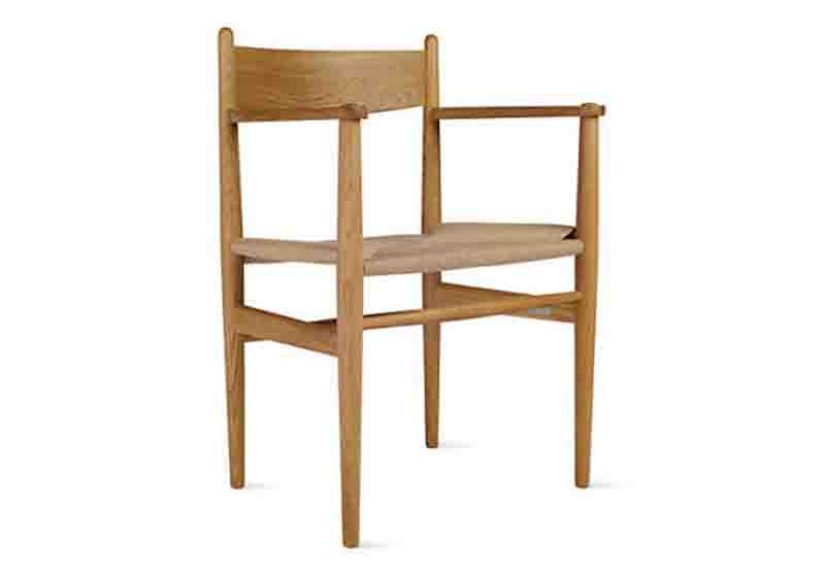
Designed by Hans J. Wegner in 1962 for Carl Hansen & Søn, the CH37 Dining Armchair is a refined piece of Danish modern furniture with deep roots in American Shaker design. It combines a solid wood frame, a hand-woven paper cord seat, slim vertical legs, gently rounded armrests, and a backrest shaped for support without visual heaviness. In other words, it is furniture for people who appreciate beauty, but still want to eat dinner without feeling like they are sitting in a museum display case.
For homeowners, interior designers, collectors, and anyone building a dining room that should age gracefully, the CH37 is more than a dining chair. It is a study in proportion, restraint, craftsmanship, and comfort. Let’s take a closer look at what makes this armchair special, how it compares with other dining chairs, where it works best, and what real-life ownership can feel like.
What Is the CH37 Dining Armchair?
The CH37 Dining Armchair is a dining chair with arms, originally designed by Danish master Hans J. Wegner. It is closely related to the CH36, which is the armless version. Both designs share a clean, honest structure, but the CH37 adds armrests that make it feel more relaxed, more supportive, and more suitable for long meals, reading corners, conference rooms, or stylish workspaces.
The chair is produced by Carl Hansen & Søn, a Danish furniture manufacturer known for preserving many of Wegner’s most famous designs. The CH37 is typically available in oak or beech, with finishes such as oil, lacquer, soap, painted options, and seats woven in natural or black paper cord. The exact finish range may vary depending on the retailer, but the design language stays consistent: warm wood, visible craftsmanship, and an airy silhouette.
Hans J. Wegner and the Art of Making a Chair Look Inevitable
Hans J. Wegner is often called “the master of the chair,” which sounds like a grand title until you remember that he designed hundreds of chairs and made many of them look effortless. His genius was not in adding more. It was in removing everything unnecessary until only the essential remained.
The CH37 Dining Armchair reflects that philosophy beautifully. The vertical legs are slim but strong. The backrest arches slightly backward, more at the top than at the bottom, giving support without bulk. The armrests are gently rounded and flat, comfortable enough for resting your arms but not so thick that they dominate the frame. The woven paper cord seat adds texture and comfort while keeping the chair visually light.
This is not minimalism in the cold, “please do not touch anything” sense. It is warm minimalism. The kind that allows a dining room to breathe. The kind that makes guests say, “This feels nice,” even if they cannot immediately explain why.
Shaker Influence: Simple, Functional, and Seriously Hard to Improve
One of the most important influences behind the CH37 Dining Armchair is American Shaker furniture. Shaker design values simplicity, function, honesty, and craftsmanship. Nothing is ornamental just for the sake of decoration. Every detail has a purpose, and if something does not help the object work better, it usually does not belong.
Wegner admired this disciplined approach, but he did not merely copy it. He translated it into Danish modern language. The CH37 has the straightforward attitude of Shaker furniture, yet its proportions, joinery, and subtle curves are distinctly Wegner. The result is a chair that feels familiar, almost humble, but still sophisticated enough for high-end interiors.
Think of it as the furniture version of a perfectly tailored white shirt: simple from across the room, impressive up close, and strangely difficult to replace once you own a good one.
Design Details That Make the CH37 Dining Armchair Stand Out
1. A Light but Sturdy Frame
The CH37 Dining Armchair has a solid wood frame that appears light, even delicate, but it is built with serious structural confidence. The legs are slender and vertical, contributing to the chair’s upright elegance. This makes the CH37 useful in dining spaces where you want comfort without visual clutter.
2. A Supportive Curved Backrest
The backrest is one of the chair’s smartest features. It arches backward just enough to support the body during meals, conversations, or after-dinner debates about whether dessert counts as a second dinner. Because the curve is subtle, the chair remains clean and architectural rather than lounge-like.
3. Hand-Woven Paper Cord Seat
The seat is woven from paper cord, a traditional material often associated with Danish modern classics. Paper cord may sound fragile if you have never encountered it before, but it is known for durability, texture, and comfort. It has a gentle give that makes the chair more pleasant over time, while the woven surface adds a handcrafted quality that machine-perfect furniture often lacks.
4. Armrests With Character
The CH37’s armrests are not just attached; they are expressed. The joints where the arms meet the front legs are visible and intentional. This is classic Wegner: instead of hiding construction, he turns it into a design feature. The distinctive cap detail at the front adds personality without becoming decorative noise.
5. Balanced Dimensions
Most listed specifications place the CH37 at roughly 22.8 inches wide, about 31.9 inches high, and around 19.7 to 21.6 inches deep, with a seat height near 17.7 inches. Those proportions make it compact enough for dining use but generous enough to feel more supportive than a narrow side chair.
Comfort: Can a Wooden Dining Chair Actually Be Comfortable?
Yes, and the CH37 makes a convincing case. A lot of dining chairs look handsome until you sit in them for forty minutes and begin questioning every life decision that led to that moment. The CH37 avoids that problem through three key comfort moves: the woven seat, the angled back support, and the presence of armrests.
The paper cord seat has more warmth and flexibility than a flat wooden seat. The backrest supports without forcing an overly rigid posture. The armrests allow the body to relax, especially during long dinners, weekend breakfasts, or working-from-the-dining-table sessions. It is not a lounge chair, and it is not trying to be one. But as a dining armchair, it offers the kind of comfort that sneaks up on you.
Materials and Finishes: Oak, Beech, and Paper Cord
The CH37 Dining Armchair is commonly offered in solid oak or beech frames, paired with natural or black paper cord. Oak tends to show a more pronounced grain and feels especially at home in warm, organic interiors. Beech can look cleaner and more uniform, especially in painted or lacquered finishes.
Natural paper cord gives the chair a lighter, more traditional Scandinavian feel. Black paper cord creates stronger contrast and can make the chair appear sharper, moodier, and more contemporary. A soap-treated oak frame with natural cord feels soft and Nordic. Black-painted beech with black cord feels graphic and architectural. Oiled oak sits comfortably in the middle, showing off the grain while adding warmth.
The best finish depends on the room. If your dining space has pale floors, linen curtains, and soft neutrals, natural cord and light oak will blend beautifully. If your space has black window frames, dark stone, or modern lighting, a black or darker finish may create stronger visual rhythm.
Where the CH37 Dining Armchair Works Best
Dining Rooms
The obvious place for the CH37 is around a dining table. Because it has arms, it works especially well at the heads of the table, paired with armless CH36 chairs along the sides. This creates a layered look: practical seating where space matters, added comfort where the table needs visual emphasis.
Breakfast Nooks
In a breakfast nook, the CH37 brings refinement without making the space feel formal. It pairs nicely with round wood tables, slim pedestal tables, and built-in banquettes. The woven seat softens the room, while the wooden frame keeps everything grounded.
Home Offices
For occasional desk use, the CH37 can work beautifully. It is not a task chair with wheels and adjustable levers, but it is far more attractive than most office chairs. For a writing desk, guest desk, or library corner, it adds polish without looking corporate.
Hospitality and Meeting Spaces
The CH37’s clean profile and supportive form make it suitable for conference rooms, private dining spaces, boutique hotels, and design-forward offices. It communicates taste without shouting, which is usually the best kind of communication furniture can do.
How to Style the CH37 Dining Armchair
The CH37 is versatile, but it looks best when paired with materials that respect its quiet craftsmanship. Solid wood dining tables are an obvious match, especially those with clean lines and visible grain. A rectangular oak table creates a classic Scandinavian dining setup. A round table makes the chair feel softer and more conversational.
For lighting, consider paper lanterns, opal glass pendants, simple brass fixtures, or modern linear chandeliers. Avoid overly ornate lighting that competes with the chair’s restraint. The CH37 prefers good company, not a furniture shouting contest.
Textiles also matter. Linen table runners, wool rugs, ceramic tableware, and matte finishes all complement the chair’s natural materials. If you use a rug under the dining table, choose one large enough so the chair legs remain on the rug when pulled out. Your floors will thank you, and so will your ears.
CH37 vs. CH36: Which One Should You Choose?
The CH36 is the armless sibling of the CH37. It is narrower and easier to place along the sides of a dining table. The CH37, with arms, offers more comfort and presence. Many interiors benefit from using both: CH37 chairs at the ends and CH36 chairs along the sides.
If you have a small dining room, measure carefully before choosing all armchairs. Arms add width, and while the CH37 is not bulky, it still needs enough space for guests to sit and move comfortably. If your dining table is generous, a full set of CH37 chairs can look elegant and cohesive. If space is tighter, mixing CH37 and CH36 may be the smarter choice.
Is the CH37 Dining Armchair Worth It?
The CH37 is not a budget dining chair. It is an investment piece. What you are paying for is not only the look, but the design pedigree, materials, joinery, hand-woven seat, and long-term relevance. This is the kind of chair that does not depend on trends. It looked good in the 1960s, it looks good now, and it will likely still look good when today’s trendiest chairs are quietly hiding in basement storage.
For someone furnishing a temporary apartment, the price may be hard to justify. For someone building a long-term home, upgrading a dining room, or collecting authentic Danish modern furniture, the CH37 makes more sense. Its value lies in daily use, not just admiration. A chair earns its place when people actually want to sit in it.
Care and Maintenance Tips
Like any fine wood and paper cord chair, the CH37 rewards basic care. Keep it away from extreme humidity, direct harsh sunlight, and aggressive cleaning products. Dust the frame with a soft cloth. Clean spills quickly, especially on the cord seat. Avoid soaking the paper cord, because woven natural materials prefer gentle treatment rather than dramatic cleaning adventures.
For wood finishes, follow the specific care guidance for the finish you choose. Oiled wood may need occasional maintenance to preserve its richness. Lacquered finishes are generally easier to wipe clean. Soap-treated finishes have a beautiful pale look but may require more mindful care. The main rule is simple: treat the chair like a quality object, not like outdoor patio furniture that lost a bet.
Buying Considerations Before Ordering
Before buying the CH37 Dining Armchair, measure your dining table carefully. Check the height from floor to tabletop, the apron clearance if your table has one, and the space between table legs. Because the CH37 has arms, you will want to make sure the arm height fits comfortably under or around your table design.
Also consider lead times. Many authentic design pieces are made to order or have longer shipping windows depending on finish and retailer. Review return policies carefully, because made-to-order furniture is often non-returnable. If possible, request physical finish samples. Digital images are helpful, but wood tone and paper cord color can shift depending on light, screen settings, and surrounding materials.
Real-Life Experiences With the CH37 Dining Armchair
Living with the CH37 Dining Armchair is different from simply admiring it online. Product photos usually show the chair standing calmly in a perfect room, probably untouched by cereal crumbs, backpacks, delivery boxes, and the mysterious household object known as “that thing we’ll move later.” In real life, the CH37 still holds its own because it has a rare combination of elegance and usefulness.
One of the first things people notice is how light the chair feels visually. In a dining room with several chairs, bulky seating can make the table area feel crowded even when there is enough physical space. The CH37 avoids that. Its slim frame lets light move around it. The woven seat adds texture without heaviness. If you have an open-plan kitchen and dining area, this visual lightness can make the whole room feel calmer.
The armrests also change how people use the chair. Guests tend to settle in more comfortably. A quick dinner becomes a longer conversation. Someone brings coffee to the table and stays. Someone else opens a laptop “for five minutes” and remains there for an hour. The chair encourages lingering without becoming too lounge-like. That balance is one of its strongest qualities.
Another practical experience is how well the CH37 mixes with other furniture. It does not demand that every object in the room be Danish, expensive, or designed by a legend. It can sit beside a simple farmhouse table, a clean modern table, or a vintage piece with character. The chair has enough identity to elevate a room, but enough restraint to avoid making everything else feel underdressed.
In family homes, the paper cord seat may raise questions. Is it delicate? Will it survive daily life? Paper cord is sturdier than many people expect, but it is not magic. It should be treated with reasonable care. Dry crumbs are easy. Spilled tomato sauce is less charming. If your dining area is used by young children, craft projects, or extremely enthusiastic spaghetti eaters, darker cord or seat cushions may be worth considering.
Over time, the chair’s tactile qualities become more important than its visual qualities. The smooth armrests, the slight give of the woven seat, the supportive angle of the back, and the warmth of the wood all contribute to daily enjoyment. This is where the CH37 separates itself from cheaper lookalikes. A similar silhouette can be copied, but proportion, balance, and touch are much harder to fake.
For small apartments, the CH37 can be both wonderful and slightly demanding. It is compact for an armchair, but it still needs breathing room. Around a small table, two CH37 chairs can look intentional and comfortable. Four or six may feel too crowded unless the table is large enough. A smart approach is to use CH37 chairs at the ends and slimmer side chairs elsewhere.
For design lovers, the greatest pleasure may be that the CH37 does not get boring. Some furniture looks exciting for a week and then becomes visual noise. The CH37 works the opposite way. Its details reveal themselves slowly: the way the arm joins the leg, the curve of the backrest, the rhythm of the cord seat, the quiet confidence of the frame. It is a chair that rewards attention without begging for it.
That is the real experience of the CH37 Dining Armchair: it makes ordinary moments feel slightly better. Breakfast feels calmer. Dinner feels more thoughtful. The dining room looks finished without feeling staged. And when someone compliments the chair, you get to say, casually, “It’s a Wegner design,” which is admittedly a small but satisfying furniture-owner moment.
Conclusion
The CH37 Dining Armchair is a timeless example of Danish modern design at its most disciplined and human. Designed by Hans J. Wegner in 1962, it blends Shaker-inspired simplicity with careful ergonomics, solid wood craftsmanship, and the inviting texture of a hand-woven paper cord seat. It is refined without being fragile, minimal without being cold, and comfortable without becoming bulky.
For a dining room, breakfast nook, study, or design-conscious hospitality space, the CH37 offers long-term beauty and practical comfort. It is not the loudest chair in the room, but it may be the one people remember most. And in a world full of furniture trying very hard to be noticed, that quiet confidence feels refreshingly grown-up.