Table of Contents >> Show >> Hide
- What Are Famille Summerbelle Paper Cut Maps?
- Why Paper Cut Maps Work So Well in Children's Rooms
- Best Rooms and Spaces for Famille Summerbelle Maps
- How to Style Paper Cut Map Wall Art
- Design Ideas by Map Theme
- Why Parents Love This Type of Kids Room Decor
- Buying and Availability Notes
- Care Tips for Paper Cut Map Prints
- Experience Section: Living With Famille Summerbelle Paper Cut Maps in a Child’s Room
- Conclusion
Some children’s room décor whispers. Some shouts. And then there are Famille Summerbelle Paper Cut Maps, which somehow manage to do both: they bring the charm of handmade art, the usefulness of a map, and the visual punch of a beautiful poster into one frame-worthy piece. For parents trying to create a room that feels stylish, imaginative, and not like a toy store exploded during a sugar rush, these maps are a lovely answer.
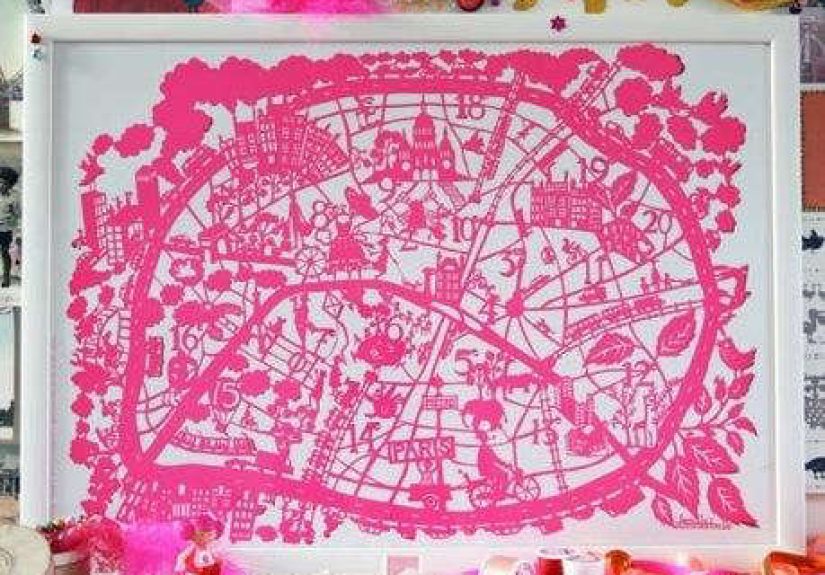
Created from intricate paper-cut artwork by illustrator and designer Julie Marabelle, Famille Summerbelle maps became beloved for their detailed city scenes, playful landmarks, and graphic simplicity. Remodelista described Julie Marabelle as a set designer and illustrator and highlighted the original handmade paper cutouts behind the Paris, New York, and London map prints. The former Famille Summerbelle shop has since closed after 18 years, while Marabelle’s creative work continues through her own studio presence. In other words, these pieces now carry a bit of collector appeal along with their decorative charm.
But the real reason they shine in children’s rooms is simple: they make walls feel alive. A map is not just a map when it is filled with tiny buildings, winding streets, rivers, monuments, trees, bridges, animals, and places to wonder about. It becomes a daily invitation: “Where should we go today?” Even if the answer is “the kitchen, because snacks,” the imagination has already packed its suitcase.
What Are Famille Summerbelle Paper Cut Maps?
Famille Summerbelle Paper Cut Maps are illustrated map prints inspired by original hand-cut paper artworks. Instead of presenting cities in a plain, textbook style, these maps interpret places with personality. They are graphic, detailed, decorative, and just whimsical enough to belong in a child’s bedroom, nursery, playroom, or homework corner.
The brand’s visual language is easy to recognize: clean lines, charming icons, bold colors, and an almost storybook-like sense of discovery. A map of Paris may include beloved landmarks and neighborhood details. A New York City map may feel energetic and dense, like the city itself decided to wear a patterned sweater. A world map print can become a child’s first friendly introduction to oceans, continents, countries, animals, and faraway places.
Unlike many mass-market posters, the appeal of these maps lies in the handmade origin. The artwork begins with the slow, careful art of paper cutting, where every bridge, street, building, and tiny flourish must be planned and shaped. That handcrafted foundation gives the final print a tactile, human feeling, even when displayed as a polished wall print.
Why Paper Cut Maps Work So Well in Children’s Rooms
They Combine Art and Learning
Children’s rooms are more than sleeping spaces. They are tiny headquarters for dreaming, reading, building block towers, asking “why” 417 times, and occasionally hiding socks in mysterious locations. Wall décor in these rooms should do more than fill empty space. It should inspire curiosity.
Maps are naturally educational. National Geographic Education emphasizes that map activities can strengthen spatial thinking skills in young students, helping children understand places, spaces, and relationships. Esri also describes map reading as a foundational skill that supports later knowledge and learning. A beautiful paper cut map may not replace a geography lesson, but it can gently introduce the habit of noticing location, distance, symbols, and place names.
For younger children, a map can begin with simple questions: “Where do we live?” “Where is Grandma?” “Where is the ocean?” “Which city has the tallest buildings?” For older kids, the same artwork can spark conversations about travel, culture, architecture, history, languages, and how cities grow. That is a lot of mileage for one framed print.
They Feel Sophisticated Without Being Too Grown-Up
One challenge with kids room decor is avoiding designs that expire faster than a carton of strawberries. A toddler may love cartoon dinosaurs today and declare them “for babies” next Tuesday. Famille Summerbelle Paper Cut Maps offer a more timeless option. They are playful enough for children but refined enough for adults to enjoy, which means they can grow with the room.
That balance matters. A paper cut map can hang above a crib, later move beside a reading nook, and eventually become part of a teen’s gallery wall. It does not scream “nursery.” It says, “I have taste, curiosity, and maybe a small passport.”
They Add Personality Without Creating Visual Chaos
Children’s rooms often have plenty of color already: books, toys, bedding, stuffed animals, art supplies, superhero capes, mystery glitter, and one plastic truck that somehow migrates to every room in the house. Because Famille Summerbelle maps are graphic and structured, they add detail without feeling messy.
A single large map can act as a focal point. It gives the wall a clear purpose and anchors the rest of the room. In a minimalist nursery, it can add warmth. In a colorful playroom, it can create order. In a shared bedroom, it can serve as neutral common ground when one child wants rockets and the other wants unicorns negotiating real estate terms.
Best Rooms and Spaces for Famille Summerbelle Maps
Nursery Wall Decor
In a nursery, a paper cut map brings softness, story, and visual interest. Choose a calmer color palette if the room is designed for sleep. A blue, gray, or soft neutral map can pair beautifully with natural wood, white furniture, linen curtains, and woven baskets. The result feels sweet but not overly sugary.
For safety, avoid heavy glass frames above a crib. Use lightweight frames, acrylic glazing instead of glass, and secure hardware. Under the Roof Decorating recommends hanging children’s room items at a child-friendly level and avoiding glass when possible. Safety may not be glamorous, but neither is explaining to a toddler why gravity is not a game.
Playroom Feature Wall
A playroom is the perfect place for a bold map. Here, the artwork can be more colorful and interactive. Place it near a low table where children draw, build, and invent stories. Add a small basket of postcards, toy vehicles, animal figures, or travel-themed books nearby. Suddenly the map becomes more than decoration; it becomes a launchpad for pretend adventures.
Try pairing a city map with wooden blocks. Ask your child to build a bridge like the one on the map or create a neighborhood inspired by the print. This kind of open-ended play encourages observation, storytelling, and problem-solving while keeping the room visually stylish.
Reading Nook
A paper cut map above a reading nook is a quiet little design victory. Add a cozy chair, floor cushion, wall-mounted bookshelves, and a soft lamp. The map sets the theme: every book is a journey. One evening your child is in Paris, the next in New York, the next in a dragon kingdom that unfortunately does not appear on standard maps.
For extra charm, choose books connected to places. A London map pairs nicely with Paddington-inspired stories. A Paris map can sit near picture books about art, baking, architecture, or brave little travelers. A world map works with almost everything because childhood imagination has excellent international coverage.
Homework or Homeschool Corner
In a study corner, map wall art can support learning without making the area feel like a classroom bulletin board. It gives children something meaningful to look at during breaks and can encourage gentle geography conversations. A world map or city map near a desk can also help kids connect lessons to real places.
Keep the surrounding area simple. A clean desk, a comfortable chair, a pinboard, and a framed map are enough. Too much stimulation can make homework feel like trying to do math inside a parade.
How to Style Paper Cut Map Wall Art
Choose the Right Frame
Framing can make or break the look. A slim white frame creates a clean, modern feeling. Natural wood adds warmth and works beautifully in Scandinavian, Montessori-inspired, or organic modern rooms. A black frame gives the map more graphic contrast and can make the artwork feel gallery-like.
For children’s spaces, acrylic glazing is often smarter than glass because it is lighter and less prone to shattering. If the print is large, use proper wall anchors. If you rent, high-quality removable picture-hanging strips may work for lighter frames, but always check the weight limits and wall surface first.
Hang It at the Right Height
Interior design guidance often suggests hanging art around eye level, commonly with the center of the artwork around 57 inches from the floor. The Spruce notes that this rule can be adjusted depending on room use, furniture, and ceiling height. In a child’s room, however, the better question is: whose eye level?
If the map is meant for your child to explore, hang it lower than you would in a living room. Let them point to places, trace rivers, find landmarks, and ask questions. If the print is purely decorative above a dresser or bed, standard adult-level placement may work. When in doubt, tape a paper template to the wall first and live with it for a day. It is cheaper than making the wall look like it lost a fight with a nail gun.
Pair It With Simple Accessories
Because Famille Summerbelle Paper Cut Maps are detailed, they look best with accessories that support rather than compete. Consider pairing them with:
- Solid-color bedding or subtly patterned sheets
- Wooden toys, blocks, or puzzles
- Travel books and city-themed picture books
- A small globe or compass-style accessory
- Neutral shelves with a few colorful objects
- Soft rugs in natural textures
The goal is not to turn the bedroom into an airport terminal. The goal is to create a cozy space where adventure feels possible.
Design Ideas by Map Theme
Paris Map Room Idea
A Paris-inspired children’s room does not need to be covered in Eiffel Towers. In fact, please step away from the Eiffel Tower overload. A Famille Summerbelle Paris map can be the star while the rest of the room stays soft and chic. Try pale blue walls, white furniture, striped bedding, a small reading lamp, and a basket of plush toys. Add one or two art books or a croissant-shaped pillow if you enjoy décor with a wink.
New York City Map Room Idea
A New York map works beautifully in a modern kids room with strong lines and bold accents. Pair it with navy, red, charcoal, or bright yellow. Add building blocks, a taxi toy, or city-themed books. This style is especially fun for children who love skyscrapers, transportation, bridges, and the idea that pizza is a major food group.
London Map Room Idea
A London map can bring a cozy, storybook quality to a room. Pair it with deep red, navy, cream, or forest green. Add classic books, a plaid blanket, or a small shelf for treasures. This design can feel traditional without becoming stiff, especially when balanced with playful patterns and soft textures.
World Map Room Idea
A world map is ideal for families who love travel, multicultural learning, or big-picture curiosity. It works in nurseries, playrooms, homeschool spaces, and shared bedrooms. Add labels, postcards, flags, or photos from family trips around the frame. Keep the main artwork uncluttered, but let the surrounding area become a rotating story wall.
Why Parents Love This Type of Kids Room Decor
Parents often want children’s rooms to feel beautiful, practical, and personal. Famille Summerbelle Paper Cut Maps check all three boxes. They are beautiful because the artwork is detailed and distinctive. They are practical because maps introduce real learning opportunities. They are personal because families can choose a city or country that means something to them.
Maybe the map shows the city where a parent studied abroad. Maybe it marks a place where grandparents live. Maybe it represents a dream destination. Maybe it simply looks amazing over the dresser, which is a perfectly valid emotional connection. Design does not always need a dramatic backstory. Sometimes “it makes the room happy” is enough.
Another advantage is longevity. Many children’s decorations are age-specific, but map art has staying power. A toddler may enjoy the shapes and colors. A school-age child may start reading labels. A tween may appreciate the graphic style. Even adults can move the print into a hallway, office, or family room later.
Buying and Availability Notes
Because the original Famille Summerbelle shop has closed, shoppers may need to look for remaining stock, resale listings, authorized stockists, or Julie Marabelle’s current creative channels. When buying, pay close attention to size, condition, printing method, paper quality, and whether the print is framed or unframed. Some known print listings describe 50 cm by 70 cm sizing, hand screen printing in the UK, and heavyweight art paper, but details may vary by edition and seller.
If buying secondhand, request clear photos of corners, edges, color, and any creases. Ask whether the print has been stored flat or rolled. For collectible art prints, condition matters. For a child’s room, practicality matters too. A slightly imperfect print can still look wonderful once framed, especially in a lively bedroom where perfection is not exactly the house policy.
Care Tips for Paper Cut Map Prints
To keep a paper cut map print looking fresh, avoid direct sunlight. Strong UV exposure can fade prints over time. Do not hang valuable prints in humid spaces such as bathrooms, laundry rooms, or damp basements. Use acid-free backing if possible, and avoid taping the print directly to the mat or frame in a way that could damage the paper.
In children’s rooms, check the frame every so often. Kids grow, jump, climb, and occasionally treat furniture like gym equipment designed by pirates. Make sure frames remain secure and out of rough play zones. If the room belongs to a very young child, place framed artwork where it can be seen but not easily pulled down.
Experience Section: Living With Famille Summerbelle Paper Cut Maps in a Child’s Room
One of the nicest things about decorating with Famille Summerbelle Paper Cut Maps is that the artwork does not sit quietly in the background. It becomes part of family life. A parent may choose the print for its design value, but children often claim it for their own reasons. They notice details adults miss. They spot tiny buildings, little icons, strange shapes, rivers, parks, and landmarks. A map that looked like “wall art” during installation can become a bedtime conversation within a week.
Imagine placing a Paris paper cut map beside a child’s bed. At first, the room simply looks more polished. The wall has a focal point. The colors connect with the bedding. The space feels intentionally designed instead of accidentally assembled from online sale items at midnight. Then the child starts asking questions. “What is that tower?” “Do people live there?” “Can we go?” Suddenly, the print is not just décor. It is a tiny doorway to culture, travel, architecture, language, food, and geography.
In a playroom, the experience can be even more active. A world map or city map can inspire pretend travel games. Children may line up toy cars and announce that everyone is driving to New York. They may build a block bridge after noticing one on the print. They may decide a stuffed rabbit lives in London now and requires a passport made from construction paper. None of this needs to be planned. The map simply gives imagination something to grab onto.
Parents also tend to appreciate how these maps help organize a room visually. Many children’s spaces are full of small objects, and small objects have a talent for multiplying like cheerful clutter gremlins. A strong piece of wall art creates a design anchor. It says, “This room has a concept,” even if the floor currently says, “This room has 38 puzzle pieces and one missing sock.” A large framed map can make shelves, bedding, curtains, and toys feel more connected.
Another real-life advantage is flexibility. If the child’s interests change, the map still works. It can pair with animals, travel, books, vehicles, Montessori toys, modern furniture, vintage pieces, or minimalist décor. It is not locked into one trend. You can refresh the room by changing bedding, adding a new rug, or rotating accessories while the map remains the centerpiece.
There is also a sentimental layer. Families often choose a map connected to memory: a city where parents met, a country tied to heritage, a place visited on a first big trip, or a destination the family dreams about seeing together. Over time, the print becomes more than an object. It becomes part of the child’s visual memory of home. Years later, they may not remember every toy in the room, but they may remember the map on the wall and the stories it started.
The best experience comes from treating the artwork as interactive, not precious beyond use. Point to places. Tell stories. Ask silly questions. Let the child invent routes. Add a small globe nearby. Read books connected to the map. Use the room as a gentle invitation to notice the wider world. That is the magic of these paper cut maps: they decorate the wall, yes, but they also make the room feel bigger than its square footage.
Conclusion
Famille Summerbelle Paper Cut Maps are a rare kind of children’s room décor: artistic, educational, timeless, and full of personality. They bring together the beauty of paper-cut illustration and the curiosity of maps, making them ideal for nurseries, playrooms, reading corners, and study spaces. Whether you choose Paris, New York, London, France, San Francisco, or a world map, the result is more than a pretty wall. It is a conversation starter, a learning tool, and a daily reminder that the world is wonderfully big.
For parents who want a room that feels thoughtful but not stiff, playful but not chaotic, and stylish without losing childlike wonder, these maps are a smart choice. Frame them safely, hang them where children can enjoy them, and let the questions begin. The map may stay on the wall, but your child’s imagination will be off exploring before breakfast.
Note: This article is based on real product, design, and educational information about Famille Summerbelle, Julie Marabelle, paper cut map prints, children’s room styling, and map-based learning benefits.