Table of Contents >> Show >> Hide
- Start With How You Actually Live
- Find a Focal Point Before You Arrange Furniture
- Use Scale and Proportion Like a Designer
- Layer Lighting for Warmth and Function
- Pick a Color Palette That Connects the Home
- Choose Rugs That Ground the Room
- Mix Materials for a Collected Look
- Decorate Slowly for Better Results
- Make Small Spaces Feel Bigger and Smarter
- Bring Personality Into Every Room
- Use Accessories With Intention
- Do Not Ignore Window Treatments
- Decorating Advice for Real-Life Homes
- Common Decorating Mistakes to Avoid
- Personal Experiences With Decorating Advice
- Conclusion
Decorating a home sounds simple until you are standing in the middle of a room holding a throw pillow, questioning every decision you have made since third grade. Should the sofa face the window? Is the rug too small? Why does the paint color that looked “warm beige” online now resemble pancake batter under interrogation lighting?
The good news is that great decorating is not about buying the most expensive furniture, copying a showroom, or learning mysterious design spells whispered only to people who own linen napkins. It is about creating a space that works for real life, feels visually balanced, and reflects the people who actually live there. The best decorating advice combines beauty, comfort, function, and a little common sensethe kind that says, “Maybe do not put a white velvet chair next to a toddler with grape juice.”
This guide breaks down practical decorating advice for every home, from apartments and small rooms to family living spaces and cozy bedrooms. You will learn how to plan a room, choose colors, arrange furniture, layer lighting, use rugs correctly, decorate on a budget, and avoid common design mistakes that make a space feel unfinished. Think of this as your friendly design coach: helpful, honest, and only mildly judgmental about furniture pushed against every wall.
Start With How You Actually Live
Before buying anything, pause and study your daily habits. A beautiful room that does not support your lifestyle is basically a magazine cover with trust issues. Decorating should begin with questions, not shopping carts.
Ask yourself how the room is used most often. Is the living room for movie nights, homework, entertaining guests, or all three at once? Does the dining room host formal meals, laptop sessions, and the occasional science project volcano? Do you need pet-friendly fabrics, hidden storage, kid-safe corners, or a quiet reading nook?
Function should shape every decorating choice. A family room needs durable materials, comfortable seating, easy-to-clean surfaces, and storage that does not scream “plastic bin convention.” A bedroom should promote rest, so it benefits from softer lighting, calmer colors, and furniture that supports relaxation. A home office should reduce distractions while still feeling pleasant enough that you do not immediately flee to the kitchen every 12 minutes.
Create a Simple Decorating Plan
A decorating plan does not have to be fancy. You can sketch the room on paper, save inspiration images, measure furniture, and list what must stay, what must go, and what is missing. The key is to avoid decorating one random purchase at a time. That is how homes end up with three side tables, no proper lighting, and a chair nobody sits in because it has “decorative energy.”
Start with the room’s purpose, then choose your main furniture pieces, color direction, lighting needs, storage solutions, and finishing touches. When each choice supports the plan, the room feels intentional instead of assembled during a clearance sale thunderstorm.
Find a Focal Point Before You Arrange Furniture
Every room needs a focal point: the visual anchor that gives the eye somewhere to land. It could be a fireplace, large window, built-in shelving, statement artwork, dramatic headboard, bold rug, or even a well-styled media wall. Without a focal point, a room can feel scattered, like everyone showed up to a meeting but nobody knows who is in charge.
Once you identify the focal point, arrange furniture to support it. In a living room, the seating may face a fireplace, TV, or conversation area. In a bedroom, the bed usually becomes the star. In a dining room, the table naturally takes center stage. If the room lacks an obvious focal point, create one with art, lighting, wallpaper, a gallery wall, or a strong piece of furniture.
Do Not Let the TV Win Every Battle
Many modern homes need to decorate around a television, and that is perfectly normal. The trick is to keep the TV from becoming a giant black rectangle of design doom. Surround it with shelving, artwork, sconces, textured walls, or a balanced media console. This helps the screen feel integrated into the room rather than dropped there by a confused delivery robot.
Use Scale and Proportion Like a Designer
Scale is one of the biggest differences between a room that feels polished and a room that feels “almost there.” Scale refers to how objects relate to the size of the room and to each other. Proportion is about balance among those objects. In plain English: the sofa, rug, lamps, coffee table, art, and accessories should look like they are having the same conversation.
A tiny coffee table in front of a massive sectional looks lost. A huge chandelier in a small entry may feel dramatic, but possibly in a “castle lobby having a midlife crisis” way. A small piece of art above a large sofa can look lonely. When decorating, measure first and trust the tape measure more than your optimistic eyeballs.
Common Scale Guidelines That Actually Help
For living rooms, choose a coffee table that is roughly two-thirds the length of the sofa and close to the seat height. For artwork above a sofa, look for a piece or grouping that fills about two-thirds of the sofa width. For area rugs, bigger is usually better. Ideally, at least the front legs of major furniture pieces should sit on the rug so the seating area feels connected.
Lighting also depends on scale. A common designer trick is to add the room’s length and width in feet, then use that number in inches as a rough chandelier diameter. For example, a 12-by-14-foot room may work with a fixture around 26 inches wide. It is not a law, but it is a helpful starting point that saves you from installing a chandelier the size of a salad plate.
Layer Lighting for Warmth and Function
If you rely only on one overhead light, your room may technically be visible, but it probably will not feel inviting. Good lighting is layered. Most rooms need three types: ambient lighting for general brightness, task lighting for specific activities, and accent lighting to highlight art, shelves, plants, or architectural details.
Ambient lighting can come from ceiling fixtures, recessed lights, or large floor lamps. Task lighting includes reading lamps, desk lamps, under-cabinet kitchen lights, and bedside sconces. Accent lighting adds mood and depth, which is design language for “the room finally stopped looking flat.”
Choose Warm Bulbs and Add Dimmers
Bulb temperature matters. Very cool light can make a cozy living room feel like a dental office with throw pillows. Warmer bulbs often create a softer, more comfortable mood, especially in bedrooms, living rooms, and dining areas. Dimmers are also a smart upgrade because they let one room shift from homework zone to dinner party to “I am watching a movie and do not want to see the dust.”
Pick a Color Palette That Connects the Home
Color is one of the most powerful decorating tools because it changes mood, flow, and perceived space. A strong color palette does not mean every room must match. In fact, overly matched rooms can feel stiff. Instead, aim for connection. Repeat certain colors, materials, or tones throughout the home so each space feels related.
A whole-home palette might include warm white walls, natural wood, soft blue accents, black metal details, and touches of green through plants or textiles. Another home might use creamy neutrals, terracotta, brass, and deep navy. The goal is not perfection. The goal is rhythm.
Test Paint Before Committing
Never trust a paint chip alone. Paint changes throughout the day depending on natural light, artificial light, flooring, furniture, and shadows. Test large swatches on different walls and observe them in the morning, afternoon, and evening. The color that looked calm at noon may become strangely dramatic at night, like it joined a theater program.
Neutrals can be especially tricky. White paint may lean blue, yellow, gray, or pink. Beige can feel warm and elegant in one room and oddly muddy in another. Testing is not a delay; it is a rescue mission.
Choose Rugs That Ground the Room
An area rug is not just a soft rectangle for your feet. It defines zones, adds texture, absorbs sound, introduces color, and helps furniture feel anchored. One of the most common decorating mistakes is choosing a rug that is too small. A tiny rug floating under a coffee table can make the entire seating area feel disconnected.
In a living room, the rug should be large enough for at least the front legs of the sofa and chairs to rest on it. In a dining room, it should extend far enough beyond the table so chairs remain on the rug when pulled out. In a bedroom, the rug should give your feet a soft landing on both sides of the bed.
Use Pattern Strategically
Patterned rugs are practical as well as beautiful. They hide small stains, add movement, and make a room feel more layered. If your furniture is mostly solid, a patterned rug can bring the room to life. If your upholstery already has strong patterns, choose a quieter rug with texture or subtle variation.
Mix Materials for a Collected Look
Rooms feel richer when they include a mix of materials. Wood, metal, glass, stone, leather, linen, cotton, wool, ceramic, rattan, and greenery all bring different visual qualities. A room with only one finish can feel flat. A room with thoughtful contrast feels alive.
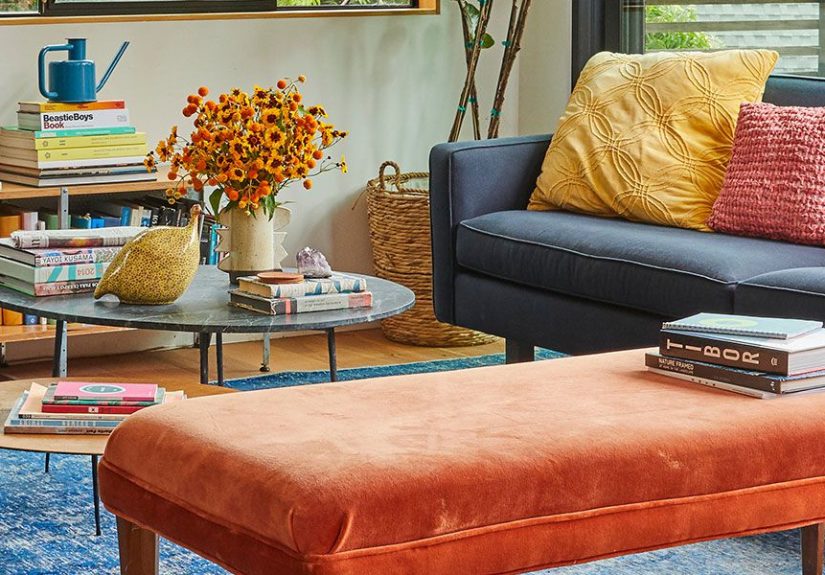
For example, a living room might combine a linen sofa, wood coffee table, brass floor lamp, wool rug, ceramic vase, and woven basket. A bedroom might include cotton bedding, a velvet pillow, a carved wood nightstand, matte black hardware, and a paper-shade lamp. These layers create warmth without requiring loud colors.
Avoid Matching Everything
Matching furniture sets can be convenient, but they sometimes make a home feel like a showroom. A more personal approach is to combine pieces with different shapes, finishes, ages, and textures. Your nightstands do not have to be identical twins. Your chairs do not need to match the sofa. Your home is allowed to have a personality beyond “page 47 of the catalog.”
Decorate Slowly for Better Results
One of the best pieces of decorating advice is also one of the hardest: slow down. A room does not need to be finished in a weekend. In fact, homes often look better when they evolve. Slow decorating allows you to understand how the space functions, what you truly need, and which pieces are worth buying.
Start with essentials: seating, lighting, storage, rugs, and window treatments. Then layer in art, pillows, plants, books, trays, and personal objects over time. This prevents impulse purchases and gives your home a more collected, meaningful feeling.
Spend Where It Matters
Invest in pieces you use every day: sofas, mattresses, dining chairs, quality lighting, durable rugs, and storage. Save on items you may change seasonally or stylistically, such as pillow covers, small accessories, lampshades, decorative trays, and art prints. A balanced budget makes room for both function and fun.
Make Small Spaces Feel Bigger and Smarter
Small spaces require strategy, not punishment. The biggest mistake is assuming every item must be tiny. Too many small pieces can make a room feel cluttered and nervous. Instead, choose fewer pieces with the right scale and multiple functions.
A compact apartment may benefit from a full-size sofa, a storage ottoman, wall-mounted shelves, nesting tables, and curtains hung high to draw the eye upward. A small bedroom may feel larger with a tall headboard, floating nightstands, under-bed storage, and a calm wall color carried across trim and doors.
Use Vertical Space
Walls are valuable real estate. Add shelving, tall bookcases, hanging plants, wall hooks, sconces, and vertical artwork. This keeps floors clearer and makes the room feel taller. In small rooms, clutter on the floor is like a bad group chat: once it starts, it quickly becomes overwhelming.
Bring Personality Into Every Room
The most memorable homes do not look perfect; they look personal. Your decor should tell a story about your interests, travels, family, hobbies, favorite colors, and sense of humor. That does not mean every surface needs a souvenir. It means the room should feel connected to real life.
Display meaningful books, framed family photos, original art, vintage finds, handmade objects, or items collected over time. If you love music, show it through framed album art, a listening corner, or sculptural speakers. If you love gardening, bring in plants, botanical prints, and natural textures. If you love cooking, open shelves with beautiful everyday dishes can become decor.
Be Careful With Themes
Themed rooms can become too literal if every object repeats the same idea. A beach-inspired room does not need fifteen seashells, three anchors, and a sign that says “Beach.” Instead, use sandy colors, woven textures, breezy linen, soft blues, and natural wood. Suggest the feeling rather than shouting the theme through a decorative megaphone.
Use Accessories With Intention
Accessories are the final layer of decorating, but they should not be treated like confetti. Pillows, throws, vases, books, bowls, candles, art, trays, and plants help a room feel complete. Too few accessories can make a room feel unfinished. Too many can make dusting feel like an Olympic event.
Group accessories in odd numbers, vary height and texture, and leave breathing room. A coffee table might include a tray, a small stack of books, a candle, and a low bowl. A console table might feature a lamp, framed art, a plant, and one sculptural object. Shelves look best when they mix books, objects, negative space, and personal pieces.
Edit Before You Add More
Sometimes the solution is not buying something new. It is removing what no longer works. Take everything off a shelf or table, then add back only the pieces that support the room. Editing makes good decor look better and gives special items the attention they deserve.
Do Not Ignore Window Treatments
Curtains, shades, and blinds can transform a room. They control light, add privacy, soften hard edges, and make ceilings feel higher when installed correctly. Hanging curtains close to the ceiling and extending the rod beyond the window frame can make windows look larger and more elegant.
For a polished look, choose curtains that reach the floor or lightly kiss it. Avoid curtains that stop awkwardly above the floor unless the room has a specific practical reason. Short curtains can make a space feel unfinished, like the room got dressed in a hurry and forgot its shoes.
Decorating Advice for Real-Life Homes
A stylish home still needs to survive daily life. That means washable fabrics, practical storage, smart layouts, and surfaces that can handle use. Performance fabrics, patterned rugs, slipcovers, baskets, closed cabinets, washable paint, and durable flooring can make a home both beautiful and livable.
If you have children, pets, roommates, or frequent guests, choose materials with forgiveness. A dark patterned rug may hide wear better than a pale solid one. A wood table with character may handle scratches better than a glossy surface that records every crumb like evidence. A basket near the entry can catch shoes, bags, and the mysterious objects people bring home for reasons unknown.
Storage Can Be Decorative
Storage does not have to ruin the design. Use woven baskets, built-in shelves, benches with hidden compartments, decorative boxes, vintage trunks, and attractive cabinets. The best storage blends into the room while quietly doing the heroic work of hiding chargers, toys, blankets, paperwork, and other signs that humans live there.
Common Decorating Mistakes to Avoid
Many decorating mistakes come from skipping planning, ignoring scale, or decorating too quickly. The most common issues include rugs that are too small, furniture pushed against every wall, poor lighting, art hung too high, matching furniture sets, cluttered surfaces, and paint colors chosen without testing.
Another mistake is copying a trend without asking whether it fits your home. Trends can be fun, but they should support your style rather than replace it. Use trendy colors, patterns, or materials in smaller doses if you are unsure. A pillow is easier to change than a full room of neon tile. Your future self will appreciate the restraint.
How to Fix a Room That Feels Off
If a room feels wrong, do not panic-buy more decor. First, check the basics. Is the furniture arranged for conversation and movement? Is the rug large enough? Is there layered lighting? Does the room have a focal point? Are colors repeated? Is there a balance of textures? Is there too much clutter?
Often, one or two adjustments can dramatically improve the space. Move furniture away from the walls. Swap a small rug for a larger one. Add a floor lamp. Lower the artwork. Remove half the accessories. Bring in one larger plant. Repeat an accent color in three places. These changes are simple, but they can make a room feel suddenly intentional.
Personal Experiences With Decorating Advice
One of the most useful lessons in decorating is that a room teaches you what it needs after you live in it. A floor plan may look perfect on paper, but real life has opinions. The chair you imagined as a reading corner may become the official laundry chair. The coffee table you loved online may be too sharp for a busy family room. The dramatic paint color may look amazing in photos and surprisingly intense when you are just trying to eat cereal at 7 a.m.
A practical decorating experience often starts with one problem. For example, a living room may feel cold even though it has nice furniture. The first instinct might be to buy more pillows or another piece of art. But after looking carefully, the real issue could be lighting. One ceiling fixture cannot create warmth by itself. Adding a floor lamp near the sofa, a table lamp on a side table, and a small picture light over art can change the entire mood. Suddenly, the room feels cozy instead of bare. The furniture did not fail; it was simply standing under bad lighting, which is unfair to everyone involved.
Another common experience is discovering the power of the right rug size. A small rug may seem budget-friendly, but it can make furniture look disconnected. When a larger rug is added and the front legs of the sofa and chairs sit on it, the seating area instantly feels grounded. It is one of those changes that makes people say, “Why does this look so much better?” The answer is scale. Scale is quiet, but it has strong opinions.
Paint testing is another lesson people usually learn the hard way. A color that looks soft and creamy in the store can turn yellow, gray, or strangely green at home. Testing large swatches on multiple walls saves time, money, and emotional damage. It also helps you understand the room’s natural light. North-facing rooms may make colors feel cooler, while rooms with warm afternoon light can intensify yellows and reds. Paint is not just color; it is color plus light plus surrounding materials plus your patience level.
Personal decorating also proves that homes look better when they are not finished too quickly. A room filled in one weekend can look coordinated, but sometimes it lacks soul. A room built over time may include a vintage mirror found unexpectedly, art from a local market, a lamp inherited from family, or a coffee table book connected to a favorite trip. These pieces create a layered feeling that cannot always be purchased in one checkout session.
One helpful approach is to decorate in stages. First, solve comfort and function: seating, sleeping, eating, working, storage, and lighting. Second, create visual structure with rugs, curtains, and major furniture. Third, bring in personality through art, books, plants, textiles, and meaningful objects. This method keeps the room from becoming cluttered with random accessories before the foundation is ready.
It is also worth saying that decorating mistakes are not failures. They are part of learning what you like. Buying the wrong lamp teaches you about height. Choosing the wrong rug teaches you about texture. Hanging art too high teaches you that walls are not basketball hoops. Every adjustment improves your eye. Over time, you start noticing balance, proportion, color temperature, and negative space naturally.
The best decorating advice from experience is simple: make your home useful first, comfortable second, beautiful always, and personal above all. A perfect room that does not welcome real life is not truly successful. A home should hold movie nights, quiet mornings, messy projects, dinner with friends, lazy Sundays, and the occasional decorative experiment that seemed brilliant at midnight. When a space supports your life and makes you happy to walk in, the decorating is working.
Conclusion
Decorating advice is most powerful when it helps you create a home that feels both stylish and livable. Start with function, measure carefully, choose the right scale, layer your lighting, test your colors, use rugs generously, and add personality through meaningful details. Avoid chasing every trend, matching everything, or filling a room too quickly. The goal is not to impress invisible design judges hiding behind your curtains. The goal is to build a space that looks good, works well, and feels like yours.
A beautiful home does not happen because every piece is expensive. It happens because every choice has a purpose. Whether you are decorating a small apartment, refreshing a bedroom, improving a family room, or slowly creating your dream home, the best results come from patience, balance, and personal style. Decorate with intention, edit with confidence, and remember: even the fanciest room still needs a place to put the remote.