Table of Contents >> Show >> Hide
- The Short Answer: Yes, but the Details Matter
- How Face Masks Work
- What the Evidence Says
- Which Type of Mask Works Best?
- When Does Masking Make the Most Sense?
- How to Make a Mask Work Better
- What Masks Cannot Do
- Common Myths About Face Masks
- Everyday Experiences With Masks: What People Have Learned in Real Life
- Conclusion
Let’s start with the question everyone really wants answered without a PhD, a debate club, or a 90-minute family group chat: do face masks prevent the spread of viruses? Yes, they do help. Not perfectly. Not magically. Not like some invisible force field from a sci-fi movie. But when masks fit well and are worn consistently, they can reduce the spread of respiratory viruses and lower the chance that you will breathe in infectious particles.
That matters because respiratory viruses do not politely announce themselves before they arrive. People can spread viruses when talking, coughing, sneezing, singing, or just breathing in close indoor spaces. And since plenty of people are contagious before they realize they are sick, prevention often has to begin before the first dramatic throat-clearing performance.
The bigger truth is that masks work best as part of a layered strategy. Good ventilation, vaccines, hand hygiene, staying home when sick, and better indoor air all matter too. Think of masks as a seat belt. You still want brakes, airbags, and a sane speed limit, but you would not call the seat belt useless just because it is not the only safety feature in the car.
The Short Answer: Yes, but the Details Matter
Face masks can reduce the spread of viruses that move through respiratory droplets and aerosols, especially viruses such as COVID-19, flu, RSV, and some common cold viruses. The strongest benefits show up when the mask is worn correctly, fits snugly, and matches the situation. A loose, sagging mask worn under the nose is more of a face accessory than a health tool. A well-fitted respirator is a different story.
Experts now generally agree on two main points. First, masks help stop infected people from releasing as many virus-containing particles into the air. Second, better masks can also help protect the wearer by filtering incoming particles. In other words, masks are not just about protecting others; they can also protect you.
How Face Masks Work
Source Control
One of the most important jobs of a mask is source control. That means the mask blocks or reduces the respiratory particles coming out of your mouth and nose. Since viruses usually hitch a ride on moisture and particles you exhale, a mask can cut down how much virus gets launched into the air around you. Less virus in shared air means less opportunity for spread.
This is especially important indoors, where poor ventilation can let virus-laden particles hang around like unwelcome party guests who missed every social cue.
Wearer Protection
Masks can also protect the wearer, but the level of protection varies. Respirators such as N95s are built to seal more closely to the face and filter fine airborne particles very efficiently. Surgical masks offer meaningful protection too, but they are looser and leave more room for air leakage. Cloth masks can still be better than nothing, especially if they are multi-layered and fit well, but they generally offer less protection than surgical masks or respirators.
Fit is the deal-breaker. If air is leaking around the edges, the mask cannot do its job nearly as well. That is why two people can wear “a mask” and get very different results. One is wearing protection. The other is wearing optimism.
What the Evidence Says
The evidence on face masks is larger and more nuanced than internet arguments usually suggest. Studies differ in setting, mask type, compliance, and which virus is being studied. That makes the overall picture messy, but the bigger trend is clear: well-designed observational studies, laboratory studies, and several real-world evaluations support the idea that masks can reduce transmission, especially when they are used consistently and combined with other prevention measures.
Laboratory Findings
Lab studies show that masks can reduce the amount of respiratory material released into the air. That is a fancy way of saying they catch some of the stuff you would otherwise spray at innocent bystanders. Research on flu has found that masks worn by infected people can sharply reduce the amount of virus detected in exhaled particles, particularly larger ones. Other lab work has shown that better filtration materials and better fit improve performance.
Real-World Studies
Real-world evidence is where things get interesting. In one well-known case from a Missouri hair salon, two infected stylists interacted with dozens of masked clients, and no infections were identified among the clients who were reached for follow-up. On the USS Theodore Roosevelt, sailors who wore masks had a notably lower risk of infection than those who did not. Household studies have also found lower secondary transmission when masks are used consistently.
One of the most discussed community trials took place in rural Bangladesh and included hundreds of thousands of people. Villages that received mask promotion and widespread surgical mask use saw a meaningful reduction in symptomatic COVID-19, with an even larger benefit among older adults. The study also suggested something important for everyday life: improving mask use in the real world is possible, and better mask quality matters.
Why People Still Argue About It
Part of the confusion comes from expecting every public health question to be answered by one perfect randomized trial. That is not how the world works. People do not wear masks with robotic consistency. Different viruses spread in different ways. Community behavior changes. Ventilation changes. Season changes. Even the way a person speaks changes how many particles they emit. Public health evidence often has to come from a mix of study types, not one magical paper that settles every argument forever.
So when someone says, “The evidence is mixed,” the better response is: mixed in what way? About all masks? No. About all settings? No. About whether fit, filtration, compliance, and timing change the outcome? Absolutely yes. That is the real nuance.
Which Type of Mask Works Best?
N95 Respirators
If your goal is the highest level of everyday mask protection, N95 respirators are usually the best option. They are designed to fit closely to the face and filter airborne particles efficiently. When worn properly, they provide stronger protection than looser face coverings. They are especially useful in crowded indoor spaces, on public transportation, in healthcare settings, or when you are trying to avoid bringing a virus home to someone at high risk.
The catch is fit. Facial hair, gaps, and poor sizing can reduce the benefit. An N95 that does not seal well is like buying premium rain boots with holes in the toes.
KN95 and Similar Respirators
KN95s and similar international respirators can offer very good protection too, though quality and fit vary more. Many use ear loops instead of head straps, which can make them less snug than an N95. Still, a well-made KN95 that fits your face closely is usually a solid upgrade from a loose surgical or cloth mask.
Surgical Masks
Surgical masks are still useful. They help with source control and can reduce exposure to larger droplets and some particles. They are widely available, easy to wear, and often more comfortable for longer periods. But because they are loose-fitting, they generally do not provide the same level of protection as respirators. You can improve their performance by using a mask with a moldable nose wire and reducing side gaps.
Cloth Masks
Cloth masks were a practical early pandemic tool, especially when better options were harder to find. They still offer some benefit, especially if they are multi-layered and fit well. But compared with surgical masks and respirators, cloth masks usually provide less consistent filtration and less reliable protection. If you are in a higher-risk setting, upgrading makes sense.
When Does Masking Make the Most Sense?
You probably do not need to wear a mask every minute of your life unless your hobby is speed-running respiratory season. But there are times when masking makes excellent sense.
Masking is especially useful in crowded indoor spaces, on planes and trains, in clinics or hospitals, when virus activity is high in your community, when you are visiting an older relative, when you are recovering from a respiratory illness, or when someone in your household is sick. It also makes sense before important events. Nobody wants to miss a wedding, holiday, work trip, or long-awaited vacation because a stranger coughed theatrically behind them at the pharmacy three days earlier.
Strategic masking is a practical approach for people who do not want to mask all the time but do want to lower risk when it matters most. That is not fear. That is math with better accessories.
How to Make a Mask Work Better
Even a good mask works poorly if used badly. To get real benefit, cover both your nose and mouth fully. Make sure the mask fits snugly against your face. Avoid gaps around the cheeks and nose. Replace disposable masks when they become wet, dirty, or damaged. If you are wearing a respirator, follow the instructions and check the seal each time.
Also remember that masks with exhalation valves are not ideal for source control because exhaled air may escape more easily. And if you are choosing between “a comfortable mask I will actually wear” and “the perfect mask I will remove after seven minutes,” consistency matters. The best mask is the most protective one you can wear correctly for the situation at hand.
What Masks Cannot Do
Masks are helpful, but they are not miracle fabric. They do not eliminate all risk. They do not substitute for staying home when you are sick. They do not fix poor ventilation. They do not make an overcrowded, poorly aired room magically safe. And they do not work well if they are hanging from one ear like a lost earring with ambition.
This is where some criticism of masks goes off the rails. A tool does not have to be perfect to be worthwhile. Umbrellas do not stop all rain. Sunscreen does not make you invincible. Brushing your teeth does not guarantee you will never see a dentist again. Public health works through risk reduction, not superhero plot armor.
Common Myths About Face Masks
“Viruses Are Too Small, So Masks Cannot Work”
This myth leaves out a crucial fact: viruses usually travel in respiratory droplets and aerosols, not as naked free-floating particles on a solo road trip. Masks are designed to interfere with those particles, and higher-quality respirators are particularly good at doing so.
“Masks Lower Oxygen or Cause Dangerous Carbon Dioxide Buildup”
For most people, routine mask use is safe. Masks may feel warm, annoying, and deeply offensive to your glasses, but they generally do not trap dangerous levels of carbon dioxide. Certain people with serious medical issues may need individualized advice, but for the average person, discomfort is not the same thing as danger.
“If Masks Are Not Perfect, They Are Useless”
This is probably the silliest myth of the bunch. Risk reduction tools do not have to be flawless to be valuable. The goal is to lower the odds of spread, not create a zero-risk universe where nobody ever sneezes again.
Everyday Experiences With Masks: What People Have Learned in Real Life
One reason the mask discussion became so heated is that people did not experience masking in the same way. A nurse working around vulnerable patients, a commuter riding a packed train, a parent with a child in daycare, and a healthy remote worker living alone all saw different levels of benefit. That difference in day-to-day experience shaped how people felt about the science, even when the underlying evidence pointed in the same general direction.
In healthcare settings, masks became less of an abstract debate and more of a practical habit. Staff learned quickly that a good mask mattered most when they were around coughing patients, enclosed exam rooms, or long shifts with repeated exposures. In those spaces, the point of a mask was not political theater. It was simple protection for both staff and patients, especially older adults and people with weakened immune systems.
Travel offered another real-world lesson. Many people noticed that crowded airports, planes, buses, and trains remain some of the easiest places to collect an unwanted respiratory souvenir. That is why strategic maskers often keep a respirator in a bag, backpack, or coat pocket. They may not wear it to walk outside on a quiet street, but they are happy to put it on in a jam-packed boarding line where everyone is breathing the same recycled impatience.
Families also learned that masks can be most appreciated when someone at home is sick. If one person wakes up with fever, cough, or the unmistakable “I am becoming a mucus factory” feeling, masks can help reduce spread within the household, especially in shared rooms. They are not a guarantee, but many families found that adding masks, fresh air, separate towels, and handwashing gave everyone else a better shot at staying well.
Workplaces learned something too: people are often willing to mask when the reason feels concrete. Before visiting a newborn, caring for an elderly parent, preparing for a surgery, or heading into a major presentation or vacation, masking suddenly looks a lot less annoying and a lot more practical. The same person who rolls their eyes at the grocery store may happily wear an N95 on a plane two days before a big event. Human beings are funny that way. We love prevention most when it has a deadline.
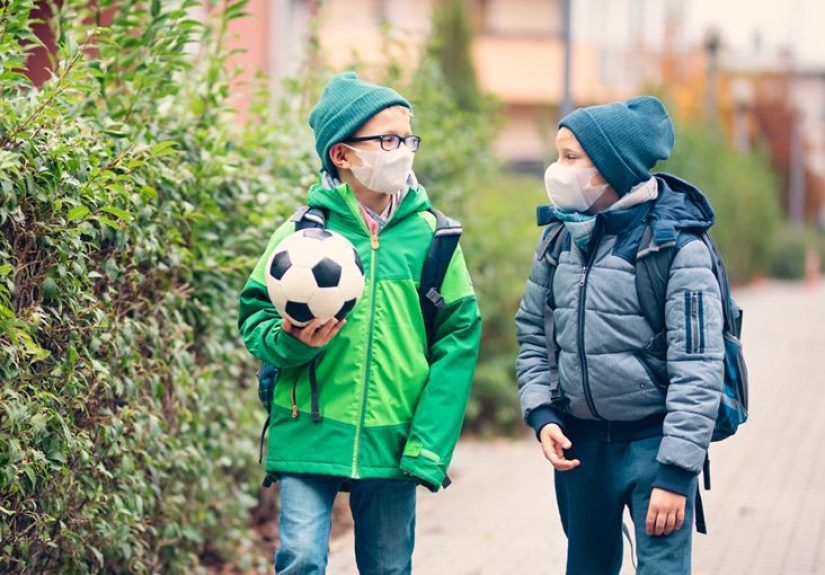
Schools, offices, and public spaces also showed that compliance matters. A decent mask worn consistently usually outperforms a “better” mask worn badly or worn only when someone remembers. People learned that comfort, social norms, communication, and convenience all shape whether masking actually happens. In the real world, behavior is part of the technology.
Perhaps the biggest lesson is this: masks are not all-or-nothing. They are a situational tool. Used thoughtfully, they can make everyday life safer during respiratory virus season without requiring people to live in permanent emergency mode. That middle ground may be the most useful experience of all.
Conclusion
So, do face masks prevent the spread of viruses? Yes, they help reduce it, and the benefit is strongest when the mask fits well, matches the risk, and is used consistently. Better masks, especially N95 respirators, offer more protection than looser options. Surgical masks still help. Cloth masks are usually the weakest of the group, though still better than nothing in many situations.
The smartest takeaway is not that masks solve everything. It is that they remain one useful, evidence-based tool for reducing respiratory virus spread, especially in crowded indoor settings, during surges, around vulnerable people, and when you are sick or trying very hard not to get sick. That is not overreaction. That is just using a pretty simple tool for a pretty common problem.