Table of Contents >> Show >> Hide
- What Are Fidget Spinners?
- Why Do Children Like Fidget Spinners So Much?
- Can Fidget Spinners Help Children Focus?
- Fidget Spinners, ADHD, and Sensory Needs
- Safety Concerns Parents Should Know
- How to Choose a Safer Fidget Spinner for Children
- Should Fidget Spinners Be Allowed in School?
- How Parents Can Teach Responsible Use
- When to Consider Other Support
- Practical Tips for Families
- Real-World Experiences: Fidget Spinners and Children
- Conclusion: Are Fidget Spinners Good for Children?
- SEO Tags
Fidget spinners entered family life the way glitter enters a craft drawer: suddenly, everywhere, and somehow impossible to remove completely. One minute, they were tiny spinning gadgets sold near checkout counters. The next, children were twirling them at school, at dinner, in the car, andbecause children are naturally committed scientistsdangerously close to their noses.
For parents, teachers, and caregivers, the big question is not simply whether fidget spinners are “good” or “bad.” The better question is: When do fidget spinners help children, when do they distract them, and how can adults make them safer? Like many tools used with kids, fidget spinners can be useful in the right situation and completely ridiculous in the wrong one. A pencil can help a child write an essay; it can also become a drumstick, a sword, or a ceiling-tile testing device.
This guide takes a balanced, practical look at fidget spinners and children, including possible benefits, safety concerns, classroom rules, ADHD and sensory needs, and real-world experiences from homes and schools.
What Are Fidget Spinners?
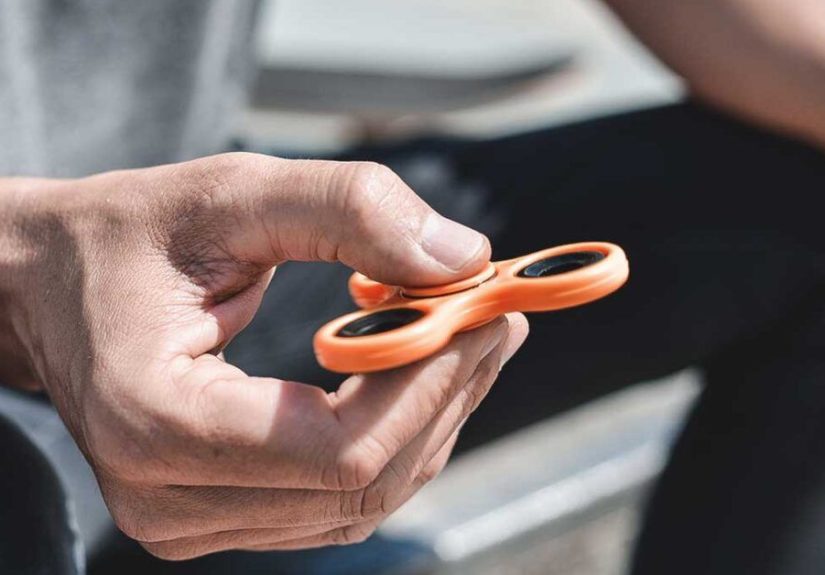
A fidget spinner is a small handheld toy with a central bearing that allows it to spin between the fingers. Most designs have two or three weighted arms, though some versions light up, make sounds, glow in the dark, or look like they were designed by someone who thought “quiet toy” was merely a suggestion.
Fidget spinners became wildly popular because they are simple, portable, inexpensive, and satisfying to use. Children can hold one in one hand, flick it with the other, and watch it spin. The smooth motion provides visual stimulation, while the weight and movement offer tactile feedback.
Although many people use the terms interchangeably, fidget spinners are only one type of fidget toy. Other fidget tools include stress balls, textured strips, putty, pop-it toys, tangle toys, chewable jewelry, pencil toppers, and quiet hand tools designed for sensory regulation.
Why Do Children Like Fidget Spinners So Much?
Children are naturally drawn to movement, texture, and repetition. That is why they tap pencils, bounce knees, twist hoodie strings, peel labels off water bottles, and somehow turn every chair into a rocking chair. Fidget spinners give that restless energy a specific place to go.
They Provide Sensory Feedback
Many children enjoy the feeling of something moving in their hands. The spinning motion, light pressure, and repetitive action can be calming for some kids. Children who seek sensory input may find the steady movement soothing, especially during moments of boredom, stress, or waiting.
They Are Easy to Use
Unlike toys with complicated rules, fidget spinners are instantly understandable. Flick, spin, repeat. No manual required. That simplicity makes them appealing to younger children, older kids, and even adults pretending they bought one “for research.”
They Offer a Sense of Control
Children do not always get to control their environment. They are told when to sit, stand, eat, sleep, line up, be quiet, and stop poking their sibling with a breadstick. A fidget spinner gives them a small, manageable action they can control, which may feel comforting during anxious or overstimulating situations.
Can Fidget Spinners Help Children Focus?
The answer is: sometimes, for some children, in some settings. That may not be as satisfying as a bold yes or no, but children are not vending machines. Put in a fidget spinner, press “focus,” and out comes completed homework? If only.
For some children, especially those with ADHD, autism spectrum disorder, anxiety, or sensory processing differences, fidget tools may help channel extra energy. The key word is tools. A useful fidget should support attention, not steal the spotlight from the task.
A child who quietly squeezes a stress ball while listening to a lesson may be using a fidget effectively. A child who launches a spinner across the room like a tiny plastic UFO is not practicing self-regulation; they are auditioning for indoor chaos.
Fidgeting Is Not Always a Problem
Adults often assume stillness equals attention. But many children listen better when their hands are busy. Small movements can help some kids stay alert, especially during long periods of sitting. This is one reason occupational therapists, educators, and child development specialists may recommend certain fidget tools for individual children.
But Spinners Can Be More Distracting Than Other Fidgets
Fidget spinners are visually interesting. That is part of the funand part of the problem. Because they spin, flash, wobble, and invite tricks, they can pull attention away from reading, writing, or listening. Compared with quieter tools like putty, textured tape, or a small squeeze item, a spinner may be harder to use discreetly in a classroom.
Some studies and classroom reports suggest that fidget spinners do not automatically improve attention and may even reduce focus for certain students. This does not mean every spinner is harmful. It means adults should avoid treating them as a magic therapy gadget. The spinner is not a substitute for an ADHD evaluation, behavioral support plan, occupational therapy, or classroom accommodation when those are needed.
Fidget Spinners, ADHD, and Sensory Needs
Fidget spinners are often marketed to children with ADHD, anxiety, autism, or sensory processing challenges. This marketing can be helpful when it starts a conversation about support. It can also be misleading when it promises too much.
Children with ADHD may benefit from movement because their brains often seek stimulation to stay engaged. However, the type of movement matters. A fidget that is quiet, repetitive, and low-effort may help. A fidget that demands visual tracking, competition, tricks, and constant adult reminders may backfire.
For children with sensory needs, the question is not “Are fidget spinners good?” but “Does this specific child use this specific spinner in a way that helps?” Some children calm down when using one. Others become more excited. Some use it appropriately for three minutes, then attempt to balance it on their forehead. Results may vary.
Signs a Fidget Spinner May Be Helping
A fidget spinner may be useful if the child becomes calmer, stays engaged longer, listens better, completes tasks more smoothly, or uses the spinner without distracting others. The best fidget tools almost disappear into the background. They support the child quietly, without turning into the main event.
Signs It May Be Hurting Focus
A spinner may not be the right choice if the child watches it instead of the teacher, argues when asked to put it away, uses it for tricks during work time, distracts classmates, puts it near the face or mouth, or becomes more restless after using it. In that case, a quieter fidget may work better.
Safety Concerns Parents Should Know
Fidget spinners look harmless, but they are still small objects with moving parts. Some models include detachable pieces, metal bearings, LED lights, or button batteries. For young children, those details matter.
Choking Hazards
Small parts can break off, especially in cheaper or poorly made spinners. Young children may put pieces in their mouths, and even older children sometimes chew, bite, or hold toys between their lips without thinking. Parents should keep fidget spinners away from children under age 3 and supervise younger kids closely.
Button Battery Risks
Light-up fidget spinners may contain small button or coin batteries. If swallowed, these batteries can cause severe internal injury. This is an emergency, even if the child seems fine at first. Parents should avoid battery-powered spinners for young children and check that battery compartments are secured with screws.
Face and Eye Injuries
Children may spin the toy close to their eyes, nose, or mouth. That can lead to bumps, scratches, or other injuries. A simple rule helps: fidget spinners stay in the hands and away from the face.
Quality Matters
Not all fidget spinners are made equally. Before giving one to a child, inspect it carefully. Look for loose caps, sharp edges, cracked plastic, exposed bearings, or wobbly parts. If the toy feels flimsy, skip it. A fidget tool should not require a safety briefing worthy of a NASA launch.
How to Choose a Safer Fidget Spinner for Children
When buying a fidget spinner, choose a sturdy, age-appropriate model from a reliable seller. Avoid products with easily removable parts, weak plastic, or unsecured batteries. For school use, simpler is usually better. Flashing lights and loud designs may be exciting, but they are also more likely to become distractions.
Look for These Features
Choose fidget spinners with smooth edges, durable construction, secure caps, no loose decorations, and no accessible batteries. For younger children, consider non-spinning fidget tools instead, such as silicone pop toys, soft stress balls, textured strips, or therapy putty, depending on the child’s age and needs.
Avoid These Features
Be cautious with cheap novelty spinners, light-up models with button batteries, tiny detachable parts, sharp metal edges, or designs that encourage risky tricks. A good fidget should help a child settle, not inspire them to test gravity in the living room.
Should Fidget Spinners Be Allowed in School?
Schools have mixed experiences with fidget spinners. Some teachers find that fidget tools help certain students stay calm and focused. Others find that spinners quickly become toys, trades, competitions, and tiny classroom helicopters.
A fair school policy usually separates fidget tools from fidget toys. A tool has a purpose: helping a child focus or regulate. A toy is used for entertainment. The same object can be either one depending on how it is used.
Helpful Classroom Rules
Teachers and parents can agree on simple rules before a spinner enters the classroom. For example: the spinner stays below desk level, it must be silent, it is used only during independent work or listening time, it cannot be shared during class, and it goes away if it distracts the student or others.
Better School-Friendly Alternatives
For many classrooms, quiet fidgets work better than spinners. These may include kneaded erasers, textured pencil grips, Velcro under the desk, small stress balls, fabric strips, or flexible tangle toys. The best classroom fidgets are boring to everyone except the child who needs them. That is not a flaw; that is the whole point.
How Parents Can Teach Responsible Use
Children often need coaching to use fidget spinners appropriately. Instead of saying, “Stop playing with that,” try explaining the difference between a toy and a tool. A fidget tool helps the brain stay ready. If it becomes the main activity, it is no longer doing its job.
Create Clear Boundaries
Set rules at home before problems begin. For example, no fidget spinners at the dinner table, no spinning near faces, no taking them apart, no throwing them, and no using them during homework if they slow the work down. Rules work best when they are simple, consistent, and explained calmly.
Observe the Child, Not the Trend
One child may use a spinner for two minutes and settle into reading. Another may spend 30 minutes inventing spinner stunts and forget the book exists. Watch what happens. If the spinner helps, keep it as one option. If it causes arguments or distraction, try another strategy.
When to Consider Other Support
A fidget spinner should not be the entire plan for a child who struggles with attention, anxiety, sensory overload, or classroom behavior. If a child regularly cannot sit through age-appropriate tasks, becomes overwhelmed by ordinary environments, has frequent meltdowns, or struggles academically, it may be time to talk with a pediatrician, teacher, school counselor, occupational therapist, or child psychologist.
Fidget tools can be part of a larger support plan, but they are not a diagnosis, treatment, or cure. They are more like training wheels for restless hands: useful for some riders, unnecessary for others, and not designed to fix the whole bicycle.
Practical Tips for Families
Use the “Help or Hype?” Test
After your child uses a fidget spinner, ask: Did it help them finish the task? Did it help them calm down? Did it distract anyone? Did it create a new argument? If the answers are mostly positive, the spinner may be useful. If not, it may be hype in toy form.
Limit Use During Screens
Many children already get plenty of stimulation from screens. Adding a spinner during video games or fast-paced videos may increase restlessness rather than reduce it. Save fidgets for waiting, listening, calming down, or quiet work.
Keep a Small Fidget Basket
Instead of relying on one spinner, offer a few options: a stress ball, a textured strip, a pop toy, a pencil grip, and perhaps a simple spinner for supervised use. Children can learn which tool helps in which situation.
Real-World Experiences: Fidget Spinners and Children
In real life, fidget spinners rarely fit neatly into one category. Parents often report that the same spinner can be a lifesaver on Monday and a complete circus on Tuesday. That is normal. Children’s needs change with sleep, hunger, stress, environment, and whether their sibling just breathed “too loudly” nearby.
One common experience happens during homework. A child sits down with a math worksheet, already annoyed that numbers continue to exist after school. The parent offers a fidget spinner, hoping it will help the child settle. For the first few minutes, it works. The child spins it quietly while reading the first problem. Their hands are busy, their body is calmer, and the worksheet no longer looks like a personal insult. Then the spinner becomes the main event. The child starts timing the spin, testing tricks, and asking whether it can balance on a pencil. In this situation, the spinner was helpful only when it stayed secondary to the task. The lesson for parents is to watch the outcome, not the object. If homework moves forward, great. If the spinner becomes homework’s evil twin, put it away.
Teachers often describe a similar pattern in classrooms. A quiet fidget can help a student listen during reading time, especially if the child tends to tap, wiggle, or grab nearby supplies. But fidget spinners are more visually interesting than many other tools. When one child brings out a spinner, five other children may suddenly develop a deep academic interest in rotational physics. Some classrooms solve this by allowing only teacher-approved fidgets that are quiet, non-flashy, and used below the desk. Others require fidgets to be part of a student support plan rather than a free-for-all accessory.
Parents of children with ADHD or sensory differences may find that fidget spinners work best during short, specific moments: waiting at a restaurant, sitting through a sibling’s activity, calming down after school, or transitioning between tasks. The spinner gives the child’s hands something predictable to do. However, many families eventually discover that other fidgets are better for daily use. A stress ball may be less exciting but more practical. Therapy putty may offer stronger sensory input. A textured pencil grip may help at school without attracting attention.
Another experience involves safety. Many parents buy fidget spinners casually, then realize later that not all models are child-friendly. A loose center cap, cracked plastic, or light-up battery compartment can turn a simple toy into a hazard. Families with toddlers need extra caution because older siblings’ toys often migrate to the floor, under the couch, or directly into the hands of a younger child with world-class mouth-investigation skills. A good habit is to inspect fidget toys regularly and throw away damaged ones immediately.
The most successful families tend to treat fidget spinners as one tool in a larger toolbox. They do not expect the spinner to solve attention problems, cure anxiety, or transform a chaotic afternoon into a peaceful documentary about well-regulated children. Instead, they use it intentionally. They set rules, observe results, and switch tools when needed. That balanced approach keeps expectations realistic and helps children learn an important skill: noticing what helps their bodies and brains feel ready to participate.
Conclusion: Are Fidget Spinners Good for Children?
Fidget spinners can be helpful for some children, distracting for others, and unsafe when poorly made or used without supervision. The smartest approach is balanced: choose age-appropriate products, avoid small parts and unsecured batteries, set clear rules, and pay attention to whether the spinner actually improves focus or calm.
For children with ADHD, anxiety, autism, or sensory needs, fidget spinners may provide useful sensory input, but they are not magic therapy devices. In many cases, quieter and less visually distracting fidget tools may work better, especially in school. Parents and teachers should focus on function: if the fidget helps the child participate, it has value. If it turns into a toy, a battle, or a flying object, it is time for a different plan.
In the end, fidget spinners are neither heroes nor villains. They are small spinning objects with potential benefits, real risks, and a remarkable ability to disappear under car seats. Used wisely, they can support some children. Used carelessly, they become one more distraction in a world already full of them.