Table of Contents >> Show >> Hide
- What Is an Art Comparison?
- Why Art Comparisons Are So Satisfying
- Popular Types of Art Comparisons
- How to Create a Strong Art Comparison Post
- What Viewers Can Learn From Art Comparisons
- Why Artists Should Save Their Old Work
- How to Compare Art Without Being Mean to Yourself
- Ideas for the “Hey Pandas” Art Comparison Challenge
- Examples of Art Comparisons That People Love
- The Role of Community Feedback
- Experiences Related to Art Comparisons
- Conclusion: Your Art Comparison Is a Creative Time Machine
- SEO Tags
Every artist has a secret museum hidden in their camera roll. Somewhere between “I think I invented a new hand shape” and “wait, this actually looks good,” there is a folder full of old sketches, abandoned paintings, half-finished digital files, and dramatic before-and-after art comparisons. And honestly? That folder deserves applause, a spotlight, and possibly a tiny velvet rope.
“Hey Pandas, Show Us One Of Your Art Comparisons” is more than a friendly creative challenge. It is an invitation to look at growth in a way that is visible, funny, honest, and surprisingly inspiring. Art comparisons allow creators to place two works side by side and say, “Here is where I started, here is where I am now, and yes, the old version’s eyes were absolutely living separate lives.”
Whether you are comparing a childhood drawing to a polished illustration, a pencil sketch to a digital painting, or a first attempt to a remake years later, the result tells a story. It shows practice, patience, personality, and the tiny decisions that eventually become style. For readers, these comparisons are addictive because they turn progress into something you can see in one glance. For artists, they are a reminder that improvement is not magic. It is mileage.
What Is an Art Comparison?
An art comparison places two or more artworks next to each other to highlight differences, similarities, changes, or progress. Sometimes the comparison is technical: stronger anatomy, better lighting, cleaner composition, improved perspective, richer colors, or more confident line work. Sometimes it is emotional: the new version feels bolder, softer, stranger, more personal, or more alive.
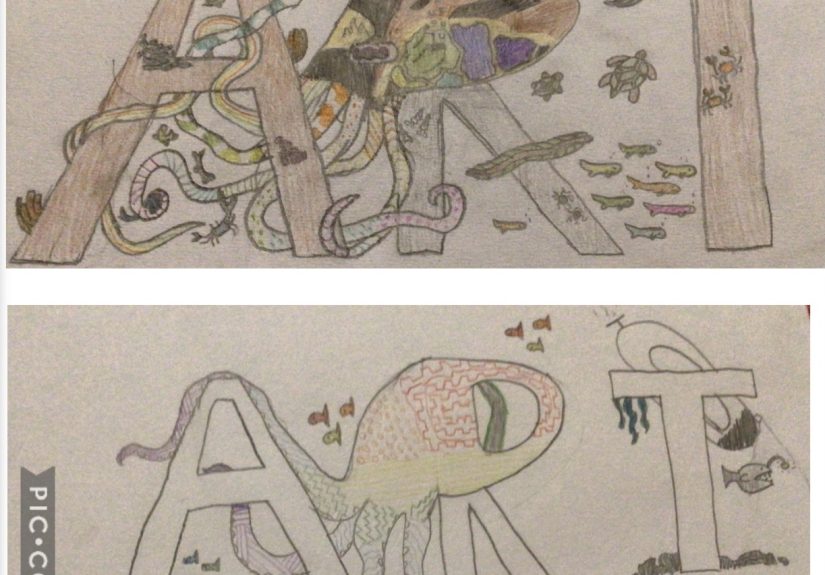
In online creative communities, art comparisons often appear as “draw this again,” “then vs. now,” “old art vs. new art,” “sketch vs. final,” or “traditional vs. digital” posts. The format works because it is instantly understandable. You do not need a degree in art history to notice that a wobbly dragon from 2018 has evolved into a majestic fire-breathing creature with cheekbones sharper than a fantasy villain’s contract.
Why Art Comparisons Are So Satisfying
Art comparisons are satisfying because they make invisible effort visible. Viewers usually see the finished piece, but not the years of trial, error, tutorials, smudged pages, deleted layers, and “why does this nose look like a potato?” moments behind it. A side-by-side comparison pulls back the curtain.
They also give artists something most creative people need more often: proof. When improvement happens slowly, it can be hard to feel. You might draw every week and still think you are stuck. Then you open a sketchbook from three years ago and discover that your old trees looked like nervous broccoli. Suddenly, progress becomes undeniable.
1. They Celebrate Growth Without Pretending It Was Easy
A good art comparison does not say, “Look, I became amazing overnight.” It says, “Look what happens when curiosity refuses to leave the room.” That message is powerful for beginners who worry that skilled artists were simply born with perfect hands and a built-in color palette. Spoiler: they were not. Most artists have old work that looks awkward, charming, chaotic, or all three at once.
2. They Make Practice Feel Worth It
Practice can feel repetitive while it is happening. Drawing the same subject again and again may not sound glamorous, unless your idea of glamour is twenty pages of slightly different ears. But comparisons reveal how repetition builds control. Line weight becomes steadier. Shapes become clearer. Shadows stop looking like random gray clouds. The artist learns to make choices instead of guesses.
3. They Turn Mistakes Into Evidence
One of the best parts of art comparisons is that old mistakes stop feeling embarrassing. They become evidence of learning. That first portrait with one eye wandering off to buy snacks? It helped teach alignment. That flat landscape? It introduced the need for depth. That overworked watercolor? It whispered, “Maybe stop before the paper becomes soup.”
Popular Types of Art Comparisons
There is no single correct way to post an art comparison. In fact, the more personal the format, the better it usually feels. Here are some of the most engaging types creators love to share.
Old Art vs. New Art
This is the classic glow-up. Artists choose an old piece and place it beside a recent work, often using the same subject or character. The result can be dramatic. Maybe a once-flat cartoon cat now has expressive posture, soft shading, and the emotional depth of someone who has seen the treat drawer close too many times.
Redraw Challenges
In a redraw challenge, the artist intentionally recreates an older piece. This makes improvement easier to spot because the subject stays similar while the execution changes. The new version might have better anatomy, cleaner storytelling, stronger color harmony, or a more confident mood. It is like giving your past self a high-five with better brushes.
Sketch vs. Finished Piece
This comparison is perfect for showing process. The sketch reveals the planning stage: loose shapes, messy construction lines, and the “trust me, this will become a horse” phase. The final piece shows how those rough ideas became polished art. Viewers love this format because it proves finished artwork does not appear fully formed like a dramatic movie entrance.
Traditional vs. Digital Art
Some artists compare a pencil, ink, watercolor, or acrylic version with a digital interpretation. This type of art comparison highlights how medium changes mood. A traditional piece may feel textured and intimate, while a digital version may look crisp, luminous, or cinematic. Neither is automatically better; they simply speak with different accents.
Reference vs. Interpretation
Artists sometimes compare their reference image, mood board, or original inspiration with the finished artwork. This can be fascinating because it shows decision-making. The artist might exaggerate colors, simplify shapes, change lighting, or add symbolic details. The comparison reveals not just what they saw, but how they translated it.
How to Create a Strong Art Comparison Post
A great comparison post does more than show two images. It gives the viewer a reason to care. The best posts are clear, honest, and specific enough to make people say, “Oh, I see what changed.” Here is how to make yours stand out.
Choose Two Pieces With a Clear Connection
The strongest comparisons usually share a subject, theme, style, or goal. For example, compare two portraits, two fantasy creatures, two landscapes, or two versions of the same original character. A clear connection helps viewers focus on progress instead of wondering why a 2017 pineapple sketch is standing next to a 2026 cyberpunk city.
Use a Clean Side-by-Side Layout
Presentation matters. Place the older work on the left and the newer work on the right, or label them clearly with dates. Avoid cluttered backgrounds, confusing borders, or text that covers important details. The artwork should do the talking, while the labels politely hold the microphone.
Add a Short, Honest Caption
Your caption does not need to be a dramatic autobiography. A few thoughtful lines can make the comparison more meaningful. Mention what changed, what you learned, or what surprised you. For example: “I redrew this character after four years. I focused on cleaner shapes, warmer lighting, and giving him hands that do not look like abandoned forks.”
Point Out Specific Improvements
Specific details help readers understand the growth. Instead of saying, “I improved a lot,” mention the changes: stronger composition, more natural poses, smoother blending, better facial expressions, more believable perspective, or improved use of negative space. Specificity turns a simple post into a mini art lesson.
Keep the Old Art Respectful
It is fine to joke about old art, but try not to bully your past self too hard. That earlier version did the best it could with the skills available at the time. Besides, every current masterpiece has an awkward ancestor somewhere. Treat old work like a baby photo: funny, sweet, and not responsible for its haircut.
What Viewers Can Learn From Art Comparisons
Art comparisons are not only useful for artists. They also teach viewers how to look more closely. When two images sit together, the eye naturally begins to compare line, shape, color, texture, space, balance, and mood. This is the heart of visual analysis: observing what is present and thinking about how those choices affect meaning.
For example, a first drawing of a character might use stiff posture and flat lighting. A later version might tilt the shoulders, add a stronger silhouette, deepen the shadows, and create a clearer facial expression. Those changes do not just make the picture prettier. They change the story. The character may feel more confident, mysterious, tired, cheerful, or dramatic enough to deserve their own soundtrack.
Why Artists Should Save Their Old Work
Many artists feel tempted to delete old pieces because they look unfinished or awkward. Resist that urge. Old art is a progress archive. It records what interested you, what challenged you, and what skills you were building at the time. Even the messiest sketch can become useful later.
Saving old work also helps you notice patterns. Maybe you have always loved dramatic lighting. Maybe you keep drawing characters with huge jackets, suspiciously emotional eyes, or hair that ignores gravity. These patterns can reveal your artistic voice. Style is not always something you invent on purpose; sometimes it is what keeps showing up when you are not looking.
How to Compare Art Without Being Mean to Yourself
The goal of an art comparison is not to prove that the old piece was bad. The goal is to understand the journey. A healthier comparison asks: What did I know then? What do I know now? What changed in my technique, taste, patience, or confidence?
Try using neutral language. Instead of “this old drawing is terrible,” say, “this older piece has flatter lighting, and the newer one uses stronger contrast.” Instead of “I was awful at anatomy,” say, “I understand structure better now.” This approach keeps the comparison useful instead of turning it into a courtroom trial where your 2019 sketchbook is the defendant.
Ideas for the “Hey Pandas” Art Comparison Challenge
If you want to join the challenge but are not sure what to post, start with something simple. Choose one comparison that tells a clear story. You do not need the most dramatic transformation on the internet. Sometimes a subtle improvement is more interesting because it shows careful thinking.
Try These Comparison Prompts
Compare your first digital painting with your latest one. Redraw a childhood character. Show your oldest saved sketch beside a recent sketch. Compare a five-minute drawing with a one-hour drawing. Place your original character’s first design next to their current design. Compare a study from life with a drawing from imagination. Show a messy thumbnail next to a finished illustration.
You can also compare the same subject across different moods. Draw the same house as cozy, haunted, futuristic, and abandoned. Paint the same portrait with warm colors and then cool colors. Sketch the same creature as cute and then terrifying. Art comparisons do not always have to be about improvement; they can also show range.
Examples of Art Comparisons That People Love
Some comparisons become especially engaging because they tell a mini story. A beginner’s first landscape beside a new atmospheric scene can show how the artist learned depth and light. A simple stick-figure comic beside a polished comic page can show growth in timing, expression, and panel layout. A flat character design beside a more developed version can show how personality grows through costume, posture, color, and silhouette.
Another fun example is the “same character, different year” comparison. In the old version, the character might stand stiffly with a blank expression. In the new version, they might lean into the pose, carry props, wear more thoughtful clothing, and look like they have opinions about rent, coffee, and the fate of the kingdom. The artwork becomes more than technically better; it becomes more specific.
The Role of Community Feedback
Sharing art comparisons can invite encouraging feedback from other creators. A thoughtful comment can help artists see strengths they missed. Someone might notice improved storytelling, cleaner values, more expressive shapes, or a stronger sense of movement. Community reactions can be motivating, especially when the artist has been staring at the same canvas so long that every shadow starts looking suspicious.
Of course, feedback should be kind and useful. “This is bad” helps no one. “The newer piece has stronger lighting, and the pose feels more natural” is much better. Good critique points toward growth. It does not throw tomatoes from the balcony.
Experiences Related to Art Comparisons
One of the most relatable experiences in any art comparison challenge is the shock of rediscovering old work. You open a forgotten folder expecting mild nostalgia, and suddenly you are face-to-face with a drawing that has three light sources, no visible structure, and a hand that appears to be negotiating with gravity. At first, you may laugh. Then you may cringe. Then, if you are paying attention, you notice something sweeter: that old drawing had energy. It had ambition. It may not have had accurate elbows, but it had courage.
Many artists describe this experience as both humbling and motivating. The older piece reminds them of how much they did not know, while the newer piece proves how much they learned by continuing. That contrast can be emotional. It is easy to forget that every confident brushstroke was once uncertain. Every clean composition was once a messy experiment. Every strong character design was once a collection of guesses wearing boots.
Another common experience is realizing that progress is not always linear. Sometimes the newer artwork is technically better, but the older one has a charm you still love. Maybe the old version had looser lines, stranger ideas, or a sense of play that got polished away over time. That does not mean you failed. It means comparison can teach more than improvement; it can reveal what you want to keep. Many artists use old pieces to recover forgotten instincts, such as bolder colors, simpler shapes, or funnier storytelling.
Art comparisons can also change how you handle creative frustration. When you are stuck on a current piece, it is easy to believe you are not improving. Looking back gives you perspective. You see that earlier problems were solved one by one: noses became less mysterious, backgrounds stopped being empty voids, and poses began to look like actual bodies instead of folding chairs in disguise. This reminder can make today’s struggle feel temporary rather than permanent.
For people posting in a community challenge, the experience becomes even richer. You are not only showing progress; you are joining a group celebration of practice. Someone else’s comparison might inspire you to redraw an old character. Another artist’s funny caption might make you less embarrassed about your beginner work. The comment section becomes a gallery of persistence, where every awkward first attempt is part of the exhibit. That is the real charm of “Hey Pandas, Show Us One Of Your Art Comparisons.” It turns personal growth into a shared creative party, and everyone is invitedeven the old sketches with questionable hands.
Conclusion: Your Art Comparison Is a Creative Time Machine
An art comparison is more than a before-and-after image. It is a creative time machine. It lets you visit the artist you used to be, appreciate the artist you are becoming, and maybe laugh lovingly at a few artistic choices that were doing their best under difficult circumstances.
So, hey Pandas, show us one of your art comparisons. Share the redraw, the glow-up, the sketch-to-finish journey, the old character redesign, or the traditional-to-digital experiment. Your comparison might encourage another artist who feels stuck. It might remind someone that progress is real. And it might prove, once again, that every great piece of art has a wonderfully awkward cousin hiding in the archives.