Table of Contents >> Show >> Hide
- What Makes a Dumbo Rat Different?
- How to Care for a Dumbo Rat: 15 Steps
- 1. Adopt or buy from a responsible source
- 2. Keep at least two same-sex rats together
- 3. Choose a spacious, well-ventilated cage
- 4. Set up the cage in the right location
- 5. Use safe bedding and nesting material
- 6. Provide hideouts, hammocks, shelves, and climbing options
- 7. Feed a high-quality rat pellet or lab block as the main diet
- 8. Offer healthy fresh foods in moderation
- 9. Keep water fresh and easy to access
- 10. Spot-clean daily and deep-clean regularly
- 11. Give daily out-of-cage exercise
- 12. Handle your dumbo rat gently and often
- 13. Train and enrich their clever little brains
- 14. Monitor health and schedule veterinary care
- 15. Plan for lifespan, costs, and long-term responsibility
- Common Mistakes New Dumbo Rat Owners Make
- Experience-Based Tips for Caring for a Dumbo Rat
- Conclusion
Dumbo rats look like tiny detectives who misplaced their trench coats. With their big, round, low-set ears and curious eyes, they can turn even the most serious adult into someone whispering, “Who is the best little potato?” But beneath the cartoon-level cuteness is a real animal with real needs. A dumbo rat is not a separate species from other pet rats; it is a type of fancy rat known for its ear placement. That means dumbo rat care is basically the same as fancy rat care: clean housing, balanced food, companionship, enrichment, gentle handling, and regular veterinary attention.
This guide explains how to care for a dumbo rat in 15 practical steps. Whether you are bringing home your first pair of rats or trying to improve your current setup, the goal is simple: help your rats live a healthy, interesting, comfortable life. Rats are intelligent, social, active animals. They are not cage decorations. They are little roommates with whiskers, opinions, and a suspicious ability to hear a snack bag from another zip code.
What Makes a Dumbo Rat Different?
The dumbo rat gets its name from its large, rounded ears that sit lower on the sides of the head than the ears of standard fancy rats. That adorable feature does not change the basics of care. Dumbo rats still need the same safe cage, rat-specific diet, social time, exercise, chew toys, and health monitoring as any other pet rat. Their personality depends more on genetics, handling, environment, and socialization than on ear shape.
Most pet rats are friendly when properly socialized, but they are also prey animals. They may feel nervous at first, especially in a new home. Patience is not optional; it is part of the starter kit. With gentle handling and a predictable routine, many dumbo rats become affectionate companions who climb onto shoulders, take treats politely, and inspect your sleeves as if they are conducting a home safety audit.
How to Care for a Dumbo Rat: 15 Steps
1. Adopt or buy from a responsible source
Start with a healthy rat from a reputable rescue, shelter, or ethical breeder. Look for bright eyes, clean fur, normal breathing, curiosity, and no signs of diarrhea, discharge, wounds, or heavy scratching. Avoid choosing a rat from dirty, overcrowded housing. If the cage smells strongly of ammonia, that is not just “rat smell”; it can signal poor sanitation and possible respiratory stress.
Ask about age, sex, health history, diet, handling, and whether the rat has been kept with same-sex companions. Rats can breed early and fast, so accurate sexing matters. Unless you are working with an experienced veterinarian or breeder, do not bring home one male and one female “just to see what happens.” What happens is usually a surprise family reunion with too many tiny guests.
2. Keep at least two same-sex rats together
Dumbo rats are social animals. A single rat may become lonely, bored, or stressed even if you spend time with it daily. Human attention is valuable, but you cannot curl up in a hammock, groom whiskers properly, or communicate in rat body language. A same-sex pair or small compatible group is usually best for emotional health.
Females often live well in groups, while males can also do well together, especially if introduced young or managed carefully. If introducing unfamiliar rats, do it gradually and safely. Use neutral territory, watch body language, and separate them if serious fighting occurs. A little squeaking or pinning can be normal social negotiation; injury, blood, or relentless chasing is not.
3. Choose a spacious, well-ventilated cage
A good dumbo rat cage should be roomy, secure, well-ventilated, and easy to clean. Wire cages with solid floors are often preferred because they provide airflow while protecting the feet. Avoid wire-grid floors because they can hurt the feet and contribute to sores. Avoid wooden cages because urine soaks into wood, creates odor, and can encourage harmful ammonia buildup.
For two rats, bigger is always better. A multi-level cage gives your rats room to climb, explore, and create separate areas for sleeping, eating, playing, and bathroom habits. Make sure the bar spacing is narrow enough to prevent escapes, especially for young rats. A rat who discovers a gap in the cage will not file a formal notice before leaving.
4. Set up the cage in the right location
Place the cage in a calm indoor area away from direct sunlight, drafts, smoke, strong smells, loud speakers, and extreme temperature changes. Rats have sensitive respiratory systems, so air quality matters. Avoid kitchens, garages, bathrooms, laundry rooms, and anywhere cleaning fumes or humidity may build up.
The best location lets your rats be part of daily life without being overwhelmed. A living room or quiet bedroom can work well if the environment is safe and stable. Since rats are often most active in the evening, that can be a great time for interaction. Think of them as tiny night-shift managers: they may nap during your productivity hours and become very interested in life right when you are trying to relax.
5. Use safe bedding and nesting material
Choose dust-free, absorbent bedding such as paper-based bedding or aspen shavings. Avoid cedar and pine shavings because aromatic oils can irritate the respiratory system. Also avoid dusty bedding, scented litter, clay cat litter, and anything that clumps. Rats explore with their noses, paws, and mouths, so bedding must be safe from all angles.
Offer nesting materials such as plain paper towels, unscented tissues, shredded paper, or fleece strips. Rats love making nests, rearranging furniture, and acting like tiny interior designers with questionable taste. A cardboard box may become a bedroom, fortress, snack bunker, or all three by breakfast.
6. Provide hideouts, hammocks, shelves, and climbing options
A bare cage is boring. Dumbo rats need places to hide, climb, rest, and explore. Add hide houses, hammocks, tunnels, baskets, ropes, shelves, and cardboard boxes. Rotate items weekly to keep the environment interesting. Enrichment reduces boredom and encourages natural behaviors such as climbing, chewing, nesting, and foraging.
Make sure all accessories are safe. Avoid sharp edges, loose threads that can wrap around toes, small plastic pieces that can be swallowed, and high fall risks. If your cage has tall open sections, add hammocks or shelves as “fall breakers.” Rats are athletic, but they are also capable of dramatic miscalculations that make you wonder whether gravity personally offended them.
7. Feed a high-quality rat pellet or lab block as the main diet
The foundation of a healthy dumbo rat diet should be a complete rat pellet or lab block. These foods are formulated to provide balanced nutrition and help prevent selective feeding. Seed mixes may look exciting, but many rats pick out the tastiest pieces and leave the nutritious bits behind. This is basically the rat version of eating only marshmallows from cereal and calling it breakfast.
Choose food made specifically for rats when possible. Follow package guidelines and adjust based on age, body condition, and veterinary advice. Young, pregnant, nursing, senior, or overweight rats may need different feeding plans. Fresh water should always be available, ideally in a bottle that is checked daily and cleaned regularly.
8. Offer healthy fresh foods in moderation
Fresh foods add variety and enrichment. Many rats enjoy small portions of vegetables, leafy greens, cooked whole grains, and occasional fruit. Good options may include peas, carrots, broccoli, cucumber, romaine lettuce, cooked brown rice, cooked pasta, blueberries, apple pieces without seeds, and banana slices. Introduce new foods slowly to avoid digestive upset.
Treats should stay limited. Too much fruit, fatty food, or sugary snacks can contribute to weight gain and poor health. Avoid chocolate, alcohol, caffeine, raw beans, spoiled food, moldy food, and anything heavily salted, seasoned, or greasy. Cheese is not forbidden in microscopic amounts, but it should not be a major food group. Despite cartoons, rats do not need a dairy-based lifestyle.
9. Keep water fresh and easy to access
Rats need constant access to clean water. Use a sturdy water bottle with a metal sipper tube or a heavy water bowl that cannot be tipped easily. Many owners prefer bottles because bowls can become bedding soup within minutes. Still, bottles can clog, so check the flow every day by tapping the tip and watching for water.
Clean water containers regularly to prevent slime and bacteria. During hot weather, illness, or travel, monitor water intake closely. If a rat seems weak, refuses food, or is not drinking normally, contact an exotic-pet veterinarian quickly. Small animals can decline faster than people expect.
10. Spot-clean daily and deep-clean regularly
Good hygiene is one of the most important parts of dumbo rat care. Remove wet bedding, droppings, and uneaten fresh food every day. Wipe dirty shelves and replace soiled nesting material. A full cage clean is usually needed weekly, though the exact schedule depends on cage size, number of rats, bedding type, and odor.
Do not over-sanitize everything so aggressively that the cage loses all familiar scent. Rats may respond by marking more. Instead, clean thoroughly but leave one familiar cloth or nesting item when appropriate. Use pet-safe cleaners, rinse well, and dry surfaces before returning the rats. A clean cage should smell neutral, not like a perfume factory had a nervous breakdown.
11. Give daily out-of-cage exercise
Dumbo rats need daily supervised time outside the cage in a safe play area. This helps with exercise, bonding, and mental stimulation. Use a rat-proofed room, playpen, couch setup, or enclosed space with tunnels, boxes, climbing toys, and foraging activities. Always supervise. Rats chew, squeeze, climb, and vanish into suspiciously impossible spaces.
Before playtime, remove electrical cords, toxic plants, small swallowable objects, open containers, candles, unsafe foods, and access to other pets. Block gaps behind appliances or furniture. If you think, “There is no way a rat could fit there,” please understand that your rat may accept this as a personal challenge.
12. Handle your dumbo rat gently and often
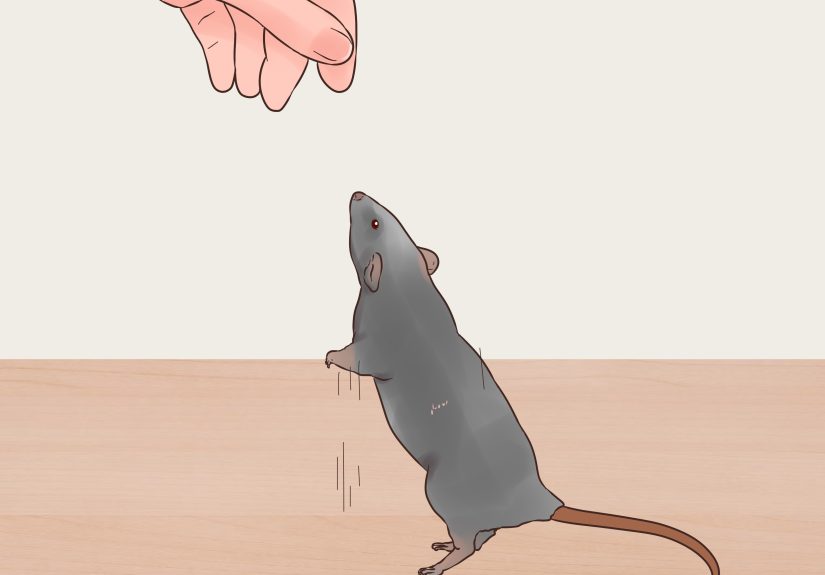
Gentle handling builds trust. Start by talking softly and offering treats from your hand. Let your rat approach rather than grabbing from above, which can feel frightening. When picking up a rat, support the body with both hands. Never lift a rat by the tail. The tail helps with balance and communication; it is not a handle.
Short, positive sessions work better than long stressful ones. Over time, many dumbo rats learn to enjoy climbing onto hands, sitting on shoulders, or exploring a hoodie pocket. Watch body language. Relaxed rats may groom, brux, boggle, or climb confidently. A frightened rat may freeze, puff up, squeak sharply, or try to flee. Respect signals and move at the rat’s pace.
13. Train and enrich their clever little brains
Rats are highly intelligent and benefit from training. Use tiny treats to teach simple behaviors like coming when called, spinning, standing on a scale, entering a carrier, or returning to the cage. Training is not just cute; it can make health checks and travel easier. A rat who voluntarily steps onto a scale is a tiny genius with excellent snack motivation.
For enrichment, scatter food in bedding, hide treats in cardboard tubes, use puzzle feeders, create dig boxes with safe materials, or rotate cage accessories. Chew toys are essential because rat incisors grow continuously. Provide safe wood chews, cardboard, and other rat-safe chew items. If you do not provide legal chewing opportunities, your rat may appoint your hoodie string as the official chew project.
14. Monitor health and schedule veterinary care
Find an exotic-pet veterinarian before there is an emergency. Rats should have routine wellness exams, and new rats should be checked soon after adoption. Watch for warning signs such as noisy breathing, sneezing that does not improve, red staining around the eyes or nose, weight loss, appetite changes, lumps, wounds, limping, head tilt, diarrhea, dullness, or hunched posture.
Respiratory problems are common in rats and should not be ignored. Dental problems can also happen because their front teeth grow throughout life. Female rats may develop mammary tumors, and older rats can have mobility issues. Early veterinary care often gives the best chance of comfort and recovery. “Wait and see” is not a great medical plan when your patient weighs less than a sandwich.
15. Plan for lifespan, costs, and long-term responsibility
Dumbo rats usually live around two to three years, though individual lifespans vary. That may sound short, but the commitment is still serious. They need daily feeding, cleaning, handling, exercise, and attention. They also need money set aside for veterinary care, replacement bedding, food, cage upgrades, toys, and emergency treatment.
Before bringing rats home, ask practical questions: Who will clean the cage? Who will pay for the vet? What happens during vacations? Are all household members comfortable with rats? Do you have a safe place for out-of-cage time? A happy dumbo rat life is not built on cuteness alone. Cuteness helps, obviously, but planning pays the bills.
Common Mistakes New Dumbo Rat Owners Make
Keeping one rat alone
One of the biggest mistakes is keeping a single rat without another rat companion. Even a loving owner cannot replace same-species social interaction. Unless a veterinarian or experienced rescue recommends otherwise for a specific medical or behavioral reason, plan for at least two compatible rats.
Buying a cage that is too small
Many cages marketed for small animals are too small for rats. Rats need room to move, climb, and explore. A cramped cage can lead to boredom, stress, fighting, and poor physical condition. Choose the largest safe cage you can reasonably maintain.
Using unsafe bedding
Scented bedding, dusty bedding, cedar, pine, and clumping litter can create health risks. Safe bedding should control moisture without irritating the respiratory system. When in doubt, choose unscented paper-based bedding or aspen and monitor your rats for sneezing or skin irritation.
Feeding too many treats
Rats are persuasive. A dumbo rat can look at a blueberry like it has been denied basic constitutional rights. Still, treats must be limited. A balanced rat pellet or lab block should remain the main diet, with fresh foods offered in sensible portions.
Skipping the vet until things look serious
Rats often hide illness. By the time symptoms are obvious, the problem may already be advanced. Establishing care with an exotic-pet veterinarian early is one of the smartest steps you can take.
Experience-Based Tips for Caring for a Dumbo Rat
After reading care sheets and setting up the perfect cage, many new owners discover that real life with dumbo rats includes surprises. The first surprise is how quickly they learn routines. Feed them at the same time every evening and, within days, you may see tiny noses lined up at the cage door like customers waiting for a bakery to open. This predictability can work in your favor. Use routine to make handling, cleaning, and playtime less stressful. Say the same phrase before offering food or opening the cage, and your rats may begin to associate your voice with good things.
Another practical lesson is that cage layout matters more than decoration. A cage can look adorable in photos but still be awkward for rats if shelves are slippery, hammocks are too high, or food bowls sit directly under favorite sleeping spots. Watch how your rats actually use the space. If they always sleep in one corner, add extra nesting material there. If they avoid a shelf, check whether it wobbles. If they throw bedding into the water bowl every day, congratulations: you have been promoted to interior redesign assistant.
Bonding also takes different amounts of time for different rats. One dumbo rat may climb onto your hand on day two. Another may spend a week peeking from a hideout like a tiny suspicious landlord. Both can become wonderful pets. The trick is to avoid forcing affection. Sit near the cage, speak softly, offer treats, and allow the rat to choose contact. A confident rat is built through repeated safe experiences, not one dramatic cuddle session.
Free-roam time teaches humility. Before letting rats explore, get down to floor level and look for gaps, cords, vents, loose fabric, and anything chewable. Rats notice details people miss. A cardboard play area with tunnels, boxes, shredded paper, and hidden treats can be just as exciting as a whole room and much easier to supervise. Keep a carrier or familiar hide nearby so you can move rats safely if needed.
Cleaning is easier when you create a system. Keep bedding, wipes, trash bags, spare fleece, and pet-safe cleaner in one storage bin. Do quick spot-cleans daily instead of waiting for the cage to become a science experiment. During deep cleaning, place rats in a secure travel cage or playpen with water and a hide. Work calmly, rinse surfaces well, and rebuild the cage with a mix of clean items and one or two familiar-smelling pieces to reduce stress.
Health tracking is another habit worth building. Weigh your rats weekly with a small digital scale and write down the numbers. Sudden weight loss can be an early warning sign. During handling, gently check eyes, nose, teeth, coat, feet, tail, and body shape. You are not trying to replace a veterinarian; you are simply becoming the person most likely to notice small changes early.
Finally, remember that dumbo rat care is not about perfection. It is about consistency. Clean water, balanced food, safe housing, companionship, enrichment, and gentle attention matter more than owning the fanciest accessories. Rats do not care whether their hammock matches your room. They care whether it is cozy, safe, and available for dramatic group naps.
Conclusion
Caring for a dumbo rat is a mix of science, routine, and tiny comedy. These intelligent little animals need more than a cage and a handful of food. They need a social life, a clean environment, a balanced rat diet, daily exercise, chew toys, mental challenges, patient handling, and access to veterinary care. The good news is that once you build the right routine, dumbo rat care becomes deeply rewarding.
Give them space to climb, safe bedding to nest in, food that supports health, and companionship that matches their social nature. Pay attention to small changes, respect their personality, and keep learning. In return, you may get shoulder rides, happy bruxing, clever tricks, and the daily joy of being judged by a creature with ears too large for its head and confidence too large for its body.