Table of Contents >> Show >> Hide
- Why Stainless Steel Sinks Get Dull
- What You Need to Clean a Stainless Steel Sink
- What Not to Use on Stainless Steel Sinks
- Step-by-Step: How to Clean a Stainless Steel Sink
- How to Remove Hard Water Stains from a Stainless Steel Sink
- How to Remove Rust Spots from Stainless Steel
- How to Clean the Drain and Garbage Disposal
- Daily Habits That Keep Stainless Steel Sinks Shiny
- Best Cleaning Routine by Situation
- Common Questions About Cleaning Stainless Steel Sinks
- Extra Experience: What Actually Works When You Clean Stainless Steel Sinks Regularly
- Conclusion
- SEO Tags
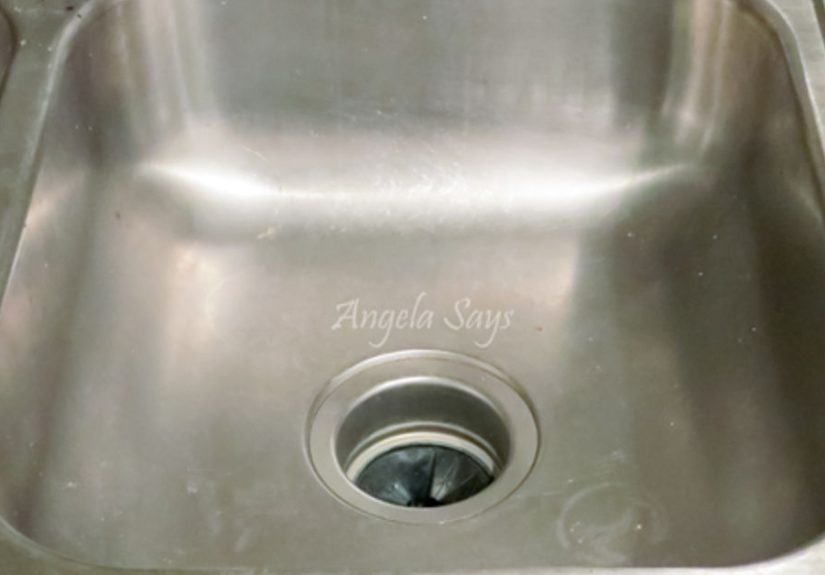
A stainless steel sink is the workhorse of the kitchen. It catches coffee splashes, pasta water, mystery crumbs, berry juice, soap film, toothpaste-like smears from dish detergent, and the occasional spoon that somehow sounds like a dropped cymbal. The good news? Stainless steel is tough, attractive, and relatively easy to care for. The slightly annoying news? It can look dull, streaky, spotted, or “I swear I cleaned this yesterday” dirty if you use the wrong routine.
Learning how to clean stainless steel sinks properly is less about buying a cabinet full of magical sprays and more about using the right method: gentle cleaner, non-abrasive tools, the direction of the grain, a good rinse, and a final dry-and-buff. That last step is the difference between “clean” and “shiny enough to make you feel like you have your life together.”
This complete guide explains how to clean a stainless steel sink, remove hard water stains, deal with rust spots, freshen the drain, prevent scratches, and make the sink shine using simple household supplies.
Why Stainless Steel Sinks Get Dull
Stainless steel is popular because it resists heat, stains, and corrosion better than many other sink materials. However, “stainless” does not mean “self-cleaning,” unfortunately. If that model exists, please alert every tired homeowner immediately.
Most dullness comes from everyday buildup. Hard water leaves mineral deposits. Dish soap leaves film. Food particles dry around the drain. Grease clings to corners. Tiny scratches scatter light, making the surface look cloudy. If water sits in the basin, it can leave spots or faint discoloration, especially in areas with high mineral content.
The secret is consistency. A quick rinse and dry after heavy use prevents most problems. A deeper weekly clean restores shine and removes the grime you do not always see until sunlight hits the sink at exactly the most judgmental angle.
What You Need to Clean a Stainless Steel Sink
You do not need an expensive cleaning kit. In fact, many of the best tools are probably already in your kitchen.
Basic Supplies
- Mild dish soap
- Baking soda
- White vinegar
- Soft sponge or non-scratch scrub pad
- Microfiber cloths
- Old toothbrush or soft detail brush
- Warm water
- Olive oil, mineral oil, or a stainless steel polish for buffing
Optional Supplies for Tough Stains
- Commercial stainless steel cleaner
- Bar Keepers Friend or another non-abrasive stainless-safe cleanser
- Cream of tartar for stubborn spots
- Lemon peel for light deodorizing
Always test any new cleaner on a small, hidden area first, especially if your sink has a special finish, colored coating, brushed texture, or manufacturer-specific care instructions.
What Not to Use on Stainless Steel Sinks
Stainless steel is durable, but it is not invincible. Some products can scratch, dull, or damage the protective surface layer.
Avoid These Cleaning Mistakes
- Steel wool: It can scratch the sink and leave tiny metal particles behind that may rust.
- Wire brushes: These are too aggressive for normal sink cleaning.
- Harsh abrasive powders: Gritty cleaners can damage the finish if used carelessly.
- Bleach left sitting on the surface: Chlorine can contribute to corrosion or discoloration if not rinsed quickly.
- Ammonia or harsh chemical mixes: These can damage finishes and create unsafe fumes when mixed with other products.
- Rubber mats left in place too long: They can trap moisture, soap, and food debris against the sink.
Also, do not mix cleaning chemicals. Vinegar, bleach, ammonia, and commercial cleaners do not need to become a science fair volcano in your kitchen. Use one method at a time, rinse thoroughly, and keep things simple.
Step-by-Step: How to Clean a Stainless Steel Sink
This method works for routine weekly cleaning and for sinks that look tired, spotty, or lightly stained.
Step 1: Clear and Rinse the Sink
Remove dishes, sink grids, sponge holders, drain baskets, and anything else sitting in the basin. Rinse away crumbs, coffee grounds, bits of lettuce, and other tiny kitchen confetti. Use warm water to loosen grease and soften residue.
This step matters because loose debris can scratch the surface if you start scrubbing right away. Think of it as sweeping before mopping, but wetter and with more pasta sauce.
Step 2: Wash with Dish Soap
Add a few drops of mild dish soap to a soft sponge or microfiber cloth. Wipe the entire sink, including the sides, bottom, faucet base, rim, and drain area. Clean with the grain of the stainless steel whenever possible. The grain is the direction of the fine lines in the metal, usually running horizontally or vertically across the basin.
Cleaning with the grain helps reduce visible streaks and prevents unnecessary scratching. If you are not sure which way the grain runs, look closely under bright light. Once you see it, you cannot unsee it. Congratulations, you are now a sink detective.
Step 3: Sprinkle Baking Soda Over the Damp Surface
After the soapy wash, rinse lightly but leave the sink damp. Sprinkle baking soda across the basin. Baking soda is mildly abrasive, which means it can help lift grime, soap film, and light stains without being too harsh for stainless steel.
Use a soft sponge or non-scratch pad to scrub gently with the grain. Pay extra attention to the drain ring, corners, and faucet base, where buildup loves to throw tiny house parties.
Step 4: Use Vinegar for Mineral Spots
If your sink has cloudy patches or white hard water marks, spray white vinegar lightly over the baking soda or apply it separately with a cloth. It will fizz if it touches baking soda. Let it work briefly, then scrub gently and rinse well.
Vinegar can help dissolve mineral deposits and water spots, but it should not sit on stainless steel for long periods. Spray, wipe, rinse, and dry. That is the rhythm.
Step 5: Rinse Thoroughly
Rinse the entire sink with warm water until no baking soda, soap, vinegar, or cleaner remains. This is especially important if you use a commercial cleanser. Residue can leave a chalky film or create new streaks, which is rude after all your hard work.
Step 6: Dry Completely
Dry the sink with a clean microfiber cloth. Do not skip this step. Drying prevents water spots, reduces mineral buildup, and gives stainless steel a clearer shine. A wet sink may look clean for five minutes, then dry into a polka-dot pattern of hard water marks.
Step 7: Buff for Shine
For extra shine, add a tiny amount of olive oil, mineral oil, or stainless steel polish to a microfiber cloth. Buff the sink lightly with the grain. Use only a few drops. The goal is a soft glow, not a salad dressing situation.
Buffing helps restore luster and can make water bead slightly on the surface. It also gives the sink that “freshly cleaned kitchen” look that makes takeout eaten over the counter feel slightly more elegant.
How to Remove Hard Water Stains from a Stainless Steel Sink
Hard water stains are usually caused by minerals like calcium and magnesium. They often appear as cloudy white spots, rings, or dull patches. These stains are common around faucets, drains, and areas where water sits.
Simple Hard Water Stain Method
- Make a paste with baking soda and water.
- Apply it to the stained area.
- Spray or dab on a small amount of white vinegar.
- Let it fizz briefly.
- Scrub gently with a microfiber cloth or soft sponge.
- Rinse thoroughly.
- Dry completely.
For stubborn mineral buildup, use a stainless-safe cleaner designed for hard water stains. Follow the product label exactly, rinse promptly, and never let acidic cleaners dry on the surface.
How to Remove Rust Spots from Stainless Steel
Stainless steel can develop rust-colored spots even though the sink itself is not usually “rusting through.” Often, the culprit is something left behind: a cast iron pan, a metal can, steel wool particles, or mineral-rich water.
Rust Spot Cleaning Method
- Wet the rusty area.
- Apply a baking soda paste or stainless-safe cleanser.
- Let it sit for a few minutes, but do not let it dry.
- Gently rub with the grain using a soft sponge.
- Rinse very well.
- Dry with a microfiber cloth.
If you use a product containing oxalic acid, such as Bar Keepers Friend, keep contact time short and rinse thoroughly. These products can be effective for rust and mineral stains, but more is not always better. Stainless steel appreciates confidence, not aggression.
How to Clean the Drain and Garbage Disposal
A shiny sink can still smell unpleasant if the drain is hiding food residue. Cleaning the drain area helps prevent odors and keeps the whole sink fresher.
For the Drain Ring
Sprinkle baking soda around the drain, add a little dish soap, and scrub with an old toothbrush. Rinse with warm water. This removes grime from the small grooves where a sponge may not reach.
For a Garbage Disposal
Run cold water, turn on the disposal, and let it clear any loose scraps. For deodorizing, you can use small citrus peels or disposal-safe cleaning tablets. Ice cubes can help knock loose soft residue from the blades and inner chamber. Avoid dumping grease, fibrous food, coffee grounds, or large scraps down the disposal because they can contribute to clogs and odors.
For Food Safety
If the sink has been exposed to raw meat, poultry, seafood, or their juices, clean it with hot, soapy water first, then sanitize according to safe food-handling guidance or the product label of a food-contact-safe sanitizer. After sanitizing, let the surface air dry or dry with a clean disposable towel if directed. Do not rely on a quick rinse after handling raw foods; bacteria are not impressed by optimism.
Daily Habits That Keep Stainless Steel Sinks Shiny
The easiest way to make a stainless steel sink shine is to stop dullness before it builds up. A few small habits make a big difference.
Rinse After Messy Tasks
After draining pasta, rinsing sauces, washing muddy produce, or cleaning greasy pans, give the sink a quick rinse. Food acids, salt, and grease can leave residue if they dry on the surface.
Dry After the Last Use of the Day
At night, wipe the sink dry with a microfiber cloth. This takes less than a minute and prevents most water spots. It is also oddly satisfying, like making the bed but for your kitchen.
Use a Sink Grid Carefully
A stainless steel sink grid can help prevent scratches from pots and pans. However, lift and clean under it regularly. Grids can trap food debris and soap film if ignored.
Do Not Leave Metal Items Sitting Wet
Metal cans, cast iron pans, and wet utensils can leave marks or rust-colored stains. Wash and remove them instead of letting them camp overnight in the basin.
Clean Weekly
A weekly baking soda scrub keeps the sink bright and prevents stubborn buildup. If your water is very hard, you may need to use vinegar or a mineral-removing cleaner more often.
Best Cleaning Routine by Situation
For Everyday Cleaning
Use dish soap, warm water, and a soft sponge. Rinse and dry. This is enough for most normal messes.
For Weekly Deep Cleaning
Use baking soda on a damp sink, scrub with the grain, spray lightly with vinegar for mineral spots, rinse thoroughly, dry, and buff.
For Stubborn Stains
Use a stainless-safe commercial cleaner or a baking soda paste. Let it sit briefly, scrub gently, rinse well, and dry.
For Shine
Dry first, then buff with a tiny amount of mineral oil, olive oil, or stainless steel polish. Always wipe with the grain for the best finish.
Common Questions About Cleaning Stainless Steel Sinks
Can You Use Vinegar on Stainless Steel Sinks?
Yes, vinegar can be useful for removing hard water spots and mineral residue. Use it briefly, rinse thoroughly, and dry the sink afterward. Do not soak stainless steel in vinegar for long periods.
Can You Use Baking Soda on Stainless Steel?
Yes. Baking soda is one of the best gentle cleaners for stainless steel sinks. It helps remove grime and light stains without the harshness of steel wool or aggressive abrasives.
How Often Should You Clean a Stainless Steel Sink?
For a busy kitchen, rinse daily and deep clean weekly. Clean and sanitize after raw meat, poultry, or seafood contact. If you have hard water, drying the sink daily will help prevent spots.
Why Does My Stainless Steel Sink Still Look Streaky?
Streaks usually come from leftover cleaner, hard water, or wiping across the grain. Rinse more thoroughly, dry with a clean microfiber cloth, and buff with the grain.
Can Lemon Clean a Stainless Steel Sink?
Lemon can help with freshening and light deodorizing, but it is acidic. Use it briefly and rinse well. Do not leave lemon juice sitting on stainless steel for a long time.
Extra Experience: What Actually Works When You Clean Stainless Steel Sinks Regularly
After cleaning stainless steel sinks many times in real kitchens, one lesson becomes obvious: the final dry matters more than people think. You can scrub with the finest baking soda technique known to civilization, rinse like a professional, and still end up with spots if you walk away while the sink is wet. Water dries. Minerals stay. Then the sink looks as if it has developed tiny freckles of disappointment.
The best routine is the one that fits into normal life. For example, after dinner cleanup, rinse the sink while the dishwater is still warm, swipe it with a soapy sponge, rinse again, and dry it with a microfiber cloth kept under the sink. That simple habit can keep the basin looking polished most of the week. It is not dramatic. It does not require gloves, goggles, or a heroic soundtrack. It just works.
Another practical experience: baking soda is excellent, but it performs best when the sink is damp, not flooded. If there is too much water, the baking soda dissolves and runs away before it can scrub. If the sink is lightly wet, baking soda turns into a soft paste that clings to the surface. That paste is especially helpful around the drain ring, where brownish buildup often appears. A toothbrush makes this part much easier. It gets into the narrow edge around the drain without scratching the basin.
Vinegar is useful, but it should be treated like a quick assistant, not a long-term roommate. A short vinegar wipe can improve cloudy hard water areas, especially near the faucet. However, leaving acidic liquids on stainless steel for too long is not a smart maintenance habit. Spray, wipe, rinse, and dry. That sequence prevents problems and keeps the finish bright.
For homes with hard water, the sink may need extra attention around the faucet base. This is where water collects, evaporates, and leaves mineral rings. Wrapping the area briefly with a vinegar-damp cloth can help loosen buildup, but the surface should be rinsed and dried afterward. A weekly wipe around the faucet base prevents that crusty ring that makes the sink look older than it is.
One of the most common mistakes is using too much oil when polishing. A few drops can make stainless steel glow. A teaspoon can turn the sink into a slippery skating rink for spoons. Put a tiny amount on a cloth, buff with the grain, and then use a dry part of the cloth to remove excess. The sink should look shiny, not greasy.
Sink grids are another area where experience helps. They protect the sink from scratches, but they also hide grime underneath. If your sink smells odd even after cleaning, lift the grid. There may be food scraps, soap film, or mineral buildup sitting under the feet. Clean the grid separately with dish soap and a brush, rinse the sink bottom, and dry both before replacing it.
If scratches bother you, remember that light scratches are normal on stainless steel. Over time, they blend into the finish. The goal is not to preserve the sink like museum glass. It is a kitchen sink. It has a job. The goal is to avoid deep scratches from steel wool, knives, rough scouring pads, and dragging heavy pans across the basin.
The most realistic cleaning schedule is simple: daily rinse, nightly dry, weekly scrub, monthly drain refresh. After raw meat or seafood prep, add a proper clean-and-sanitize step. This keeps the sink hygienic, bright, and easier to maintain. When cleaning becomes routine, the sink stops becoming a weekend project and starts staying naturally presentable.
Finally, do not underestimate lighting. A sink may look clean under warm evening lights and then reveal streaks the next morning. If shine matters, check the sink from more than one angle while drying. Buffing with the grain under good light helps you catch streaks before they dry. It is a tiny detail, but it makes the difference between “fine” and “sparkling.” And in the small victories department, a sparkling sink is surprisingly powerful.
Conclusion
Cleaning a stainless steel sink is simple when you use the right approach. Start with mild dish soap, use baking soda for gentle scrubbing, apply vinegar carefully for hard water stains, rinse thoroughly, and dry with a microfiber cloth. For extra shine, buff lightly with a small amount of oil or stainless steel polish. Avoid steel wool, harsh abrasives, and chlorine products left sitting on the surface.
The real secret is regular care. A stainless steel sink that gets a quick daily rinse and dry will always be easier to clean than one that waits until it looks like it hosted a spaghetti wrestling match. Treat it gently, clean with the grain, and give it a final buff. Your sink will shine, your kitchen will look fresher, and you may even feel inspired to clean the stovetop. No promises, though.
SEO Tags
Note: This article is written for general household cleaning guidance. Always follow your sink manufacturer’s care instructions, especially for specialty finishes, coated stainless steel, or newly installed sinks.