Table of Contents >> Show >> Hide
- Why Aquaphor Is So Stubborn on Fabric
- Before You Start: 4 Fast Rules
- How to Get Aquaphor Out of Clothes: 10 Quick & Easy Methods
- 1. Scrape Off the Excess Aquaphor
- 2. Blot, Don’t Mash
- 3. Sprinkle on an Absorbent Powder
- 4. Pretreat with Dish Soap
- 5. Follow with Heavy-Duty Liquid Laundry Detergent
- 6. Try a Warm Soak for Older or Heavier Stains
- 7. Use Oxygen Bleach for Lingering Residue
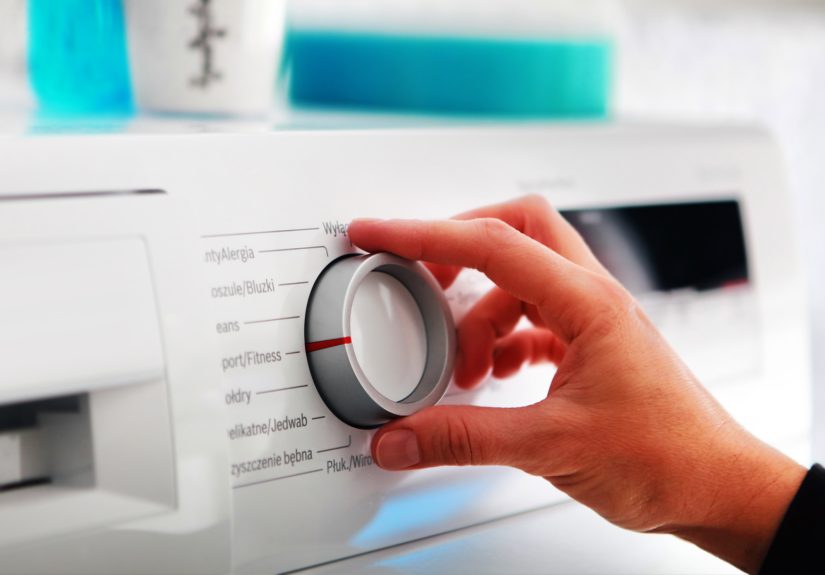
- 8. Wash in the Warmest Water the Fabric Can Handle
- 9. Air-Dry and Inspect in Good Light
- 10. For Delicates or Dry-Clean-Only Items, Stop and Simplify
- What Not to Do
- How to Handle Different Fabrics
- How to Remove an Old Aquaphor Stain
- Frequently Asked Questions
- Experience-Based Lessons: What Usually Happens in Real Life
- Final Takeaway
- SEO Tags
Note: The article below synthesizes current U.S. guidance from Aquaphor, Tide, Clorox, The Spruce, Whirlpool, Maytag, OxiClean, Persil, Consumer Reports, ARM & HAMMER, and Good Housekeeping. Aquaphor’s official formula includes 41% petrolatum plus other oily/emollient ingredients, so the cleanup approach is essentially an oil-sta
Whirlpool
+4
Aquaphor
+4
Aquaphor
+4
detergent, wash according to the care label, and air-dry until the stain is truly gone.
Consumer Reports
+10
Aquaphor
+10
Aquaphor
+10
le>
Aquaphor is wonderful on dry skin, cracked lips, rough elbows, and baby cheeks. On your favorite shirt? Not so much. The second that thick, shiny ointment lands on fabric, it turns into a clingy little grease monster that acts like it pays rent. The good news is that you usually can get Aquaphor out of clothes without turning laundry day into a dramatic three-act tragedy.
Because Aquaphor is an ointment with a heavy petroleum base, the stain behaves more like oil or grease than like a water-based lotion. That means the winning strategy is not random panic-scrubbing with hot water. It is a smarter sequence: lift off the excess, absorb what you can, pretreat with the right cleaner, wash carefully, and do not let the dryer lock the stain in place.
In this guide, you’ll learn exactly how to remove Aquaphor from clothes using 10 quick and easy methods, plus what to do for old stains, delicate fabrics, baby clothes, and those mysterious “I swear it looked clean until it dried” moments. Let’s rescue that fabric.
Why Aquaphor Is So Stubborn on Fabric
If Aquaphor were a person, it would be that guest who says, “I’ll just stay for five minutes,” then somehow moves into your couch cushions. Its texture is thick, waxy, and oily, which allows it to cling to fibers instead of rinsing away easily. On cotton, it can sink deep into the weave. On polyester blends, it can sit on the surface and spread into a slick halo. On knits and baby clothes, it often transfers from skin to fabric gradually, which makes the stain harder to spot until after washing.
That is why plain water usually is not enough. You need something that can break down grease, lift residue, and stop the stain from setting. In other words, think “degrease,” not “just wash harder.”
Before You Start: 4 Fast Rules
- Work on the stain while the fabric is dry. Greasy stains are often easier to pretreat before you soak them with water.
- Remove the excess first. Don’t rub the blob deeper into the fabric.
- Check the care label. Cotton, denim, synthetics, wool, silk, and “dry clean only” items do not all play by the same rules.
- Do not machine-dry until the stain is gone. Heat can make a greasy stain much harder to remove.
How to Get Aquaphor Out of Clothes: 10 Quick & Easy Methods
You do not always need all 10 methods. Think of these as a ladder: start with the gentlest, fastest options, then move down only if the stain is still hanging around like an unpaid intern.
1. Scrape Off the Excess Aquaphor
Your first move is not water. It is subtraction. Use a spoon, dull knife, credit card edge, or folded paper towel to gently lift away as much Aquaphor as possible. Work from the outside of the spot toward the center so you do not spread it. If the stain is fresh and thick, this step alone can save you from dealing with a giant greasy ring later.
Best for: Fresh blobs on shirts, pajamas, baby onesies, hoodie sleeves, and pillowcases.
2. Blot, Don’t Mash
Once the big glob is gone, blot the remaining residue with a clean paper towel or white cloth. Press lightly. Do not rub like you are trying to start a campfire. Rubbing pushes the ointment deeper into the fibers and can make the stain wider. If you’re dealing with a soft knit or a thin tee, a few careful blots can keep the problem surprisingly small.
Pro tip: If the stain transferred from skin over time, like on a collar or cuff, blot both sides of the fabric.
3. Sprinkle on an Absorbent Powder
Now for one of the easiest wins: add an absorbent. Cover the spot with cornstarch, baking soda, or baby powder. Let it sit for at least 20 to 30 minutes. For a thick or older stain, leave it for several hours or even overnight. The powder helps pull oily residue out of the fabric so your detergent has less work to do later.
When time is up, brush or shake the powder off gently. If the powder looks clumpy or greasy, that is actually a good sign. It means it did its job.
Best for: Petrolatum-heavy smears, set-in sleeve marks, and stains you cannot wash immediately.
4. Pretreat with Dish Soap
Dish soap is the overachiever of the laundry world when grease is involved. Put a few drops of grease-cutting dish soap directly on the stain and gently work it in with your fingers or a soft toothbrush. Let it sit for about 5 to 10 minutes. Dish soap is designed to break up oily residue, which makes it an excellent first pretreatment for Aquaphor stains.
After it sits, rinse the treated area with a little warm water if the care label allows it. If the fabric is delicate or you are worried about color, use cool to lukewarm water instead.
Important: Rinse out the dish soap before machine washing. You do not want a washer full of surprise bubbles and regret.
5. Follow with Heavy-Duty Liquid Laundry Detergent
For stubborn stains, dish soap is the opening act, not the whole concert. After pretreating, apply a heavy-duty liquid laundry detergent directly to the stain. Rub it in gently and let it sit for 10 to 15 minutes. Liquid detergents with enzymes and surfactants are often better than a quick toss into the wash because they have direct contact with the oily residue.
This method works especially well on everyday fabrics like cotton tees, sweatshirts, pajama pants, and school uniforms. If you are cleaning a child’s shirt that got Aquaphor around the neckline overnight, this two-step combo is often the hero move.
6. Try a Warm Soak for Older or Heavier Stains
If the stain is old, thick, or still leaves a dark shadow after pretreating, soak the item in a basin of water with laundry detergent. Use the warmest water that is safe for the garment based on the care label. A 30-minute soak can help loosen remaining oils from the fibers. For extra tough stains, a longer soak may help.
This method is useful when the stain has already been washed once and did not fully come out. That first failed wash is not the end of the story. It just means the fabric needs more time and more chemistry.
7. Use Oxygen Bleach for Lingering Residue
If you are still seeing a faint greasy mark, especially on light-colored clothes, a color-safe oxygen bleach can be a smart next step. Mix and use it according to the package directions, and always check the care label first. Oxygen bleach can help break down leftover stain particles without the harshness of chlorine bleach on many washable fabrics.
For white, bleach-safe cotton items, stronger bleach options may work, but only when the care label allows it. If the item contains spandex or is brightly colored, stick with oxygen bleach instead of going nuclear.
Best for: White baby burp cloths, light pajamas, socks, undershirts, and washable cotton basics.
8. Wash in the Warmest Water the Fabric Can Handle
Once the stain has been pretreated, wash the garment using the warmest water recommended on the care label. Warm water often helps oily residue release more effectively than cold water, but the fabric comes first. If the tag says cold, obey the tag. Shirts are replaceable; wool cardigans that felt themselves into doll clothes are not.
If you normally use a basic detergent and the stain is serious, this is the time to upgrade to a heavy-duty formula or add a stain-fighting booster.
9. Air-Dry and Inspect in Good Light
This step sounds boring. It is not boring. It is the difference between success and “Why is there still a dark circle on my shirt forever?” After washing, air-dry the item first. Hold it near a window or under bright light and inspect both sides of the fabric. If you still see a mark, repeat your pretreatment and wash again.
The dryer is where many almost-gone stains become fully set stains. If there is even a whisper of grease left, do another round before applying heat.
10. For Delicates or Dry-Clean-Only Items, Stop and Simplify
If Aquaphor lands on silk, wool, rayon, structured garments, or anything labeled dry clean only, do not experiment like a laundry cowboy. Gently lift off the excess, add a little absorbent powder, and bring the item to a professional cleaner as soon as possible. Tell them the stain is from an oil-based ointment or petroleum-based skin product.
For washable delicates, test any cleaner in an inconspicuous spot first. Use minimal rubbing, cool water, and patience. Delicate fabric usually hates aggressive scrubbing more than it hates the original stain.
What Not to Do
- Do not throw the item straight into the washer without pretreating. That often spreads the stain.
- Do not blast it with the dryer too soon. Heat can make the residue stick around much longer.
- Do not use random cleaners meant for floors, counters, or cars. Fabric is not a garage.
- Do not scrub aggressively on delicate fibers. You can damage the fabric before you remove the stain.
- Do not assume the stain is gone while the fabric is wet. Greasy spots love to hide until drying time.
How to Handle Different Fabrics
Cotton and Cotton Blends
These are usually the easiest. Start with powder, then dish soap, then liquid detergent, then wash warm if allowed. Cotton can usually handle a thorough treatment better than delicate fabrics.
Polyester and Athletic Wear
These fabrics often trap oily residue in sneaky ways. Pretreat carefully and inspect after washing. You may need two rounds. Avoid overusing heat.
Baby Clothes and Burp Cloths
Aquaphor often transfers repeatedly from skin to fabric, so one shirt may have several spots. Pretreat every visible mark. On white cotton baby items, oxygen bleach can be especially helpful after pretreating.
Wool, Silk, and “Dry Clean Only” Garments
Keep it gentle. Remove excess, use absorbent powder, and consider professional cleaning. These fabrics are much easier to damage than a basic tee or pair of jeans.
How to Remove an Old Aquaphor Stain
Old Aquaphor stains are annoying, but they are not unbeatable. Start by applying baking soda or cornstarch and letting it sit for several hours. Brush it off, then work dish soap into the stain. Rinse lightly, apply heavy-duty liquid detergent, wait 15 minutes, and wash according to the care label. If the spot remains, soak the item and try again with oxygen bleach if the fabric allows it.
The biggest secret with old greasy stains is repetition. Not violence. Not yelling. Just repetition. Many set-in stains come out on the second or third round when each step is done in the right order.
Frequently Asked Questions
Can Aquaphor come out after the item has already been dried?
Sometimes, yes. It is harder, but not hopeless. Use absorbent powder first, then dish soap, then heavy-duty detergent, and consider a soak or oxygen bleach treatment.
Can I use baking soda instead of cornstarch?
Yes. Both can help absorb oily residue. Cornstarch is often great for fresh greasy spots, while baking soda is a common go-to for both pretreating and deodorizing laundry.
Is dish soap enough on its own?
Sometimes for a fresh, small stain, yes. For larger or older Aquaphor marks, pairing dish soap with laundry detergent gives you better odds.
Experience-Based Lessons: What Usually Happens in Real Life
In real homes, Aquaphor stains rarely happen in dramatic movie fashion. Nobody gasps, drops a jar in slow motion, and watches a single perfect blob land on a white shirt under ideal laboratory conditions. No, Aquaphor tends to create chaos in much more ordinary and irritating ways.
One of the most common situations is the bedtime transfer. You put ointment on chapped hands, elbows, or lips, then pull on pajamas and go to sleep. The next morning, the sleeve cuff, collar, or chest area has a dark, slightly shiny patch that looks like the fabric suddenly developed a personality disorder. This kind of stain can be sneaky because it is not always obvious right away. People often notice it only after washing, when the rest of the shirt looks fresh and one patch looks suspiciously slick. In cases like this, the best results usually come from treating every visible area, not just the darkest spot.
Then there is the baby-clothes version of the problem, which deserves its own tiny award for persistence. Parents often use Aquaphor for diaper-area skin protection, drool rash, dry cheeks, or little patches of irritated skin. That means the ointment can transfer onto onesies, sleepers, bibs, burp cloths, swaddles, and seemingly half the laundry basket. The experience most people report is not one huge stain. It is a whole constellation of small greasy marks. When that happens, spot-treating one stain and ignoring the others does not work very well. The smarter move is a full scan of the garment before washing.
Another common scenario is the winter-jacket mistake. Someone puts Aquaphor on cracked hands, then slips on a coat, hoodie, or fleece. Later, the cuffs or pockets pick up residue again and again. This repeated transfer can make the fabric feel a little stiff or darker over time. It is not always a one-and-done cleanup. Sometimes the “experience” is more like a pattern: treat, wash, notice one last shadow, and repeat once more before the garment finally looks normal again.
People also run into trouble with old stains because they trust the washing machine too quickly. The item comes out wet, the stain seems gone, and into the dryer it goes. After drying, a faint ring appears like an unwelcome plot twist. That experience teaches the same lesson almost every time: greasy stains must be inspected while air-drying first. It feels like an extra step, but it saves a lot of frustration.
And finally, there is the “fancy fabric incident.” Aquaphor ends up on a blouse, sweater, or dry-clean-only item, and the first instinct is to scrub immediately with whatever is nearby. Usually that makes the stain wider or roughens the fabric. The better experience, boring as it sounds, is restraint: lift the excess, apply a little absorbent powder, and let a professional cleaner handle the rest. Sometimes the most impressive laundry skill is knowing when not to improvise.
If there is one big takeaway from all these real-life Aquaphor mishaps, it is this: success usually comes from calm, quick steps rather than dramatic effort. Greasy ointment stains respond best when you slow down, remove the extra product, absorb what you can, pretreat properly, and keep the dryer out of the conversation until you know the stain is gone.
Final Takeaway
If you need to get Aquaphor out of clothes fast, remember the simple formula: scrape, absorb, degrease, wash, inspect, repeat if needed. Start with the least aggressive fix, work with the care label instead of against it, and do not rush the drying stage. Most Aquaphor stains are washable with the right approach, even when they look stubborn at first. So yes, your shirt can recover. Your laundry pride can recover. Even that baby onesie has a fighting chance.
SEO Tags
“` :