Table of Contents >> Show >> Hide
- What Is Munstead Lavender?
- Why Gardeners Choose Munstead Lavender
- Best Growing Conditions for Munstead Lavender
- How to Plant Munstead Lavender
- How to Water Munstead Lavender
- Feeding and Mulching
- How to Prune Munstead Lavender
- Growing Munstead Lavender in Pots
- Common Problems and How to Avoid Them
- Harvesting Flowers and Enjoying the Plant
- How Long Does Munstead Lavender Live?
- Practical Experiences Gardeners Often Learn the Hard Way
- Conclusion
If plants had personalities, Munstead lavender would be that elegant friend who looks fancy at brunch but actually prefers a simple life: bright sun, lean soil, dry feet, and very little fuss. This beloved English lavender cultivar has earned its reputation for being compact, fragrant, and more cold-hardy than many other lavenders. It is also one of those plants that rewards gardeners who resist the urge to “love it too much.” In other words, the less you smother it, the happier it tends to be.
Whether you want a tidy border, a pollinator-friendly perennial bed, a container herb garden, or bundles of fragrant stems for drying, Munstead lavender is a strong candidate. The trick is understanding what this plant actually wants rather than what we assume all garden plants want. Spoiler: it does not want soggy soil, heavy fertilizer, or a mulch volcano around the crown.
This guide walks through how to grow and care for Munstead lavender, from planting and watering to pruning, winter prep, and troubleshooting. If you have ever killed lavender and felt personally judged by it, good news: you are not alone, and this plant is much easier once you stop treating it like a thirsty annual.
What Is Munstead Lavender?
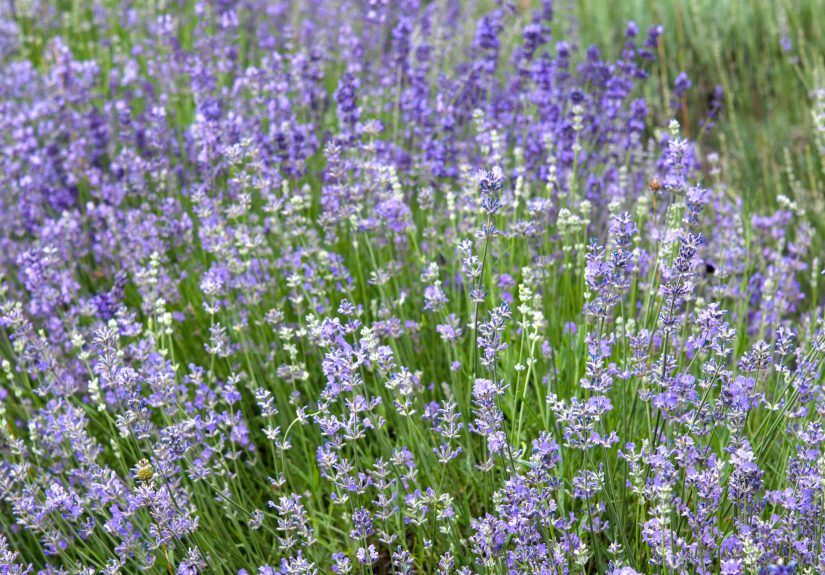
Munstead lavender is a cultivar of Lavandula angustifolia, commonly called English lavender. It is known for its compact habit, aromatic gray-green foliage, and soft purple to lavender-blue flower spikes. Mature plants usually stay around 12 to 18 inches tall and roughly as wide, which makes them useful for edging paths, filling small garden gaps, and growing in containers without taking over the patio like an overexcited tomato vine.
One reason gardeners love this variety is its balance of beauty and practicality. Munstead generally blooms early, produces highly fragrant flowers, and performs well in a range of garden styles, from cottage gardens to rock gardens to neat little herb borders. In favorable conditions, it can stay attractive for years and form a dense, mounded shape that looks polished without feeling stiff.
It is also one of the better lavender choices for colder climates. In many gardens, it performs reliably in USDA Zones 5 to 8, and sometimes into Zone 9 where drainage, airflow, and winter conditions cooperate. In hotter or more humid areas, success depends less on the zone map and more on whether you can give it sharp drainage and enough breathing room.
Why Gardeners Choose Munstead Lavender
Compact Size
Munstead stays manageable. You do not need a sprawling Mediterranean estate to grow it. Its modest size makes it ideal for front-of-border planting, walkway edges, herb spirals, raised beds, and decorative pots.
Fragrance
This cultivar is famous for its sweet, classic lavender scent. The flowers and foliage are both aromatic, which means the plant earns its keep even before it blooms. Brush against it on a warm afternoon and you get free perfume with your gardening workout.
Pollinator Appeal
Bees and other pollinators love lavender. If you are building a pollinator-friendly garden, Munstead is a strong addition. It provides nectar, structure, and reliable seasonal interest.
Versatility
Munstead works in ornamental beds, herb gardens, dry borders, rock gardens, and containers. It can be clipped into low hedges, planted in groups for a soft cloud effect, or tucked among roses and perennials to add contrast in texture and fragrance.
Best Growing Conditions for Munstead Lavender
Sunlight
If there is one thing Munstead lavender absolutely insists on, it is full sun. Aim for at least 6 hours of direct sunlight daily, though more is often better. In shadier spots, plants become looser, bloom less, and lose some of that strong fragrance that makes lavender so appealing in the first place.
In very hot southern climates, light afternoon protection can sometimes help during extreme summer heat, but the plant should still live in a bright, open location. Lavender does not want a dark, damp corner of the yard. That is not a spa retreat. That is a slow-motion disaster.
Soil
The ideal soil for Munstead lavender is well-drained and on the lean side. Sandy, gravelly, or rocky soils are often excellent. Heavy clay can be a problem because it holds too much water around the roots, especially in winter or during rainy spells.
Lavender generally prefers soil that is neutral to slightly alkaline. If your soil is acidic, a soil test can help you decide whether an adjustment is worth making. But drainage matters even more than chasing the perfect pH. A somewhat imperfect pH in fast-draining soil usually beats “perfect” soil that stays wet for days after a rain.
Air Circulation
Good air circulation matters, especially in humid climates. Crowded planting encourages fungal problems and weak growth. Give each plant enough space so the foliage dries quickly after rain or morning dew.
How to Plant Munstead Lavender
When to Plant
Spring is usually the best time to plant Munstead lavender, after the danger of hard frost has passed and the soil begins to warm. In milder regions, early fall planting can also work if roots have enough time to establish before winter.
Spacing
Space plants about 18 to 24 inches apart, depending on how formal or full you want the planting to look. Closer spacing can create a lush border faster, but crowding increases humidity around the foliage. If your climate is muggy, give them more elbow room.
Planting Steps
- Choose the sunniest site available.
- Make sure the soil drains quickly. Raised beds or mounded rows are helpful in heavy soil.
- Dig a hole only as deep as the root ball and a bit wider.
- Set the plant so the crown sits at or slightly above the surrounding soil line.
- Backfill without burying the crown.
- Water it in lightly to settle the soil.
Avoid adding too much rich compost or high-nitrogen fertilizer to the planting hole. Lavender is not trying to win a “Most Lush Foliage” contest. Too much fertility can produce floppy, weak growth and fewer fragrant flowers.
How to Water Munstead Lavender
Newly planted lavender needs regular moisture while it establishes, but even then, the goal is deep and infrequent watering, not daily pampering. Water when the top layer of soil has dried, then let the soil dry somewhat before watering again.
Once established, Munstead lavender becomes fairly drought tolerant. In the ground, mature plants often need supplemental water only during prolonged dry spells. In containers, they dry out faster and need closer attention, but even potted lavender should never sit in soggy potting mix.
The biggest watering mistake is frequency. A little splash every day keeps the surface damp and the roots unhappy. A more sensible rhythm is to water thoroughly, then step away and let the plant breathe. Think “Mediterranean hillside,” not “marshmallow bog.”
Feeding and Mulching
Munstead lavender is not a heavy feeder. In fact, excessive fertilizer can reduce flower production and encourage soft growth. If your soil is reasonably decent, you may not need to fertilize much at all. A light application of a balanced, low-nitrogen fertilizer in spring is plenty if the plant seems to need support.
Mulch requires care. Thick organic mulches like shredded bark can trap moisture around the crown, which lavender dislikes. In humid or rainy climates, a gravel or small stone mulch is often a better choice because it keeps the base drier and reflects heat back toward the plant.
How to Prune Munstead Lavender
Lavender pruning is one of the secrets to keeping Munstead compact, productive, and attractive. Without regular trimming, plants can become woody, split open in the center, and start looking like they have been through a tiny botanical midlife crisis.
Spring Pruning
In colder climates, wait until new growth begins to appear in spring. Then remove winter-damaged stems and lightly shape the plant. The key rule is simple: do not cut down into old leafless wood. Lavender does not regenerate well from bare woody stems.
After Bloom Pruning
After the main flush of flowers fades, shear the plant back lightly to maintain its rounded form. This helps prevent legginess and may encourage another lighter bloom in some conditions. A trim of about one-third of the soft new growth is usually enough. Always leave green growth on the plant.
What to Avoid
- Do not scalp the plant into a brown stump.
- Do not do major late-fall pruning in cold climates.
- Do not ignore pruning for years and then try to fix everything in one dramatic haircut.
Growing Munstead Lavender in Pots
Growing lavender in pots is an excellent option if your garden soil is heavy or poorly drained. Choose a container with drainage holes and use a gritty, fast-draining potting mix. You can improve drainage further by mixing in coarse sand, pumice, or fine gravel, depending on what is available locally.
Terracotta pots are especially useful because they allow moisture to evaporate more readily. Place the container in full sun and rotate it occasionally for even growth. Water thoroughly when the mix dries out several inches down, then allow excess water to drain away completely.
Container-grown Munstead may need winter protection in colder climates because roots are more exposed than they would be in the ground. A sheltered but bright location, an unheated garage with light, or insulation around the pot can help the plant survive winter without sitting in wet, frozen mix.
Common Problems and How to Avoid Them
Root Rot
This is the big one. If your lavender suddenly browns at the base, wilts despite damp soil, or declines during wet weather, poor drainage is the likely culprit. Prevention is much easier than cure: plant high, keep the crown dry, and avoid overwatering.
Weak Blooms
Too little sun, too much fertilizer, and too much shade from neighboring plants can all reduce flowering. If the plant looks healthy but stingy with blooms, check the light first.
Winter Dieback
In cold regions, winter wet combined with freeze-thaw cycles can be more damaging than cold alone. Good drainage, restrained fall watering, and avoiding late-season pruning help plants head into winter in better shape.
Humidity Stress
Lavender can struggle in humid summers. Improve airflow, avoid overhead watering, use gravel mulch instead of damp organic mulch near the crown, and do not crowd it among thirsty, dense perennials.
Harvesting Flowers and Enjoying the Plant
For drying or sachets, cut stems in the morning after dew has dried but before the day becomes hot. Many gardeners prefer harvesting when some buds have opened and the rest are still closed, since that often preserves color and fragrance well. Gather stems into small bundles and dry them in a cool, dim, airy place.
Munstead is also valued for edging paths, framing vegetable beds, softening stone borders, and bringing fragrance close to seating areas. It pairs beautifully with roses, salvia, catmint, yarrow, and other sun-loving plants that appreciate drier conditions.
How Long Does Munstead Lavender Live?
With proper siting and care, Munstead lavender can live for many years. Longevity depends heavily on drainage, pruning, and climate. Plants in heavy, wet soil may fail quickly, while those in sunny, dry, sharply drained spots often stay productive much longer. If your lavender fades after a few seasons, the plant is not necessarily “difficult.” It may simply be giving you an honest review of the location you chose.
Practical Experiences Gardeners Often Learn the Hard Way
When people talk about their experience with Munstead lavender care, several themes come up again and again. First, gardeners are often surprised that lavender does better with slight neglect than with intense attention. New growers tend to water it like petunias, feed it like tomatoes, and mulch it like hydrangeas. Munstead usually responds by looking offended, turning woody, or quietly rotting from the crown. The gardeners who succeed are often the ones who learn to step back.
A second common experience is discovering that location matters more than variety hype. Many gardeners buy Munstead because it is described as hardy, fragrant, and compact, which is true, but then plant it in rich flower-bed soil that stays damp. In that setting, even a good cultivar can fail. Move the same plant to a hot, sunny strip near a walkway, a raised bed, or a gravelly slope, and suddenly it behaves like the poster child for low-maintenance gardening. Same plant, different stage, totally different performance.
Another lesson comes from humid climates. Gardeners in regions with sticky summers often report that lavender survives best when it is given space, airflow, and a slightly elevated planting position. A Munstead tucked tightly between dense shrubs may sulk. A Munstead planted where breezes can move through it often looks cleaner and blooms better. People also notice that rock mulch or gravel around the crown tends to work better than thick bark mulch, which can hold moisture exactly where lavender does not want it.
Container gardeners share their own set of discoveries. Many find that Munstead does wonderfully in pots, especially on sunny patios, but only when the container drains fast and watering stays disciplined. The usual pattern is this: the plant looks great for weeks, the gardener gets confident, then a rainy spell or a saucer full of trapped water causes problems. Once growers understand that drainage holes are not decorative and saucers should not hold standing water, potted lavender becomes much easier.
Pruning is another area where experience teaches patience. Gardeners often learn, sometimes painfully, that cutting too deep into old wood does not produce a lush comeback. It produces regret. On the flip side, skipping pruning for years creates lanky plants that split open in the center. The sweet spot is regular shaping while the plant is young and maintaining a rounded mound with green growth left on every stem. Lavender likes discipline, not drama.
Finally, experienced gardeners often say Munstead becomes more enjoyable once they stop expecting perfection every week of the season. After bloom, the plant may look less flashy but still contributes fragrance, structure, and silver-green texture. It is not a nonstop fireworks show. It is more like a dependable supporting actor who always hits the mark, smells fantastic, and never asks for center stage. Once you understand that rhythm, Munstead lavender becomes one of the most satisfying plants in a sunny garden.
Conclusion
Munstead lavender is one of the best choices for gardeners who want fragrance, structure, pollinator appeal, and classic cottage-garden charm without high maintenance. Give it full sun, lean and sharply drained soil, modest watering, and sensible pruning, and it will reward you with aromatic foliage and beautiful blooms. The biggest lesson is simple: success comes from matching the plant to the right conditions, not from constant intervention. In the right spot, Munstead is wonderfully easygoing. In the wrong spot, it becomes a very polite way to learn about drainage.