Table of Contents >> Show >> Hide
Vulvar cancer is not exactly the dinner-table topic everyone rushes to discuss between salad and dessert. Yet knowing what vulvar cancer can look like is important because the earliest warning signs may be quiet, subtle, and easy to blame on irritation, yeast, shaving, menopause, or “probably nothing.” The vulva is the external genital area, including the labia majora, labia minora, clitoris, vaginal opening, and nearby skin. Cancer can develop in any of these tissues, though many cases begin on the labia.
The tricky part is that vulvar cancer does not have one single “look.” It may appear as a lump, sore, thickened patch, wart-like growth, red or white area, dark mole-like spot, or skin that will not heal. Sometimes it looks less dramatic than it sounds, which is why persistent symptoms deserve medical attention. A vulva does not need to send fireworks, a marching band, and a calendar reminder to tell you something is wrong. A small change that sticks around can be enough reason to get checked.
This article explains what vulvar cancer may look like, common symptoms, major risk factors, when to see a doctor, and practical experiences that may help readers understand what to watch for without panic. The goal is awareness, not anxiety.
What Is Vulvar Cancer?
Vulvar cancer is a rare cancer that begins in the skin or tissues of the vulva. In the United States, it represents a small percentage of cancers in women, but it matters because early diagnosis can make treatment easier and more effective. Most vulvar cancers are squamous cell carcinomas, meaning they start in the thin, flat cells that make up the outer layer of the skin. Other types include melanoma, basal cell carcinoma, adenocarcinoma, sarcoma, and Paget disease of the vulva.
Many cases grow slowly. Some begin as precancerous changes called vulvar intraepithelial neoplasia, often shortened to VIN. VIN is not invasive cancer, but certain types can progress over time, especially if they are not diagnosed and treated. This is one reason persistent vulvar itching, pain, sores, or visible skin changes should not be ignored.
What Does Vulvar Cancer Look Like?
Vulvar cancer can look different from person to person. It may be obvious, or it may be annoyingly subtle. In many cases, it appears as one of the following changes:
A Lump, Bump, or Raised Growth
One possible sign is a lump on the vulva. The lump may feel firm, tender, painless, rough, or thickened. It may appear pink, red, white, skin-colored, or darker than surrounding skin. Some growths look like a wart or a cauliflower-like bump. Not every vulvar lump is cancer; cysts, ingrown hairs, blocked glands, infections, and benign skin conditions are common. However, a lump that grows, bleeds, hurts, changes color, or does not go away should be examined.
An Open Sore or Ulcer That Does Not Heal
Vulvar cancer may appear as a sore, ulcer, or raw area that lingers. A cut from shaving or irritation from clothing usually improves within days. A sore that stays for several weeks, returns repeatedly, bleeds, crusts, or becomes painful deserves a medical visit. Think of it like a check-engine light: maybe it is minor, but ignoring it rarely improves the plot.
White, Red, Pink, or Dark Skin Patches
Some vulvar cancers or precancerous changes show up as patches of skin that are lighter, darker, redder, or thicker than usual. A white rough patch can sometimes be related to chronic vulvar skin disorders such as lichen sclerosus, which itself is associated with increased vulvar cancer risk. A dark patch or mole-like lesion may raise concern for vulvar melanoma, especially if it changes size, shape, color, or border.
Thickened, Scaly, or Rough Skin
Vulvar skin that becomes scaly, bumpy, rough, leathery, or unusually thick can be a warning sign. This type of change may also happen with eczema, psoriasis, lichen sclerosus, allergic reactions, or chronic irritation. The important clue is persistence. If the skin keeps changing despite basic care or treatment, a clinician may recommend a biopsy to find out exactly what is happening.
A Wart-Like Area
Some vulvar cancers look like genital warts, especially when HPV-related cell changes are involved. Genital warts themselves are usually caused by low-risk HPV types and are not cancer, but a wart-like growth should still be checked if it is new, enlarging, bleeding, painful, firm, irregular, or not responding to treatment.
Common Symptoms of Vulvar Cancer
Vulvar cancer symptoms can overlap with many noncancerous conditions. That overlap is why people sometimes delay care. A person may assume it is a yeast infection, irritation from soap, a menopausal skin change, or friction from tight jeans doing their villain era. While those causes are often harmless, symptoms that last should be evaluated.
Persistent Itching
Long-lasting vulvar itching is one of the most common symptoms. It may be mild, intense, constant, or come and go. Itching caused by irritation or infection often improves with proper treatment. Itching that continues for weeks, keeps returning, wakes you up, or happens with visible skin changes should be discussed with a healthcare professional.
Pain, Burning, or Tenderness
Some people experience burning, soreness, pain, or tenderness in the vulvar area. Pain may happen during sex, while urinating, when sitting, or when clothing rubs against the skin. Pain does not automatically mean cancer, but it is a signal that the tissue needs attention.
Bleeding or Discharge Not Related to a Period
Bleeding from the vulva, especially after menopause or unrelated to menstruation, should be evaluated. Vulvar cancer can cause bleeding from a sore, growth, or fragile skin area. Unusual discharge may also occur, though it can have many causes, including infection.
Painful Urination
If cancer or irritation is near the urethra, urination may sting or burn. This symptom can easily be mistaken for a urinary tract infection. If urinary discomfort continues despite treatment or appears with a vulvar sore, lump, or skin patch, a pelvic exam is important.
Changes in a Mole or Pigmented Spot
A dark spot on the vulva that changes should be taken seriously. Warning signs include asymmetry, irregular borders, multiple colors, growth, bleeding, itching, or a spot that looks different from other moles. Vulvar melanoma is uncommon, but because it can be aggressive, changing pigmented lesions should be checked promptly.
Major Risk Factors for Vulvar Cancer
Having a risk factor does not mean a person will get vulvar cancer. Many people with risk factors never develop it, and some people diagnosed with vulvar cancer have no obvious risk factor. Still, understanding risk can help guide prevention and earlier evaluation.
Age
The risk of vulvar cancer increases with age. Many invasive cases occur in older adults, especially after age 70. However, vulvar cancer and precancerous changes can happen at younger ages too, particularly when HPV-related disease is involved.
Human Papillomavirus (HPV)
HPV is a common sexually transmitted virus. Certain high-risk HPV types can cause cell changes that may lead to cancers of the cervix, vagina, vulva, anus, penis, and throat. HPV-related vulvar cancers tend to occur at younger ages than some non-HPV-related vulvar cancers. HPV vaccination can reduce the risk of cancers caused by the HPV types included in the vaccine.
Smoking
Smoking is linked with a higher risk of vulvar cancer, especially in people with HPV infection. Tobacco can make it harder for the immune system to clear HPV and can contribute to DNA damage. Quitting smoking is not just good for the lungs; it is also a favor to the immune system, the blood vessels, the skin, and basically every organ quietly trying to keep the lights on.
Lichen Sclerosus and Chronic Vulvar Skin Conditions
Lichen sclerosus is a chronic inflammatory skin condition that often affects the vulva. It can cause white patches, thinning skin, itching, tearing, pain, and scarring. Most people with lichen sclerosus do not develop vulvar cancer, but the risk is higher than average. Proper diagnosis, treatment, and follow-up can help control symptoms and monitor changes.
Vulvar Intraepithelial Neoplasia (VIN)
VIN is a precancerous change in vulvar cells. It may be linked to HPV or to chronic inflammatory skin conditions. VIN can cause itching, burning, pain, color changes, raised patches, or no symptoms at all. Because VIN can recur and may progress, treatment and ongoing surveillance are important.
Weakened Immune System
People with weakened immune systems may have a harder time clearing HPV and controlling abnormal cell growth. This includes some people with HIV, organ transplant recipients taking immune-suppressing medicines, and others with immune-related conditions.
History of Cervical, Vaginal, or Anal Precancer or Cancer
Because HPV can affect multiple areas of the lower genital tract and anus, a history of cervical, vaginal, or anal precancer or cancer may be associated with increased vulvar cancer risk. Regular follow-up is important for people with this history.
How Vulvar Cancer Is Diagnosed
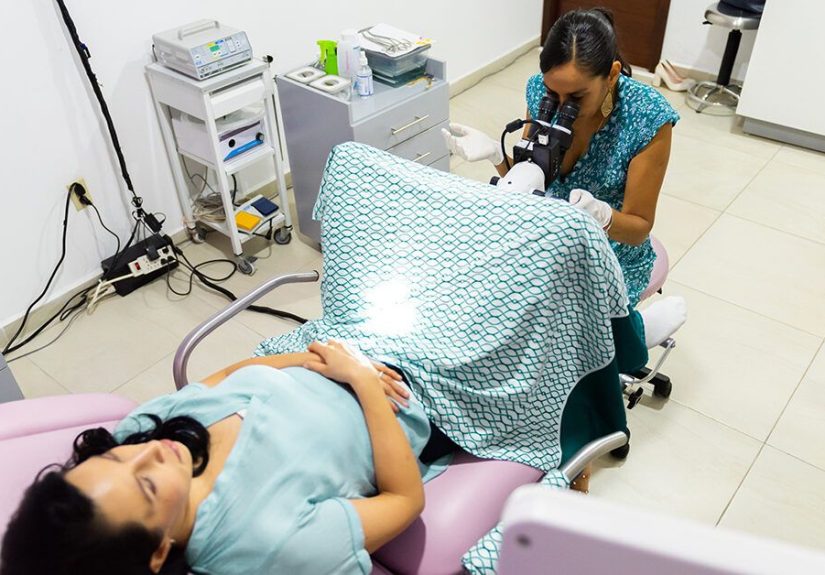
A healthcare professional usually begins with a medical history and physical exam. They may inspect the vulva carefully, ask about symptoms, and perform a pelvic exam. If an area looks suspicious, the key test is a biopsy. During a biopsy, a small sample of tissue is removed and sent to a lab so a pathologist can examine the cells under a microscope.
A Pap test checks cells from the cervix, not the vulva, so it does not diagnose vulvar cancer. HPV testing can provide useful information about HPV-related risk, but it also does not replace a biopsy of a suspicious vulvar lesion. If cancer is found, additional tests may be used to determine whether it has spread.
When Should You See a Doctor?
Make an appointment with a gynecologist, dermatologist, primary care clinician, or gynecologic oncologist if you notice any of the following:
- Vulvar itching that lasts more than a few weeks
- A sore, ulcer, or raw area that does not heal
- A new lump, bump, wart-like growth, or thickened patch
- Bleeding not related to your period
- Persistent pain, burning, or tenderness
- White, red, dark, scaly, or rough skin changes
- A mole or dark spot that changes
- Pain with sex or urination that does not resolve
It is completely understandable to feel embarrassed about vulvar symptoms. But clinicians who care for vulvar conditions have seen it all. Truly, your vulva will not be the office plot twist of the week. The sooner you ask, the sooner you can get answers and relief.
Can Vulvar Cancer Be Prevented?
Not all cases can be prevented, but several steps may reduce risk. HPV vaccination is one of the most important tools for preventing HPV-related cancers. Avoiding tobacco, using condoms or barrier protection to reduce HPV exposure, attending routine gynecologic exams, and managing chronic vulvar skin conditions can also help.
People with lichen sclerosus, VIN, or a history of HPV-related precancer may need regular follow-up. Self-awareness is helpful too. You do not need to inspect yourself with the intensity of a detective in a crime drama, but becoming familiar with your normal skin can make it easier to notice changes.
Practical Experiences: What People Often Notice Before Getting Checked
Many people who seek care for vulvar cancer symptoms describe a long period of uncertainty before diagnosis. This does not mean they did anything wrong. Vulvar symptoms are commonly caused by benign conditions, and it is natural to try simple explanations first. The problem begins when symptoms keep hanging around like an unwanted houseguest with no suitcase.
One common experience is persistent itching. A person may first assume it is a yeast infection and use an over-the-counter antifungal treatment. When symptoms improve only slightly or return quickly, they may switch soaps, stop using scented products, change underwear fabrics, or blame sweating. These changes can help irritation, but if the itch continues for weeks or months, it becomes a clue that the skin needs a closer look.
Another experience is discovering a small sore or split in the skin. At first, it may seem like a shaving nick, friction injury, or dryness-related tear. The person may apply petroleum jelly or avoid sex for a while. If the area heals, that is reassuring. If it keeps reopening, bleeding, forming a crust, or becoming tender, it should be examined. A nonhealing vulvar sore is one of those symptoms that deserves respect, not panic.
Some people notice a lump while showering, wiping, or applying medication. The lump might be painless, which can make it easier to ignore. Painless does not always mean harmless. Many benign vulvar bumps exist, including cysts and blocked glands, but a firm or growing lump should be evaluated. A clinician can decide whether observation, treatment, or biopsy is needed.
Skin color changes can also be confusing. A white patch may be dismissed as dryness. A red area may be blamed on irritation. A dark spot may be mistaken for a mole that has “probably always been there.” The practical tip is to pay attention to change. Has it grown? Does it bleed? Is the border irregular? Is the texture different? Does it itch or hurt? A photograph taken for personal tracking may help someone explain changes to a clinician, though it should never replace an exam.
Many patients also describe feeling nervous or embarrassed about making the appointment. They may worry the clinician will think they are overreacting. In reality, persistent vulvar symptoms are a valid medical reason to be seen. A good clinician would rather evaluate a benign rash early than diagnose a cancer late. When booking the appointment, it can help to say clearly: “I have a vulvar sore/lump/skin change that has not gone away.” This helps the office understand that the issue needs a real exam, not just a quick phone suggestion.
During the visit, the experience is usually straightforward. The clinician asks about symptoms, duration, sexual health, skin conditions, medications, menopause status, and cancer history. Then they examine the vulva under good lighting. If a biopsy is recommended, local numbing medicine is typically used. A biopsy may sound intimidating, but it is often quick and provides the most useful answer: what the cells actually are.
The biggest lesson from real-world experiences is simple: do not let embarrassment outrank your health. Vulvar cancer is rare, but vulvar symptoms are common and treatable. Whether the cause is irritation, infection, lichen sclerosus, VIN, or cancer, getting the right diagnosis is the fastest path to proper care. Your body is not being dramatic; it is communicating. Listening early is a smart move.
Conclusion
Vulvar cancer can look like a lump, wart-like growth, nonhealing sore, rough patch, white area, red lesion, dark mole-like spot, or thickened skin. It may also cause persistent itching, burning, pain, bleeding, discharge, or painful urination. Because these symptoms can mimic common noncancerous conditions, the key warning sign is persistence. If something on the vulva does not heal, keeps returning, changes, bleeds, or feels unusual, schedule a medical evaluation.
Risk factors include older age, HPV infection, smoking, lichen sclerosus, VIN, a weakened immune system, and a history of other HPV-related precancers or cancers. Prevention steps such as HPV vaccination, not smoking, regular gynecologic care, and treatment of chronic vulvar skin conditions can help lower risk. Most importantly, do not suffer silently. A timely exam can bring peace of mind, treatment, and answers.