Table of Contents >> Show >> Hide
- What Is a Vinegar Weed Killer, Exactly?
- Does Vinegar Really Kill Weeds?
- How to Make a Simple Vinegar Weed Killer
- Household Vinegar vs. Horticultural Vinegar
- How to Use a Vinegar Weed Killer the Right Way
- Best Places to Use Vinegar Weed Killer
- Where Vinegar Weed Killer Usually Fails
- Safety Tips You Should Not Ignore
- How to Get Better Results Without Overdoing the Spray
- Common Mistakes People Make With Vinegar Weed Killer
- So, Should You Use a Vinegar Weed Killer?
- Real-World Experiences With Vinegar Weed Killer
- Conclusion
- SEO Tags
Weeds have a special talent: they can make a tidy garden look like it missed three rent payments and a therapy appointment. That is exactly why so many homeowners go hunting for a simple, cheap, “natural” weed fix and end up eyeing the vinegar bottle in the pantry. It sounds clever, easy, and just rebellious enough to feel satisfying. Spray, wilt, victory lap, lemonade. Right?
Well, sort of. A vinegar weed killer can work, but it works in a very specific way, on very specific weeds, in very specific places. If you expect it to wipe out every dandelion, crabgrass patch, and stubborn perennial invader in one glorious afternoon, you are setting yourself up for disappointment and possibly a lot of dramatic re-spraying. If, however, you use it as a targeted tool for young weeds in sidewalk cracks, gravel paths, and similar spots, it can absolutely earn a place in your weed-control routine.
This guide breaks down how to make a vinegar weed killer, where it works best, where it flops, how to use it safely, and what real gardeners usually learn after the first few rounds of trial and error.
What Is a Vinegar Weed Killer, Exactly?
A vinegar weed killer is a spray made with acetic acid, the active component in vinegar. When it hits plant tissue, it damages the leaves and causes them to dry out quickly. In plain English, it burns the top of the weed. That is why weeds often look dramatically worse within hours or a day after spraying.
Here is the catch: vinegar is a contact herbicide, not a systemic one. It does not travel down through the plant into the roots the way some other herbicides do. So if you spray a tiny seedling with shallow roots, you may kill it outright. If you spray a large, established weed with a deep root system, you may only kill the top growth and the plant may come roaring back like it took the insult personally.
That means vinegar weed killer is best viewed as a quick-burn solution, not a magical one-shot weed eraser.
Does Vinegar Really Kill Weeds?
Yes, but the better question is: which weeds, at what stage, and for how long?
Vinegar works best on:
- tiny, newly sprouted weeds
- young annual weeds
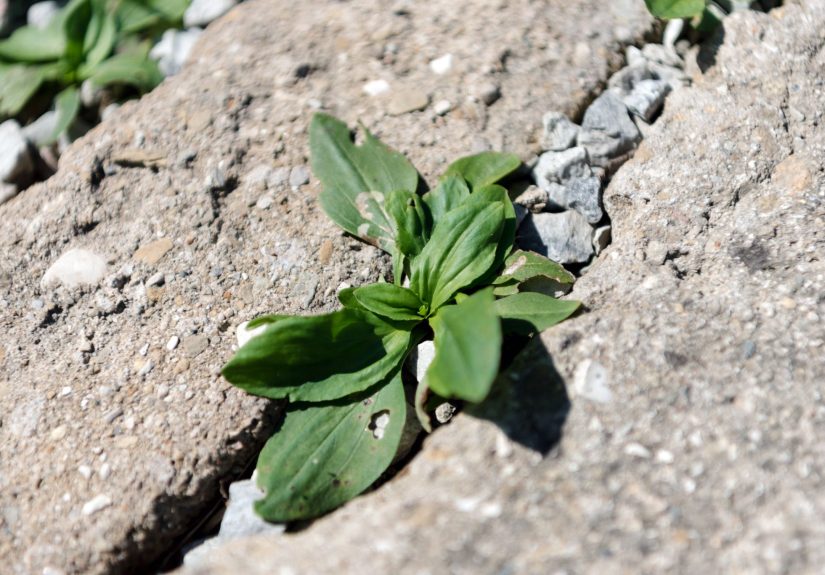
- weeds growing in cracks, gravel, and hardscape edges
- top growth you want to burn back quickly
It works poorly on:
- mature weeds with established roots
- perennial weeds that regrow from the root system
- many grasses
- weeds you miss by even a few inches with the spray
So yes, vinegar can kill weeds, but it is better at “scorching what it touches” than “solving the weed problem forever.” That distinction matters. A lot.
How to Make a Simple Vinegar Weed Killer
If you want a basic homemade version, keep it simple. The more your recipe starts to sound like a middle-school science fair project, the more likely you are to create a mess instead of a solution.
Basic DIY Vinegar Weed Killer
Use plain white distilled vinegar as your base. For small jobs, pour it into a clean spray bottle. For bigger areas, use a hand-pump garden sprayer that is clearly labeled for weed control.
If you want the spray to cling a little better to the leaves, add a small amount of dish soap. The soap does not do the heavy lifting; it mainly helps the vinegar spread across the leaf surface instead of beading up and sliding off.
A Simple Formula
- White distilled vinegar
- A small squirt of dish soap, optional
That is enough for a practical household mix. You do not need to turn your sprayer into a salty swamp cocktail.
Why You Should Skip the Salt
A lot of internet recipes call for salt. Yes, salt can help dehydrate plants. It can also linger in the soil, spread beyond the target area, and make life harder for the plants you actually want to keep. If you are spraying a driveway crack and never plan to grow anything there, salt may seem tempting. But around garden beds, lawn edges, ornamental plants, or vegetable patches, it is usually a bad bargain. You may win the battle against one weed and lose the war against your soil.
In other words: if your goal is “kill the weed,” salt seems smart. If your goal is “kill the weed without making the area cranky for months,” skip it.
Household Vinegar vs. Horticultural Vinegar
This is where many DIY articles get sloppy, so let’s make it clear.
Household vinegar is usually around 5% acetic acid. That can damage tiny weeds and very young seedlings, especially on hot, sunny days. But it is limited. For anything bigger than baby weeds, results are often underwhelming.
Horticultural vinegar is much stronger, often in the 10% to 20% range or even higher. It is more effective, but it is also much more dangerous. Strong acetic acid products can cause burns, severe eye injury, and nasty skin irritation. They are not “kitchen vinegar, but extra spicy.” They are serious products that require serious caution.
So if you are making a homemade vinegar weed killer, be honest about what household vinegar can do. It is a small-job tool, not a flamethrower for every weed in the zip code.
How to Use a Vinegar Weed Killer the Right Way
1. Pick the right weeds
Go after small, young, actively growing weeds. This is not the time to challenge a mature dandelion that has been building a taproot like a medieval fortress.
2. Pick the right day
Warm, sunny, dry weather is your friend. Vinegar works better when the spray dries quickly on the weed. Calm air matters too, because spray drift can injure nearby flowers, vegetables, shrubs, or lawn grass. Do not spray right before rain unless your hobby is disappointment.
3. Spray the leaves thoroughly
Coat the weed foliage well, but do not go wild and create runoff. You want good coverage on the leaves, because the vinegar only affects what it directly contacts.
4. Avoid desirable plants like your weekend depends on it
Vinegar is nonselective. It does not know the difference between a weed and your favorite petunias. It will injure both with equal enthusiasm. Use a piece of cardboard as a spray shield if you are working near plants you want to keep.
5. Recheck in a day or two
Many young weeds will wilt quickly. Bigger weeds may look defeated and then recover. If needed, reapply. Just remember that repeat applications still may not solve a perennial weed problem at the root.
Best Places to Use Vinegar Weed Killer
Vinegar weed killer works best where precise burn-down is more important than long-term root kill.
- sidewalk cracks
- driveway edges
- gravel paths
- patio joints
- fence lines
- non-planted hardscape areas
- garden areas before planting, with caution
These spots make sense because you are often dealing with small weeds, exposed growth, and places where overspray can be better controlled.
Where Vinegar Weed Killer Usually Fails
Let’s save you some time, frustration, and muttering.
Vinegar is usually not the best answer for:
- established lawn weeds
- large grassy weeds
- deep-rooted perennials
- garden beds full of closely spaced desirable plants
- weed problems caused by neglected mulch or poor maintenance
If weeds keep returning from roots, crowns, rhizomes, or underground storage parts, vinegar is often just giving them an ugly haircut.
Safety Tips You Should Not Ignore
Because vinegar sits in the kitchen, people assume it is harmless in the garden. That assumption gets shaky fast.
Protect yourself
- Wear gloves.
- Wear eye protection.
- Wear long sleeves and closed-toe shoes.
- Avoid breathing mist from stronger products.
Protect other people and pets
Keep kids and pets out of the treatment area until the spray has dried. Store any leftover mixture in a clearly labeled container and keep it out of reach.
Protect your plants
Do not spray on windy days. Do not use it casually around vegetables, herbs, annual flowers, or prized shrubs unless you are prepared to be very exact. One sloppy sweep of the nozzle can turn “weed control” into “why is my basil having a crisis?”
How to Get Better Results Without Overdoing the Spray
If you want vinegar weed killer to work as well as possible, combine it with smarter weed management instead of relying on it alone.
Mulch like you mean it
A proper mulch layer can help prevent annual weed seeds from germinating. In many beds, that is far more effective than repeatedly torching seedlings with vinegar. Mulch is not glamorous, but neither is spending every Saturday chasing chickweed.
Pull or hoe weeds when they are small
Young weeds are easier to remove, less likely to have deep roots, and less likely to drop seed. The earlier you act, the less you need the spray bottle later.
Use vinegar as a spot treatment, not a lifestyle
The smartest use of vinegar weed killer is targeted touch-up work. Think cleanup crew, not entire weed-control strategy.
Common Mistakes People Make With Vinegar Weed Killer
Expecting one spray to solve everything
It will not. Especially not with mature weeds.
Using it in planting beds without a shield
Overspray happens fast, and vinegar does not do second chances.
Adding too much soap
A little helps spread the spray. Too much can create a mess, increase plant injury in unintended places, and make the mixture more irritating to handle.
Adding salt everywhere
This is the big one. Salt may look effective in the short term and create long-term headaches in the soil.
Spraying in poor weather
Cool, cloudy, damp, windy, or rainy conditions are all enemies of good results.
So, Should You Use a Vinegar Weed Killer?
Yes, if you use it for the jobs it is actually good at. A vinegar weed killer can be a useful, inexpensive option for young weeds in cracks, gravel, and other non-lawn, non-bed areas where precise burn-down is enough.
No, if you expect it to replace every other weed-control method. It is not a miracle cure, not a root-killer for most perennial weeds, and definitely not a free pass to spray first and think later.
The sweet spot is simple: use vinegar when you need quick contact control on small weeds, skip the salt, protect your desirable plants, and pair the spray with mulch, hand pulling, and better timing. That is how you get results without creating a whole new problem.
Real-World Experiences With Vinegar Weed Killer
One of the most common experiences people have with vinegar weed killer is that the first application feels almost magical. You spray a patch of tiny weeds in a sunny driveway crack, come back a few hours later, and suddenly those little green freeloaders look cooked. That instant visual payoff is probably the biggest reason vinegar sprays stay popular. They can look wonderfully dramatic, especially on tender young weeds.
Then comes experience, which is where the lesson gets more interesting. Many gardeners notice that vinegar is fantastic at making weeds look dead fast, but not always fantastic at keeping them dead. A young weed with a weak root system may disappear for good. A mature dandelion, however, often takes the spray as a personal challenge. The leaves collapse, the gardener celebrates, and a week or two later the weed strolls back into the picture like nothing happened.
Another very common experience is learning that location matters just as much as the recipe. On a gravel path, along patio edges, or between stepping stones, vinegar can feel like a tidy little miracle because you can aim carefully and there are no cherished plants nearby. In a flower bed, the same spray can feel like a nerve-racking game show where the grand prize is accidentally roasting your marigolds. Most people who keep using vinegar successfully end up using it as a precision tool in hardscape areas rather than as an all-purpose spray for the entire yard.
Weather also teaches people quickly. Spray on a warm, bright day, and results can be fast and satisfying. Spray when the air is damp, the sky is cloudy, or rain is coming, and the whole experience feels much less impressive. Many gardeners learn to stop thinking of vinegar as a “whenever I remember” solution and start treating it as a “use it when conditions line up” tool.
There is also the salt lesson, and it is a memorable one. Plenty of people try a salt-heavy recipe because it sounds tougher and more effective. At first, it may seem like a brilliant upgrade. Later, the area can become a frustrating place to grow anything at all. That is usually the moment the gardener realizes that “stronger” and “smarter” are not the same thing. A lot of experienced DIY weed fighters end up dropping salt entirely and sticking with a simpler vinegar-only or vinegar-plus-a-little-soap mix for spot treatment.
Perhaps the biggest real-world takeaway is this: vinegar weed killer works best for gardeners who adjust their expectations. The people happiest with it are usually not trying to conquer every weed in one weekend. They are using it as one tool among several. They mulch. They pull weeds early. They spray cracks and gravel with care. They accept that some weeds will need another round and some will need a different approach entirely.
That kind of practical experience turns vinegar from a viral internet “hack” into something much more useful: a modest, handy, honest tool. And frankly, that is often better than a miracle.
Conclusion
If you want a homemade weed solution that is simple and cheap, vinegar can help, but only when you use it with realistic expectations. It is best for tiny weeds, targeted areas, and quick top-growth burn-down. It is not a universal fix, and it is definitely not a license to dump salt all over your landscape and hope for the best. Use it carefully, spray smart, protect nearby plants, and think of it as a supporting actor in your weed-control routine rather than the star of the whole show.