Table of Contents >> Show >> Hide
- Why This Campaign Matters More Than It First Appears
- How New Zealand Reached This Point
- Why Santa’s Little Helper Is a Brilliant Fit
- What People Get Wrong About Greyhounds
- What Makes This Rehoming Effort Different
- The Bigger Lesson for Animal Welfare Campaigns
- The Real Challenge After the Headlines Fade
- What Adopters Often Experience With Retired Greyhounds
- Conclusion
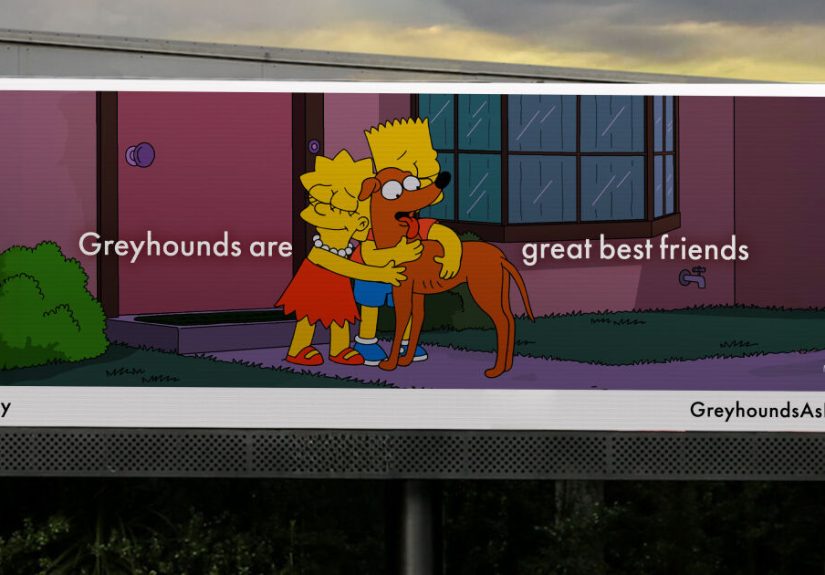
Every now and then, the internet produces a headline so oddly perfect that it feels like it was brainstormed by a room full of very caffeinated golden retrievers. This is one of those moments. The Simpsons, the longest-running animated family in prime-time TV history, have thrown their support behind New Zealand’s biggest dog rehoming effort. And not just any dog effort, either. This one is all about greyhounds, the famously fast, famously elegant, and surprisingly sleepy dogs that are now in urgent need of forever homes.
At the center of the campaign is Santa’s Little Helper, the Simpson family’s beloved greyhound. It is one of those rare pop-culture pairings that makes immediate sense. Santa’s Little Helper is already one of television’s most recognizable rescue dogs, and retired greyhounds happen to be living proof that a former racer can become a first-rate family companion. The message lands with charm, nostalgia, and just enough cartoon star power to make people stop scrolling and start paying attention.
But beneath the clever campaign lies a very real animal-welfare story. New Zealand’s decision to end commercial greyhound racing created a massive transition challenge, with thousands of dogs either needing homes, support, or both. That made rehoming more than a feel-good seasonal push. It became a practical mission with a deadline, a public-education challenge, and a test of whether a country could turn sympathy into action.
Why This Campaign Matters More Than It First Appears
On the surface, “The Simpsons back dog rehoming” sounds like a heartwarming culture nugget. Cute? Absolutely. But the bigger story is about scale. New Zealand’s greyhound sector is winding down, which means retired racing dogs are moving from a track-based life into regular households at an unusual volume. Rehoming a few dogs is rescue work. Rehoming thousands is a national logistics project with leashes.
That is why the campaign works so well conceptually. It does not merely ask people to care. It helps people understand. Greyhounds still suffer from a branding problem. Say the word “racing dog,” and many people picture a turbocharged creature that needs a football field, a protein shake, and a personal trainer named Chad. In reality, retired greyhounds are often gentle, quiet, and gloriously committed to indoor lounging. They are less “chaos missile” and more “elegant blanket burrito.”
By using Santa’s Little Helper, the campaign short-circuits that misconception. Instead of leading with guilt or grim statistics, it leads with familiarity. Audiences already know this lanky cartoon hound as sweet, loyal, and slightly chaotic in the lovable family-dog sense. That emotional shortcut matters. Animal campaigns often struggle because they ask viewers to absorb a lot of new information very quickly. This one lets pop culture do some of the heavy lifting.
How New Zealand Reached This Point
The urgency behind this adoption drive did not appear out of thin air. Concerns about greyhound racing in New Zealand had been building for years, especially around animal welfare and injury rates. Government action eventually followed, and the country set a path toward ending commercial greyhound racing altogether. Once that happened, the focus could no longer remain only on the sport. It had to shift to the dogs themselves.
That shift is where the rehoming story becomes especially important. Policy changes can sound clean on paper, but animals do not live on paper. They live in kennels, foster homes, cars, vet clinics, and family living rooms. When an industry changes, the dogs affected need actual beds, actual routines, actual people, and actual snacks. Preferably the good snacks.
Greyhounds as Pets, or GAP, stepped into that reality with a campaign built to increase adoption demand while also changing public perception. That second part matters just as much as the first. Rehoming at scale is never only about supply. It is about whether enough people feel confident saying yes.
Why Santa’s Little Helper Is a Brilliant Fit
There are celebrity endorsements, and then there are character endorsements that somehow feel even more emotionally persuasive. Santa’s Little Helper belongs in the second category. He is not just famous. He is familiar in a deeply domestic way. He is part of TV’s most iconic family, and his story has always been rooted in adoption.
That gives the campaign a narrative advantage. It is not forcing a random mascot onto an unrelated cause. It is reviving a character whose identity already aligns with the message. In branding terms, that is smart. In storytelling terms, that is gold. In dog terms, that is a very good boy doing very good work.
The campaign also arrives during the holiday season, which adds another layer of emotional resonance. Families are already primed to think about home, generosity, and togetherness. A greyhound finding a couch of its own feels especially powerful in that setting. And yes, a couch is important. For a retired greyhound, the couch is not furniture. It is basically a lifestyle philosophy.
What People Get Wrong About Greyhounds
Myth No. 1: They Need Endless Exercise
This is probably the biggest misconception. Greyhounds are built for speed, but speed is not the same thing as stamina. They are sprinters, not marathoners. Many are perfectly content with moderate daily exercise and lots of downtime. Once they have had the chance to stretch their legs, many are happy to spend the rest of the day doing a surprisingly convincing impression of a decorative throw pillow.
Myth No. 2: They Are Too Big for Apartments
Not necessarily. Greyhounds can adapt well to smaller homes when their exercise needs are met. What matters more than square footage is routine, safe handling, and an owner who understands the breed. They tend to be quiet indoors, which makes them more apartment-friendly than many people assume. A dog does not need to be tiny to fit a small space. Sometimes it just needs manners, a soft bed, and a firm commitment to not redecorating the walls with its teeth.
Myth No. 3: Retired Racers Are Too Difficult to Adopt
Retired racing greyhounds do have an adjustment period. They may need help learning household routines, navigating stairs, understanding glass doors, or getting comfortable with everyday sounds. But adult-dog adoption can also come with major advantages. Many adopters appreciate that they are welcoming a dog whose size, temperament, and basic personality are already more visible than a young puppy’s. You are not guessing what the dog might become. You are meeting the dog that is already there.
Myth No. 4: They Fit Every Home Automatically
They do not, and that is okay. Greyhounds are wonderful dogs, but good adoption campaigns do not pretend every dog suits every household. Greyhounds can have a strong prey drive, which means homes with small animals may need extra caution and proper matching. Their short coats and low body fat also mean they appreciate warmth and soft resting spots. Translation: they are athletes with the soul of retirees at a spa.
What Makes This Rehoming Effort Different
The scale is the obvious answer, but the communication strategy is just as notable. The campaign does not treat adoption like a pity project. It treats greyhounds like desirable companions who have been misunderstood. That is a smarter and more durable message. Pity may get attention for a moment. Respect changes behavior.
This campaign also recognizes that adoption decisions are emotional and practical at the same time. Prospective adopters want to feel moved, yes, but they also want reassurance. Can this dog live in my space? What is daily life like? Is the dog calm? Is it affectionate? Is it workable for a family? These are not cynical questions. They are responsible ones.
By framing greyhounds as gentle, low-maintenance, family-friendly companions, the campaign addresses exactly those concerns. It essentially says: do not just feel sorry for these dogs; picture living with one. That is the moment adoption becomes real.
The Bigger Lesson for Animal Welfare Campaigns
There is a reason this story has traveled beyond New Zealand. It shows how a strong animal-welfare campaign can connect policy, public education, and popular culture without losing the plot. Too often, campaigns lean so hard into awareness that they forget to make the next step obvious. This one does both. It grabs attention with a beloved character and then points that attention toward a concrete need: adopt, foster, donate, support, learn.
It also reminds us that rehoming is not a single heroic event. It is a chain of ordinary acts. Someone fosters. Someone drives a dog to an adoption day. Someone donates bedding. Someone says yes after months of saying, “We’re just browsing.” Someone learns that the giant noodle-shaped dog in the corner is actually perfect for their home. That is how large-scale rescue succeeds. Not through one dramatic gesture, but through thousands of practical acts of kindness.
The Real Challenge After the Headlines Fade
Campaigns can create momentum, but momentum needs infrastructure. A successful rehoming effort requires screening, transport, foster capacity, veterinary care, public education, and ongoing support for adopters. It also requires honesty. Some dogs will transition easily. Others will need patience. Some homes will be ideal. Others will not be the right fit. Responsible rescue is not about making every match happen quickly. It is about making the right matches happen well.
That is why the best response to this story is not simply “aw, how sweet.” It is “what would it take to make this work?” The answer includes visibility, resources, and sustained public engagement. A famous cartoon dog may open the door, but real people still have to walk through it.
What Adopters Often Experience With Retired Greyhounds
Ask people who have adopted a retired greyhound what daily life is actually like, and the answer is often delightfully unglamorous. Not boring, exactly. More like unexpectedly peaceful. The first surprise for many adopters is just how calm these dogs can be indoors. After the initial adjustment period, plenty of greyhounds settle into home life with the attitude of an introvert who has finally found the perfect weighted blanket.
The early days can still be a learning curve. Some retired racers are unfamiliar with stairs. Some may not understand mirrors, sliding doors, or the concept of an open-plan kitchen full of tempting smells. Household noises can feel strange at first. A vacuum cleaner may be treated as a sworn enemy. A television might be watched with concern, confusion, or mild judgment. But this is part of the transition from kennel routine to family life, and many adopters describe it as less “problem behavior” and more “cross-cultural exchange program, but with a very tall dog.”
Another common experience is discovering how physically affectionate greyhounds can be. They may begin reserved, especially with strangers, but many become deeply attached to their people. Once trust clicks into place, they are often loyal, sensitive companions who like being near their humans without necessarily turning into nonstop chaos machines. They are not always clingy in the classic velcro-dog way, but plenty of them become experts at quietly appearing next to you the second you sit down with a snack.
Adopters also learn that greyhounds are full of contradictions. They are elite sprinters who nap like professionals. They look aristocratic but can be hilariously awkward. They are sleek enough to star in a luxury ad, yet many have the soul of a suburban dad after Thanksgiving dinner. That mix of elegance and goofiness is a big part of their appeal. People often go in expecting a serious athlete and end up with a sensitive housemate who loves comfort, routine, and dramatic sighing.
There are practical realities, too. Greyhounds need secure handling outdoors because their prey drive can kick in fast. Their thin coats mean cold weather is not their favorite genre. Soft bedding is not optional in the minds of most greyhounds, and honestly, they are not wrong. Some homes will need to manage introductions carefully with cats or small pets. Some dogs need time to learn that the world is no longer organized around a racing schedule. Patience helps. So does humor.
And then there is the part adopters remember most: the moment the dog truly relaxes. Maybe it is the first upside-down nap with legs in the air like oddly elegant breadsticks. Maybe it is the first wag at the sound of your voice. Maybe it is the first time the dog chooses the couch, the bed, or the sunny patch on the rug as if to say, “Yes, this will do. I live here now.” That is the emotional core of rehoming. Not the campaign slogan, not the headline, not the celebrity association. Just the quiet transformation of a dog becoming somebody’s dog.
That is why the Simpsons connection lands so well. It is playful, memorable, and culturally sticky, but it also points back to something simple and true: a home changes everything. For New Zealand’s greyhounds, this campaign is not just about attention. It is about making that change happen at scale, one household at a time.
Conclusion
The Simpsons backing New Zealand’s biggest dog rehoming effort is more than a clever headline. It is a sharp, emotionally intelligent campaign built around a very real need. By putting Santa’s Little Helper at the center of the message, the campaign turns a misunderstood breed into a familiar, lovable idea: the family dog waiting for a family.
That matters because successful rehoming depends on more than sympathy. It depends on perception, trust, and the willingness of ordinary people to imagine a rescue dog in their everyday lives. Greyhounds may be famous for speed, but this story is really about what comes after the race: safety, stability, and the deeply underrated joy of a dog who finally gets to exhale.
If the campaign succeeds, it will not just help find homes for thousands of dogs. It will also help rewrite the public story about who greyhounds are. And that may be the most powerful outcome of all. Because once people stop seeing retired racers as “other” and start seeing them as companions, the path from awareness to adoption gets a lot shorter.