Table of Contents >> Show >> Hide
- Understanding Acid Reflux Before Blaming the Mango
- Is Mango Acidic?
- Can Mango Cause Acid Reflux?
- Why Mango May Be Okay for Many People With Reflux
- Best Ways to Eat Mango if You Have Acid Reflux
- Mango Foods That May Be Better or Worse for Reflux
- How Much Mango Can You Eat With Acid Reflux?
- Who Should Be More Careful With Mango?
- GERD-Friendly Mango Meal Ideas
- Common Myths About Mango and Acid Reflux
- Practical Tips for Managing Acid Reflux Beyond Mango
- Personal Experience-Style Section: Living With Mango and Acid Reflux
- Conclusion: Should You Eat Mango if You Have Acid Reflux?
Mango is the fruit equivalent of sunshine wearing a perfume: sweet, juicy, colorful, and suspiciously good at disappearing from the refrigerator. But if you live with acid reflux, heartburn, or gastroesophageal reflux disease, also known as GERD, you may wonder whether this tropical favorite is a friend, a foe, or one of those complicated friends who is fun at parties but occasionally causes drama.
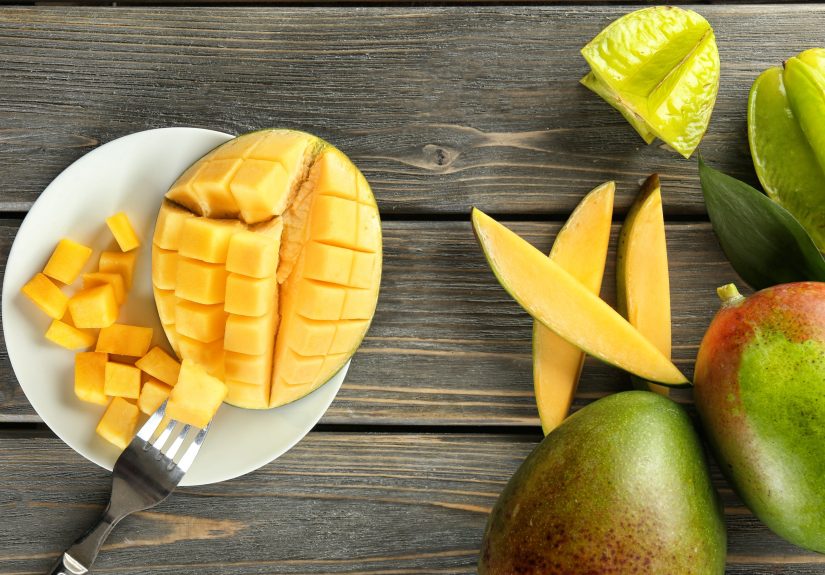
The good news is that mango is not automatically “bad” for acid reflux. In fact, ripe mango is a non-citrus fruit, naturally low in fat, and full of fiber, vitamin C, folate, copper, and antioxidants. For many people, it can fit comfortably into a reflux-conscious diet. The not-so-good news is that reflux is personal. One person may eat mango after lunch and feel perfectly fine. Another may eat a giant bowl of mango with chili powder at 10 p.m. and spend the night negotiating with their esophagus.
This guide breaks down what you need to know about mango and acid reflux, including when mango may trigger symptoms, how to eat it more comfortably, what portions make sense, and how to tell whether mango belongs in your GERD-friendly meal plan.
Understanding Acid Reflux Before Blaming the Mango
Acid reflux happens when stomach contents move backward into the esophagus. The esophagus is the tube that carries food from your mouth to your stomach. Normally, a muscular valve called the lower esophageal sphincter helps keep stomach acid where it belongs. When that valve relaxes too often, opens at the wrong time, or faces too much pressure from a very full stomach, acid can travel upward and cause burning, sour taste, chest discomfort, burping, coughing, or throat irritation.
Occasional reflux is common. GERD is more persistent and may involve frequent symptoms or complications over time. Diet is only one piece of the reflux puzzle. Meal size, meal timing, body weight, smoking, alcohol, caffeine, tight clothing, pregnancy, certain medications, and lying down after eating can all affect symptoms. That means mango may not be the true villain. Sometimes the real culprit is the mango smoothie you drank with whole milk, whipped cream, and a side of “I’ll just lie down for five minutes.”
Is Mango Acidic?
Mango contains natural fruit acids, but it is generally less acidic than citrus fruits such as oranges, lemons, and grapefruit. That matters because highly acidic foods may bother some people with reflux, especially when eaten in large amounts or on an empty stomach. Ripe mango tends to taste sweeter and less sharp than unripe mango, which is often tangier and more acidic.
For reflux-sensitive eaters, ripeness matters. A soft, fragrant, ripe mango is usually gentler than firm green mango served with salt, chili, vinegar, lime, or spicy dipping sauces. The fruit itself may be tolerable, while the toppings turn it into a tiny tropical fire alarm.
Can Mango Cause Acid Reflux?
Yes, mango can trigger reflux in some people, but it does not trigger everyone. The most common reasons mango may cause symptoms include portion size, ripeness, added ingredients, timing, and individual sensitivity.
1. Large Portions Can Overfill the Stomach
Even a reflux-friendly food can become uncomfortable when eaten in a very large serving. A full stomach creates more pressure, which can make it easier for stomach contents to move upward. If you eat two large mangoes after a heavy dinner, the problem may not be mango acidity. It may be volume. Your stomach has a capacity limit, even if your taste buds strongly disagree.
2. Unripe Mango May Be More Irritating
Green mango is popular in many dishes because it is crisp, tart, and refreshing. However, that tartness can be a problem for people who react to acidic foods. If ripe mango feels fine but green mango causes burning, your body may be voting for sweetness over sharpness.
3. Spicy or Sour Add-Ons Can Be the Real Trigger
Mango is often served with chili powder, hot sauce, lime juice, vinegar, pickling brine, or spicy seasoning. These additions may irritate reflux symptoms more than mango itself. If your “mango snack” comes with enough chili to make your eyebrows sweat, it is not exactly a neutral test of mango tolerance.
4. Mango Desserts Can Be High in Fat
Plain mango is low in fat, which is helpful because high-fat meals can slow stomach emptying and increase reflux risk. But mango cheesecake, mango ice cream, mango sticky rice with heavy coconut cream, and buttery mango pastries are different stories. Delicious stories, yes, but potentially reflux-unfriendly ones.
5. Late-Night Mango May Cause Problems
Eating close to bedtime is a common reflux trigger. If you eat mango late at night and lie down soon afterward, gravity stops helping keep stomach contents down. Mango at 2 p.m. may be fine. Mango at 11:45 p.m. while horizontal on the couch may send your chest a strongly worded memo.
Why Mango May Be Okay for Many People With Reflux
Mango has several qualities that can work well in a balanced, reflux-conscious diet. It is naturally low in fat, contains no cholesterol, provides dietary fiber, and offers important micronutrients. A one-cup serving of mango pieces provides about 99 calories, roughly 3 grams of fiber, and a strong dose of vitamin C. It also contains natural sugars, so portion awareness still matters, especially for people managing blood sugar.
Fiber can help with fullness, which may reduce the temptation to overeat. Choosing fruit instead of high-fat desserts may also support better reflux control. For example, a small bowl of ripe mango with oatmeal is likely to be gentler than a fried pastry or chocolate-heavy dessert. This does not make mango medicine, but it can make mango a smarter sweet option.
Best Ways to Eat Mango if You Have Acid Reflux
If you love mango but worry about heartburn, do not immediately banish it from your kitchen. Try changing the way you eat it first. A few small adjustments can make a big difference.
Choose Ripe Mango
Pick mangoes that smell sweet near the stem and give slightly when pressed. Avoid very sour, hard, green mango if acidic foods tend to bother you. Ripe mango is usually smoother, sweeter, and less sharp.
Start With a Small Portion
Begin with about half a cup of mango, especially if you are testing your tolerance. Eat it slowly and pay attention to symptoms over the next few hours. If you feel fine, you can try a moderate serving another day.
Pair Mango With Reflux-Friendly Foods
Mango may be easier to tolerate when paired with oatmeal, low-fat yogurt, whole-grain toast, or a banana smoothie made with nonfat milk or oat milk. These combinations add fiber or protein and may feel more balanced than eating mango alone on an empty stomach.
Avoid Spicy Toppings
Skip chili powder, hot sauce, heavy citrus juice, and vinegar-based toppings if you are sensitive to reflux. For flavor, try a small amount of ginger, cinnamon, or fresh mint only if mint does not trigger your symptoms. Some people find mint relaxing; others find it relaxes the wrong valve and invites reflux to the party.
Do Not Eat Mango Right Before Bed
Give yourself at least two to three hours between eating and lying down. This is especially important if your reflux happens at night. A small afternoon mango snack is usually a safer experiment than a bedtime mango feast.
Mango Foods That May Be Better or Worse for Reflux
Usually Better Choices
- Fresh ripe mango slices in a small serving
- Mango mixed into oatmeal
- Mango and banana smoothie with low-fat or dairy-free milk
- Mango salsa without chili, onion, vinegar, or lots of lime
- Frozen mango blended into a simple fruit “nice cream” with banana
More Likely to Trigger Symptoms
- Green mango with chili, salt, lime, or vinegar
- Mango hot sauce or spicy mango chutney
- Mango margaritas or alcoholic mango drinks
- Mango ice cream, cheesecake, or creamy desserts high in fat
- Large mango smoothies with full-fat dairy, chocolate, or coffee
How Much Mango Can You Eat With Acid Reflux?
There is no universal serving size that works for everyone with acid reflux. A practical starting point is half a cup of ripe mango. If that feels comfortable, a typical serving of about three-quarters to one cup may be fine for many people. The key is to test mango in a calm, controlled way: not after a huge meal, not before bed, and not with spicy extras.
Think of it like detective work, except the detective wears stretchy pants and carries a spoon. Try mango on a low-symptom day. Keep the rest of the meal simple. Write down what you ate, when you ate it, how much you had, and whether symptoms appeared. Over time, patterns become much clearer.
Who Should Be More Careful With Mango?
Some people should be extra cautious with mango, not because mango is dangerous for everyone, but because personal health needs vary.
If you have frequent GERD symptoms, trouble swallowing, unexplained weight loss, vomiting, black stools, chest pain, or symptoms that wake you at night, speak with a healthcare professional. Chest pain should always be taken seriously because it can have causes unrelated to reflux.
People with diabetes or blood sugar concerns may also need to watch portions because mango contains natural sugars. People with known mango allergy, latex-fruit sensitivity, or reactions to mango skin should avoid it or ask a clinician for guidance. Mango peel contains compounds that can irritate some people, so peeling the fruit is usually the friendlier option.
GERD-Friendly Mango Meal Ideas
Mango Oatmeal Bowl
Cook plain oats with water or low-fat milk. Top with half a cup of ripe mango and a few banana slices. This gives you fiber, sweetness, and a soft texture without relying on heavy fat or citrus.
Simple Mango Banana Smoothie
Blend frozen mango, banana, and oat milk. Keep it small and skip orange juice, pineapple juice, chocolate, peppermint, and full-fat dairy. Drink slowly instead of treating it like a tropical speed race.
Chicken and Mango Grain Bowl
Combine brown rice, grilled chicken, cucumber, leafy greens, and a small portion of mango. Use herbs instead of spicy dressing. This works because it balances protein, fiber, and sweetness without turning the meal into a reflux obstacle course.
Mango Yogurt Parfait
Layer low-fat yogurt, ripe mango, and a small amount of low-sugar granola. If yogurt bothers you, try a dairy-free alternative that is low in fat and not heavily sweetened.
Common Myths About Mango and Acid Reflux
Myth: All Fruit Is Bad for Reflux
Not true. Many people with reflux tolerate non-citrus fruits well. Bananas, melons, apples, pears, and ripe mango may be reasonable choices depending on the person. Citrus and tomato-based foods are more common triggers, but even those vary by individual.
Myth: Mango Cures Acid Reflux
Also not true. Mango is nutritious, but it is not a cure for GERD. It can be part of a reflux-conscious diet, but ongoing symptoms may require medical evaluation, lifestyle changes, and sometimes medication.
Myth: If Mango Triggers Symptoms Once, You Can Never Eat It Again
Not necessarily. The context matters. Was it unripe? Was it spicy? Was it eaten after pizza? Was it midnight? Was your serving size large enough to qualify as a small farm harvest? Try again under better conditions before making a final decision, unless your reaction was severe or allergic.
Practical Tips for Managing Acid Reflux Beyond Mango
Managing reflux usually works best when you focus on patterns, not single foods. Eat smaller meals, chew slowly, avoid lying down soon after eating, and pay attention to your personal triggers. Common reflux triggers include high-fat fried foods, spicy meals, chocolate, peppermint, coffee, alcohol, carbonated beverages, citrus, tomatoes, and large late meals.
Helpful options often include oatmeal, whole grains, lean proteins, vegetables, low-fat dairy if tolerated, and non-citrus fruits. Staying upright after meals, wearing comfortable clothing around the waist, and maintaining a healthy weight may also reduce reflux pressure. None of these tips are glamorous, but neither is waking up at 1 a.m. feeling like a dragon with regrets.
Personal Experience-Style Section: Living With Mango and Acid Reflux
For many people, figuring out mango and acid reflux is less like reading a rulebook and more like conducting a tiny kitchen experiment. Imagine someone who loves mango but also has occasional heartburn. At first, they may assume mango is the problem because symptoms appear after eating it. But after paying closer attention, the pattern becomes more interesting.
One day, they eat a small bowl of ripe mango after lunch and feel fine. Another day, they eat green mango with chili and lime while standing in the kitchen before dinner, and the burn arrives like it paid rent. A third time, they blend mango with full-fat ice cream after a heavy meal and lie down to watch a movie. Again, reflux shows up. In that situation, mango may be only one member of a much larger troublemaking committee.
A more reflux-friendly routine might look like this: mango is eaten earlier in the day, the serving is moderate, the fruit is ripe, and it is paired with oatmeal or yogurt instead of spicy seasoning. The person keeps a simple food journal for one week. They write down meal timing, portion size, stress level, and symptoms. Soon they notice that mango itself is usually okay, but late meals and spicy toppings are not. That small discovery can feel surprisingly empowering.
Another common experience is learning that smoothies are sneaky. A mango smoothie sounds healthy, and it can be. But a giant smoothie can pack in multiple cups of fruit, dairy, sweeteners, and sometimes citrus juice. Drinking it quickly may stretch the stomach and trigger reflux. A smaller smoothie with mango, banana, and oat milk may be much gentler. The lesson is not “smoothies are bad.” The lesson is “smoothies are not magic just because they have a straw.”
Some people also find that stress changes their tolerance. On calm days, a small serving of mango is no problem. On stressful days, the same serving feels heavier. Reflux can be influenced by eating speed, posture, sleep, and overall routine. That is why it helps to look at the whole picture instead of placing one fruit on trial.
The most realistic approach is flexible. If mango bothers you every time, even when ripe and eaten in a small amount, it may not be the right fruit for you right now. Choose gentler options such as banana, melon, pear, or applesauce and revisit mango later if your clinician says it is reasonable. If mango only bothers you in certain forms, adjust the form. Fresh ripe mango may stay; spicy green mango may need to retire from your personal menu.
In everyday life, reflux-friendly eating should not feel like punishment. Food is not just fuel; it is culture, comfort, memory, and joy. Mango can still have a place for many people. The goal is to enjoy it in a way that respects your digestive system, your schedule, and your personal limits. In other words, let mango be sunshine, not a chest-burning plot twist.
Conclusion: Should You Eat Mango if You Have Acid Reflux?
Mango can be part of a healthy diet for many people with acid reflux, especially when it is ripe, eaten in moderate portions, and served without spicy, sour, fatty, or late-night extras. It is a non-citrus fruit with fiber, vitamin C, and natural sweetness, making it a better dessert choice than many high-fat options.
Still, reflux is personal. If mango triggers heartburn, try a smaller serving, choose ripe fruit, avoid spicy toppings, and eat it earlier in the day. If symptoms continue or happen frequently, talk with a healthcare professional. Your food journal may reveal that mango is innocent, guilty only with accomplices, or simply not your digestive system’s favorite tropical guest.
Note: This article is for general educational purposes and should not replace medical advice. Anyone with frequent, severe, or worsening reflux symptoms should speak with a qualified healthcare provider.