Table of Contents >> Show >> Hide
- What Makes Great Hummus (And Why Yours Is About to Level Up)
- Classic Hummus Recipe (Creamy, Balanced, Better Than Store-Bought)
- How to Make Hummus Extra Creamy (Without Summoning a Culinary Degree)
- Canned vs. Dried Chickpeas: Which One Should You Use?
- Flavor Variations (Because Your Hummus Deserves a Wardrobe)
- How to Serve Hummus (Beyond “Dip a Carrot, Repeat”)
- Storage, Food Safety, and “Is This Still Good?”
- Troubleshooting: Fix Your Hummus in 60 Seconds
- Nutrition Snapshot (Why Hummus Is a Smart Staple)
- Conclusion
- of Experiences Related to a Hummus Recipe
Hummus is proof that a handful of pantry staples can pull off a glow-up worthy of a red-carpet before-and-after. Chickpeas go in. Creamy, lemony, garlicky magic comes out. And suddenly you’re eating raw carrots like it’s your full-time job.
This guide gives you a classic hummus recipe that’s easy enough for weeknights, plus the behind-the-scenes techniques that make it extra smooththe kind that makes store-bought taste like it got distracted halfway through becoming hummus. You’ll also get flavor variations, serving ideas, storage tips, and a troubleshooting section for when your hummus decides to be “artisanal” (read: too thick, too bitter, or suspiciously grainy).
What Makes Great Hummus (And Why Yours Is About to Level Up)
Great homemade hummus is all about balancing three big vibes: creaminess (texture), brightness (acid), and nuttiness (tahini). The secret isn’t “more olive oil” (though olive oil is always welcome at the party). It’s about how you blend, how you soften the chickpeas, and when you add water so the mixture turns silky instead of stubborn.
Classic Hummus Recipe (Creamy, Balanced, Better Than Store-Bought)
This recipe makes about 2 to 2½ cups (depending on how much water you add). It’s designed for canned chickpeas because life is short and sometimes you want hummus now, not in 12 hours after soaking beans. (You’ll find a dried-chickpea method below if you want to go full hummus hero.)
Ingredients
- 1 can (15–16 oz) chickpeas, drained and rinsed (reserve a few tablespoons of liquid if you want)
- ⅓ cup tahini (use a good one; bitterness is not a personality trait)
- ¼ cup fresh lemon juice (about 1–2 lemons)
- 1 small garlic clove, minced or grated (add more if your social calendar can handle it)
- 2–3 tablespoons extra-virgin olive oil, plus more for serving
- ½ teaspoon kosher salt, then adjust to taste
- ¼–½ teaspoon ground cumin (optional, but highly recommended)
- 3–6 tablespoons ice-cold water (or chickpea liquid/aquafaba)
- Pinch of paprika or smoked paprika, for finishing
Optional “Ultra-Smooth” Upgrade
- ½ teaspoon baking soda (for simmering chickpeas and loosening skins)
Equipment
- Food processor (or high-speed blender)
- Microplane or grater (for garlicoptional but nice)
- Rubber spatula
Step-by-Step Instructions
- Optional: “silky mode” chickpeas. Put rinsed chickpeas in a small pot, cover with water, add ½ tsp baking soda, and simmer 10–15 minutes until the chickpeas look a bit overcooked (that’s the point). Drain and rinse. This helps them break down into a smoother purée.
- Mellow the garlic (recommended). Add lemon juice and garlic to your processor and let it sit 2–5 minutes. This takes the sharp edge off raw garlic so your hummus tastes bright, not angry.
- Whip the tahini first. Add tahini to the processor with the lemon-garlic mixture. Blend 30–45 seconds until it looks creamy and slightly thickened. This step helps build a smooth base.
- Add chickpeas + seasonings. Add chickpeas, salt, cumin (if using), and 2 tablespoons olive oil. Blend for 1 minute, scrape down, then blend 1 more minute.
- Stream in ice water. With the machine running, add ice water 1 tablespoon at a time. Blend for 2–4 minutes, scraping down occasionally, until the hummus turns light, smooth, and creamy. (Longer blending usually wins.)
- Taste and adjust like a pro. Need more pop? Add lemon. Too flat? Add salt. Too thick? Add a splash more water. Too “meh”? Add a touch more tahini.
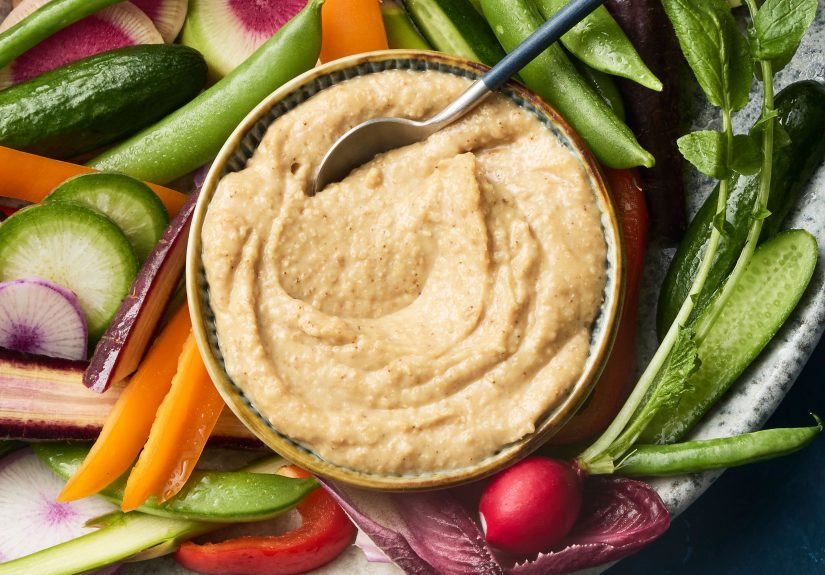
- Serve. Spoon onto a shallow plate, swirl with the back of a spoon, drizzle with olive oil, and finish with paprika (and maybe chopped parsley, toasted pine nuts, or a few whole chickpeas).
How to Make Hummus Extra Creamy (Without Summoning a Culinary Degree)
1) Over-soften the chickpeas on purpose
If you’ve ever made hummus that tasted like “chickpea sand,” it’s usually because the beans weren’t soft enough. A quick simmer (especially with a little baking soda) makes chickpeas break down more easily, giving you a smoother finish.
2) Peel the chickpeas… or don’t (but here’s the truth)
Removing chickpea skins can make hummus silkier. It’s also the culinary equivalent of folding a fitted sheet: possible, but not everyone’s idea of a relaxing evening. The compromise: simmering chickpeas with baking soda loosens skins so many float away when you swish them in water. You’ll get most of the benefit with far less life regret.
3) Whip tahini with lemon + water before adding chickpeas
This is the “restaurant hummus” move. When tahini emulsifies with lemon and cold water, it becomes pale and creamy, then blends into chickpeas like it was always meant to be there.
4) Blend longer than you think you need to
Many people stop blending when the hummus looks “done,” but the extra minute (or three) makes the texture noticeably smoother. If your food processor is sturdy, let it do its job. This is one of those rare cases where patience tastes like luxury.
Canned vs. Dried Chickpeas: Which One Should You Use?
Canned chickpeas are fast and convenientand with the simmer trick, they can still make seriously smooth hummus. Dried chickpeas take more time but give you more control over texture and flavor. If you’re cooking for a crowd or chasing that ultra-fluffy, cloudlike hummus, dried chickpeas are worth it.
Dried Chickpea Method (Worth It for Peak Smoothness)
- Soak 1 cup dried chickpeas in plenty of water overnight (8–12 hours). Optional: add ½ tsp baking soda.
- Cook in fresh water until very tender (45–90 minutes, depending on chickpeas). They should smash easily between fingers.
- Blend using the classic method above (tahini + lemon + garlic first, then chickpeas, then water).
Flavor Variations (Because Your Hummus Deserves a Wardrobe)
Roasted Red Pepper Hummus
Add ½ cup roasted red peppers (drained) plus a pinch of smoked paprika. Bright, sweet, and suspiciously addictive with pita chips.
Spicy Harissa Hummus
Blend in 1–2 tablespoons harissa (start small). Finish with olive oil and a sprinkle of cumin. Great for wraps and grain bowls.
Roasted Garlic Hummus
Swap raw garlic for 4–6 roasted garlic cloves. The flavor becomes deep, mellow, and spreadable in a “why do I suddenly want to bake bread?” way.
Lemon-Herb Hummus
Add ½ cup parsley (or a mix of parsley and cilantro), plus extra lemon zest. Fresh and summery, especially with cucumbers.
“Dinner Party” Toppings
- Za’atar + olive oil
- Toasted pine nuts + paprika
- Chopped olives + parsley
- Spiced ground meat or sautéed mushrooms (yes, hummus can be the main character)
How to Serve Hummus (Beyond “Dip a Carrot, Repeat”)
- Hummus toast: Spread thick, top with sliced tomatoes, cucumbers, and flaky salt.
- Sandwich spread: Use hummus instead of mayo for extra flavor and creaminess.
- Grain bowls: Add a dollop to quinoa/rice bowls; it becomes a sauce.
- Snack board: Pair with pita, crackers, olives, feta, roasted nuts, and crunchy veggies.
- Quick sauce: Thin hummus with water + lemon for an instant dressing or drizzle.
Storage, Food Safety, and “Is This Still Good?”
Homemade hummus is happiest in an airtight container in the fridge. If you want to slow drying, smooth the top and add a thin layer of olive oil before sealing.
How long does hummus last?
- Refrigerator: Plan for up to about 1 week when properly stored; if it smells sour, looks moldy, or feels slimy, toss it.
- Room temperature: Don’t leave it out for more than 2 hours (less if your kitchen is hot).
- Freezer: You can freeze hummus, but texture may change. Thaw overnight in the fridge, then stir (and add a tiny splash of water or lemon if needed).
Signs hummus has gone bad
- Visible mold (game over)
- Sour, “off” smell that wasn’t there before
- Foamy bubbles, slimy texture, or strange discoloration
- Taste that screams “do not continue”
Pro tip for parties: spoon hummus into a serving bowl and keep the main container sealed in the fridge. Double-dipping turns hummus into a tiny science experiment.
Troubleshooting: Fix Your Hummus in 60 Seconds
My hummus is too thick
Add ice water (or chickpea liquid) a teaspoon at a time while blending. Also: letting hummus warm slightly can loosen it.
My hummus tastes bitter
Tahini can be bitter if it’s old or low quality. Balance with more lemon juice, a touch more salt, and (if needed) a small drizzle of honey or a pinch of smoked paprika to round edges.
My hummus is grainy
Cook/simmer chickpeas longer next time (or use baking soda). For now: keep blending and add a little water. Time and moisture are your best friends here.
My hummus tastes bland
Usually it needs salt or acid. Add a pinch of salt, blend, taste. Add lemon, blend, taste. Repeat until your hummus stops being shy.
Nutrition Snapshot (Why Hummus Is a Smart Staple)
Hummus is more than a dipit’s a nutrient-dense combo of chickpeas (fiber + plant protein), tahini (healthy fats and minerals), olive oil (more healthy fats), plus garlic and lemon for flavor. It can be a satisfying snack that pairs well with vegetables, whole grains, and lean proteins.
If you’re managing sodium, homemade hummus is especially helpful because you control the salt. If you have a sesame allergy, skip tahini or use a substitute (like sunflower seed butter) and label it clearly for guests.
Conclusion
The best hummus isn’t complicatedit’s just intentional. Soften the chickpeas, whip the tahini, blend longer than your patience wants to, and let lemon + salt do their job. Once you nail the classic version, you can riff forever: roasted red pepper one week, harissa the next, lemon-herb when you want your snack to feel like a vacation.
And the real win? You’ll start treating hummus like a kitchen superpower: a dip, a spread, a sauce, a rescue plan for sad vegetables, and the reason your fridge suddenly feels “put together.”
of Experiences Related to a Hummus Recipe
There’s a specific kind of confidence that shows up the first time you make hummus that’s actually creamy. It’s not loud confidencemore like a quiet “I have my life together” energy that makes you consider buying lemons in bulk and calling it self-care. Hummus has that effect. It turns a normal Tuesday into “I could host a casual mezze night” even if your most frequent dinner guest is a laptop.
For a lot of home cooks, hummus becomes a gateway recipe: simple ingredients, big payoff, endless customization. The first batch is usually about getting the basics rightchickpeas, tahini, lemon, garlic. The second batch is where personality enters the chat. Maybe you want it extra lemony because you love bright flavors. Maybe you go heavy on cumin because it tastes like the hummus you fell for at a local Mediterranean spot. Maybe you’re a roasted-garlic person who believes subtlety is overrated. Hummus doesn’t judge. It just blends.
Then come the “real life” moments where hummus quietly saves the day. You open the fridge and realize dinner is basically a collection of unrelated items: half a cucumber, a bag of baby carrots, tortillas, and a vague memory of groceries. Hummus makes that situation look intentional. Suddenly you’re assembling a snack plate like it’s a lifestyle choice, not an accident. Add olives, toast a pita, sprinkle paprika, and you’ve got a meal that feels plannedbecause technically, it is now.
Hummus is also a social chameleon. Take it to a potluck and it disappears faster than the chips. Put it on a party table and people hover around it like it’s the grown-up version of a campfire. It works for picky eaters and adventurous eaters, and it’s one of those foods that makes vegetables feel less like homework. Even kids who claim they “don’t like veggies” will sometimes dip a carrot if the hummus is smooth enough and the vibe is right. (This is not a guarantee. Kids are unpredictable. Hummus is steady.)
Over time, you start building your own hummus habits. Maybe you make a batch on Sunday and use it all week: a spoonful in a grain bowl, a swipe in a wrap, a quick sauce when thinned with lemon and water. Maybe you treat it like a blank canvas for whatever’s in your pantrysmoked paprika when you want depth, roasted peppers when you want sweetness, harissa when you want heat. The experience becomes less about following a recipe and more about knowing what you like. And that’s the sneaky magic of hummus: it teaches you taste, one creamy bite at a time.