Table of Contents >> Show >> Hide
- What Makes Cherokee Purple Tomatoes So Special?
- Before You Plant: Know What Cherokee Purple Needs
- How to Plant Cherokee Purple Tomatoes
- The Best Care Routine for Strong Plants and Better Fruit
- How Long Does Cherokee Purple Take to Produce?
- Common Problems With Cherokee Purple Tomatoes
- When and How to Harvest Cherokee Purple Tomatoes
- Tips for Bigger, Better Cherokee Purple Harvests
- Is Cherokee Purple Worth Growing?
- Gardener Experiences and Real-World Lessons From Growing Cherokee Purple
- SEO Tags
If grocery-store tomatoes are the polite handshake of summer, Cherokee Purple is the full-on bear hug. This famous heirloom has a loyal fan club for good reason: the fruits are big, dusky, juicy, and packed with that rich, old-fashioned tomato flavor people get weirdly emotional about. And honestly? Fair. One good slice on toast can make you question every bland tomato you have ever tolerated.
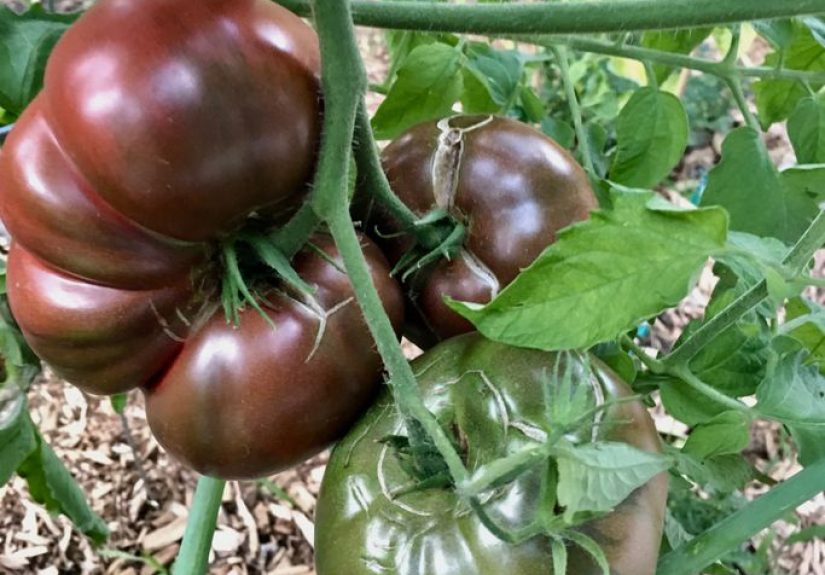
But growing Cherokee Purple tomatoes is not exactly the same as growing a neat, tidy hybrid that behaves like it read the rulebook. This variety can be a little dramatic. It sprawls. It needs support. It may crack if watering swings from desert to monsoon. The fruit can be oddly shaped, sometimes with green shoulders, and it is not always the prettiest tomato at the picnic. Still, when it is happy, it produces some of the best slicing tomatoes in the garden.
This complete guide covers everything you need to know, from planting and spacing to watering, pruning, harvesting, and troubleshooting, so you can grow Cherokee Purple tomatoes with fewer surprises and a lot more delicious sandwiches.
What Makes Cherokee Purple Tomatoes So Special?
Cherokee Purple is a beloved heirloom tomato often described as a “black” tomato, though the fruit usually looks more dusky rose, purple-red, or brownish pink with darker shoulders. The tomatoes are typically medium-large to large, meaty, and deeply flavored, with a balance of sweetness, acidity, and a slightly smoky richness that makes gardeners sound like wine critics.
It is generally sold as an indeterminate variety, which means the plant keeps growing, flowering, and producing fruit through the season instead of setting one giant flush and calling it a day. That long harvest window is great for home gardeners, but it also means the plant needs steady care and sturdy support.
The commonly shared origin story traces Cherokee Purple to pre-1890 Tennessee, with seeds later passed along to tomato expert Craig LeHoullier in 1990. Whatever the exact path, the variety became one of the most recognized heirloom tomatoes in the United States and helped popularize darker-colored heirlooms with home gardeners.
Before You Plant: Know What Cherokee Purple Needs
Sunlight
Cherokee Purple tomatoes need full sun. That means at least 6 to 8 hours of direct light per day, though more is usually better for fruit production and flavor. If you plant them where they get “a little morning sun and some encouraging thoughts,” the harvest will probably be underwhelming.
Warm Weather
Tomatoes are warm-season plants, and Cherokee Purple is no exception. Wait until all danger of frost has passed and the soil has warmed before transplanting outdoors. Cool weather can slow growth, stress young plants, and contribute to misshapen early fruit.
Soil
Give this variety well-drained, fertile soil with a slightly acidic pH, ideally around 6.2 to 6.8. If your soil stays soggy after rain, improve drainage with compost and organic matter before planting. Tomatoes hate wet feet almost as much as gardeners hate hornworms.
Space
Do not crowd Cherokee Purple. Because it is indeterminate and can grow large, give each plant roughly 24 to 36 inches of space, depending on your support system. Good airflow helps reduce disease pressure and makes harvesting easier.
How to Plant Cherokee Purple Tomatoes
Start From Seed or Buy Healthy Transplants
You can start seeds indoors several weeks before your last frost date or buy sturdy young plants from a nursery. If you buy transplants, choose short, stocky plants with healthy green leaves instead of tall, pale, floppy ones that look like they need a pep talk.
Plant Deeply
Tomatoes can form roots along buried stems, so set Cherokee Purple transplants deeply in the soil, leaving only the top sets of true leaves above ground. This encourages a stronger root system and a sturdier plant.
Use Support at Planting Time
Install a strong cage, stake, or trellis when you plant. Do not wait until the vine becomes a leafy octopus wrapped around nearby peppers, basil, and your last bit of patience. Cherokee Purple can get heavy once the fruit starts sizing up, and early support prevents broken stems and messy vines.
The Best Care Routine for Strong Plants and Better Fruit
Water Consistently
If there is one rule that matters more than almost anything else with Cherokee Purple, it is this: keep moisture consistent. Tomatoes generally do best with about 1 to 1.5 inches of water per week, though hot weather, sandy soil, containers, and large vines may require more.
Deep watering is better than frequent shallow sprinkles. Water at the soil line rather than splashing the leaves, because wet foliage encourages disease. Mulch around the base with straw or another clean organic mulch to help hold moisture, reduce soil splash, and even out the feast-or-famine watering cycle that leads to cracking and blossom end rot.
Feed, But Do Not Overfeed
Tomatoes are hungry plants, but too much nitrogen can produce lush foliage and disappointing fruit set. In plain English: giant green jungle, tiny harvest. Start with compost or a balanced fertilizer, then feed moderately as the plants grow. Once fruiting begins, avoid pushing the plant with excessive nitrogen-heavy fertilizer.
Prune With a Light Hand
Because Cherokee Purple is indeterminate, some pruning can help improve airflow and keep growth manageable. Remove leaves that touch the soil and thin out crowded lower growth. You can also manage suckers if you are training the plant to a stake or trellis.
That said, do not go wild with the pruners. Heavy pruning on large-fruited heirlooms can sometimes make fruit disorders worse. Think tidy haircut, not reality-TV makeover.
Mulch Early
Mulch deserves its own fan club. A 2- to 3-inch layer helps conserve soil moisture, keeps the root zone more even, reduces splash-up from the soil, and may lower disease pressure. For Cherokee Purple, mulch is less “optional garden accessory” and more “low-cost insurance policy.”
How Long Does Cherokee Purple Take to Produce?
Cherokee Purple is not the speediest tomato in the patch. It is usually considered a mid- to late-season heirloom, often maturing in roughly 75 to 85 days from transplanting, depending on the source, climate, and growing conditions.
That means patience matters. If you live in a short-season area, start seeds on time or buy transplants early enough to give the plants a real chance. If you live in a warmer region, you will have a longer window for a satisfying harvest.
Common Problems With Cherokee Purple Tomatoes
Cracking
This is one of the most common complaints with heirloom slicers, and Cherokee Purple is no exception. Fruit often cracks when dry conditions are followed by heavy watering or rain. The tomato suddenly takes up water, the skin cannot keep up, and split city begins.
How to reduce it: Keep watering even, mulch well, and harvest fruits once they are mature and beginning to soften rather than leaving them on the vine forever in hopes of perfection.
Catfacing
Large heirloom tomatoes are more prone to catfacing, which causes deep scars, folds, or weird blossom-end deformities. Cool temperatures during flowering, environmental stress, and sometimes over-pruning or excess nitrogen can contribute.
The good news is that catfaced tomatoes are usually still edible. They may not win a beauty contest, but sliced up for sandwiches, salads, or sauce, they still do the job just fine.
Blossom End Rot
If the bottom of the fruit develops a dark, leathery patch, that is usually blossom end rot. While people often blame a simple calcium shortage, the bigger issue is commonly inconsistent moisture or stress that interferes with calcium movement inside the plant.
How to reduce it: Water deeply and evenly, mulch, avoid overdoing nitrogen, and keep roots healthy. Removing badly affected fruit lets the plant focus on the next round.
Leaf Diseases
Like many heirlooms, Cherokee Purple can be more variable than modern hybrids when it comes to disease performance. Good spacing, support, mulch, watering at the base, and removing lower leaves that touch the soil can help limit common fungal issues. Rotate tomatoes to a new spot each year if possible.
When and How to Harvest Cherokee Purple Tomatoes
One of the trickiest parts of growing Cherokee Purple is knowing when the fruit is actually ripe. Since the shoulders may stay darker or greenish and the color is more dusky than bright red, you cannot use the classic “fire-engine red equals ready” rule.
Harvest when the fruit has developed full color, feels slightly soft when gently pressed, and separates from the vine with a careful twist. Do not wait for rock-hard fruit to become flawless; this variety is about flavor, not showroom shine.
Cherokee Purple is best enjoyed fresh. Thick slices on BLTs, burgers, and tomato sandwiches are where it really shows off. It also shines in salads, caprese-style plates, and fresh salsas where the color and flavor get attention instead of hiding in the background.
Tips for Bigger, Better Cherokee Purple Harvests
- Plant in the sunniest part of the garden.
- Use sturdy cages or stakes from day one.
- Water deeply and consistently, especially once fruits begin forming.
- Mulch to stabilize soil moisture and reduce disease splash.
- Feed moderately and avoid excess nitrogen.
- Do not panic over odd shapes, green shoulders, or cosmetic flaws.
- Harvest a little earlier than you might with firm hybrid tomatoes to reduce cracking.
Is Cherokee Purple Worth Growing?
Absolutely, especially if flavor is your top priority. Cherokee Purple is not the most uniform tomato, and it is not the least fussy either. But gardeners do not keep growing it decade after decade because it is easy on paper. They grow it because when conditions line up, the fruit is outstanding.
In other words, Cherokee Purple is the tomato equivalent of a talented, slightly high-maintenance artist. It may be moody, but wow, does it deliver.
Gardener Experiences and Real-World Lessons From Growing Cherokee Purple
One of the most common experiences gardeners report with Cherokee Purple is that the plant wins them over slowly. At first, it may look less polished than modern hybrids. The fruit can be uneven, the shoulders can stay dark, and the first tomato may come off the vine looking like it survived a bar fight. Then you cut into it. Suddenly the strange shape no longer matters, because the flavor is rich, savory, sweet, and memorable in a way many standard red tomatoes are not.
Another frequent lesson is that watering discipline changes everything. Many growers learn this the hard way during their first season. They forget to water during a hot stretch, then compensate with a deep soak or a lucky thunderstorm, and the next fruit cracks open just as it was getting beautiful. After that, most gardeners become much more faithful about mulch, irrigation, and checking soil moisture. Cherokee Purple has a sneaky way of turning casual gardeners into people who suddenly care a lot about rainfall totals.
Support is another real-world game changer. Gardeners who try to “just see how it goes” without a sturdy cage often end up with tangled vines and tomatoes sprawled across the ground. Those who start with strong support usually have cleaner plants, easier harvesting, and better airflow. The variety’s shorter indeterminate habit can fool people into thinking it stays compact, but once loaded with fruit, it still needs serious structure.
Many gardeners also notice that Cherokee Purple teaches patience. It is not always the first tomato to ripen, and it does not always look textbook perfect when it does. But experienced growers learn to watch for the right softness and color rather than waiting for a uniform red finish that will never come. They also learn not to judge ripeness by shoulder color alone. This is one of those varieties that rewards observation more than impatience.
There is also the emotional side of growing it. Cherokee Purple often becomes the tomato people compare everything else to. Once you have had a properly ripened fruit on a sandwich with a little salt and mayonnaise, or layered into a salad with basil and fresh cheese, it tends to reset your standards. Gardeners frequently say they keep experimenting with new varieties every year, but Cherokee Purple remains on the planting list because it delivers a flavor benchmark they do not want to lose.
Perhaps the biggest practical takeaway is this: do not expect perfection, expect character. Cherokee Purple may crack, scar, or produce a few oddballs. But if you give it sun, support, room, and steady moisture, it can reward you with some of the finest slicing tomatoes you will ever grow at home. And that is the kind of gardening experience that keeps people planting one more tomato, one more season, every single summer.