Table of Contents >> Show >> Hide
- Why I Gigi Stood Out in Hove
- The Signature Look: Soft, Natural, Layered, and Lived-In
- Zoe Ellison and Alex Legendre: The Creative Force Behind the Brand
- More Than a Shop: Café, Community, and a Sense of Place
- What Shoppers Actually Loved
- I Gigi’s Legacy in the Design Conversation
- What “I Gigi in Hove, England” Represents Today
- Experience and Atmosphere: Why a Visit to I Gigi Felt Different
- Conclusion
If you ever needed proof that a shop can have a personality, a pulse, and the power to rearrange your entire taste in home decor, look no further than I Gigi in Hove, England. This was not the kind of place you wandered into for one candle and left unchanged. It was the kind of place that made you suddenly care very deeply about linen texture, weathered wood, hand-thrown ceramics, and the emotional stability of a perfectly muted color palette.
Located on Western Road in Hove, I Gigi became known as far more than a simple retail stop. It developed a reputation as a carefully curated general store, interiors destination, and lifestyle space shaped by founders Zoe Ellison and Alex Legendre. Over the years, design lovers, local shoppers, and visiting style hunters described it as one of those rare businesses that sold objects, yes, but also sold atmosphere, mood, and a quietly persuasive idea of how life could look if you stopped buying junk and started buying well.
That may sound dramatic. It is. But in the case of I Gigi, a little drama feels justified.
Why I Gigi Stood Out in Hove
Hove has long had a polished-but-not-pretentious charm. It sits next to Brighton, shares the seaside appeal, and carries its own identity with a calmer, more residential, more design-conscious energy. In that setting, I Gigi made perfect sense. It fit the neighborhood while also elevating it. The store’s Western Road address placed it in a lively stretch with strong independent retail character, close enough to the sea to feel coastal, but grounded enough to become part of the daily rhythm of local life.
At its core, I Gigi was known for homewares, antique furniture, reworked vintage pieces, clothing, and a café element that made the whole experience feel less like shopping and more like settling into someone else’s very stylish daydream. That combination mattered. Plenty of stores can sell nice things. Fewer can create a setting where crockery, textiles, furniture, flowers, and cake appear to be participating in the same aesthetic manifesto.
The appeal was not flashy luxury. It was restraint. Soft neutrals. Natural materials. Timeworn finishes. Texture doing the heavy lifting. Instead of shouting for attention, the pieces at I Gigi seemed to murmur, “Relax. We’ve got this.” In a retail world full of visual overcaffeination, that was refreshing.
The Signature Look: Soft, Natural, Layered, and Lived-In
One of the most interesting things about I Gigi is that its style was recognizable almost instantly. Even people writing about the store from afar tended to describe the same visual language: earthy tones, reclaimed character, antique finds, carefully edited home goods, and an overall softness that never tipped into blandness.
That is harder to pull off than Pinterest would have you believe.
A neutral room can look serene, or it can look like a landlord gave up halfway through decorating. I Gigi’s approach worked because it relied on depth rather than emptiness. Linen, washed wood, handmade ceramics, feather-filled cushions, vintage fabrics, distressed furniture, and natural fibers created layers that felt tactile and human. The result was not minimalist in the icy sense. It was warm minimalism, the kind that invites you to sit down, stay a while, and reconsider every glossy plastic thing in your house.
This design point is central to understanding the store’s reputation. I Gigi was not memorable just because it stocked attractive objects. It was memorable because it showed people how those objects could live together. The store itself became a lesson in composition. A chair was never just a chair. A table was never just a table. Everything belonged to a larger story about texture, proportion, and ease.
The Power of Curation
Good curation is what separates a destination shop from a random collection of inventory. I Gigi earned attention because it appeared edited, not crowded. Reports about the store repeatedly emphasized its selection rather than its size. That is a compliment in the design world. It means someone said no to a lot of things so the right things could shine.
The merchandise mix reportedly included housewares from recognized makers, antique furniture, reworked vintage pieces, and custom or bespoke soft furnishings. That blend gave the store both credibility and character. It was not stuck in one lane. It could feel rustic, French-inspired, coastal, reclaimed, romantic, and practical all at once, which is exactly the kind of balancing act that great interiors pull off behind the scenes.
Zoe Ellison and Alex Legendre: The Creative Force Behind the Brand
No profile of I Gigi makes sense without the women behind it. Zoe Ellison and Alex Legendre were consistently identified as the creative and business minds shaping the store’s identity. Their names appear again and again in design coverage, book descriptions, and business listings, which tells you something important: the store’s aesthetic was inseparable from their own point of view.
That point of view seems to have been rooted in beauty without stiffness. Their work has been associated with interiors that feel achievable rather than intimidating, reclaimed rather than overproduced, and expressive without being loud. This matters because people did not simply admire I Gigi as a shop display. They looked to it as a model for living well with character, texture, and intentional choices.
The duo’s design sensibility later extended beyond the store through interiors work and publishing. Their book, A Life Less Ordinary, helped translate the I Gigi atmosphere into a format that readers could take home. The title alone tells you a lot. This was never about generic lifestyle advice. It was about creating a home and a way of living with feeling, memory, and originality.
More Than a Shop: Café, Community, and a Sense of Place
Another reason I Gigi developed such affection among visitors was that it offered more than merchandise. The café upstairs became part of the experience and helped turn a shopping trip into a ritual. That detail may sound small, but it changes everything. A store with a café invites lingering. It lets the mood settle in. It encourages conversation, repeat visits, and that magical retail phenomenon known as “I just popped in and somehow lost two hours.”
Writers describing the space often made a point of the café, handmade cakes, locally made dishes, or the simple pleasure of browsing downstairs and then heading up for a break. That tells us the store understood something essential about memorable retail: people do not always come back for products alone. They come back for how a place made them feel.
I Gigi also appears to have been woven into the local retail fabric of Hove. References to neighboring shops, regular foot traffic, and shopping guides that included it as a must-stop suggest that it functioned as part of a larger neighborhood culture of independent businesses. In an era when chain sameness can flatten a high street into beige commercial wallpaper, a distinctive place like I Gigi gives an area texture and identity.
What Shoppers Actually Loved
Reading descriptions of I Gigi across travel, interiors, and local lifestyle coverage, a pattern emerges. Shoppers were drawn to the same handful of qualities again and again.
1. The atmosphere
The store was repeatedly described in sensory terms. Flowers outside. Rustic ceramics inside. soft throws. Distressed wood. Muted colors. This was not accidental. It was environment as branding, and it worked brilliantly.
2. The mix of old and new
I Gigi did not seem interested in sterile perfection. Its charm came from combining antique, reclaimed, and bespoke elements with usable home goods and clothing. That made the style feel personal rather than showroom-stiff.
3. The practicality behind the beauty
For all its elegance, the store was often framed as achievable. That is a huge compliment. It suggested that the founders understood real homes, real budgets, and real life. Beautiful did not have to mean precious.
4. The emotional pull
This may be the hardest thing to measure and the easiest thing to remember. People did not talk about I Gigi as a retail transaction. They talked about it as inspiration. That is why the store lingered in memory long after a visit.
I Gigi’s Legacy in the Design Conversation
Even after the original storefront’s peak years, I Gigi continued to echo through interiors coverage and design references. That is usually the sign of a brand that did more than sell products. It established an aesthetic language people kept borrowing from, writing about, and crediting in later projects.
Later mentions connected the name not just to retail, but to bespoke interiors and upholstered pieces used in residential design. In other words, I Gigi matured from “beloved shop” into something more lasting: a reference point. Its legacy was not merely commercial. It was stylistic.
That legacy also says something broader about the best independent stores. They often matter most when they narrow their focus instead of trying to please everyone. I Gigi did not appear to chase trends in a frantic, algorithm-friendly way. It trusted its eye. Ironically, that made it feel more timeless than many trend-led brands ever do.
What “I Gigi in Hove, England” Represents Today
Today, the phrase “I Gigi in Hove, England” carries a little more meaning than a simple place label. It represents a certain kind of independent retail ideal: intimate, taste-driven, highly personal, and anchored in atmosphere. It represents a moment when stores could still surprise you by feeling handmade in spirit. And it represents a design philosophy that values natural materials, reworked pieces, and rooms with soul over rooms with showroom gloss.
For readers interested in interiors, travel, independent shops, or coastal British style, I Gigi remains a compelling example of how a brand can shape memory. You may visit for a ceramic bowl, a linen cushion, or a pretty lunch. You leave thinking about patina, texture, and whether your own home could be calmer, softer, and more expressive with a little less clutter and a little more intention.
Not bad for a store visit.
Experience and Atmosphere: Why a Visit to I Gigi Felt Different
To understand the fascination around I Gigi, it helps to imagine the experience not as “shopping” in the usual sense, but as entering a mood. You begin outside, where the storefront already softens your expectations. There is no visual assault, no bargain-bin chaos, no fluorescent panic. Instead, there is the promise of calm. Even before stepping inside, the place suggests that beauty can be quiet.
Once in the store, the effect would likely have been immediate. The display style people described over the years suggests a space arranged more like a real home than a commercial grid. That matters because it changes how shoppers think. Instead of asking, “Do I need this?” they begin asking, “Could I live like this?” That is a far more powerful question, and I Gigi seemed unusually good at prompting it.
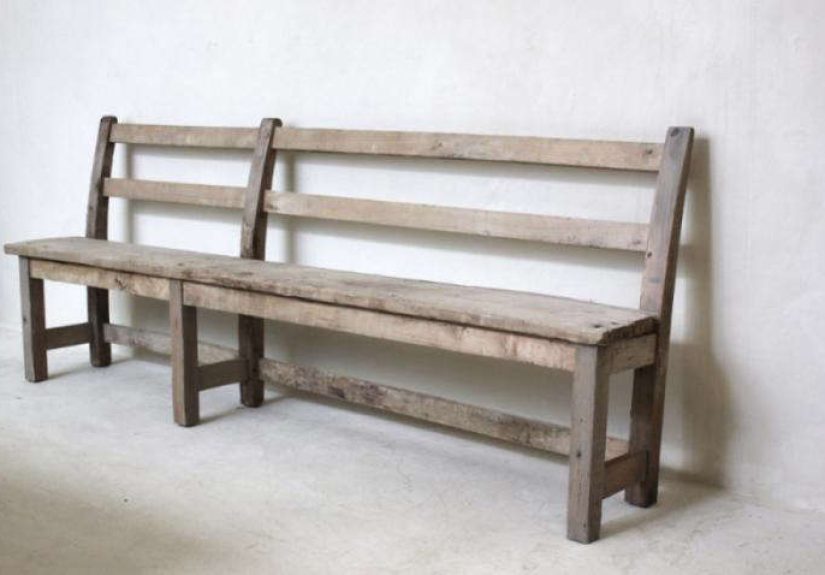
You notice the furniture first, perhaps: a weathered table with enough age to have a story, an upholstered chair that looks elegant but forgiving, a bench that seems casual until you realize it has perfect proportions. Then the smaller details start working on you. Stoneware that feels grounded in the hand. Linen that looks better because it is not trying too hard. Scented candles, bath items, layered textiles, and decorative objects that never feel random. Each piece seems chosen for character rather than noise.
Then comes the dangerous part: the moment you start mentally redecorating your entire house. Suddenly, your coffee table feels too shiny. Your cushions feel undereducated. Your storage baskets are trying, bless them, but are simply not giving “soft natural charm.” I Gigi’s genius was that it could inspire this mild domestic identity crisis without making visitors feel judged. The message was not, “Your home is wrong.” It was, “Your home could feel even more like you.”
The café element deepened that experience. A staircase leading to coffee, lunch, or cake transforms a shop into a pause point. It turns browsing into a ritual. You can imagine visitors lingering over tea, discussing fabric, talking themselves into one more ceramic bowl, and then walking back downstairs convinced that they are making sensible, deeply necessary lifestyle decisions. Which, to be fair, they might have been.
There is also something distinctly memorable about the way I Gigi sat within Hove itself. Hove has that slightly polished seaside grace that rewards slow wandering. A place like I Gigi fit naturally into a day of walking, browsing, stopping, and noticing. It was not a destination in isolation. It was part of a larger rhythm: sea air, independent shops, good food, and the pleasure of discovering spaces that feel curated by people instead of committees.
That is why the store stayed in people’s minds. Not because it was loud, but because it was coherent. Not because it tried to be everything, but because it knew exactly what it was. In a world of overbranding and disposable trends, I Gigi offered a different kind of luxury: thoughtfulness. And honestly, that may be the chicest thing of all.
Conclusion
I Gigi in Hove, England earned its reputation by doing something deceptively simple and genuinely difficult: it made good taste feel warm, human, and attainable. With its Western Road setting, distinctive mix of antiques and homewares, café culture, and the unmistakable vision of Zoe Ellison and Alex Legendre, it became more than a local shop. It became a design landmark for people who believe homes should feel collected, layered, and alive.
Whether you approach it as a retail story, an interiors case study, or a love letter to independent shopping in Hove, I Gigi remains memorable because it created a full experience. It showed that design is not just what you buy. It is how you arrange a life.