Table of Contents >> Show >> Hide
- Meet Inigo: The Modern House Goes Old School
- The Remodelista Connection: Why Inigo Is Stalker-Worthy
- Inigo and the Rise of Design-Led Real Estate
- How to Use Inigo Like a Pro (Even If You’re Not Buying)
- Translating the Inigo Look at Home
- A Real Estate Stalker’s Diary: Living with an Inigo Habit
- Why Inigo Deserves a Permanent Spot in Your Bookmarks
If your idea of an ideal evening involves a cup of tea, a comfy sofa, and an hour of scrolling through dreamy listings you can’t (yet) afford, meet your new obsession: Inigo. From the team behind cult favorite The Modern House, this design-led estate agency is dedicated to Britain’s most charming historic homes and it might just become your go-to source for “real estate stalking” inspiration.
Remodelista fans have long kept an eye on beautifully photographed listings that feel more like editorial spreads than estate-agent brochures. Inigo fits right into that world: think centuries-old houses with storied bones, shot like a coffee-table book and written up with the kind of detail usually reserved for museum labels. Whether you’re actively house-hunting or just “adding to cart” in your head, this is a site you’ll want permanently bookmarked.
Meet Inigo: The Modern House Goes Old School
Inigo launched as the heritage-minded sibling of The Modern House, the British real estate agency that helped turn mid-century and modernist homes into a lifestyle movement rather than just a property category. Where The Modern House focuses on clean lines, glass, and concrete, Inigo shifts the lens to historic homes Georgian terraces, Victorian villas, Tudor manors, and the occasional romantic cottage in the middle of nowhere.
The name is a quiet wink to 17th-century architect Inigo Jones, who helped bring classical, Italian-influenced architecture to Britain. It’s an appropriate reference: these listings are less about square footage and more about proportion, symmetry, and patina. Inigo’s mission is simple but specific to champion old houses with character, carefully selected for their architectural integrity and sense of place.
Behind the scenes, the same founders who built The Modern House into a cult brand have applied the same editorial eye here. The result is a site that feels curated rather than crowded, more like an impeccably edited magazine than an endless property portal.
A Curated Marketplace for Historic Homes
On a typical mass-market property site, you’ll find everything from bland new builds to awkward conversions, all photographed under unforgiving downlights. Inigo does the opposite. Listings are handpicked, and the bar is high: unusual period details, strong architecture, or a story-filled past are almost a prerequisite.
Instead of “3 bed, 2 bath, needs updating,” you’ll see lovingly restored Georgian sash windows, original floorboards, carved newel posts, and fireplaces with centuries of history. Many homes sit in conservation areas or carry formal listings of architectural significance, and Inigo leans into that heritage rather than treating it as a footnote.
Photography That Feels Like a House Tour
Part of what makes Inigo so addictive is the photography. Rooms are lit softly, shot wide enough to show the volume, and styled just enough so you can imagine the life that happens there. You’ll spot stacks of books, worn rugs, inherited armchairs, and sprawling plants in the windows not just generic staging furniture rolled in for a shoot.
This editorial style doesn’t just make the homes look good; it teaches your eye what works in a historic interior. How high should the curtain rod hang? What color walls can handle an ornate ceiling? How do you mix a modern sofa with an 18th-century fireplace? One scroll on Inigo offers a crash course in quietly confident decorating.
Listings with Real Storytelling
Another point of difference: the copy. Inigo’s listing descriptions read more like mini essays than bullet points. You’ll usually learn when the house was built, what architectural style it belongs to, and which original features survived the centuries. There are often anecdotes about former uses a converted schoolhouse here, a rectory there, a railway station turned home somewhere else.
That narrative, combined with floor plans and generous photography, makes the site just as appealing for armchair travelers as for serious buyers. You don’t have to be ready for a mortgage to appreciate a beautifully restored hall or a sun-soaked drawing room.
The Remodelista Connection: Why Inigo Is Stalker-Worthy
Remodelista has always been a trusted guide for people who want homes that are both liveable and beautiful, grounded in real life rather than styled for a single Instagram shot. It’s no surprise, then, that the site spotlighted Inigo early on, featuring a standout London townhouse as a prime example of what this agency does best.
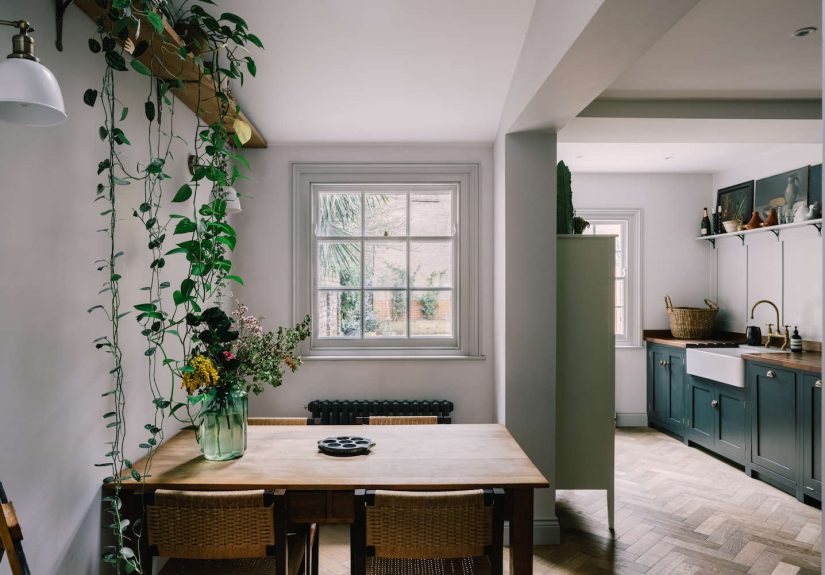
That listing a Victorian home freshened by thoughtful, layered design showed exactly how Inigo bridges the gap between everyday living and aspirational design. Instead of stripping out historical quirks, the home embraced its heritage: original moldings, tall windows, and a restrained, slightly moody palette that made every room feel collected rather than “done.”
For Remodelista readers, Inigo scratches a familiar itch: the desire to tour real homes that feel genuinely lived in, not high-gloss showpieces. It’s the sort of place where you pause to zoom in on the shelves to see which books are there, or to figure out the exact tone of that perfect green on the dining room walls.
From Inspiration to Practical Resource
Of course, Remodelista’s coverage doesn’t just feed your design fantasies; it also points you toward resources you can actually use. Inigo functions the same way. Even if your budget isn’t anywhere near a Regency townhouse, you can still borrow its ideas: built-in bookcases framing a fireplace, deep window seats, or unexpected color on interior doors.
Seen this way, Inigo isn’t just a real estate site. It’s a living catalog of how people with great taste adapt historic architecture for modern life exactly the kind of content Remodelista readers love to dissect, pin, and quietly copy at home.
Inigo and the Rise of Design-Led Real Estate
Inigo doesn’t exist in a vacuum. It’s part of a broader trend toward design-led real estate, where agencies present properties like editorial content instead of anonymous inventory.
In the U.S., for example, sites like CIRCA Old Houses specialize in beautifully photographed historic properties, while global brands like Sotheby’s curate “historic homes” and “architecturally significant” collections for buyers who care as much about paneling and plasterwork as they do about price per square foot. Design publications and lifestyle magazines frequently spotlight notable listings think iconic modernist houses, rare Prairie-style homes, or meticulously restored mansions knowing that readers love a good property fantasy as much as a new sofa trend.
Then there’s the cultural phenomenon nicknamed “property porn”: the increasingly common habit of scrolling listings for homes most of us will never buy, simply because the spaces are so engrossing. During and after the pandemic, as people scrutinized their own homes and dreamed bigger, this kind of real estate browsing only intensified. Inigo taps into that exact urge but with historic plasterwork and antique fireplaces instead of infinity pools and glass boxes.
How to Use Inigo Like a Pro (Even If You’re Not Buying)
Not ready to move to a Georgian rectory tomorrow? That’s fine. Inigo is still a powerful tool if you’re renovating, decorating, or just endlessly curious about how other people live. Here are a few smart ways to put the site to work.
1. Treat Listings as Design Case Studies
Pick a home that feels close to yours in age or layout and study how it’s been handled. How are the rooms arranged? Where do they keep storage? How did they handle awkward eaves, wonky walls, or narrow hallways? You can screenshot clever solutions like built-in benches under windows or paneled doors painted to match the walls and use them as references for your own projects.
2. Build a Personal “Stalking” Collection
Think of Inigo as your own private museum of dream houses. Save images of favorite rooms to a mood board or digital folder. Over time, you’ll notice patterns: perhaps you always gravitate toward warm wood floors, deep wall colors, or rooms layered with textiles rather than minimal spaces. That information is design gold when you’re making choices about paint, furniture, or renovation priorities.
3. Use Historic Details as a Decorating Roadmap
The period details in an Inigo listing can point you toward era-appropriate decor decisions. For instance, tall sash windows often look better with floor-length curtains hung high and wide, while rooms with ornate ceiling roses can tolerate bolder light fixtures and richer color. When you see these ideas working in real spaces, it becomes easier to translate them to your own home with confidence.
4. Learn the Language of Old Houses
If you’re serious about buying a character property one day, Inigo doubles as a vocabulary lesson. You’ll pick up terms like “stucco frontage,” “fanlight,” “egg-and-dart cornicing,” or “panelled dado” simply by reading the descriptions. That knowledge pays off when you’re scanning other listings, speaking with contractors, or trying to explain exactly what you want to recreate.
Translating the Inigo Look at Home
One reason Inigo’s listings resonate so strongly with Remodelista readers is that they rarely feel over-designed. Instead, homes look comfortable, layered, and personal. Here are a few ways to capture that energy without needing a title deed to a centuries-old pile.
Lean into Imperfection
Historic homes on Inigo often sport slightly uneven floors, patched plaster, or doors that have clearly been painted more times than anyone can count. Instead of hiding these quirks, the best spaces embrace them. You can echo this attitude by choosing finishes with texture: limewash paint, woven natural rugs, handcrafted tiles, or vintage furniture with visible wear.
The goal isn’t to make your home look shabby; it’s to avoid a too-perfect showroom feel. A few signs of age and use make a room instantly more inviting.
Mix Old Pieces with Simple Modern Basics
Another hallmark of the Inigo aesthetic is the mix: antique tables alongside clean-lined sofas, contemporary lighting above centuries-old floors, mid-century chairs tucked into Victorian bay windows. If you already own a modern sofa, pair it with a vintage rug or a flea-market wooden chest. If your place is mostly old, consider adding a simple contemporary dining table or a minimal light fixture for contrast.
Play with Color, but Keep It Grounded
Many Inigo homes use color generously mustard yellows, deep greens, powdery blues but the palette usually feels anchored by natural materials like wood, stone, or brick. To get the look, pick one or two stronger hues for walls or upholstery and keep the surrounding pieces quieter: linen, oak, iron, or worn leather. This balance keeps bold rooms from feeling chaotic.
Prioritize Atmosphere over Perfection
At the end of the day, the reason you might find yourself “stalking” an Inigo listing isn’t because every corner is immaculate. It’s because the rooms feel like they hold stories dinners, conversations, quiet afternoons, and future plans. Candles, table lamps, books you actually read, and art you truly love will get you closer to that feeling than any matching set ever could.
A Real Estate Stalker’s Diary: Living with an Inigo Habit
Spend a little time with Inigo and it quickly becomes a ritual. Maybe you start with one listing shared in a group chat: a dreamy cottage with a brick fireplace and a perfectly rumpled bedroom. You click through out of curiosity. Twenty minutes later, you’re comparing floor plans, zooming in on the kitchen backsplash, and wondering if there’s a way to move to rural Cornwall without changing anything else about your life.
Before long, your “just looking” habit turns into something more structured. You start categories in your head. There’s the fantasy version of you who buys the grand country house with the sweeping staircase and carved banisters. She hosts weekend gatherings, buys flowers by the armful, and keeps a muddy pair of boots by the back door. There’s also the city version, in a tall, narrow townhouse with high ceilings, original shutters, and a tiny courtyard full of potted herbs.
Each listing nudges you to imagine how you’d actually use the space. Could that attic room become a studio? Would the library double as a home office? Where would the dog sleep? It’s a surprisingly productive thought experiment. Even if you never move into that exact house, you learn what kind of life you’re aiming for: more light, more books, more garden, or maybe just a kitchen big enough for everyone to gather at once.
The trick, of course, is keeping your Inigo habit joyful rather than discouraging. Historic homes in postcard-worthy villages don’t always come cheap, and it’s easy to slide from inspiration into comparison. When that happens, reframe your late-night stalking sessions as research instead of fantasy. Borrow the curtain idea, the paint color, the way they tucked a desk under the eaves. Save the images that make your shoulders drop and your breathing slow, then ask how you can recreate that feeling where you live now.
You might discover that what you love about a certain listing isn’t the square footage or the postcode, but the way the morning light hits the kitchen table, or how every chair looks genuinely comfortable, or how there are plants in nearly every room. Those are elements you can borrow regardless of your budget or your address.
And if your Inigo browsing eventually lines up with a real-life move? You’ll already be a step ahead. You’ll know which architectural details make your heart beat faster, which layouts you prefer, and which compromises you’re willing to make. Until then, there’s nothing wrong with keeping a few favorite homes on your “real estate stalking list,” like a private gallery of lives you might someday live or simply visit in your imagination.
Why Inigo Deserves a Permanent Spot in Your Bookmarks
Inigo manages a rare balancing act. It’s a serious estate agency handling real transactions and real contracts, but it’s also a source of daily inspiration for anyone who loves historic architecture and thoughtful interiors. The listings are rigorous enough for buyers, generous enough for dreamers, and visually rich enough for design nerds who want to zoom in on every plaster cornice.
If you’re already a Remodelista reader, you’ll feel right at home there. The same values apply: respect for materials, attention to detail, and a belief that the best houses whether in the city or deep in the countryside should feel welcoming, not precious. Add Inigo to your rotation of real estate stalking sites, and you might find yourself reimagining not just where you live, but how you live.