Table of Contents >> Show >> Hide
- What Is Castile Soap?
- Why Castile Soap Became So Popular
- How Castile Soap Works as a Cleaner
- Is Castile Soap Safe for Skin?
- Can You Use Castile Soap as Shampoo?
- Important Rule: Do Not Mix Castile Soap and Vinegar
- Can Castile Soap Disinfect?
- Best Household Uses for Castile Soap
- Where Castile Soap Does Not Work Well
- How to Choose the Best Castile Soap
- Simple Dilution Guide for Beginners
- Is Castile Soap Eco-Friendly?
- Is Castile Soap Worth It?
- Personal Experience: What It Is Like to Use Castile Soap in Real Life
- Conclusion
Castile soap has the kind of reputation most cleaning products would pay a tiny fortune to acquire. It is described as natural, plant-based, gentle, concentrated, biodegradable, budget-friendly, and useful for everything from washing your hands to cleaning your kitchen counters. In other words, it sounds less like soap and more like a liquid superhero wearing a minimalist label.
But is Castile soap really the miracle cleaning and beauty product you need, or is it another overhyped bottle destined to sit under the sink next to three half-used “natural” sprays and a sponge with trust issues? The answer is: Castile soap is genuinely useful, but it is not magical. It cleans beautifully when used correctly, works well for many household and body-care jobs, and can simplify your routine. However, it also has limits, especially when it comes to skin sensitivity, hard water, disinfecting, and mixing it with acidic ingredients like vinegar.
Let’s break down what Castile soap is, how it works, where it shines, where it fails, and whether it deserves a permanent place in your bathroom, kitchen, laundry room, or all three.
What Is Castile Soap?
Castile soap is a vegetable oil-based soap traditionally made with olive oil. Its name comes from the Castile region of Spain, where olive oil soap became famous centuries ago. Modern Castile soap may still contain olive oil, but many formulas also include coconut oil, hemp oil, palm kernel oil, sunflower oil, avocado oil, or other plant-derived oils.
The key difference between Castile soap and many conventional soaps is that Castile soap is made from plant oils instead of animal fats. It is also usually free from synthetic detergents, artificial foaming agents, and heavy-duty chemical fragrances, depending on the brand and formula. That makes it popular with people who want a simpler, vegan-friendly, multipurpose cleanser.
Castile soap is a “true soap,” which means it is created through saponification: oils react with an alkaline ingredient, usually lye, to form soap. Properly made soap does not contain active lye in the finished product. Instead, the final result is a cleansing agent that can bind with oils, dirt, and grime so they rinse away with water. That is the basic cleaning magic. No fairy dust required.
Why Castile Soap Became So Popular
The biggest reason Castile soap has become a favorite in natural cleaning and beauty routines is its versatility. One bottle can replace several products, especially if you are trying to reduce clutter or simplify your shopping list. A concentrated liquid Castile soap can be diluted for hand soap, body wash, dish soap, all-purpose spray, floor cleaner, makeup brush cleaner, and even laundry support in certain situations.
Its appeal also comes from its ingredient profile. Many people like that Castile soap is typically biodegradable, plant-based, and highly concentrated. A small amount goes a long way, which can make it cost-effective over time. It also fits neatly into low-waste and minimalist lifestyles. Instead of buying a separate cleaner for every surface in your house, you can use one bottle and adjust the dilution depending on the job.
Of course, “natural” does not automatically mean perfect. Poison ivy is natural, and nobody is inviting it into their skincare routine. Castile soap still needs to be used thoughtfully, especially on skin, hair, stone surfaces, and anything affected by mineral-heavy water.
How Castile Soap Works as a Cleaner
Castile soap works because soap molecules have two useful ends: one end attracts water, and the other attracts oil and grease. When you scrub with Castile soap and water, the soap helps lift dirt, oil, food residue, and grime from surfaces so they can be rinsed or wiped away.
This is why Castile soap performs well on everyday messes: greasy stovetops, sticky counters, dusty baseboards, bathroom sinks, mild soap scum, dirty hands, and makeup brushes. It is especially handy for regular cleaning, not heavy-duty disaster recovery. If your oven looks like it hosted a cheese volcano in 2018 and nobody has spoken of it since, Castile soap can help, but it may need backup from baking soda, elbow grease, or a dedicated degreaser.
Is Castile Soap Safe for Skin?
For many people, diluted Castile soap can work as a body wash or hand soap. It is often appreciated by people who prefer simple formulas and want to avoid synthetic fragrance, dyes, or harsh detergent blends. Olive oil-based soaps may feel less stripping than some conventional cleansers, especially when followed with moisturizer.
However, Castile soap is naturally alkaline, usually with a higher pH than human skin. Skin is mildly acidic, and some people find that alkaline soaps leave them feeling tight, dry, or irritated. This is especially possible if you use Castile soap undiluted, use it too often, choose a strongly scented version, or already have dry or sensitive skin.
If you want to use Castile soap on your body, dilution matters. Start with a small amount, rinse well, and pay attention to how your skin feels afterward. If your skin feels squeaky, tight, itchy, or uncomfortable, that is not your skin “detoxing.” That is your skin politely asking you to stop being dramatic and switch to something gentler.
Best Skin Uses for Castile Soap
Castile soap can be useful as a hand soap, body wash, shaving lather, or occasional brush cleaner. Unscented formulas are usually the safest choice for sensitive skin. After washing, apply moisturizer while skin is still slightly damp to help reduce dryness.
For the face, be more cautious. Facial skin can be more reactive, and many dermatologists recommend gentle, fragrance-free, non-abrasive cleansers for everyday facial cleansing. Some people use diluted Castile soap on the face with no problems, while others find it too drying. If you have acne-prone, eczema-prone, very dry, or sensitive skin, Castile soap may not be your ideal daily facial cleanser.
Can You Use Castile Soap as Shampoo?
Yes, but “can” and “should” are two different little goblins. Castile soap can clean hair because it removes oil and buildup. Some people love it as a simple shampoo alternative, especially when heavily diluted. Others find that it leaves hair tangled, waxy, dry, or dull.
The reason is chemistry. Castile soap is alkaline, while hair generally prefers a more acidic environment. Hard water can also react with soap and create residue, making hair feel coated or heavy. Color-treated hair may be especially vulnerable because high-pH cleansers can contribute to fading or roughness.
If you try Castile soap as shampoo, dilute it well, use only a small amount, rinse thoroughly, and follow with conditioner. Many people also use an acidic rinse, such as diluted apple cider vinegar, after washingbut do not mix vinegar directly into the soap bottle. Use acidic rinses separately and rinse between steps.
Important Rule: Do Not Mix Castile Soap and Vinegar
Castile soap and vinegar are both beloved in natural cleaning circles, but they should not be mixed together in the same bottle. Vinegar is acidic, while Castile soap is alkaline. When combined directly, the vinegar can break down the soap and leave behind a cloudy, oily, curdled mess. It is less “powerful homemade cleaner” and more “science fair sadness.”
You can still use both in the same cleaning routine. Clean first with diluted Castile soap, rinse or wipe the surface, then use diluted vinegar separately if appropriate for the material. This approach can be useful when removing soap residue or mineral film, but never use vinegar on natural stone surfaces such as marble, limestone, or travertine.
Can Castile Soap Disinfect?
Castile soap is a cleaner, not a disinfectant. This distinction matters. Cleaning removes dirt, grease, and many germs from surfaces. Disinfecting kills many remaining germs with a product designed for that purpose. For everyday home maintenance, cleaning with soap and water is often enough for many surfaces. But if someone in the home is sick, if you are cleaning areas exposed to raw meat juices, or if you need to sanitize high-risk surfaces, Castile soap alone is not the right final step.
Think of Castile soap as the reliable friend who tidies the room, not the professional hazmat team. It can remove grime and help reduce germs by washing them away, but it does not replace an EPA-registered disinfectant when disinfection is truly needed.
Best Household Uses for Castile Soap
1. All-Purpose Cleaning Spray
For everyday surfaces, mix a small amount of liquid Castile soap with water in a spray bottle. Use it on sealed counters, tables, sinks, appliance exteriors, and painted surfaces. Spray lightly, wipe with a microfiber cloth, and follow with a damp cloth if residue appears.
2. Dishwashing by Hand
Castile soap can cut through light grease and food residue on dishes. Use a small amount on a sponge or dilute it in water. Rinse thoroughly to avoid a soapy film, especially if you have hard water.
3. Bathroom Cleaning
Diluted Castile soap works well on bathroom sinks, tubs, tile, and toilet exteriors. For soap scum or mineral buildup, you may need a separate vinegar rinse or another cleaner, depending on the surface. Again, avoid vinegar on natural stone.
4. Floor Cleaning
A tiny amount of Castile soap in a bucket of warm water can clean sealed floors. The keyword is “tiny.” Too much soap can leave streaks, dullness, or a sticky feel. When in doubt, use less and rinse with clean water.
5. Makeup Brush Cleaning
Castile soap is excellent for cleaning makeup brushes because it breaks down oils, pigments, and product buildup. Add a drop to warm water, swirl the brush gently, rinse until the water runs clear, reshape the bristles, and let the brush dry flat or angled downward.
6. Laundry Support
Some people use Castile soap for laundry, especially for delicate handwashing. It may not perform as well as modern laundry detergent in hard water or heavily soiled loads, but it can be useful for gentle fabrics when properly diluted. Avoid combining it directly with vinegar in the wash water. If using vinegar, add it separately during the rinse stage.
Where Castile Soap Does Not Work Well
Castile soap is versatile, but it is not universal. It can leave residue on shiny surfaces, glass, mirrors, and hard-water areas. It is not ideal for unsealed wood, natural stone, waxed surfaces, or anything that should not be exposed to alkaline cleaners. It may also disappoint you as a dishwasher detergent because dishwashers require low-foaming formulas designed for machine use.
It also should not be used as a direct replacement for every beauty product. It is not a moisturizer, treatment cleanser, acne medication, dandruff treatment, or magical pore eraser. If your skin or scalp has specific needs, a targeted product may be more appropriate.
How to Choose the Best Castile Soap
When shopping for Castile soap, look for a formula with clear ingredients and avoid unnecessary additives if you have sensitive skin. Unscented liquid Castile soap is the most flexible option because it can be used for both body and home cleaning. Scented versions, especially peppermint, lavender, citrus, or tea tree, can be enjoyable for household cleaning but may be irritating on sensitive skin.
Choose liquid Castile soap if you want maximum versatility. Bar Castile soap is better for handwashing and body use but less convenient for homemade cleaning sprays. If sustainability matters to you, look for larger refill sizes, recyclable packaging, and brands that disclose sourcing practices.
Simple Dilution Guide for Beginners
Because Castile soap is concentrated, using it straight from the bottle is often too much. For hand soap, try one part Castile soap to three or four parts water in a foaming dispenser. For an all-purpose cleaner, use about one to two tablespoons in a spray bottle of water. For floors, use one to two teaspoons in a bucket of warm water. For body wash, place a few drops on a wet washcloth or dilute it before use.
These are starting points, not sacred commandments carved into a soap tablet. Water hardness, surface type, personal preference, and formula concentration all matter. Start weak, test first, and increase only if needed.
Is Castile Soap Eco-Friendly?
Castile soap can be an eco-friendlier choice compared with some conventional cleaners because it is often biodegradable, concentrated, and made from plant-derived oils. A single bottle can reduce the number of products you buy, which may cut down on packaging waste.
Still, eco-friendly depends on the whole product, not just the word “natural.” Ingredients, sourcing, packaging, shipping distance, fragrance components, and how much product you use all affect the environmental footprint. A concentrated bottle used carefully is usually better than pouring half the bottle into every cleaning bucket like you are baptizing the floor.
Is Castile Soap Worth It?
Castile soap is worth it if you want a simple, multipurpose cleaner and you are willing to learn how to dilute it properly. It is especially useful for people who like low-clutter cleaning cabinets, plant-based products, and flexible DIY routines. It performs best on everyday dirt, grease, and grime, and it can be a smart option for handwashing, body washing, surface cleaning, and brush cleaning.
It may not be worth it if you dislike measuring, live with very hard water, need strong disinfecting power, have highly sensitive skin, or expect one product to solve every cleaning and beauty problem. Castile soap is good. It is not a tiny bottled wizard.
Personal Experience: What It Is Like to Use Castile Soap in Real Life
Using Castile soap in daily life feels a little like discovering a secret shortcutuntil you use too much and create a slippery foam situation that makes your sink look like it joined a bubble parade. The first thing most people notice is how concentrated it is. A few drops can produce a surprising amount of lather, which is satisfying if you like your cleaning products to look busy. But that concentration is also the reason beginners often overdo it.
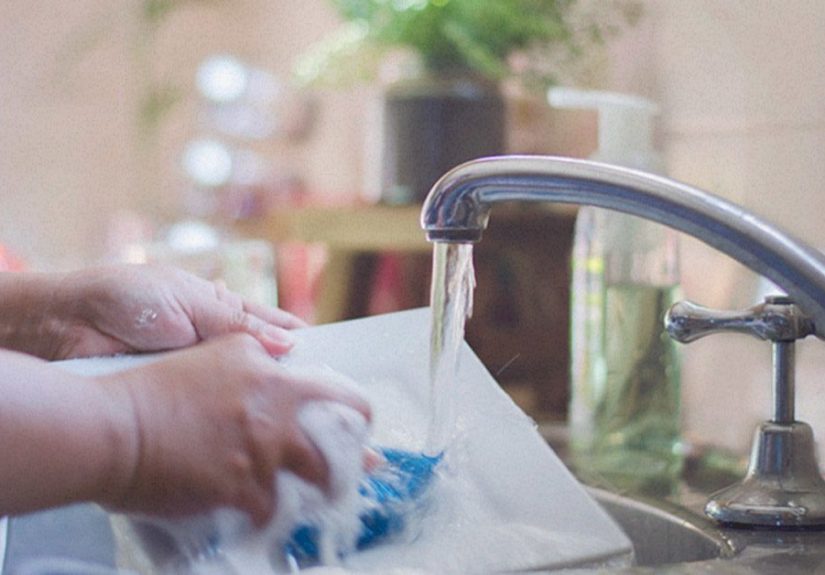
In the kitchen, Castile soap is genuinely useful. A small amount on a sponge can clean plates, mugs, and lightly greasy pans. It rinses best when used sparingly. If you use too much, dishes can feel slick or filmy, especially in hard water. For counters, a diluted spray works well for crumbs, fingerprints, coffee rings, and general “how did sauce get over here?” mysteries. It leaves the kitchen smelling clean without the intense chemical cloud some sprays create.
In the bathroom, Castile soap is great for routine cleaning. It handles toothpaste splatter, sink grime, and bathtub residue from regular use. It is less impressive on heavy mineral deposits or stubborn soap scum, where vinegar or a dedicated bathroom cleaner may be more effective. The important lesson is not to mix everything together in one bottle. Castile soap and vinegar may both be cleaning favorites, but together they make a weird cloudy mixture that feels like a kitchen experiment gone emotionally wrong.
As a body wash, Castile soap can be pleasant when diluted or used in very small amounts. Unscented versions are the safest choice for people who do not want fragrance. Peppermint versions can feel refreshing, but they can also feel too intense on sensitive areas of skin. This is one of those “learn from other people’s mistakes” moments. Strongly scented Castile soap is better introduced slowly and cautiously, not used like a full-body snowstorm.
For hair, the experience is more divided. Some people love the simple, clean feeling. Others notice tangles, dryness, or a waxy texture, especially if they have hard water or color-treated hair. It works better as an occasional clarifying wash than as a daily shampoo for many users. Conditioner is not optional unless your hair naturally behaves like a silk commercial.
The best real-life use may be makeup brush cleaning. Castile soap removes foundation, concealer, and powder buildup quickly without needing a specialized brush shampoo. A drop in warm water, a gentle swirl, and a thorough rinse can make brushes look almost new. Just avoid soaking the handle or ferrule, because brush glue does not enjoy spa day.
Overall, Castile soap earns its reputation as a practical, flexible product. It can reduce clutter, save money, and handle many everyday jobs. But the best results come from respecting its limits: dilute it, rinse well, test surfaces first, avoid mixing it with acids, and do not expect it to disinfect or replace every personal-care product. Treat it like a powerful concentrate, not a miracle potion, and it becomes one of the most useful bottles in the house.
Conclusion
So, is Castile soap the miracle cleaning and beauty product you need? It depends on what you mean by miracle. If you want one plant-based, concentrated product that can clean your hands, body, counters, sinks, makeup brushes, dishes, and floors, Castile soap absolutely deserves attention. It is affordable, flexible, and surprisingly effective when diluted correctly.
But if you expect it to disinfect, moisturize, shampoo perfectly, remove every stain, work on every surface, and make your home smell like a luxury spa without any learning curve, you may be disappointed. Castile soap is not a miracle. It is something better: a genuinely useful product with simple chemistry, many practical applications, and a few rules worth following.
Use it wisely, and Castile soap can become the quiet MVP of your cleaning and beauty routine. Use it recklessly, and you may end up with residue, dry skin, or a spray bottle full of vinegar-soap cottage cheese. Choose the first path. Your counters, brushes, and common sense will thank you.