Table of Contents >> Show >> Hide
- Introduction: The Small Object That Makes Fire Feel Civilized
- What Is a Match Strike & Keeper?
- Strike-Anywhere Matches vs. Safety Matches
- The Design Appeal of Match Strike & Keeper Accessories
- Where to Use a Match Strike & Keeper
- Safety Tips for Using a Match Strike & Keeper
- How to Style a Match Strike & Keeper
- Buying Guide: What to Look For
- DIY Match Keeper Ideas
- Experience Section: Living With a Match Strike & Keeper
- Conclusion: A Tiny Tool With Big Atmosphere
- SEO Tags
Note: This article is written for readers interested in home décor, fireplace accessories, candle rituals, match storage, and safe everyday use of a match strike and keeper.
Introduction: The Small Object That Makes Fire Feel Civilized
A match strike and keeper is one of those tiny home objects that quietly says, “Yes, I have my life together,” even if your laundry chair currently looks like a fabric mountain range. At its simplest, it is a container that holds matches and provides a surface for striking them. At its best, it is part tool, part sculpture, part ritual starter, and part reminder that everyday objects can be both useful and beautiful.
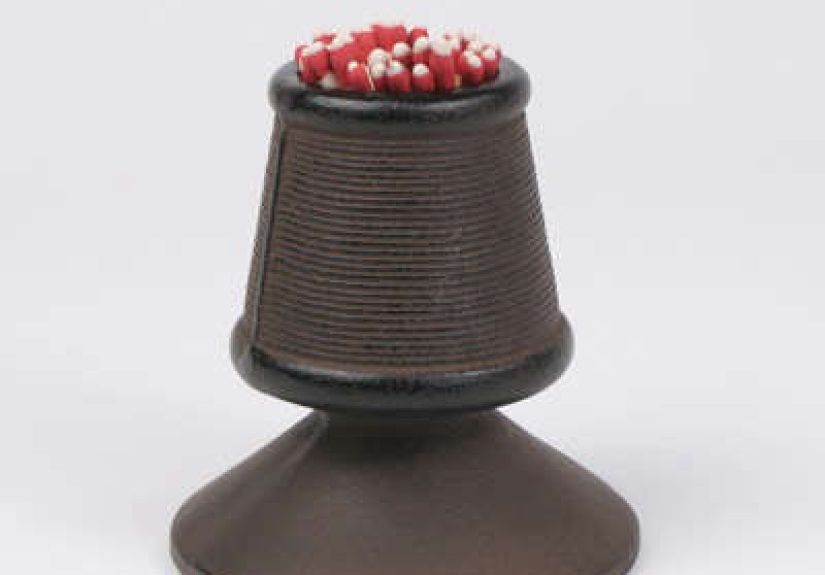
The phrase “Match Strike & Keeper” commonly refers to a decorative match holder with an integrated striker surface. One notable version was a Japanese-designed cast iron piece finished with traditional urushi lacquer, made to hold household wooden matches and sit near a fireplace mantel. It was compact, sturdy, sculptural, and intentionally designed for strike-anywhere matches rather than regular safety matches. That distinction matters more than most people think, because not every match will light on every striker.
In a world of electric lighters, rechargeable gadgets, and smart-home everything, why would anyone care about a match keeper? Because lighting a candle or fireplace with a wooden match still feels wonderfully analog. It slows the moment down. The soft scratch, the sudden flare, the brief sulfur scent, and the warm flame all create a ritual that a plastic utility lighter simply cannot match. Pun absolutely intended, and I refuse to apologize.
What Is a Match Strike & Keeper?
A match strike and keeper combines two functions: match storage and match ignition. The “keeper” portion is the cup, jar, tin, bowl, or vessel that stores the matches. The “strike” portion is the textured or chemically prepared area where the match is dragged to create enough friction and heat to ignite.
The Basic Anatomy
Most match keepers include three essential parts:
- A storage vessel: This holds wooden matches upright or loosely inside a container.
- A strike surface: This may be rough ceramic, cast iron texture, sandpaper-like material, or an attached safety-match striker pad.
- A stable base: A good match keeper should not tip over easily, especially if it is placed near candles, a fireplace, or a tabletop display.
Materials vary widely. You will find match strikers made from ceramic, glass, metal, stoneware, brass, concrete, cast iron, and even repurposed jars. Some are rustic and farmhouse-friendly. Others look like they escaped from an architectural design studio wearing a tiny black turtleneck.
Why the Keeper Matters
A matchbox works fine, of course. Nobody is accusing cardboard of failing civilization. But a match keeper adds order, visibility, and style. It keeps matches from disappearing into drawers, getting bent, or absorbing moisture. It also turns a practical object into a decorative accent, especially when displayed beside candles, a hearth, incense, lanterns, or a fire pit setup.
Strike-Anywhere Matches vs. Safety Matches
The most important thing to know about a decorative match striker is that the match type matters. Some strikers only work with strike-anywhere wooden matches. Others work only with safety matches because they include a special striker pad, usually cut from or designed like the side of a matchbox.
How Safety Matches Work
Safety matches are designed so that the match head and the striker surface each contain different parts of the ignition system. The match head usually contains an oxidizing agent and fuel, while the striking strip contains red phosphorus and abrasive material. When the match is rubbed against the strip, friction helps trigger the reaction. That is why safety matches usually refuse to light on random rough surfaces. They are not being dramatic; they simply need their chemical partner.
How Strike-Anywhere Matches Work
Strike-anywhere matches contain the necessary ignition chemistry in the match head itself, allowing them to light on many rough surfaces. That is why a cast iron or unglazed ceramic striker can work beautifully with strike-anywhere matches but do absolutely nothing with safety matches except create disappointment and possibly a tiny shower of wood dust.
Why This Matters for a Match Strike & Keeper
If your match strike and keeper has a rough textured surface but no chemical striker pad, it probably needs strike-anywhere matches. If it has an attached strip that looks like the side of a matchbox, safety matches may work. Before buying or using one, check the product description carefully. The right match makes the experience smooth; the wrong match makes you look like you are trying to start a fire with optimism alone.
The Design Appeal of Match Strike & Keeper Accessories
The best match strike and keeper designs succeed because they understand one simple truth: useful objects deserve to be seen. A match holder is not just storage. It is a tiny stage for the ritual of lighting something warm.
Cast Iron: Weight, Texture, and Permanence
Cast iron is a particularly fitting material for a match keeper. It has visual weight, physical stability, and a rugged texture that pairs naturally with fireplaces, hearths, cabins, and rustic interiors. A cast iron match striker can look equally at home beside a stack of firewood or on a modern mantel with sculptural candles.
Its weight helps prevent tipping, which is important when the object is used near flame. The texture can also contribute to the striking action when used with compatible matches. A good cast iron match keeper feels permanent, as though it has already survived three generations, one snowstorm, and at least one family argument about thermostat settings.
Japanese Influence and Urushi Lacquer
Some high-design match keepers draw from Japanese craft traditions, including the use of urushi lacquer. Urushi is a traditional lacquer made from tree sap and valued for its durability, depth, and protective finish. When applied to metal, it can help create a refined surface treatment while adding visual richness. On a cast iron match strike and keeper, this kind of finish gives the object a quiet elegance: practical, dark, tactile, and beautifully understated.
Ceramic and Stoneware Match Holders
Ceramic match strikers are popular because unglazed clay or textured ceramic can provide a striking surface for strike-anywhere matches. They also offer huge variety in color, form, and personality. Some are minimalist cylinders. Some are wavy handmade cups. Some look like mushrooms, birds, tiny vases, or objects that clearly went to art school and came back with opinions.
Glass Match Cloches
Glass match cloches have become a favorite for candle lovers. They usually feature long matches stored under a clear glass dome, often with a striker strip attached to the bottom. Their appeal is visual: colorful match tips become part of the décor. They are especially popular for coffee tables, bathrooms, bedside trays, and gift sets.
Where to Use a Match Strike & Keeper
A match strike and keeper works best where fire is intentionally used and safely managed. Placement should be convenient, attractive, and sensible. In other words, it should look good without turning your home into a tiny obstacle course of flammable decisions.
On the Fireplace Mantel
The mantel is the classic location. A match keeper near the fireplace makes practical sense, especially during colder months. It pairs well with fireplace tools, a log basket, brass accents, stone décor, or a framed mirror. For safety, keep the matches far enough from open flame, heat, and curious children.
Beside Candle Displays
If you regularly light taper candles, pillar candles, scented candles, or religious candles, a decorative match holder can make the setup feel complete. Place it on a heat-resistant tray with a candle snuffer and wick trimmer. Suddenly, your candle routine looks intentional instead of “I found these matches in the junk drawer next to a dead battery.”
In the Kitchen or Dining Room
Match keepers can be useful for lighting dinner candles, birthday candles, or gas appliances that require manual ignition. However, avoid storing matches too close to stovetops, ovens, or wet sinks. Heat and moisture are the enemies of both safety and reliable match performance.
Near Outdoor Living Areas
A match keeper can be helpful near covered patios, fire pits, and outdoor dining areas, but it should be protected from rain and humidity. Damp matches are about as useful as a chocolate teapot. Store them indoors or in a weather-resistant container when not in use.
Safety Tips for Using a Match Strike & Keeper
A match strike and keeper is beautiful, but it is still connected to fire. That means style should always shake hands with common sense before entering the room.
Keep Matches Away From Children and Pets
Matches and lighters should be stored out of children’s reach, ideally in a locked or high cabinet if children live in or frequently visit the home. A decorative match keeper on a low coffee table may look charming, but if toddlers are nearby, charm loses the argument.
Never Leave a Flame Unattended
Whether you are lighting a candle, fireplace, incense stick, or lantern, never leave an open flame unattended. Blow out candles before leaving the room or going to bed. This is not the exciting part of home décor, but it is the part that keeps the home standing.
Use a Heat-Resistant Surface
Place candles and match accessories on stable, heat-resistant surfaces. Metal, stone, ceramic, and glass trays are better choices than paper, fabric, or unfinished wood. If your match keeper includes a place for spent matches, use it. If not, let used matches cool completely before disposal.
Do Not Mix Match Types Carelessly
Use the match type recommended for your striker. If the product says it only works with strike-anywhere matches, do not expect safety matches to perform. If it uses a matchbox-style striker strip, replace that strip when it wears out.
Keep the Striker Dry
Moisture can make matches harder to light and can damage striker surfaces. Bathrooms may look lovely with candles and match cloches, but they are humid spaces. If you keep matches there, use a covered container and replace damp matches promptly.
How to Style a Match Strike & Keeper
The secret to styling a match keeper is to treat it like a small sculpture with a job. It should belong to a scene, not look abandoned.
Create a Candle Ritual Tray
Place a match keeper, candle snuffer, wick trimmer, and one or two candles on a tray. This works beautifully on coffee tables, consoles, bathroom counters, and bedside tables. Choose materials that complement each other: brass with warm wood, black iron with stone, white ceramic with linen, or clear glass with colorful matches.
Pair It With Fireplace Tools
For a fireplace, pair a cast iron match keeper with a log holder, hearth brush, and fire screen. The result feels grounded and practical. It also prevents the common winter ritual of searching for matches while wearing socks, holding kindling, and questioning every life choice that led to that moment.
Use Colorful Matches for Visual Interest
Long matches with colored tips can add a playful touch. Black, white, red, green, pink, and natural wood matchsticks all create different moods. For minimalist spaces, neutral matches look calm. For maximalist interiors, colorful matches bring a tiny pop of joy.
Match the Material to the Room
Use cast iron or blackened metal for rustic, industrial, or Japanese-inspired interiors. Use ceramic for handmade, cottage, coastal, or organic modern spaces. Use glass for polished, giftable, or feminine styling. Use brass when you want the room to whisper, “I own a good cheese knife.”
Buying Guide: What to Look For
Before choosing a match strike and keeper, consider how you will actually use it. A beautiful object that does not fit your matches, space, or routine will become clutter with better posture.
1. Match Compatibility
Check whether the striker works with strike-anywhere matches, safety matches, or both. This is the most important feature. If the seller does not specify, ask before buying.
2. Stability
Choose a holder with enough weight and balance to avoid tipping. This is especially important for tall matches, fireplace matches, or homes with pets who believe every object exists for their personal investigation.
3. Material Quality
Cast iron, stoneware, thick glass, and well-fired ceramic tend to feel more durable than lightweight decorative containers. If the piece includes an adhesive striker pad, check whether replacement pads are available.
4. Capacity
Small holders are great for occasional candle lighting. Larger keepers are better for fireplaces, fire pits, and frequent use. Long fireplace matches need a taller container; short matches can fit in compact cups or jars.
5. Easy Cleaning
Match dust, ash, and spent sticks can make a holder messy over time. Choose a design that is easy to empty and wipe clean. A removable tray for used matches is a bonus.
DIY Match Keeper Ideas
If you enjoy simple projects, you can make a match keeper from a small jar, ceramic cup, vintage tin, or thrifted vessel. Add a striker strip from a matchbox to the side, bottom, or lid. For safety matches, use an actual safety-match striker surface rather than random sandpaper, because many safety matches need the chemical strip to ignite properly.
Good DIY containers include spice jars, candle jars, small apothecary bottles, espresso cups, ceramic tumblers, and metal tins. Clean the container thoroughly, dry it completely, add matches, and attach the striker in a place that is easy to use but protected from heavy wear.
For a gift, pair the match keeper with a quality candle, a wick trimmer, and a handwritten note. It is simple, affordable, and far more charming than panic-buying a mug that says “Live Laugh Love” in a font that has committed several design crimes.
Experience Section: Living With a Match Strike & Keeper
Using a match strike and keeper changes a small daily action into a more satisfying ritual. The first thing you notice is convenience. Instead of hunting through a drawer for a half-crushed matchbox, the matches are exactly where you need them. If you light candles after dinner, start a fireplace on cold evenings, or use incense during quiet reading time, that convenience becomes surprisingly meaningful.
The second thing you notice is atmosphere. A match keeper gives the act of lighting a candle a sense of intention. You pick up a wooden match, strike it, pause for the flame to steady, and bring it to the wick. It takes only a few seconds, but those seconds feel calm and deliberate. A lighter gets the job done, but a match creates a moment. It is the difference between microwaving coffee and pouring it into your favorite mug. Both contain caffeine; only one feels like you have chosen peace.
In a living room, a cast iron match keeper near the fireplace becomes part of the winter rhythm. It sits quietly on the mantel or hearth, ready for use, visually connected to firewood, stone, tools, and warm light. Guests often notice it because it looks purposeful. They may not know exactly what it is at first, which gives you the rare adult pleasure of explaining a household object without sounding like you bought it at 2 a.m. during an online shopping spiral.
For candle lovers, the experience is even more practical. A match keeper beside a candle tray keeps the setup tidy. Add a snuffer and wick trimmer, and suddenly candle care becomes easier and cleaner. Trimming the wick before lighting helps reduce smoke and uneven burning. Using a snuffer helps avoid wax splatter. Letting spent matches cool before disposal keeps the whole routine safer. The match keeper acts as the anchor for all of these habits.
There are also lessons learned through use. First, match compatibility matters. A rough ceramic or cast iron surface may look ready for action, but if you use safety matches on it, nothing may happen. Strike-anywhere matches are usually required for rough-surface strikers. Second, moisture is the enemy. Matches stored in a steamy bathroom can become unreliable. Third, placement matters. A match keeper should be easy for adults to reach but not accessible to children or pets.
Over time, the object develops a quiet personality. A ceramic holder may collect tiny strike marks. A cast iron piece may gain subtle wear. A glass cloche may turn colorful matchsticks into decoration. These small signs of use are part of the appeal. Unlike disposable matchboxes, a match strike and keeper feels permanent. It belongs to the room.
The best experience comes when the object fits your actual life. If you rarely light candles or fires, a small decorative match holder is enough. If you use a fireplace often, choose a heavier keeper and longer matches. If you love hosting dinners, keep one near your dining candles. If you enjoy handmade décor, choose pottery. If your style is minimal and dramatic, cast iron is hard to beat. A good match keeper does not need to shout. It simply needs to work, look good, and make a tiny everyday ritual feel a little more special.
Conclusion: A Tiny Tool With Big Atmosphere
A Match Strike & Keeper is proof that practical objects do not have to be boring. It stores matches, provides a striking surface, supports candle and fireplace rituals, and adds sculptural charm to the home. Whether made from cast iron, ceramic, glass, or metal, the best match keeper balances beauty with function.
The key is choosing the right design for your needs. Check match compatibility, prioritize stability, keep fire safety in mind, and place the keeper where it is useful but responsible. Used well, this small accessory brings warmth, order, and a little old-school magic to modern living. It may not change your entire home, but it will make lighting a candle feel betterand honestly, that is a pretty good spark.