Table of Contents >> Show >> Hide
- Who Is Zachary Willmore?
- How Zachary Became Homecoming Queen
- Why the Moment Mattered
- The Role of Style, Confidence, and Self-Expression
- Support, Backlash, and the Internet Being the Internet
- What His Classmates’ Vote Really Said
- How the Story Fits Into a Larger Shift in School Traditions
- Where Zachary Willmore’s Story Went After Homecoming
- Lessons From Zachary Willmore’s Homecoming Queen Moment
- Experiences Related to Zachary Willmore’s Story: What This Moment Feels Like in Real Life
- Conclusion: More Than a Crown
Note: This article is based on publicly available reporting and school-community context. It is written for web publication in standard American English, with SEO tags included at the end in JSON format.
Homecoming is supposed to be full of sparkle, school spirit, awkward photos, and at least one person discovering that high heels on football turf are a bold engineering challenge. But in 2021, Zachary Willmore turned a familiar American high school tradition into something much bigger than a crown, a sash, and a bouquet of yellow roses. As a senior at Rock Bridge High School in Columbia, Missouri, he became the school’s first male student to be crowned homecoming queen, and public reporting later described him as Missouri’s first male homecoming queen as well.
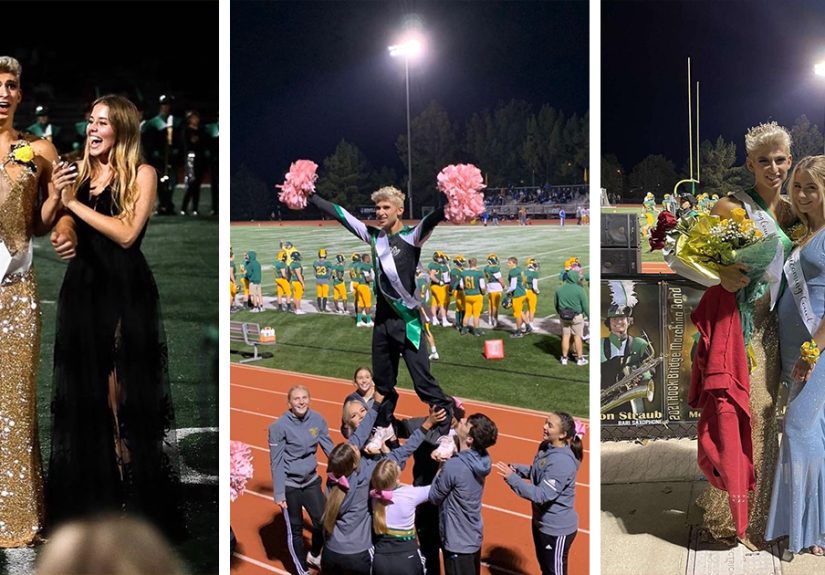
That moment did not become viral simply because it was unusual. It caught people’s attention because it was joyful, glamorous, and wonderfully impossible to ignore. Zachary stepped onto the football field wearing a glittering gold gown, a sash, and the kind of confidence that makes stadium lights look like backup dancers. When his name was announced, classmates cheered, teammates celebrated, and social media did what social media does best: launched the story into every corner of the internet before anyone could even finish saying “homecoming royalty.”
At its heart, Zachary Willmore’s homecoming queen story is not just about gender, tradition, or viral fame. It is about what happens when a school community votes for someone because they see him, support him, and genuinely like the energy he brings into the room. In a culture where high school can sometimes feel like a daily audition for acceptance, Zachary’s win showed that authenticity can be more powerful than fitting neatly into the old script.
Who Is Zachary Willmore?
Zachary Willmore was a senior at Rock Bridge High School when his homecoming win made headlines. He was already known around school as a varsity cheerleader, a stylish student, and a TikTok creator with a growing audience. Long before the crown, he had built a reputation for being expressive, funny, fashion-forward, and willing to challenge rules that felt outdated or unfair.
His social media presence played a major role in the story. Zachary used TikTok not only for humor and personality-driven videos but also to talk about self-expression, school dress codes, and what it feels like when clothing rules seem to target students who do not dress in traditionally masculine or feminine ways. In other words, he was not just showing outfits; he was raising questions. And sometimes, the best question is asked while wearing something fabulous.
Public profiles of Zachary described him as openly gay and deeply connected to conversations about LGBTQ+ visibility. Still, reducing him to one label would miss the point. He is a student, a performer, a creator, a fashion lover, and someone who understood that high school traditions are not carved into stone tablets. They are built by communities, and communities can evolve.
How Zachary Became Homecoming Queen
The story began with a simple but very 2020s kind of decision: Zachary asked his followers whether he should run for homecoming king or homecoming queen. According to public interviews, the answer leaned toward queen because, as the logic went, “queen” would simply look prettier on the sash. Honestly, that is difficult to argue with. Some decisions are political. Some are historic. Some are bothand also very fashion-conscious.
Zachary chose to run for homecoming queen, and his classmates voted for him. At Rock Bridge High School’s homecoming football game in October 2021, he walked onto the field with the homecoming court. Wearing a sparkling gold gown, he stood under the lights as the crowd waited for the announcement. When his name was called, the stadium erupted.
The celebration was not quiet, subtle, or polite in the way adults sometimes expect “historic moments” to behave. It was loud. It was emotional. It was teenage joy at full volume. Cheerleaders rushed to congratulate him, students shouted, cameras recorded, and Zachary accepted the crown with a visible mix of shock and happiness. The video spread quickly on TikTok, YouTube, X, and news sites, turning a local Missouri homecoming ceremony into a national conversation.
Why the Moment Mattered
Homecoming queen and homecoming king titles have traditionally been tied to gender. In many schools, students vote for a senior girl as queen and a senior boy as king. But traditions are not valuable only because they are old. They are valuable when they bring people together, make students feel seen, and reflect the community as it actually exists.
Zachary’s win mattered because it showed that his classmates were willing to celebrate him outside the usual categories. They did not treat the crown as a museum artifact that could only be handled one way. They treated it as a symbol of school spirit, popularity, and community affection. That distinction matters. He was not crowned because people wanted a controversy. He was crowned because students voted for him.
In later interviews, Zachary explained that critics sometimes accused him of taking an opportunity away from a female student. But public reporting clarified that the school’s process involved one winner, and the title could be chosen based on the candidate. In other words, this was not a case of someone barging into a category where he did not belong. It was a case of students choosing their representative and Zachary choosing the title that felt right for the moment.
The Role of Style, Confidence, and Self-Expression
Fashion was not a side character in Zachary Willmore’s homecoming queen story. It was center stage, holding a bouquet and sparkling under stadium lights. His gold gown became part of the viral image because it visually captured the spirit of the moment: bold, celebratory, and impossible to shrink down into someone else’s comfort zone.
For Zachary, clothing had already been connected to a larger conversation about school dress codes. He had spoken publicly about feeling targeted when teachers or staff decided certain outfits were inappropriate. His advocacy pushed people to consider whether dress codes were being applied evenly or whether they sometimes punished students for expressing gender in ways adults did not expect.
This is where the story becomes bigger than one outfit. Dress codes can seem like boring paperwork until you are the student being sent to the office because your clothes make someone uncomfortable. Zachary’s visibility helped spark discussion about making school rules more modern, fair, and inclusive. A dress code should help students learn in a safe environment. It should not become a daily personality eraser.
Support, Backlash, and the Internet Being the Internet
After the video of Zachary’s crowning went viral, he received a huge amount of support. Many people praised his courage, his joy, and the students who voted for him. For LGBTQ+ students and others who have felt boxed in by gender expectations, the moment looked like proof that acceptance can happen in unexpected placeseven in a state often described as politically conservative.
But the internet rarely sends flowers without also tossing a few weeds. Zachary also faced criticism and hateful comments. His TikTok account was reportedly banned for a short period after users reported it, and later coverage described serious backlash after the story resurfaced. In 2025, renewed viral attention around his 2021 crowning created another wave of commentary, including concerns about AI-generated posts and altered images that made the old story look new or distorted.
That part of the story is a reminder that visibility can be powerful but not always easy. When someone becomes a symbol, strangers often forget there is a real person behind the headline. Zachary’s response over the years has been to keep showing up as himself. That kind of resilience is not built from glitter alone, though glitter certainly helps morale.
What His Classmates’ Vote Really Said
One of the most meaningful details in Zachary Willmore’s story is that the win came from his classmates. A homecoming crown is not a government appointment, a corporate promotion, or a carefully managed public relations award. It is a student vote. That means the people who saw Zachary in hallways, classrooms, practices, and school events chose him.
For many readers, that is the real headline. His peers did not merely tolerate him. They celebrated him. They saw someone who brought personality, humor, courage, and energy to the school community. In the crowded theater of high school life, where everyone is trying to find their seat, Zachary’s classmates effectively said, “You belong here, and yes, you get the sparkly sash.”
That message can be especially meaningful for young people who feel different. Not every student has a viral homecoming moment, and not every school is ready to cheer this loudly. But stories like Zachary’s can help widen the imagination of what acceptance looks like. Sometimes inclusion is a policy change. Sometimes it is a classroom conversation. Sometimes it is a football field full of teenagers screaming because the person they voted for just won.
How the Story Fits Into a Larger Shift in School Traditions
Across the United States, many schools have been rethinking homecoming courts, prom titles, dress codes, and gendered traditions. Some schools now use titles like “homecoming royalty” instead of king and queen. Others allow students to choose the title that best fits them. These changes do not erase tradition; they update it so more students can participate without feeling like they must squeeze themselves into someone else’s costume.
Zachary’s win is part of that broader cultural shift. His story shows that students often understand inclusion faster than institutions do. Adults may need committee meetings, policy drafts, and three separate emails titled “Re: Re: Re: Homecoming Guidelines.” Students, meanwhile, may simply vote for the person who makes their school feel more alive.
This does not mean every school will handle homecoming in the same way. Local traditions vary widely, and communities move at different speeds. But Zachary Willmore’s story gives schools a useful example: tradition can be joyful and flexible at the same time. A crown does not lose meaning because more people can imagine themselves wearing it. If anything, it becomes more meaningful.
Where Zachary Willmore’s Story Went After Homecoming
After high school, Zachary continued to grow as a social media creator. Public reporting later described him as a student at San Diego State University and a TikTok influencer with more than two million followers. His content expanded beyond fashion and humor into topics such as LGBTQ+ issues, stigma, self-confidence, and personal growth.
He has also been open in public interviews about living with HIV and using his platform to reduce stigma. That part of his story is not the focus of his homecoming win, but it does show a consistent pattern: Zachary has used visibility to make difficult conversations more human. Whether the topic is a sash, a dress code, a fraternity, or health stigma, his public voice often comes back to the same themepeople deserve to live openly without being treated like a headline first and a human being second.
That is why the homecoming queen moment still matters years later. It was not a random viral clip that disappeared after one news cycle. It became a chapter in a larger story about identity, courage, and the way young people use social platforms to challenge assumptions.
Lessons From Zachary Willmore’s Homecoming Queen Moment
1. Representation Can Happen Anywhere
Zachary’s win happened in Missouri, not on a Hollywood stage or at a national awards show. That matters because it reminds readers that cultural change is not limited to big coastal cities or celebrity spaces. A local high school football field can become the setting for a moment people remember years later.
2. Tradition Is Stronger When It Includes More People
Some people worry that changing traditions weakens them. Zachary’s story suggests the opposite. When students feel represented, homecoming becomes more relevant, not less. The crown still sparkled. The crowd still cheered. The school spirit did not collapse into a pile of confetti. It grew.
3. Confidence Is Contagious
Zachary’s confidence gave other students permission to imagine their own authenticity. Confidence does not mean never feeling nervous. It means stepping forward anyway, even when the spotlight is bright and the comments section is warming up its worst opinions.
4. Online Fame Can Amplify Both Support and Criticism
The internet helped Zachary’s story reach millions, but it also brought backlash. That dual reality is important for any young creator. Viral attention can open doors, but it also requires boundaries, support systems, and the ability to remember that strangers online do not get the final vote on your worth.
Experiences Related to Zachary Willmore’s Story: What This Moment Feels Like in Real Life
For many students, Zachary Willmore’s homecoming queen story feels personal because high school is often where people first learn how expensive authenticity can feel. You may want to wear something different, join an activity that does not match stereotypes, ask to be called by a name that feels more like you, or simply walk through the hallway without becoming the day’s main topic. That can be scary, especially when every cafeteria table seems to come with its own invisible court of public opinion.
Imagine a student who loves fashion but keeps a favorite outfit hidden in the closet because they are worried classmates will laugh. Then they see Zachary standing on a football field in a gold gown while his peers cheer. That image does not magically solve every problem, but it can plant a thought: “Maybe I do not have to disappear to be safe. Maybe being myself is possible.” For teenagers, that thought can be life-changing.
Another experience connected to this topic is the feeling of being supported by friends at exactly the right moment. Zachary’s crowning was not a solo performance. His escort, teammates, classmates, and cheering crowd helped turn the moment into a celebration. In real school life, support often looks smaller but feels just as powerful. It might be a friend walking with you when you wear something bold for the first time. It might be a teacher correcting someone who makes a rude comment. It might be classmates voting for you because they admire your courage, not because you fit an old category perfectly.
There is also the experience of backlash, which should not be ignored. Anyone who challenges expectations may face criticism. People may say the moment is “too much,” “attention-seeking,” or “not traditional.” But those phrases often appear whenever someone expands the room for others. Zachary’s story shows that criticism does not automatically mean you did something wrong. Sometimes it means you touched a nerve that needed touching.
For schools, the experience offers a practical lesson. Inclusion is not only about posters during awareness month or slogans in student handbooks. It is about what happens when a real student asks to participate in a real tradition in a way that feels authentic. Does the school listen? Do classmates respond with respect? Do adults protect the student’s dignity? These moments reveal the true culture of a campus.
For parents and educators, Zachary’s story is also a reminder to look beyond the headline. A homecoming crown might seem like a small thing to adults juggling bills, schedules, and emails with too many exclamation points. But to a teenager, being seen by peers can feel enormous. It can become a memory they carry for life. When students are celebrated for who they are, they do not just win a title. They gain evidence that belonging is possible.
Finally, for anyone reading this who feels different, Zachary Willmore’s story offers a hopeful but realistic message. You do not need a viral video to matter. You do not need millions of followers to be brave. You do not even need a gold gown, although, again, the gown was doing excellent work. The deeper lesson is that authenticity has ripple effects. One person being visible can make another person feel less alone. One student challenging a rule can start a better conversation. One crown can become more than a crown.
Conclusion: More Than a Crown
Zachary Willmore’s homecoming queen moment became famous because it was visually unforgettable: the gold gown, the football field, the sash, the flowers, the cheers. But it stayed meaningful because it represented something deeper. It showed a student community choosing authenticity over outdated expectations. It showed that tradition can bend without breaking. It showed that a teenager from Missouri could become a symbol of courage simply by showing up as himself.
The story of Zachary Willmore, the first male homecoming queen at Rock Bridge High School and widely reported as Missouri’s first male homecoming queen, is not just a feel-good viral moment. It is a case study in representation, school culture, student voice, and the power of being celebrated rather than merely accepted. The crown was sparkly, yes. But the real shine came from what it meant: belonging, visibility, and a little reminder that sometimes the prettiest sash is also the bravest one.