Table of Contents >> Show >> Hide
- Why Cook Beets?
- How to Choose and Prep Beets
- How to Cook Beets 9 Different Ways
- Best Seasonings for Beets
- How to Store Cooked Beets
- Easy Ways to Serve Cooked Beets
- Common Beet Cooking Mistakes to Avoid
- Conclusion: The Best Way to Cook Beets Depends on Your Dinner Plan
- Kitchen Experience: What Cooking Beets Teaches You After a Few Rounds
- SEO Tags
Beets are the drama queens of the vegetable drawerin the best possible way. They are colorful, earthy, naturally sweet, surprisingly flexible, and absolutely committed to staining anything within a three-foot radius. But once you learn how to cook beets properly, they become one of the most useful vegetables in the kitchen. Roast them until candy-sweet, steam them for salads, grill them for smoky summer sides, or pressure-cook them when dinner is already giving you side-eye.
This guide covers how to cook beets nine different ways, including roasted beets, boiled beets, steamed beets, grilled beets, air-fried beets, microwaved beets, pressure-cooked beets, pan-roasted beets, and braised beets. You will also learn how to choose, prep, peel, season, store, and serve them without turning your kitchen into a beet-themed crime scene.
Why Cook Beets?
Raw beets have a crisp texture and a strong earthy flavor, but cooking softens their bite and brings out their natural sweetness. Heat transforms beets from “straight from the garden” to “silky, jewel-toned, and suspiciously fancy.” Cooked beets work beautifully in salads, grain bowls, soups, dips, sandwiches, side dishes, tacos, and even pasta sauces.
Beets are also practical. They can be cooked ahead, refrigerated, and used all week. Toss them with goat cheese and walnuts, layer them over hummus, blend them into a bright beet dip, or dice them into a lunch salad that looks like it came from a café charging $18 for “seasonal roots.”
How to Choose and Prep Beets
Choose firm, smooth beets
Look for beets that feel heavy for their size, with firm skin and no soft spots. Smaller and medium beets usually cook more evenly and tend to be sweeter. If the greens are attached, they should look fresh rather than limp. Bonus: beet greens are edible and can be sautéed like Swiss chard or spinach.
Trim, scrub, and save the greens
Before cooking, trim the leafy tops, leaving about one inch of stem attached. This helps reduce color bleeding while the beets cook. Scrub the roots well under running water to remove dirt. If the greens are fresh, wash them separately, dry them, and store them in a container or bag in the refrigerator.
Peel after cooking when possible
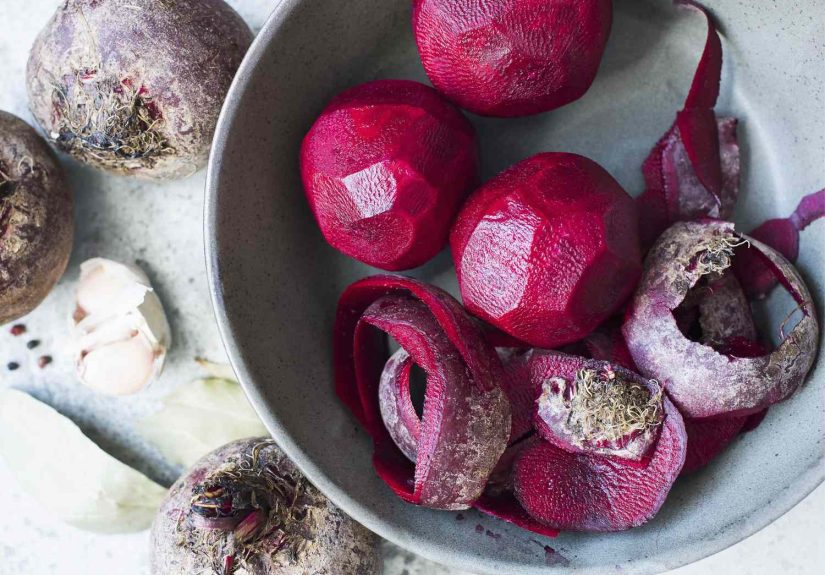
For many methods, the easiest way to peel beets is after cooking. Once tender and cool enough to handle, the skins often slip off with gentle rubbing. Use paper towels, gloves, or a dark kitchen towel unless you want pink fingers that say, “I have opinions about vegetables.”
How to Cook Beets 9 Different Ways
1. Whole Roasted Beets
Whole roasted beets are a classic for a reason. Roasting concentrates their sweetness while keeping the texture tender and rich. This is one of the best methods for salads, meal prep, and side dishes.
How to do it: Heat the oven to 375°F to 400°F. Place scrubbed, trimmed beets on a sheet of foil or parchment-lined foil. Drizzle with olive oil and sprinkle with salt. Wrap tightly into a packet and place on a baking sheet. Roast for 45 to 60 minutes, depending on size, until a knife slides easily into the center. Cool slightly, peel, then slice or dice.
Best for: beet salads, grain bowls, beet hummus, pasta, sandwiches, and meal prep.
2. Quick-Roasted Beet Wedges or Cubes
If whole roasted beets are the slow Sunday version, diced roasted beets are the weeknight shortcut. Cutting beets before roasting gives them more browned edges and a deeper caramelized flavor.
How to do it: Peel raw beets with a vegetable peeler, then cut them into 1-inch wedges or cubes. Toss with olive oil, salt, pepper, and optional herbs such as thyme or rosemary. Spread in a single layer on a parchment-lined baking sheet. Roast at 400°F to 425°F for 30 to 40 minutes, flipping halfway through.
Best for: sheet-pan dinners, warm vegetable sides, roasted beet tacos, and hearty winter salads.
3. Boiled Beets
Boiling is simple, reliable, and great when you want tender beets without turning on the oven. The trade-off is that some color and flavor can move into the cooking water, but the method is still useful, especially for large batches.
How to do it: Place scrubbed, trimmed beets in a pot and cover with water. Add a pinch of salt. Bring to a boil, then reduce to a steady simmer. Cook small beets for about 25 to 30 minutes and medium beets for about 40 to 50 minutes, or until tender. Drain, cool, peel, and slice.
Best for: chilled beet salads, quick side dishes, beet soup, and recipes where the beets will be dressed or blended.
4. Steamed Beets
Steaming is a gentle cooking method that helps beets stay juicy and flavorful. It is especially good if you want tender beets without diluting their flavor in a full pot of water.
How to do it: Add a few inches of water to a pot and set a steamer basket inside. Place scrubbed, trimmed beets in the basket, cover, and bring the water to a boil. Steam for 30 to 45 minutes, depending on size. Check with a fork or paring knife. When tender, cool and rub off the skins.
Best for: clean-flavored beets, salads, baby food-style purées, and simple side dishes with lemon and olive oil.
5. Microwaved Beets
The microwave is the hero method for anyone who wants cooked beets fast. It will not create the caramelized flavor of roasting, but it delivers tender beets in a fraction of the time.
How to do it: Place small or medium scrubbed beets in a microwave-safe dish with a few tablespoons of water. Cover with a microwave-safe lid or vented wrap. Microwave on high for 8 to 15 minutes, turning or stirring halfway through if cut. Let them rest for several minutes before peeling.
Best for: quick lunches, last-minute salads, and weeknight meals when the oven is busy or your patience has left the building.
6. Grilled Beets
Grilled beets are smoky, savory, and a little unexpected. They are excellent for cookouts because they pair well with grilled chicken, steak, fish, veggie burgers, and tangy sauces.
How to do it: For easier grilling, partially cook whole beets by steaming, boiling, or microwaving until just tender. Peel and slice into thick rounds or wedges. Brush with olive oil and season with salt and pepper. Grill over medium heat for 3 to 5 minutes per side until grill marks appear. Another option is to seal seasoned beet wedges in a foil packet and grill over indirect heat for 25 to 35 minutes, turning occasionally.
Best for: summer salads, smoky vegetable platters, grilled beet sandwiches, and barbecue side dishes.
7. Air-Fried Beets
Air-fried beets are perfect when you want roasted flavor without waiting for a full oven session. They develop lightly crisp edges while staying tender inside.
How to do it: Peel and cut beets into 1-inch cubes or wedges. Toss with olive oil, salt, pepper, and garlic powder if desired. Air fry at 375°F to 400°F for 18 to 25 minutes, shaking the basket halfway through. For whole beets, wrap them in foil and air fry longer, about 45 minutes to 1 hour depending on size.
Best for: fast vegetable sides, lunch bowls, crispy beet bites, and weeknight meal prep.
8. Pressure-Cooked Beets
Pressure cooking is one of the easiest ways to cook whole beets quickly while keeping them moist. It is especially handy when you have a large batch and do not want to babysit a pot.
How to do it: Place a trivet in the pressure cooker and add 1 cup of water. Set scrubbed, trimmed beets on the trivet. Cook on high pressure for 15 to 25 minutes for small to medium beets and longer for large ones. Let the pressure release naturally for about 10 minutes, then carefully release the rest. Cool and peel.
Best for: meal prep, large batches, salads, beet purée, and recipes where you want soft, evenly cooked beets.
9. Braised Beets
Braising gives beets a tender texture and infuses them with flavor as they cook. Instead of plain water, the beets simmer in a small amount of seasoned liquid, such as broth, orange juice, vinegar, or a mix of water and aromatics.
How to do it: Peel beets and cut them into wedges or thick slices. Place them in a skillet or saucepan with enough liquid to come about halfway up the vegetables. Add salt, pepper, a splash of vinegar, and optional aromatics such as garlic, bay leaf, thyme, or orange zest. Cover and simmer for 25 to 40 minutes until tender. Remove the lid near the end to reduce the liquid into a light glaze.
Best for: elegant side dishes, holiday meals, beet-and-citrus plates, and savory-sweet dinners.
Best Seasonings for Beets
Beets love contrast. Their natural sweetness works beautifully with acidity, salt, herbs, creamy ingredients, and crunchy toppings. If beets taste too earthy to you, add brightness. Lemon juice, orange zest, balsamic vinegar, apple cider vinegar, or red wine vinegar can make cooked beets taste cleaner and more balanced.
For savory flavor, try garlic, thyme, rosemary, dill, parsley, chives, cumin, coriander, smoked paprika, or black pepper. For creamy pairings, use goat cheese, feta, Greek yogurt, sour cream, labneh, or tahini sauce. For crunch, add walnuts, pistachios, hazelnuts, pumpkin seeds, or toasted breadcrumbs.
How to Store Cooked Beets
Cooked beets store well, which makes them ideal for meal prep. Let them cool completely, then refrigerate them in an airtight container for up to 4 or 5 days. Keep red beets away from delicate ingredients until serving unless you want everything to become pink. Golden beets are less dramatic, which is rude but convenient.
You can also freeze cooked beets. Slice or cube them, spread them on a baking sheet until firm, then transfer to freezer-safe bags or containers. Frozen cooked beets are best used in soups, smoothies, sauces, and blended dips because their texture softens after thawing.
Easy Ways to Serve Cooked Beets
Once you have cooked beets, the hard part is over. Slice roasted beets over arugula with goat cheese and walnuts. Dice steamed beets into quinoa with cucumber, herbs, and lemon vinaigrette. Blend boiled beets with chickpeas, tahini, garlic, and lemon for beet hummus. Toss grilled beet wedges with balsamic glaze and fresh basil. Add air-fried beets to a bowl with farro, avocado, and a jammy egg.
For a simple side dish, warm cooked beets in a skillet with butter or olive oil, a splash of vinegar, and a pinch of salt. Finish with fresh herbs. It tastes restaurant-worthy but requires about as much effort as locating a clean spoon.
Common Beet Cooking Mistakes to Avoid
Peeling too early
Peeling raw beets works for diced roasting or braising, but for whole roasted, boiled, steamed, or pressure-cooked beets, peeling after cooking is usually easier and cleaner.
Undercooking large beets
Large beets can look done on the outside while staying firm in the center. Always test the thickest part with a knife. If it resists, keep cooking.
Forgetting acidity
Beets need balance. A little vinegar or citrus can turn a flat, earthy beet into a bright, flavorful side dish.
Wearing your best white shirt
This is not a cooking mistake. This is a life lesson. Red beets are beautiful, but they have the artistic confidence of permanent marker.
Conclusion: The Best Way to Cook Beets Depends on Your Dinner Plan
If you want maximum sweetness, roast beets. If you want speed, microwave or pressure-cook them. If you want clean flavor, steam them. If you want smoky edges, grill them. If you want a fast side with crispy bits, air fry them. And if you want something elegant, braise them with citrus, vinegar, and herbs.
The best part about learning how to cook beets 9 different ways is that you can match the method to your mood. Beets can be rustic, fancy, quick, smoky, creamy, tangy, or meal-prep friendly. Once you understand the basic techniques, you will stop treating beets like mysterious purple rocks and start seeing them for what they are: sweet, colorful, versatile vegetables that deserve a regular spot in your kitchen.
Kitchen Experience: What Cooking Beets Teaches You After a Few Rounds
The first thing you learn from cooking beets is that confidence matters more than perfection. Beets can look intimidating when they are rawtough skin, muddy roots, leafy tops, and that deep red color that seems ready to redecorate your countertops without permission. But after cooking them a few times, the process becomes familiar. Scrub, trim, cook until tender, cool, peel, season. That is the rhythm. Once you know it, beets feel less like a project and more like a dependable ingredient.
Roasting whole beets is the method that feels most rewarding. The smell is gentle, the texture becomes velvety, and the flavor turns sweeter without needing much help. It is also forgiving. If the beets need another 10 minutes, nothing terrible happens. They just keep softening inside their little foil sauna. This method is perfect for weekends because you can roast a batch while doing other things, then use the beets for lunches during the week.
Boiling and steaming are the methods that teach practicality. They are not flashy, but they work. Boiled beets are excellent when you need a soft texture for soup or salad. Steamed beets taste a bit more concentrated and feel cleaner on the palate. The real trick is not to rush the cooling step. Warm beets are easier to peel than cold beets, but they should not be so hot that you regret every choice that led you to that moment.
Grilled beets bring the biggest surprise. Many people think of beets as a cold salad ingredient, but smoke and char make them taste deeper and more savory. Thick beet slices with olive oil, salt, pepper, and a little balsamic glaze can hold their own next to burgers, grilled chicken, or corn on the cob. If you have beet skeptics at the table, grilling is a strong opening argument.
The air fryer and microwave are the “real life is busy” methods. They are useful when you want vegetables but do not want to create a full production. Air-fried beets are especially satisfying because the edges become slightly crisp. Microwaved beets are more about speed than romance, but they get the job done. Not every dinner needs mood lighting; sometimes it just needs cooked vegetables before everyone starts eating crackers over the sink.
Braising beets feels the most chef-like. A splash of vinegar, orange juice, broth, garlic, and herbs can turn simple beet wedges into something glossy and deeply flavored. It is a great reminder that beets respond well to layers: fat, acid, salt, sweetness, herbs, and texture. Add toasted nuts or creamy cheese at the end, and suddenly the humble beet has entered its main-character era.
The biggest experience-based tip is this: cook more beets than you need. One beet is a side dish. Four beets are future salads, sandwich toppings, grain bowls, dips, and quick snacks. Cooked beets in the refrigerator make healthy meals easier because the most time-consuming step is already finished. Add them to arugula, lentils, rice, eggs, roasted carrots, or yogurt sauce, and they instantly make the plate look brighter and more intentional.
Finally, do not be afraid of the stains. Use a cutting board that can handle color, wear gloves if you care about pink fingers, and wipe surfaces quickly. A little beet juice is part of the experience. Think of it as the vegetable leaving an autograph.