Table of Contents >> Show >> Hide
- What Is Milk Thistle, Exactly?
- What Is Fatty Liver, and Why Does It Matter?
- So, Can Milk Thistle Help Fatty Liver?
- Why Milk Thistle Keeps Getting So Much Attention
- What Actually Helps Fatty Liver the Most
- Is Milk Thistle Safe?
- The Supplement Quality Problem Nobody Puts on the Label
- Who Should Definitely Talk to a Healthcare Professional First?
- How to Think About Milk Thistle Without Falling for Hype
- The Bottom Line
- Common Real-World Experiences With Milk Thistle and Fatty Liver
If you have fatty liver and you have wandered into the supplement aisle, you have probably met milk thistle. It sits there looking innocent, leafy, and vaguely heroic, as if one capsule might sweep into your liver like a tiny janitor with a mop. The real story is less cinematic, but a lot more useful.
Milk thistle has been used for centuries as an herbal remedy for liver complaints. Its best-known active compound, silymarin, has antioxidant and anti-inflammatory properties, which is why it keeps getting invited to the fatty liver conversation. The big question, though, is not whether milk thistle sounds promising. Plenty of things sound promising. The question is whether it actually helps people with fatty liver in a meaningful way.
Here is the honest answer: maybe a little for some people, but not enough to call it a proven treatment. Current evidence suggests milk thistle may support liver-related lab markers in some studies, yet it has not clearly shown that it can reliably reverse fatty liver, reduce inflammation, or stop scarring on its own. In other words, it is not magic, it is not a detox wand, and your liver would very much prefer steady habits over dramatic marketing claims.
What Is Milk Thistle, Exactly?
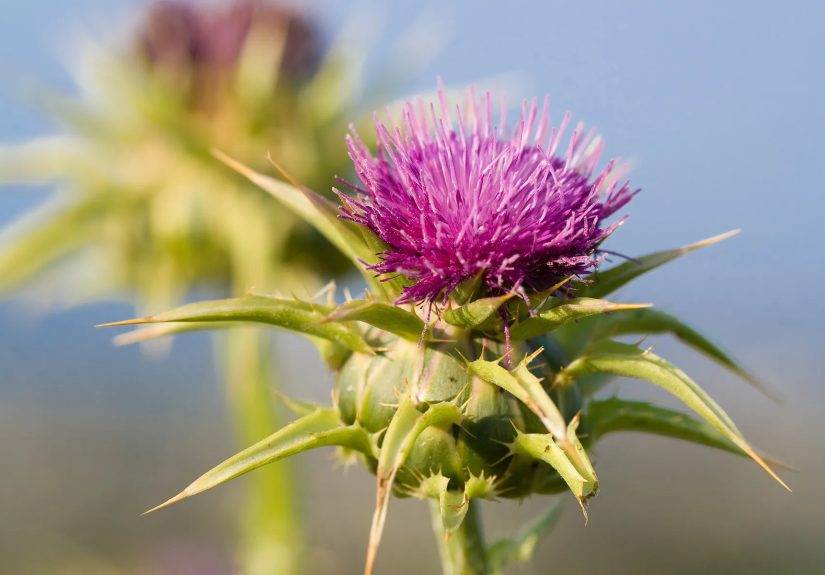
Milk thistle is an herbal supplement made from Silybum marianum. The ingredient most people care about is silymarin, a mixture of plant compounds that appears to act as an antioxidant. Researchers have long studied it because oxidative stress and inflammation play a role in many liver conditions, including fatty liver disease.
That scientific “maybe” is why milk thistle has stayed popular for years. People hear “antioxidant,” translate it to “liver shield,” and suddenly the bottle starts looking like a shortcut. Unfortunately, the human body is rude about shortcuts. Biology likes proof, not vibes.
What Is Fatty Liver, and Why Does It Matter?
Fatty liver disease happens when extra fat builds up in the liver. Today, many experts use the term MASLD, short for metabolic dysfunction-associated steatotic liver disease. You may also still hear the older term NAFLD, or nonalcoholic fatty liver disease. Same neighborhood, newer street signs.
For some people, fatty liver stays fairly mild. For others, it can progress to inflammation and liver cell injury, a more serious form called MASH, formerly known as NASH. Over time, that can lead to fibrosis, cirrhosis, liver cancer, and a long list of medical appointments nobody asked for.
Fatty liver is strongly linked with insulin resistance, type 2 diabetes, obesity, high triglycerides, sleep apnea, and other features of metabolic syndrome. That is why the condition is rarely about the liver alone. It is often part of a bigger health picture, which also explains why one herb usually cannot fix the whole puzzle.
So, Can Milk Thistle Help Fatty Liver?
The best answer is that milk thistle might help in a modest, supportive way for some people, but the evidence is mixed and not strong enough to treat it like a front-line therapy. Some smaller studies have suggested improvements in liver enzymes or oxidative stress markers. That sounds encouraging until you remember that better lab numbers do not always equal better long-term liver outcomes.
More rigorous trials have been less exciting. In high-quality research on chronic liver disease, including nonalcoholic steatohepatitis, silymarin did not clearly outperform placebo on the outcomes that matter most. That is why mainstream U.S. medical sources continue to describe the evidence as conflicting, limited, or insufficient to draw firm conclusions.
Where Milk Thistle May Have Some Appeal
Milk thistle remains appealing for a few understandable reasons. First, it is generally well tolerated by many adults when taken by mouth. Second, its antioxidant activity makes biological sense on paper. Third, when you have been told your liver is fatty, the temptation to “do something extra” is very real. Diet and exercise feel slow. A capsule feels active. A capsule also feels a lot less sweaty.
In fairness, some people do like milk thistle as part of a broader liver-health plan. They may feel reassured taking it, and some may see minor changes in bloodwork. But reassurance is not the same thing as reversal, and a small change in lab values is not the same as healing the disease process.
Where the Evidence Falls Short
The biggest problem is consistency. Different milk thistle products use different formulations, different doses, and different manufacturing standards. That makes study results hard to compare and real-world results even harder to predict. One bottle is not necessarily equivalent to another, which is awkward when the entire sales pitch depends on confidence.
Another issue is that fatty liver improves most reliably with weight loss, physical activity, better blood sugar control, healthier eating patterns, and management of cholesterol and blood pressure. When milk thistle is studied alongside those changes, it becomes hard to know how much credit the supplement deserves. Sometimes the herb gets the applause while lifestyle changes did all the heavy lifting backstage.
Why Milk Thistle Keeps Getting So Much Attention
Because fatty liver is common, often silent, and scary once you read about the complications, people naturally look for an easy add-on. Milk thistle fits the role perfectly. It is plant-based, familiar, and wrapped in decades of “liver support” language. It sounds gentle, which makes it easier to trust than a prescription you cannot pronounce.
There is also a marketing problem in liver care: the internet loves the idea of a cleanse. Your liver, however, is already the organ doing the cleansing. It does not need a spa day in a bottle. What it usually needs is less metabolic stress, less excess body fat, less alcohol, better sleep, and fewer sugar-bomb habits that make it work overtime.
What Actually Helps Fatty Liver the Most
If you want the least glamorous and most evidence-based answer, here it is: lifestyle changes still do the heavy lifting. For many people with fatty liver, gradual weight loss can reduce liver fat, and larger weight loss can improve inflammation and even fibrosis risk. Regular physical activity helps too, even if the scale moves slowly enough to test your patience.
A Mediterranean-style eating pattern often gets recommended because it emphasizes vegetables, fruit, beans, whole grains, nuts, fish, olive oil, and fewer ultra-processed foods. It is not trendy because it has great branding. It is trendy because it keeps showing up in real research and refuses to be useless.
Managing type 2 diabetes, cholesterol, triglycerides, and blood pressure also matters because fatty liver is tightly tied to metabolic health. For some adults with more advanced disease, especially MASH with liver scarring, prescription treatment may be appropriate under specialist guidance. That alone should tell you where milk thistle sits on the priority list: not at the top.
A Practical Example
Imagine two people with fatty liver. Person A starts milk thistle but changes nothing else. Same takeout, same inactivity, same “I will start Monday” energy. Person B does not rely on a supplement, but works on gradual weight loss, walks most days, cuts back on sugary drinks, and follows up with a clinician. Person B is far more likely to help their liver. That is not because herbs are evil. It is because fatty liver usually responds best to fixing the environment that created it.
Is Milk Thistle Safe?
For many adults, milk thistle appears to be reasonably well tolerated. The most common side effects are usually digestive, such as nausea, bloating, gas, or diarrhea. That said, “generally tolerated” is not the same as “safe for everyone.” Herbal products can still cause problems, especially when people assume that natural means harmless. Poison ivy would like a word.
Milk thistle may trigger allergic reactions in people who are sensitive to related plants such as ragweed, daisies, marigolds, and chrysanthemums. It may also interact with certain medications. People taking diabetes medications should be cautious because milk thistle may affect blood sugar. People taking drugs processed through certain liver enzymes, including some blood thinners, should also check with a clinician or pharmacist before using it.
Pregnant or breastfeeding people should be especially careful because safety data are limited. And if you already have significant liver disease, do not assume every supplement sold for “liver health” is a smart idea. Some supplements can actually injure the liver, and supplement quality in the U.S. market can vary more than most shoppers realize.
The Supplement Quality Problem Nobody Puts on the Label
This part matters. Dietary supplements are not approved by the FDA the same way prescription drugs are approved. Manufacturers are responsible for safety and labeling before products hit the market, but that does not mean every bottle has been rigorously tested for effectiveness, purity, or accurate ingredient amounts before sale.
That matters for milk thistle because studies have raised concerns about variable silymarin content and contamination in some products. So even if milk thistle does help a little in theory, the product you buy may not perfectly match the product used in a study. That is one more reason clinicians tend to sound cautious instead of dramatic.
Who Should Definitely Talk to a Healthcare Professional First?
You should check in before taking milk thistle if you:
- Take medications for diabetes, blood clotting, seizures, or hormone-sensitive conditions.
- Have moderate or advanced liver disease, cirrhosis, or unexplained abnormal liver tests.
- Are pregnant or breastfeeding.
- Have allergies to ragweed or related plants.
- Plan to use multiple supplements at the same time because “more liver support” sounds impressive.
That last one deserves emphasis. Supplement stacking is one of the easiest ways to create confusion. If your liver tests worsen, nobody enjoys playing detective with five capsules, three powders, and one mystery tea.
How to Think About Milk Thistle Without Falling for Hype
The smartest way to view milk thistle is as a possible adjunct, not a rescue mission. If your clinician says it is reasonable for you to try, fine. Just treat it like a side character, not the superhero. The main plot should still be nutrition, movement, weight management, metabolic risk reduction, and medical follow-up.
Also, be wary of any product that promises to “clean,” “flush,” or “repair” your liver fast. Fatty liver tends to improve through steady metabolic change, not overnight drama. The boring truth wins here, which is unfortunate for influencers but excellent for your liver.
The Bottom Line
Milk thistle is interesting, popular, and biologically plausible. It may offer modest support for some people, and it is generally tolerated by many adults. But based on current evidence, it cannot be considered a proven treatment for fatty liver. It has not consistently shown that it can reverse the disease, calm inflammation, or prevent scarring in the way people hope when they buy it.
If you have fatty liver, the best move is not to ask whether milk thistle can save the day. It is to ask what actually changes the trajectory of the disease. Usually, that means gradual weight loss if needed, regular exercise, smarter food choices, control of blood sugar and lipids, less alcohol, and follow-up with a qualified clinician. If milk thistle joins that plan, it should do so politely and with adult supervision.
Common Real-World Experiences With Milk Thistle and Fatty Liver
In real life, the experience around milk thistle is often less dramatic than the label suggests. Many people first hear about it right after an ultrasound or blood test shows fatty liver. They leave the appointment feeling worried, open their browser, and within ten minutes the algorithm starts tossing “liver cleanse” ads at them like confetti. Milk thistle is usually one of the first supplements they see because it has a long reputation as a liver herb and sounds much friendlier than a lecture about triglycerides.
A common experience is starting the supplement with high hopes and not noticing much day to day. That is not surprising. Fatty liver usually does not cause loud symptoms early on, so there is often no dramatic feeling of improvement to measure. People may say, “I took it for a few months and felt about the same,” which is honest, if not exactly marketing gold. Some people do report feeling better overall, but that often happens at the same time they improve their diet, reduce alcohol, walk more, or lose weight. In that situation, it is hard to know whether milk thistle helped, or whether the healthier routine deserves the trophy.
Another common story is the “better labs, but I changed everything” experience. Someone starts milk thistle, but they also cut back on soda, stop late-night snacking, and begin walking after dinner. Three months later, liver enzymes improve. Naturally, the supplement gets some credit because it came in a bottle and looked official. But the real hero may have been the quieter stuff: fewer excess calories, better insulin sensitivity, and less strain on the liver.
There is also the opposite experience: people take milk thistle faithfully, assume their liver is being handled, and delay the bigger changes that matter more. That is the risk of any supplement with a health halo. It can create a false sense of progress. A capsule feels productive. Meal planning and daily movement feel annoyingly adult. But the boring adult choices are still the ones with the stronger track record.
Some people also run into practical issues. They forget doses, dislike the stomach upset, or realize the products are wildly different from brand to brand. Others bring the supplement list to a doctor’s visit and learn that milk thistle might interact with their medications or complicate blood sugar management. That conversation can be incredibly useful because it shifts the focus from “What supplement should I buy?” to “What is the safest and most effective plan for my actual liver?”
So the real-world experience is usually this: milk thistle is rarely a miracle, sometimes a reasonable add-on, and often a reminder that people want hope the moment they hear the words “fatty liver.” That hope is understandable. The best version of it, though, is grounded hope, the kind that pairs curiosity about supplements with the proven basics that actually give the liver a better future.