Table of Contents >> Show >> Hide
- Why the First Birthday Matters So Much
- Start With the Big Picture: What Kind of Party Do We Actually Want?
- Choosing a First Birthday Theme Without Losing Our Minds
- Budget Planning: Cute Does Not Have to Mean Expensive
- Creating the Guest List
- Timing the Party Around Baby’s Routine
- Invitations: What to Include
- Food Planning for Babies, Kids, and Adults
- The Birthday Cake and Smash Cake
- Decorations That Make a Big Impact
- Safety Comes Before Style
- Activities for a One-Year-Old Birthday Party
- Photography: Capture the Memories Without Missing the Party
- Gift Ideas and Gift Boundaries
- Party Favors: Optional, Not Mandatory
- A Practical First Birthday Planning Timeline
- Our Experience Planning Our Daughter’s First Birthday
- Conclusion
Note: This article is written for web publishing and reflects practical U.S. parenting, child-safety, food, and party-planning best practices. Families should adjust details based on their child’s routine, temperament, allergies, and pediatric guidance.
Planning our daughter’s first birthday feels like trying to organize a tiny royal wedding for someone who may spend the whole party chewing on a napkin. It is emotional, exciting, slightly chaotic, and somehow involves more decisions than buying a house. What theme should we choose? How many guests are too many? Is a smash cake necessary? Will she remember any of it? Probably not. Will we remember it forever? Absolutely.
A first birthday party is not just about balloons, cake, and adorable photos, although those certainly deserve their moment. It is a celebration of the first year of parenthood, the first year of baby milestones, and the first year of learning that a tiny human can run an entire household with one missing sock and a suspiciously sticky hand. The best first birthday party balances joy, comfort, safety, budget, and simplicity. In other words, it should be cute enough for photos but calm enough that nobody ends up crying into the frostingparents included.
Why the First Birthday Matters So Much
A baby’s first birthday marks a major transition. Around 12 months, many babies are pulling up to stand, crawling quickly, cruising along furniture, waving, babbling, exploring finger foods, and developing stronger opinions about everything from socks to bananas. That means the party should be designed around a curious, mobile, snack-loving little guest of honor who may not care about the decorations but will definitely notice if nap time is late.
For parents, the first birthday is also a quiet victory lap. It says, “We made it through midnight feedings, diaper explosions, teething drama, and the mystery of why babies throw spoons with such confidence.” So while the celebration is technically for our daughter, it is also for the people who loved, fed, rocked, changed, carried, and cheered her through year one.
Start With the Big Picture: What Kind of Party Do We Actually Want?
Before choosing colors or ordering a cake topper that says “One Sweet Girl,” the smartest first step is deciding the overall feeling of the party. Do we want an intimate family lunch at home? A backyard picnic? A brunch with grandparents and close friends? A rented venue with catering and a photographer? There is no perfect answer. The best answer is the one that fits our daughter’s personality and our family’s energy level.
If our daughter is easily overwhelmed, a smaller party may be the most loving choice. If she enjoys people, music, and being passed around like the community trophy, a larger gathering can work beautifully. Still, first birthday parties usually go best when they are short, structured, and planned around the baby’s routine. A two-hour party after morning nap often works better than an all-day event that turns the birthday girl into a tiny, frosting-covered thunderstorm.
Choosing a First Birthday Theme Without Losing Our Minds
The theme should make planning easier, not turn the living room into a craft-store crime scene. A good first birthday theme gives the party a visual direction for invitations, decorations, food labels, photo backdrops, and cake design. It does not require building a miniature castle out of foam board at 1 a.m.
Sweet and Simple Theme Ideas
Some first birthday themes are popular because they are easy to personalize. “One in a Melon” works well for summer. “Berry First Birthday” is adorable for a strawberry-loving baby. “Wild One” can become a safari, jungle, or woodland theme. “First Trip Around the Sun” is perfect for a space or sunshine-inspired party. “Our Little Sweetheart” is soft, classic, and photo-friendly. Storybook themes are also beautiful because they connect the party to bedtime routines and favorite family moments.
For our daughter, the best theme might come from something she already loves: a stuffed bunny, a favorite book, butterflies, flowers, ducks, rainbows, music, or her heroic devotion to blueberries. The theme does not need to impress strangers online. It only needs to feel meaningful to us.
Budget Planning: Cute Does Not Have to Mean Expensive
First birthday parties can get expensive quickly, especially when “just a few decorations” becomes a balloon arch, custom cookies, matching outfits, personalized favors, and a cake that costs more than our first car payment. Setting a budget early helps keep the celebration joyful instead of financially dramatic.
A practical first birthday budget usually includes food, cake, decorations, invitations, photography, venue costs if needed, party favors, and baby’s outfit. The easiest way to save money is to host at home or at a family member’s house, keep the guest list small, use digital invitations, choose simple food, and focus decorations in one photo area instead of decorating every square inch of the house.
One smart approach is to choose three priority items. For example: great photos, a cute cake, and comfortable food for guests. Everything else can be simple. Nobody will remember whether the napkins matched the cupcake liners. They will remember the birthday girl clapping at the candle, smashing cake with her whole soul, or trying to feed frosting to Grandpa.
Creating the Guest List
The first birthday guest list should be built around comfort. Babies do not need a crowd to feel celebrated. In fact, many one-year-olds prefer familiar faces, predictable spaces, and not being hugged by 27 enthusiastic relatives before lunch.
A good guest list might include grandparents, close relatives, godparents, best friends, and a few families with babies or toddlers. If there will be many small children, we should plan a safe play area with soft toys, board books, stacking cups, and enough space for crawling or toddling. If the party includes mostly adults, the event can feel more like a family gathering with baby-friendly details.
When deciding who to invite, it helps to ask: Will this person make the day more joyful and relaxed? If the answer is yes, wonderful. If the answer is, “They will ask why she is not walking yet and compare her to a cousin named Brayden,” maybe the guest list needs a gentle edit.
Timing the Party Around Baby’s Routine
The schedule may be the most important part of planning our daughter’s first birthday. A beautiful party held during nap time is still a risky experiment. At one year old, many babies still need one or two naps, and they often do best when meals, snacks, and sleep stay fairly predictable.
Mid-morning or early afternoon often works well, depending on our daughter’s nap schedule. A party from 10 a.m. to noon can be perfect for a baby who naps after lunch. A 2 p.m. to 4 p.m. party may work if she has a solid morning nap. The key is to protect her best mood window. The birthday girl should not have to perform joy while running on crumbs and exhaustion.
Invitations: What to Include
First birthday invitations should be clear, sweet, and practical. Whether digital or printed, they should include the date, time, location, RSVP deadline, parking details if needed, and any special notes. If the party is short, it is perfectly fine to say, “Join us for cake and light bites from 11 a.m. to 1 p.m.” This sets expectations and helps guests understand the schedule.
If our daughter has food allergies, pets will be present, or guests should avoid bringing certain items, the invitation can mention that politely. For example: “We’ll have baby-friendly snacks and simple lunch bites. Please let us know about any food allergies when you RSVP.” Clear communication prevents confusion and makes the party easier for everyone.
Food Planning for Babies, Kids, and Adults
Food is where first birthday planning needs both creativity and common sense. Adults may enjoy sandwiches, fruit trays, pasta salad, mini quiches, sliders, or brunch foods. Babies and toddlers need foods that are soft, easy to chew, and served in safe sizes. Round, hard, sticky, or slippery foods can be choking hazards, so preparation matters.
Baby-Friendly Food Ideas
Good baby-friendly options may include soft fruit cut into small pieces, well-cooked vegetables, small pasta shapes, soft scrambled eggs if tolerated, yogurt, oatmeal cups, tiny pieces of pancake, and soft cheese pieces. Grapes, cherry tomatoes, hot dogs, and similar round foods should be cut safely, not served whole. Hard candies, popcorn, whole nuts, large chunks of raw vegetables, and sticky sweets are not appropriate for one-year-olds.
Adult Food That Keeps Things Easy
For adults, the best menu is one that does not require constant kitchen work during the party. A brunch spread is often ideal: bagels, fruit, muffins, egg bites, coffee, juice, and a simple savory dish. For lunch, consider wraps, small sandwiches, veggie trays, pasta salad, and easy desserts. The goal is food that guests can grab while chatting, holding babies, or preventing toddlers from turning gift bags into confetti.
The Birthday Cake and Smash Cake
The first birthday cake is often the star of the show, right after the baby. Many families choose a small smash cake for the birthday girl and a separate cake or cupcakes for guests. The smash cake does not need to be enormous. A small, soft cake with light frosting is plenty. Some parents choose lower-sugar recipes, banana-based cakes, applesauce cakes, or simple vanilla cakes.
Before the party, it is smart to let our daughter try the main ingredients if she has not had them before. A birthday party is not the ideal time to discover that a new food does not agree with her. Also, the smash cake moment should be flexible. Some babies dive in like tiny cake scientists. Others poke it once and look personally betrayed. Both reactions are adorable.
Decorations That Make a Big Impact
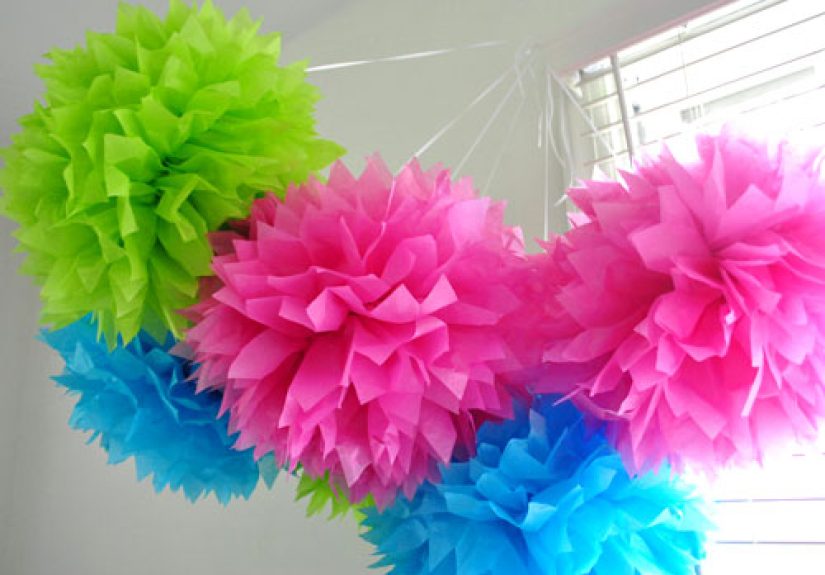
Decorations do not have to be everywhere. A focused party setup usually photographs better and costs less. Choose one main area for the high chair, cake table, and backdrop. This could include a banner, a few balloons placed safely out of reach, flowers, a framed photo, or a timeline of monthly baby pictures.
A “first year” photo display is one of the sweetest decorations because it shows how much our daughter has changed. Twelve monthly photos clipped to a garland, arranged on a board, or displayed in frames can become the emotional center of the party. Warning: at least one relative may cry. It might be us.
Safety Comes Before Style
A first birthday party should be designed with curious little hands in mind. Decorations should not include small loose pieces within reach. Balloons should be handled carefully because broken balloon pieces can be dangerous for babies and toddlers. Cords, candles, hot drinks, sharp serving utensils, and heavy decorations should be kept away from children.
If the party is at home, babyproofing is essential. Cover outlets, block stairs, secure pets if needed, move breakable items, and create a clean floor space for babies. If there is outdoor space, check gates, pools, garden tools, grills, and uneven areas. A safe party is not boring. It simply allows everyone to relax instead of shouting “Don’t touch that!” every 14 seconds.
Activities for a One-Year-Old Birthday Party
At a first birthday party, activities should be simple. One-year-olds do not need organized games with rules. They need safe exploration, music, soft toys, and adults who are not stressed. A bubble machine can be magical outdoors. A baby play corner with stacking toys, sensory balls, board books, and soft blocks can entertain little guests. A photo booth with a cute backdrop works well for adults and older kids.
For a sentimental activity, guests can write notes for our daughter to read when she is older. They might share wishes, memories, advice, or funny predictions. Another meaningful idea is a “time capsule” box with cards, photos, a party invitation, and small keepsakes from her first year.
Photography: Capture the Memories Without Missing the Party
Photos matter because our daughter will not remember the day, but she may love seeing it later. We can hire a photographer, ask a trusted friend, or create a simple shot list for ourselves. Important moments include the birthday outfit, family photos, decorations, grandparents, cake, the candle, smash cake reactions, tiny hands, and candid moments.
The trick is not to spend the whole party behind a phone. A short photo plan helps. Take key pictures early, before the outfit meets frosting. Then put the phone down often enough to actually live the day. Some of the best memories will not be perfectly posed: our daughter reaching for someone’s glasses, clapping at the song, or looking confused by applause.
Gift Ideas and Gift Boundaries
First birthday gifts can be sweet, useful, and simple. Good options include board books, stacking toys, shape sorters, musical toys, soft dolls, bath toys, clothes, savings contributions, personalized keepsakes, and outdoor toys. If we prefer fewer toys, we can politely suggest books, diapers, contributions to a college fund, or “no gifts necessary.”
It is also okay not to open gifts during the party. Many one-year-olds are more interested in wrapping paper than presents, and opening gifts can slow down the event. We can open them later and send thank-you messages with photos. That keeps the party moving and avoids the classic scene where a baby unwraps one block and refuses to continue because the block is now her life’s work.
Party Favors: Optional, Not Mandatory
Party favors are not required, especially for a first birthday. If we want to offer something, keep it useful and age-appropriate. Board books, bubbles for older children, snack bags, crayons for kids old enough to use them safely, or a cookie for adult guests can work well. Avoid tiny toys that may be choking hazards for babies and toddlers.
A simple favor can also match the theme. For a “Berry First Birthday,” guests might take home a small jar of jam. For “First Trip Around the Sun,” star-shaped cookies are cute. For a storybook party, a mini book is perfect. The favor should feel like a thank-you, not another project that requires a spreadsheet and emotional support coffee.
A Practical First Birthday Planning Timeline
Six to Eight Weeks Before
Choose the date, budget, guest list, location, and theme. Book a venue or photographer if needed. Start thinking about food, cake, and invitations.
Four Weeks Before
Send invitations, order decorations, plan the menu, choose baby’s outfit, and decide whether to buy or bake the cake. If family is traveling, confirm arrival times and sleeping arrangements.
Two Weeks Before
Finalize RSVPs, order groceries, confirm vendors, prepare decorations, make a photo list, and check for safety concerns around the party area.
One Week Before
Prepare favor bags if using them, clean party spaces, wash baby’s outfit, charge camera batteries, and confirm the schedule. Try not to begin a complicated DIY project unless we enjoy panic as a hobby.
The Day Before
Set up decorations that can be done early, prepare food that keeps well, clean the high chair, pack a diaper station, and organize trash bags, wipes, towels, and extra clothes.
Party Day
Feed the baby, protect nap time, take early photos, keep snacks ready, and remember that the goal is not perfection. The goal is celebrating our daughter with love, laughter, and maybe a little frosting in her hair.
Our Experience Planning Our Daughter’s First Birthday
When we started planning our daughter’s first birthday, we thought we were being very reasonable. “Just a small party,” we said, with the confidence of people who had not yet searched for first birthday themes. Ten minutes later, we had opinions about cake stands, balloon colors, personalized banners, and whether a one-year-old needed a floral crown. Parenthood changes you.
The biggest lesson we learned was that the party needed to fit our daughter, not our Pinterest board. She loved familiar faces, music, soft foods, and crawling toward anything she was not supposed to touch. She did not care whether the plates matched. She did care whether lunch arrived on time. So we planned the party around her happiest window, kept the guest list manageable, and chose decorations that looked sweet without turning our home into a production studio.
We picked one main photo area instead of decorating the entire house. Her high chair became the centerpiece with a simple banner, a few soft-colored decorations, and a small cake. We displayed monthly photos from her first year, and that turned out to be one of the most meaningful parts of the day. Seeing her newborn photo next to her 12-month picture made everyone pause. It reminded us that the first year had been long, fast, exhausting, beautiful, and somehow all of those things at once.
Food was another area where simple won. We served easy adult snacks and baby-safe options, with everything prepared before guests arrived. That allowed us to spend less time in the kitchen and more time watching our daughter wave at people like she was the mayor of the living room. We also kept wipes everywhere. This was not a design choice. This was survival.
The smash cake moment was hilarious. We imagined she would joyfully dig in. Instead, she stared at the cake with deep suspicion, touched the frosting with one finger, and looked at us as if we had betrayed the family values. After a few minutes, she warmed up and began patting the cake like a tiny baker conducting quality control. It was not the dramatic cake explosion we expected, but it was perfectly her.
We also learned that babies can feel the energy of a room. When we stayed relaxed, she stayed happier. When we tried to force a photo or rush a moment, she resisted with the strength of a person who had recently discovered free will. So we slowed down. We let grandparents hold her when she wanted to be held. We let her crawl away from the spotlight. We sang, clapped, laughed, and accepted that not every picture would be frame-worthy.
Looking back, the best parts were not the decorations or the menu. They were the tiny human moments: her smile when everyone sang, her sticky fingers, the way relatives gathered around the photo display, and the quiet feeling that we had crossed a milestone together. Planning our daughter’s first birthday taught us that the most memorable party is not the most elaborate one. It is the one where the baby feels safe, the parents feel present, and the people who love her get to celebrate the amazing little person she is becoming.
Conclusion
Planning our daughter’s first birthday is a chance to celebrate love, growth, survival, and the beautiful chaos of year one. The best party is not measured by the size of the balloon arch or the perfection of the cake. It is measured by comfort, laughter, safety, and the memories we create with the people who matter most.
Keep the guest list thoughtful, the schedule baby-friendly, the food safe, and the decorations manageable. Choose a theme that feels personal, protect nap time like a sacred family tradition, and remember that the birthday girl may enjoy the box more than the gift. That is not a failure. That is first birthday magic.