Table of Contents >> Show >> Hide
- What Is Eczema?
- Probiotics vs. Prebiotics: What Is the Difference?
- How Could Gut Health Affect Eczema?
- Can Probiotics Help Treat Existing Eczema?
- Can Probiotics Help Prevent Eczema in Babies?
- Can Prebiotics Help Eczema?
- Best Probiotic Foods for Eczema Support
- Should You Take a Probiotic Supplement for Eczema?
- What About Topical Probiotics for Eczema?
- Diet, Food Allergies, and Eczema: Do Not Guess Too Hard
- A Practical Gut-Skin Routine for Eczema
- Real-World Experiences: What People Often Notice
- Final Verdict: Can Prebiotics and Probiotics Help Eczema?
Can prebiotics and probiotics help eczema? Maybebut not in the “one capsule and your skin becomes a porcelain teacup” kind of way. Eczema, especially atopic dermatitis, is a chronic inflammatory skin condition linked to a weakened skin barrier, immune system activity, genetics, environmental triggers, and sometimes allergies. The gut microbiome may also play a role, which is why probiotics and prebiotics have become popular in conversations about eczema relief.
The idea is tempting: improve gut health, calm inflammation, support immunity, and maybe reduce itchy, dry, irritated skin. But the science is more cautious than the supplement aisle. Some studies suggest certain probiotic strains or prebiotic formulas may slightly reduce eczema risk in infants or support symptom management in some people. Other studies show little to no meaningful improvement once eczema is already established. In plain English: promising, but not a miracle cure.
This guide breaks down what probiotics and prebiotics are, how they may affect eczema, what foods contain them, who should be careful with supplements, and how to build a realistic eczema plan that does not rely on yogurt doing the work of a dermatologist.
What Is Eczema?
Eczema is a general term for several conditions that cause inflamed, itchy, dry, sensitive skin. The most common type is atopic dermatitis, a long-lasting condition that often begins in childhood but can continue or appear in adulthood. It is not contagious, but it can be stubborn enough to feel like it has signed a long-term lease on your elbows.
Atopic dermatitis is associated with a damaged skin barrier. When the barrier does not hold moisture well, skin becomes dry and more vulnerable to irritants, allergens, scratching, and infection. The immune system may also overreact, creating inflammation that leads to redness, itching, cracking, scaling, and flare-ups.
Common eczema triggers
- Harsh soaps, fragrances, dyes, and detergents
- Dry air, sweating, heat, or sudden temperature changes
- Stress and poor sleep
- Scratchy fabrics such as wool
- Dust mites, pollen, pet dander, or mold in some people
- Skin infections or frequent scratching
- Food allergies in a smaller group of people, especially children with moderate to severe eczema
Because eczema has many causes, one supplement rarely solves everything. The best eczema care usually combines daily moisturizing, trigger control, gentle skin care, prescribed treatments when needed, and a healthy lifestyle. Prebiotics and probiotics may fit into that planbut they should not replace the plan.
Probiotics vs. Prebiotics: What Is the Difference?
Probiotics are live microorganisms, usually beneficial bacteria or yeasts, that may support health when consumed in adequate amounts. They are found in fermented foods, dietary supplements, and some topical products. Common probiotic groups include Lactobacillus, Bifidobacterium, and Saccharomyces boulardii.
Prebiotics are fibers or compounds that feed beneficial bacteria already living in the gut. Think of probiotics as the friendly guests and prebiotics as the snacks that keep them happy. Prebiotics are found naturally in foods such as onions, garlic, asparagus, bananas, oats, beans, lentils, apples, and certain whole grains.
Synbiotics combine probiotics and prebiotics. The idea is to introduce helpful microbes and feed them at the same time. In theory, that sounds efficient. In practice, the effect depends on the strain, dose, timing, person, diet, age, and health status.
How Could Gut Health Affect Eczema?
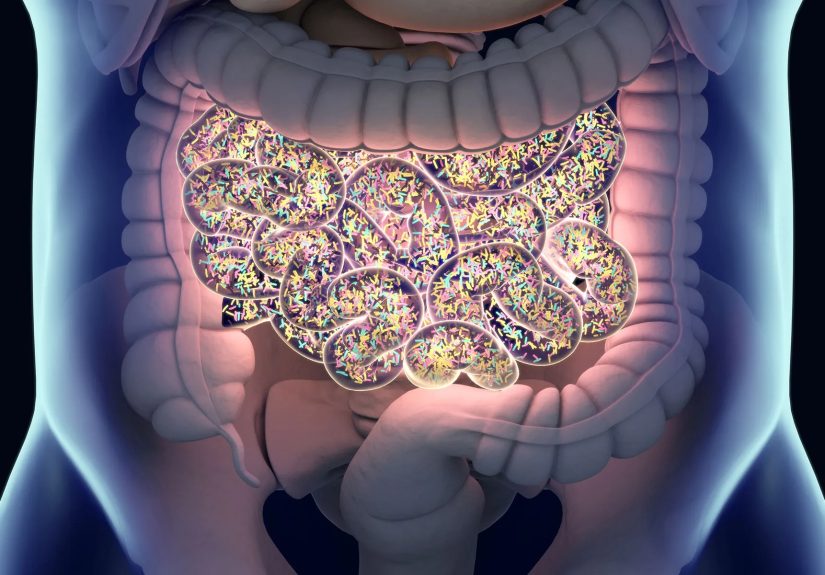
The gut and skin communicate through the immune system, inflammation pathways, metabolism, and the microbiome. This relationship is often called the gut-skin axis. When the gut microbiome is diverse and balanced, it may help support immune regulation. When it is disrupted, inflammation may be more likely to show up in different parts of the bodyincluding the skin.
For eczema, researchers are especially interested in whether gut microbes influence allergic inflammation, skin barrier function, and immune tolerance. Babies with less diverse gut bacteria early in life may have a different allergy risk profile than babies with more microbial diversity. That is one reason studies often focus on pregnancy, infancy, breastfeeding, formula composition, and early-life supplementation.
However, eczema is not simply “bad gut bacteria equals itchy skin.” That would be too easy, and eczema apparently enjoys being complicated. Skin barrier genes, immune activity, environmental exposure, bacteria on the skin, scratching, and topical care all matter too.
Can Probiotics Help Treat Existing Eczema?
The evidence for using probiotics to treat existing eczema is mixed. Some clinical trials show small improvements in eczema severity, especially with specific strains or combinations. Other trials show little to no benefit for itching, sleep loss, quality of life, or visible severity.
Large evidence reviews have generally concluded that currently available probiotics are unlikely to make a major difference for most people with established eczema. There may be small benefits for some individuals, but they are not predictable enough to recommend probiotics as a primary eczema treatment.
Why results vary so much
- Different strains: One probiotic strain is not the same as another. “Probiotic” is a category, not a single treatment.
- Different doses: Products vary widely in colony-forming units, storage quality, and survival through digestion.
- Different people: Age, genetics, allergies, diet, medications, and eczema severity can change results.
- Different study designs: Some studies are small, short, or use different eczema scoring systems.
- Different timing: Prevention in infancy may not work the same way as treatment in adults.
Bottom line: probiotics may help some people a little, but they are not proven to clear eczema on their own. If your eczema is severe, infected, painful, or interfering with sleep, a probiotic should not be your main strategy.
Can Probiotics Help Prevent Eczema in Babies?
The prevention story is more interesting but still not settled. Some studies suggest probiotics given during pregnancy, breastfeeding, or early infancy may slightly reduce the risk of eczema in young children. Other research finds uncertain or inconsistent results.
Timing may matter because the immune system and microbiome develop rapidly during early life. Researchers are studying whether probiotic exposure during pregnancy or infancy can influence allergy risk. Still, experts do not universally recommend routine probiotic use for all pregnant people, infants, or children to prevent eczema.
Parents should be especially careful with infants. Premature babies, medically fragile infants, and children with immune system problems may face higher risks from live microbial products. Always ask a pediatrician before giving a baby probiotic supplements.
Can Prebiotics Help Eczema?
Prebiotics may support a healthier gut environment by feeding beneficial bacteria. Some research suggests prebiotic-supplemented infant formula may reduce eczema risk in babies up to age two, but evidence is not strong enough to recommend routine use for every infant.
For older children and adults, food-based prebiotics are usually a practical way to support gut health. Unlike capsules with specific live strains, prebiotic-rich foods also provide vitamins, minerals, antioxidants, and fiber. That is good news because your gut bacteria are not picky influencers demanding luxury treatmentthey generally appreciate beans, oats, fruit, and vegetables.
Prebiotic-rich foods to consider
- Oats and barley
- Beans, lentils, chickpeas, and peas
- Bananas, apples, and berries
- Onions, garlic, leeks, and asparagus
- Ground flaxseed and chia seeds
- Whole grains such as brown rice and whole wheat, if tolerated
If you are not used to eating much fiber, increase slowly. Going from “no beans” to “bean festival” overnight may cause bloating and digestive drama. Your gut likes progress, not ambushes.
Best Probiotic Foods for Eczema Support
Probiotic foods can be part of a balanced eczema-friendly diet, especially when they replace highly processed snacks or sugary foods. They are not guaranteed to stop flares, but they may support digestive and immune health.
Common probiotic foods
- Yogurt with live and active cultures: Choose unsweetened versions when possible.
- Kefir: A fermented dairy drink that contains multiple bacterial strains.
- Fermented vegetables: Sauerkraut and kimchi may contain live cultures if unpasteurized.
- Miso: A fermented soybean paste often used in soup.
- Tempeh: A fermented soy food that also provides plant-based protein.
- Kombucha: A fermented tea, though it can be high in sugar and may not be suitable for everyone.
People with food allergies or sensitivities should read labels carefully. For example, yogurt and kefir contain dairy unless specifically labeled dairy-free. Miso and tempeh contain soy. Kimchi can be spicy, which may bother some people with sensitive skin or reflux. The goal is not to force trendy foods into your diet; it is to find options your body tolerates.
Should You Take a Probiotic Supplement for Eczema?
A probiotic supplement may be reasonable for some people, but it should be chosen thoughtfully. The label should list the genus, species, strain, expiration date, storage instructions, and colony-forming units through the end of shelf lifenot just at the time of manufacture.
Look for products tested by reputable third-party organizations when possible. Dietary supplements in the United States are regulated differently from prescription medicines, and they are not approved by the FDA to diagnose, treat, cure, or prevent eczema. Marketing language can sound confident even when the evidence is still developing.
Talk to a healthcare professional first if you:
- Are pregnant or breastfeeding
- Are giving probiotics to a baby or child
- Have a weakened immune system
- Have a serious illness or central venous catheter
- Recently had surgery
- Take immune-suppressing medication
- Have severe allergies or a history of reactions to supplements
Most healthy people tolerate probiotic foods and many probiotic supplements well, but side effects can include gas, bloating, digestive discomfort, or, rarely, infection in high-risk individuals. “Natural” does not automatically mean “risk-free.” Poison ivy is natural too, and nobody invites it to dinner.
What About Topical Probiotics for Eczema?
Topical probiotics and microbiome-based skin therapies are an active area of research. Instead of changing the gut microbiome, these treatments aim to influence the skin microbiome directly. This is important because eczema-prone skin often has less microbial diversity and may be more easily dominated by irritating bacteria such as Staphylococcus aureus.
Some experimental topical approaches use beneficial bacteria or bacterial byproducts to calm inflammation, improve the skin environment, or reduce harmful microbes. These are not the same as rubbing yogurt on your arm. Please do not turn breakfast into dermatology unless your doctor specifically tells you towhich they almost certainly will not.
For now, proven skin care basics still matter most: fragrance-free moisturizer, gentle cleanser, lukewarm bathing, trigger control, and medications when prescribed.
Diet, Food Allergies, and Eczema: Do Not Guess Too Hard
Some people with eczema also have food allergies, especially children with moderate to severe eczema. But food is not the root cause for everyone. Removing major food groups without medical guidance can lead to nutrient gaps, stress, and a refrigerator full of sadness.
If you suspect a food trigger, keep a symptom diary and talk with a healthcare professional. Allergy testing may be useful in certain cases, but positive tests do not always mean a food is causing eczema. Elimination diets should be supervised, especially for babies, children, teens, pregnant people, or anyone with a history of disordered eating.
A Practical Gut-Skin Routine for Eczema
If you want to support gut health while managing eczema responsibly, start with food and consistency before chasing expensive supplements.
Step 1: Build a fiber-friendly plate
Include fruits, vegetables, beans, lentils, oats, nuts, seeds, and whole grains as tolerated. These foods provide prebiotic fibers and nutrients that support overall health.
Step 2: Add fermented foods gradually
Try plain yogurt, kefir, miso, or fermented vegetables if they fit your diet. Start small and watch how your body responds.
Step 3: Keep moisturizing like it is your part-time job
Apply fragrance-free moisturizer daily, especially after bathing. Gut support is optional; barrier repair is essential.
Step 4: Track flares without obsessing
Note sleep, stress, weather, products, foods, sweating, and skin care changes. Patterns are more useful than panic.
Step 5: Ask about supplements before starting
A dermatologist, pediatrician, allergist, pharmacist, or registered dietitian can help you decide whether a probiotic or prebiotic supplement makes sense.
Real-World Experiences: What People Often Notice
People who try prebiotics and probiotics for eczema often describe three different experiences. The first group notices no dramatic skin change but feels better digestion. They may become more regular, feel less bloated after adjusting, or simply eat a more balanced diet because they are paying attention. Their eczema still needs moisturizer and medication during flares, but their overall routine improves.
The second group notices a modest improvement. Their skin may feel slightly less reactive, flares may seem less frequent, or itching may become easier to manage. This is usually not an overnight transformation. It may happen after several weeks of consistent dietary changes, better sleep, less stress, and improved skin care. In other words, the probiotic may be part of the story, but not the entire plot.
The third group feels worse or frustrated. Some people get gas, bloating, or stomach discomfort from probiotic supplements or suddenly increasing fiber. Others try a fermented food that contains a personal trigger, such as dairy, soy, spice, or added sugar. A few spend too much money on products that promise glowing skin but deliver only a lighter wallet. This experience matters because eczema already requires patience; adding confusion does not help.
Parents often report the hardest part is separating coincidence from cause. A child may start a probiotic during the same week the weather changes, a new moisturizer is introduced, or a flare naturally begins to calm. That does not mean the probiotic did nothing, but it also does not prove it was the hero. A simple diary can help: record the product, dose, foods, skin symptoms, sleep quality, bath routine, and any medication changes.
Adults often find that the most helpful “gut-skin” habit is not a supplement at all. It is creating a steady routine: eating more fiber, choosing less processed food, drinking enough water, limiting known irritants, sleeping better, and moisturizing consistently. These changes are not glamorous, but eczema rarely rewards chaos. The skin prefers boring reliability. Very rude, but true.
A practical experience-based approach is to test one change at a time. For example, add plain yogurt three times a week, or increase oats and fruit at breakfast, or try one clinician-approved probiotic for a defined period. Avoid changing five things at once, because then you will not know what helped. If symptoms improve, continue observing. If symptoms worsen, stop the new product and ask a professional.
The biggest lesson from real-life eczema care is that prebiotics and probiotics may support the body, but they do not replace skin barrier repair. The person who moisturizes daily, avoids fragrance, treats flares early, and eats a balanced diet is usually in a better position than the person who takes a fancy capsule while using a perfumed body wash called “Volcanic Citrus Thunderstorm.” Your skin barrier has enough problems. Do not make it fight a thunderstorm.
Final Verdict: Can Prebiotics and Probiotics Help Eczema?
Prebiotics and probiotics may help some people with eczema, but the benefits are usually modest and not guaranteed. Probiotics may slightly reduce eczema risk in some prevention-focused infant studies, but evidence is not strong enough for universal routine use. For treating existing eczema, probiotics appear to make little or no major difference for many people, though certain individuals may notice small improvements.
Prebiotic-rich foods are a smart, low-drama place to start because they support overall health and feed beneficial gut bacteria. Fermented foods may also fit into a healthy diet if tolerated. Supplements require more caution, especially for infants, pregnant people, immune-compromised individuals, and anyone with serious medical conditions.
The best answer is balanced: support your gut, but treat your skin. Use moisturizers, avoid triggers, follow your dermatologist’s plan, and view prebiotics and probiotics as possible helpersnot eczema superheroes in tiny capsules.
Educational note: This article is for general information only and does not replace medical advice. Anyone with severe eczema, signs of infection, worsening symptoms, or questions about supplements for children should speak with a qualified healthcare professional.