Table of Contents >> Show >> Hide
- Start With Function Before Falling in Love With Fabric
- Measure Like You Mean It
- Choose the Best Fabric for Your Living Room Curtains
- Match Curtain Weight to the Room
- Pick a Curtain Color That Works With the Room
- Use Pattern With Purpose
- Understand Curtain Headers and Hanging Styles
- Consider Layering Curtains With Shades or Blinds
- Choose Hardware That Supports the Style
- Think About Maintenance Before You Buy
- Common Mistakes to Avoid
- Room-by-Room Style Examples for Living Rooms
- Real-Life Experience: Choosing Living Room Curtains Without Losing Your Mind
- Conclusion
Choosing curtains for the living room sounds simple until you are standing in front of 300 fabric panels, holding a tape measure, wondering if “oatmeal linen” is a color, a breakfast, or a lifestyle. The good news is that the right living room curtains do not require a degree in interior design. They require a clear plan: understand your room’s light, measure properly, choose the right fabric, match the curtain style to your home, and hang everything in a way that makes the space feel taller, softer, and more finished.
Living room curtains do much more than cover glass. They filter sunlight, protect privacy, add warmth, soften hard edges, improve acoustics, and create a visual frame around your windows. In many homes, they are the quiet detail that makes the sofa, rug, wall color, and lighting finally look like they belong in the same room. Think of curtains as the eyebrows of the living room: you may not notice them when they are right, but when they are wrong, the whole face looks surprised.
This guide explains how to choose curtains for the living room in a practical, stylish, and stress-free way. Whether your space is bright and modern, cozy and traditional, small and apartment-friendly, or dramatic enough to deserve its own soundtrack, the right curtain choice can transform the room without knocking down a wall.
Start With Function Before Falling in Love With Fabric
Before choosing color, pattern, pleats, or fancy finials, ask one honest question: what do these curtains need to do? A living room used mostly for daytime lounging has different needs from a room that faces a busy street, gets harsh afternoon sun, or doubles as a movie-watching zone.
Light Control
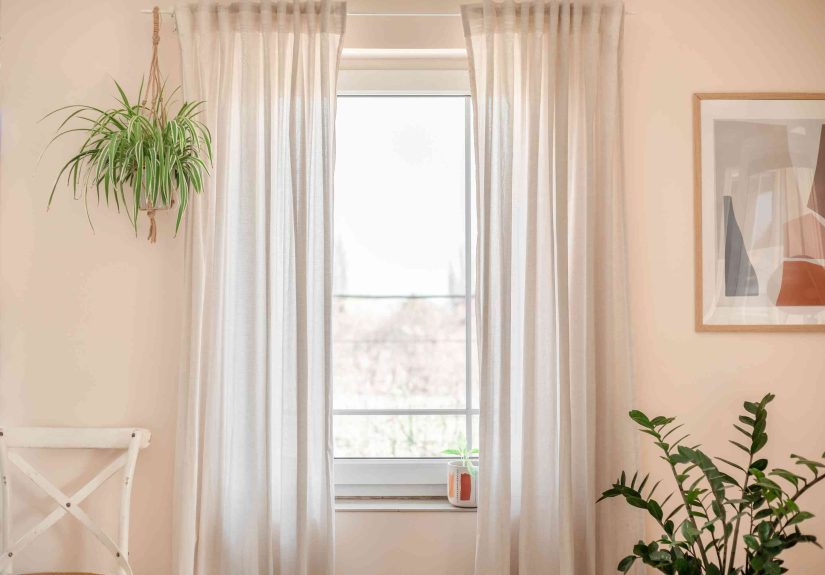
If your living room gets beautiful natural light, light-filtering curtains are often the best choice. Sheer, linen, cotton, or polyester-blend panels soften sunlight without making the room feel closed off. They are perfect when you want brightness, movement, and a breezy feeling.
If glare is a problem, especially near a television or south- or west-facing window, consider lined curtains or layered window treatments. A sheer inner layer can provide daytime softness, while a heavier outer panel can be closed when the sun starts acting like it owns the place.
Privacy
For street-facing living rooms, sheer curtains may not be enough at night. When the lights are on indoors, many sheers become more revealing than expected. For better privacy, choose semi-opaque panels, lined drapery, woven shades with curtains, or a double rod system with both sheer and heavier panels.
Insulation and Comfort
Heavier curtains can help a living room feel warmer in winter and cooler in strong summer sun. Velvet, chenille, lined linen, and blackout-backed fabrics add body and can reduce drafts near older windows. They also help absorb sound, which is useful in rooms with wood floors, high ceilings, or furniture that seems to echo every snack bag opened during movie night.
Measure Like You Mean It
The most common curtain mistake is buying panels that are too short, too narrow, or hung too low. Curtains should look intentional, not like they borrowed pants from a younger sibling.
Measure Width First
For a full, polished look, the total curtain width should usually be about 1.5 to 2.5 times the width of the window or curtain rod. For example, if your window is 72 inches wide, aim for total panel width between 108 and 180 inches, depending on how full you want the curtains to appear. Lightweight fabrics often look better with extra fullness because they need more volume to create soft folds.
Also consider stack-back space, which is the wall area where curtains sit when opened. If possible, extend the curtain rod several inches beyond each side of the window. This lets the panels open wider, allows more daylight in, and makes the window appear larger.
Measure Height Carefully
In most living rooms, curtain rods look best mounted higher than the window frame. Installing the rod 4 to 10 inches above the frame, or a few inches below the ceiling, visually stretches the wall and makes the ceiling feel taller. This is one of the easiest design tricks in the book, and unlike many design tricks, it does not require buying a marble coffee table.
Measure from the rod placement down to the floor. Do this in more than one spot because floors and ceilings are not always perfectly level, especially in older homes. Choose the curtain length that comes closest to your ideal drop.
Choose the Right Curtain Length
For living rooms, floor-length curtains are usually the most elegant choice. There are three common approaches:
- Float: Curtains stop about half an inch above the floor. This is clean, modern, and practical for homes with pets, children, or robot vacuums with big dreams.
- Kiss: Curtains lightly touch the floor. This creates a tailored, custom-looking finish and works beautifully in most living rooms.
- Puddle: Curtains extend slightly onto the floor. This look feels romantic and formal, especially with soft fabrics like velvet, silk, or linen, but it collects dust and requires more maintenance.
Avoid curtains that stop several inches above the floor unless you are using cafe curtains or dealing with a radiator, built-in bench, or other obstacle. In a standard living room, awkwardly short curtains can make the room look unfinished.
Choose the Best Fabric for Your Living Room Curtains
Fabric determines how curtains hang, how much light they block, how formal they feel, and how much effort they require. The same color in linen, velvet, cotton, and polyester can create completely different moods.
Linen Curtains
Linen is a favorite for living rooms because it feels relaxed but refined. It filters light beautifully and adds texture without looking heavy. Natural linen wrinkles, which is either charming or annoying depending on your personality. If wrinkles make you twitch, choose a linen blend.
Cotton Curtains
Cotton curtains are versatile, casual, and easy to style. They work well in family living rooms, coastal spaces, farmhouse-inspired interiors, and rooms that need softness without drama. Cotton can shrink, so always check care instructions before washing.
Velvet Curtains
Velvet is ideal for a living room that needs richness, warmth, and a little “yes, I do own a candle snuffer” energy. It blocks more light than sheer fabrics, adds insulation, and creates a luxurious mood. Velvet works especially well in traditional, eclectic, glam, and moody modern spaces.
Sheer Curtains
Sheers are excellent for softening daylight and creating an airy look. They are best when privacy is not the main concern or when paired with shades, blinds, or heavier outer drapes. White, ivory, warm beige, and soft gray sheers are popular because they blend easily with most living room palettes.
Polyester and Performance Fabrics
Polyester curtains are budget-friendly, widely available, and often easier to maintain than delicate natural fibers. Many modern polyester blends mimic linen or cotton while resisting wrinkles. Performance fabrics are a smart choice for busy households, sunny rooms, and anyone who has ever watched a toddler approach fabric with chocolate fingers.
Match Curtain Weight to the Room
The weight of the curtain should match both the style and scale of the living room. Light curtains create movement and openness. Heavy curtains create structure, drama, and coziness.
Small living rooms often benefit from lighter fabrics because they avoid crowding the space. Sheer linen, cotton blends, and light-filtering panels can make the room feel open and breathable. Large living rooms, high-ceiling spaces, and rooms with oversized windows can handle heavier drapery. In fact, they often need it so the windows do not look underdressed.
Also consider the architecture. A sleek modern room may look best with ripple-fold or simple pleated panels in a clean fabric. A classic room with crown molding may welcome pinch pleats, velvet, or lined drapery. A casual family room may prefer grommet, ring-top, or back-tab curtains that open and close easily.
Pick a Curtain Color That Works With the Room
Curtain color can either blend into the room or become a feature. Neither option is wrong. The best choice depends on your design goal.
For a Calm, Modern Look
Choose curtains close to the wall color, either slightly lighter or slightly darker. This creates a smooth, expansive effect and keeps attention on furniture, art, or the view. Ivory curtains with warm white walls, taupe curtains with beige walls, or soft gray curtains with pale gray walls can all feel sophisticated without shouting.
For Contrast and Drama
Use curtains in a deeper or bolder color than the walls. Navy, olive, charcoal, rust, chocolate, or deep green panels can anchor a living room and make the windows a focal point. This works especially well when the curtain color repeats elsewhere, such as in pillows, artwork, a rug, or an accent chair.
For Warmth
If your living room feels cold, choose warmer curtain tones such as cream, camel, oatmeal, terracotta, muted gold, warm gray, or clay. These colors soften the space and pair well with wood furniture, leather, woven baskets, and brass finishes.
For Brightness
If your living room is dark, choose light-filtering curtains in white, ivory, pale beige, or soft linen tones. Avoid heavy dark panels unless you are intentionally creating a moody atmosphere. Dark curtains can be gorgeous, but in a dim room they may turn “cozy” into “forgot to pay the electric bill.”
Use Pattern With Purpose
Patterned curtains can bring personality into the living room, but they should connect to the rest of the design. A floral, stripe, geometric, plaid, or botanical print works best when it shares colors with other elements in the room.
If your sofa, rug, and pillows are already bold, choose simple curtains to prevent visual chaos. If your living room is mostly neutral, patterned curtains can add interest without requiring a full redesign. Stripes can make a room feel taller or more tailored. Florals add softness. Geometrics feel modern. Plaids and checks bring a cozy, traditional touch.
Scale matters. Large patterns work well in spacious rooms with tall windows. Small patterns are easier to use in compact living rooms because they read more like texture from a distance.
Understand Curtain Headers and Hanging Styles
The curtain header affects both appearance and function. It is the top part of the curtain where the fabric meets the rod or track.
Pinch Pleat
Pinch pleat curtains look tailored and formal. They create even folds and work well in traditional, transitional, and polished living rooms. They are often hung with rings or hooks.
Grommet
Grommet curtains have metal rings built into the top. They are easy to slide and suit casual or contemporary spaces. However, the large waves can look less custom than pleated styles.
Rod Pocket
Rod pocket curtains slide directly onto the rod, creating a gathered look. They are simple and charming but not ideal for curtains that need to be opened and closed every day.
Back Tab
Back-tab curtains hide the rod and create soft folds. They offer a clean look and work nicely in modern, casual, and transitional rooms.
Ripple Fold
Ripple-fold curtains hang from a track and create smooth, consistent waves. They are popular in modern interiors and large windows because they look clean and architectural.
Consider Layering Curtains With Shades or Blinds
Layering is one of the smartest ways to make living room curtains more functional. A woven shade with side drapes adds texture and privacy. Sheers with blackout panels give you daytime light and nighttime coverage. Roman shades with decorative curtains create a tailored, designer look.
Layering also solves tricky problems. If you love airy linen curtains but need privacy, add a shade behind them. If you want drama but not darkness, use sheer panels inside and heavier curtains outside. If the room feels flat, a layered window treatment can add depth without adding more furniture.
Choose Hardware That Supports the Style
Curtain rods, rings, brackets, and finials are small details, but they matter. A flimsy rod can make beautiful curtains look cheap. Choose hardware strong enough for the fabric weight and wide enough for proper stack-back.
Black rods feel crisp and modern. Brass adds warmth and elegance. Nickel and chrome suit cooler palettes. Wood rods work well in traditional, rustic, or natural interiors. If you want the curtains to be the star, choose simple hardware. If the room is minimal, decorative finials can add a subtle finishing touch.
For large windows or heavy curtains, use center support brackets to prevent sagging. A curtain rod bowing in the middle is not a design statement; it is a cry for help.
Think About Maintenance Before You Buy
Living room curtains collect dust, pet hair, pollen, and everyday household mystery particles. Before buying, read the care label. Some curtains are machine washable, while others require dry cleaning. Linen, cotton, velvet, and lined drapes may need special handling.
If your living room is high-traffic, choose durable fabrics that can handle real life. Washable or easy-care panels are especially helpful for homes with pets, children, fireplaces, or open windows. If you choose custom or delicate drapery, plan for occasional vacuuming with an upholstery attachment and professional cleaning when needed.
Common Mistakes to Avoid
Even beautiful curtains can look wrong if they are chosen or installed poorly. Avoid these common living room curtain mistakes:
- Buying panels that are too narrow: Skinny curtains look flat and unfinished. Add enough width for fullness.
- Hanging the rod too low: A higher rod makes the ceiling look taller and the room feel larger.
- Choosing curtains that are too short: Unless there is a practical reason, living room curtains should usually reach the floor.
- Ignoring function: Pretty curtains that do not provide privacy, light control, or easy movement will become annoying fast.
- Forgetting the view from outside: Window treatments affect curb appeal too, especially in front-facing living rooms.
- Using the wrong fabric weight: Heavy velvet may overwhelm a tiny room, while thin sheers may look underwhelming on grand windows.
Room-by-Room Style Examples for Living Rooms
Small Apartment Living Room
Choose light-filtering linen or cotton curtains in a color close to the wall. Hang the rod close to the ceiling and extend it beyond the window. This makes the room feel taller, brighter, and less boxed in.
Formal Living Room
Use lined pinch-pleat drapes in velvet, silk blend, or structured linen. Let them kiss the floor or puddle slightly for elegance. Choose rich neutrals, deep jewel tones, or a refined pattern.
Family Living Room
Pick durable, washable curtains in cotton, polyester, or a performance blend. A float length is practical, especially with kids and pets. Add woven shades or blinds if privacy and durability matter.
Modern Living Room
Choose ripple-fold, back-tab, or simple pleated panels in a solid color. Keep hardware minimal and mount high. White, ivory, charcoal, greige, and soft black can all work depending on the palette.
Bohemian or Eclectic Living Room
Try patterned panels, embroidered details, textured linen, or warm earth tones. Curtains can be a place to repeat colors from rugs, art, and pillows without making the room feel too matched.
Real-Life Experience: Choosing Living Room Curtains Without Losing Your Mind
One of the most useful lessons about choosing living room curtains is that the “perfect” option in your head may not be the best option in your actual room. A fabric can look stunning online and then arrive with the personality of a tablecloth. A color called “warm ivory” can look buttery in one living room and oddly yellow in another. Natural light, wall color, flooring, furniture, and even the direction your windows face all change how curtains appear.
A practical experience-based approach is to begin with samples whenever possible. Hold fabric swatches against the wall in morning light, afternoon light, and evening lamplight. This sounds slightly dramatic, but curtains cover a lot of visual space. A sofa pillow can be the wrong shade and still survive. Curtains in the wrong shade will announce themselves daily like a tiny interior design alarm.
Another helpful experience is to test your tolerance for maintenance. If you love the look of puddled linen but own a golden retriever, a crawling baby, or a vacuum that eats fabric like spaghetti, choose a shorter float length instead. Beautiful design should support your life, not create a new chore schedule. The same idea applies to white curtains in a busy household. They can look bright and fresh, but if your windows are near a patio, fireplace, or city street, washable fabric is your best friend.
Budget is another real-world factor. Custom drapery is gorgeous and often worth it for unusual windows, tall ceilings, or forever homes. But ready-made curtains can look excellent when measured and hung correctly. The trick is to buy enough panels for fullness, use quality hardware, steam the fabric, and hang the rod high and wide. Many affordable curtains look far more expensive after a good steam. Wrinkles are the difference between “casual linen charm” and “this came out of a shipping cube yesterday.”
Color confidence also grows through experience. When in doubt, choose curtains that relate to something already in the room. If your rug has warm beige and muted blue, either color can become a curtain direction. If your walls are white and your sofa is gray, warm oatmeal curtains can keep the room from feeling cold. If everything is neutral and you want more personality, patterned curtains are a lower-risk way to add character than buying a bright orange sofa, though respect to anyone brave enough to do that.
Finally, remember that curtains are not only decoration. They change how the room feels at different times of day. Open sheers in the morning can make coffee feel more peaceful. Closed drapes at night can make the living room feel cozy and private. Good curtains create atmosphere. Great curtains make you wonder why you lived with bare windows for so long, squinting at the television and pretending the neighbors were not part of the floor plan.
Conclusion
Learning how to choose curtains for the living room comes down to balancing beauty and function. Start with what the room needs: light filtering, privacy, insulation, softness, or drama. Measure carefully, choose panels with enough width, hang the rod high and wide, and select a length that looks intentional. Then choose fabric, color, pattern, and hardware that support the mood of your space.
The best living room curtains do not just match the decor. They improve the way the room works and feels. They can make a small room look taller, a plain room feel finished, a sunny room more comfortable, and a formal room more elegant. Choose thoughtfully, hang them properly, and your windows may become the best-dressed part of the house.